Weighing the pros and cons of adopting a mixed breed dog ultimately comes down to balancing biological health against extreme behavioral unpredictability. The biggest takeaway is this: mixed breeds generally live longer, healthier lives due to a vastly expanded gene pool, but they are the ultimate genetic wildcards. Owners must be fully prepared for a dog whose final adult size, shedding level, and working drives might look absolutely nothing like their initial shelter paperwork suggests. Embracing a mixed breed means accepting a perfectly unique canine companion that completely defies standard breed manuals.

Here is a clear breakdown of the realities waiting inside the local animal shelter.
The Mixed Breed Reality Mind Map
- Pro 1: Hybrid Vigor. A vastly larger gene pool naturally suppresses breed-specific recessive diseases.
- Pro 2: True Uniqueness. No two mixed breeds look, act, or think exactly alike.
- Pro 3: Financial Relief. Adoption fees are a mere fraction of elite purebred purchasing prices.
- Con 1: The Size Gamble. Puppy paws are a notoriously terrible indicator of final adult weight.
- Con 2: Conflicting Drives. Mixing a herding brain with a terrier prey drive requires highly creative training.
- Con 3: Medical Mystery. Rescues rarely come with verified, multi-generational health histories.
3 Advanced Mixed Breed Insights Most Owners Miss
Generic rescue advice often paints mutts as biologically bulletproof and universally easygoing to train. Elite canine behaviorists view mixed genetics through a much more technical, cautious lens.
- The Visual Identification Myth: Studies show that shelter staff, and even veteran veterinarians, guess a mixed breed’s primary genetic makeup incorrectly over 70% of the time based purely on visual looks. A shelter-labeled “Lab mix” is very frequently a complex combination of Pit Bull, Chow Chow, and Boxer. This genetic reality completely alters the required training and socialization approach.
- Behavioral Synergy Clashes: Mixing two distinct working breeds does not automatically dilute their internal drives; it frequently compounds them. If a dog inherits the hyper-alert guarding instinct of a German Shepherd combined with the relentless vocalization of a Husky, the family faces a highly complex behavioral puzzle.
- The Village Dog Distinction: Not all mixed breeds are simply two purebreds randomly combined. Millions of global rescues are classified as “Village Dogs,” which are ancient canine lineages that evolved entirely independently of modern human breed standards. These dogs are incredibly hardy, deeply independent free-thinkers that operate strictly on their own terms.
🐾 Snoutbit Pro-Tip: Order a reputable canine DNA test within the first week of bringing a mixed breed home. Knowing the exact genetic makeup removes the sheer guesswork from training and immediately highlights which specific breed-related health conditions to actively monitor.
The Undeniable Pros of a Mixed Breed
1. The Biological Power of Hybrid Vigor
The single most significant advantage of adopting a mutt is a biological concept known as hybrid vigor. Because purebreds are created through generations of extremely tight inbreeding, recessive genetic mutations for ailments like hip dysplasia or heart disease are easily passed down. A mixed breed introduces a massive splash of fresh DNA, significantly lowering the statistical chance of inheriting these breed-specific genetic landmines.
2. Exceptional Lifespans and Longevity
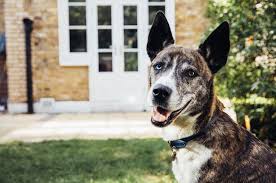
Because their physical bodies are not actively fighting decades of concentrated genetic bottlenecks, mutts regularly outlive their purebred counterparts. A medium-sized mixed breed dog easily sails past the twelve-year mark with far fewer chronic veterinary visits. This extended lifespan provides families with years of extra companionship and significantly lowers lifetime medical costs.
3. Perfectly Unique Temperaments
Purebreds are highly predictable, which can sometimes feel exactly like living with a canine operating manual. Mixed breeds offer an entirely unique personality profile that cannot be artificially replicated by any breeder.
Consider a family who rescued Anggu, a highly unique mix of a Southeast Asian Village Dog and a Shiba Inu. They initially braced for the notoriously aloof, stubborn traits heavily associated with purebred Shibas. Instead, Anggu’s ancient Village Dog genetics balanced the temperament beautifully, creating a brilliant, environmentally savvy canine that completely defied standard breed expectations.
🚨 Vet Fact: While hybrid vigor deeply protects against recessive genetic diseases, it absolutely does not make a dog immune to environmental illnesses. Mixed breeds still require the exact same core vaccination schedules, parasite preventatives, and daily dental care as any champion show dog.
The Cons: What Shelters Often Downplay
1. The Adult Size Wildcard
Adopting an eight-week-old mixed breed puppy is a total gamble when it comes to final adult size and structural shape. The old myth of examining a puppy’s paws to accurately determine their adult weight is wildly inaccurate when three or more different breeds are involved. A puppy that looks like a tiny Beagle mix can suddenly experience a massive growth spurt at six months if there is hidden Great Dane DNA lurking in their background.
2. Unpredictable Grooming Needs
Daily coat maintenance is vastly easier to plan for when dealing with established purebreds. A Golden Retriever requires specific undercoat brushing, while a Standard Poodle requires specific clipping schedules. Mixed coats often combine shedding fur with non-shedding hair, creating an entirely new texture that is incredibly prone to severe, painful matting.
3. The Unknown Behavioral Baseline
Genetics dictate a massive portion of a dog’s daily behavior, and adopting a mix means flying completely blind during the crucial early training phases. An owner might think they are adopting a lazy, low-energy hound mix, only to discover the dog possesses the intense, neurotic herding drive of a Border Collie. This reality requires families to be incredibly adaptable and willing to throw out their original training plans entirely.
Take the example of a young couple who adopted a fluffy, golden-colored puppy labeled by the shelter simply as a “Retriever Mix.” By nine months old, the dog developed an intense, booming bark and began aggressively guarding the front windows from every passing delivery truck. A subsequent DNA test revealed zero Retriever DNA; the dog was actually a Great Pyrenees and Chow Chow mix, two breeds explicitly hardwired for serious property guarding.

🐾 Snoutbit Pro-Tip: If adopting a heavily mixed “Doodle” breed, immediately budget for professional grooming every four to six weeks. Failing to rigorously brush a mixed curly coat down to the skin causes solid pelts to form, requiring the dog to be completely shaved down for medical safety.
The Financial and Medical Reality
Missing Medical History
When purchasing from an elite breeder, families receive comprehensive health clearances stretching back five distinct generations. When pulling a mixed breed directly from a local county shelter, there is absolutely zero medical history available. Owners have no idea if the puppy’s parents suffered from early-onset arthritis, severe food allergies, or severe resource-guarding behaviors.
The Upfront vs. Long-Term Financial Cost
Purchasing a purebred puppy from a health-testing breeder easily costs thousands of upfront dollars. Adopting a mixed breed from a local rescue slashes that immediate expense to a mere fraction of the cost, often including early vaccinations and microchipping. However, because a mixed breed’s genetic history is a total mystery, sudden orthopedic surgeries can still present massive, unexpected veterinary bills later in life.
Expectation vs. Reality Table
| The Shelter Expectation | The Genetic Reality |
|---|---|
| “It is definitely a Lab mix.” | Statistically, it is likely a Pit Bull, Chow, and Boxer mix. |
| “Mutts never get sick.” | They avoid recessive diseases but easily catch environmental illnesses. |
| “Big paws mean a huge dog.” | Paw size is a terrible indicator of final mixed-breed weight. |
| “Two calm breeds make a calm pup.” | Genetics can combine to create unexpected, highly driven energy. |
Export to Sheets
🚨 Vet Fact: Shelter environments are highly stressful and frequently expose incoming dogs to rapidly spreading upper respiratory infections. Always isolate a newly adopted mixed breed from other household pets for the first ten days to strictly prevent spreading highly contagious shelter-acquired illnesses.
What To Do Next
Ready to take the plunge and bring a perfectly unique mutt into the home? Take these two simple, immediate steps today:
- Schedule a Two-Week Shutdown: When bringing a shelter mix home, severely limit their world for the first fourteen days. No pet stores, no dog parks, and absolutely no neighborhood visitors; simply let their central nervous system completely decompress from the chaotic shelter environment.
- Order a Canine DNA Swab: Purchase an accurate canine DNA kit online before even heading to the shelter. Swabbing the dog’s cheek on day one provides a complete genetic breakdown within weeks, allowing for a perfectly tailored training and nutritional plan.
Disclaimer: The content on Snoutbit.com is for informational and educational purposes only and is not intended to replace professional veterinary advice, diagnosis, or treatment. Always consult with your veterinarian before making significant changes to your dog’s diet, exercise routine, or health regimen.