What is the fastest way to relieve a dog’s itchy skin and paws at home? The absolute best immediate remedy is a lukewarm colloidal oatmeal bath, which physically binds to the skin to lock in moisture and drastically reduce surface inflammation. However, the biggest takeaway is this: topical treatments only offer temporary, surface-level relief. Permanently stopping the frantic scratching requires simultaneously treating the skin’s irritated barrier while aggressively eliminating the hidden environmental or dietary triggers causing the microscopic histamine response.
Before turning the bathroom into a makeshift dog spa, it is critical to understand exactly how a canine processes a skin irritant.
The Itchy Canine Mind Map
- Immediate Soothing: Utilizing targeted, topical solutions like oatmeal and chamomile to rapidly reduce surface heat.
- Environmental Purging: Wiping paws immediately after outdoor walks physically removes hidden grass dander and chemical fertilizers.
- Microbiome Balancing: Adding dietary probiotics directly addresses internal yeast imbalances that cause full-body itching.
- The Danger Zone: Recognizing the exact visual moment when an innocent itch has morphed into a dangerous secondary bacterial infection.
3 Advanced Dermatological Insights Most Owners Miss
Generic pet blogs often suggest smearing olive oil on everything and simply hoping for the best. Elite canine behaviorists and veterinary dermatologists look much deeper at the complex biological root causes of chronic itching.
- The “Frito” Paw Phenomenon: If a dog’s paws smell strongly of corn chips, they are absolutely not just dealing with dry winter skin. That distinct, musty odor is a classic biological indicator of a microscopic yeast overgrowth, which thrives aggressively in the damp, dark spaces directly between the toes. Treating yeast requires highly specific acidic soaking protocols, not just applying random moisturizing creams.
- The Canine Sweat Gland Secret: Unlike humans, dogs do not sweat through their primary body coat; they only sweat through their paw pads and noses. When they step on freshly sprayed lawn fertilizers, pollen, or harsh floor cleaners, those chemical allergens stick directly to the damp, sweaty paw pads and aggressively absorb right into the bloodstream.
- The Underbelly Indicator Zone: Severe contact dermatitis almost always presents specifically on the hairless underside of the stomach and the armpits. If the dog is heavily scratching their belly and chewing their paws, the culprit is almost certainly the grass they are walking through, not the expensive kibble in their food bowl.
🐾 Snoutbit Pro-Tip: Never use human anti-itch creams or over-the-counter hydrocortisone lotions without explicit professional veterinary guidance. Dogs will instinctively lick topically applied human creams right off their skin, leading to severe gastrointestinal distress and potentially toxic chemical ingestion.
The Top 7 Proven Home Remedies
1. Colloidal Oatmeal Soaks
Regular breakfast oatmeal will simply sink to the bottom of the tub and hopelessly clog the bathroom drain. Colloidal oatmeal is specially ground into an ultra-fine powder that suspends perfectly and evenly in lukewarm water. This unique suspension creates a milky, protective barrier over the dog’s inflamed skin that naturally draws out intense, localized heat.
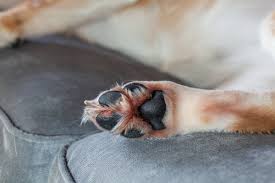
- How to apply: Soak the dog in the tub for exactly ten minutes, pouring the milky water constantly over their back and flanks.
- The biological benefit: Instantly neutralizes painful skin pH levels and seals in critical topical moisture.
2. Chamomile and Green Tea Paw Baths
Chamomile and green tea possess incredible natural anti-inflammatory and cooling properties that work wonders on angry, red skin. Steeping these plain teas and allowing the liquid to completely cool creates a highly effective, deeply soothing paw bath. This specific remedy is especially brilliant for dogs suffering from raw, irritated skin located directly between the toe webbing.
- How to apply: Fill a small plastic basin with the cooled tea and calmly soak the affected paws for five full minutes.
- The biological benefit: Rapidly shrinks swollen local tissues and physically washes away microscopic outdoor allergens.
Consider a suburban family dealing with a frantic Terrier mix that aggressively chewed his paws every single evening after dinner. The owners wrongly assumed it was a sudden food allergy and spent hundreds of dollars rotating through expensive specialty kibbles. The true culprit was the harsh chemical weedkiller recently sprayed by the neighborhood landscaping crew; implementing a simple, daily green tea paw soak completely stopped the frantic chewing within three days.
🚨 Vet Fact: A dog licking their paws completely raw is very frequently misdiagnosed as an environmental allergy when it is actually an intense canine stress response. Chronic anxiety, profound boredom, and lack of exercise frequently manifest as obsessive-compulsive licking, which releases soothing endorphins but ultimately destroys the delicate skin barrier.
3. Plain, Sugar-Free Yogurt (Internal Support)
Brilliant, healthy skin always starts directly inside the canine gut microbiome. Feeding a small daily spoonful of plain, unsweetened, unflavored yogurt introduces massive amounts of beneficial bacteria into the digestive tract. This active gut flora naturally fights off the systemic, internal yeast infections that cause chronic, full-body itching.
- How to apply: Add one tablespoon directly to their evening kibble, ensuring there are absolutely no artificial sweeteners like Xylitol present.
- The biological benefit: Perfectly balances internal flora to permanently stop yeast-driven skin conditions from the inside out.
4. The 50/50 Apple Cider Vinegar Spray
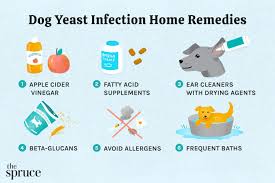
Raw, unfiltered apple cider vinegar is a powerful, natural astringent that creates a highly hostile pH environment for invasive yeast and bacteria. Diluting it heavily with purified water creates a safe, highly effective spray for targeting localized hot spots or smelly paws. It completely neutralizes alkaline odors on contact and physically breaks down sticky yeast barriers.
- How to apply: Mix exactly equal parts distilled water and raw vinegar, misting it lightly onto unaffected, simply itchy skin.
- The biological benefit: Safely resets the skin’s acidic mantle, making it entirely inhospitable to microscopic fungal growth.
Take the case of an older Golden Retriever suffering from severe, seasonal dry skin every winter the moment the indoor central heaters kicked on. Her flanks were entirely covered in thick, white dandruff flakes that made her visibly miserable and restless all night long. Once the owners started brushing a small scoop of melted coconut oil through her heavy coat twice a week, the flaking vanished entirely, and she finally started sleeping peacefully again.
🐾 Snoutbit Pro-Tip: Keep a specialized package of hypoallergenic, unscented canine grooming wipes directly next to the front door at all times. Wiping a dog’s paws, belly, and armpits the exact second they step back inside physically removes 90% of outdoor allergens before a reaction can even begin.
5. Cold-Pressed Coconut Oil Massages
When a dog’s skin is visibly flaking like a snowstorm, deep, intensive moisturization is absolutely mandatory. Pure, unrefined coconut oil is packed heavily with lauric acid, which acts as a fantastic natural antibacterial and antifungal agent. Massaging this rich oil deeply into a dog’s coat successfully penetrates the damaged hair follicles completely down to the root.
- How to apply: Melt a small amount in warm hands and deeply massage it into the dry, flaking skin areas.
- The biological benefit: Intensely hydrates severe flaking while naturally repelling external environmental parasites.
6. Epsom Salt Soaks for Paws
Epsom salt is a globally recognized, incredibly powerful remedy for pulling out deeply embedded swelling and drawing out localized toxins. For dogs that have stepped on sharp thistles, suffered painful bee stings, or walked on rough, hot pavement, a targeted Epsom soak works absolute wonders. It heavily increases local blood circulation and rapidly speeds up the body’s natural cellular healing process.
- How to apply: Dissolve one cup of pure salt in a gallon of warm water and soak the affected paws for ten minutes.
- The biological benefit: Rapidly relieves deep muscular aches and superficial paw pad tissue swelling.
🚨 Vet Fact: While diluted apple cider vinegar is fantastic for intact, slightly itchy skin, it acts exactly like burning battery acid on broken tissue. Never, under any circumstances, apply any vinegar solution to a raw, weeping hot spot or a cracked paw pad, as it will cause immediate, excruciating pain.
7. The Localized Baking Soda Paste
When dealing with a highly specific, extremely localized bug bite or a tiny garden rash, standard baking soda acts as a brilliant, immediate acid neutralizer. Mixing baking soda with a tiny splash of plain water creates a thick, cooling paste that adheres directly to the fur. Applying this thick paste directly to an angry red bump rapidly dries out the painful irritation in a matter of minutes.
- How to apply: Leave the thick paste directly on the specific itchy spot for twenty minutes, then gently wipe it away with a damp cloth.
- The biological benefit: Instantly stops the burning, intense sensation associated with sudden insect bites and mild plant stings.
When Home Remedies Fail: Spotting Danger
Natural home remedies are strictly designed for mild, environmentally driven irritation and occasional dry skin. Relying solely on a home remedy when a dog is actively suffering from a severe medical issue borders on deep medical neglect.
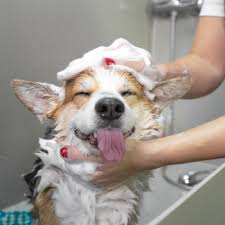
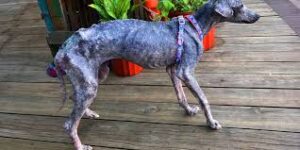
If the dog’s skin turns aggressively black, thickens like a rough elephant’s hide, or begins oozing yellow and green discharge, all DIY treatments must stop immediately. These glaring visual markers indicate a massive, secondary staph infection running rampant across the skin’s broken barrier. Deep bacterial infections completely ignore oatmeal baths and absolutely require heavy, prescription antibiotics to safely and effectively resolve.
What To Do Next
Ready to immediately stop the frantic scratching and grant a dog some much-needed physical relief? Take these two simple, immediate steps today:
- Deploy the Sock Strategy: If a dog is obsessively chewing their paws raw right now, slide clean baby socks over their feet and secure them loosely with medical tape. This immediately breaks the physical licking cycle and protects the delicate paw pads while the home remedies are being prepared.
- Run the Lukewarm Bath: Go to the local pharmacy, purchase a box of 100% pure colloidal oatmeal, and draw a perfectly lukewarm bath. Getting the dog’s core body temperature down and soaking the inflamed skin is the fastest, safest way to hit the biological reset button on an allergic reaction.
Disclaimer: The content on Snoutbit.com is for informational and educational purposes only and is not intended to replace professional veterinary advice, diagnosis, or treatment. Always consult with your veterinarian before making significant changes to your dog’s diet, exercise routine, or health regimen.