Key Takeaways
- The Physical Weight of Grief: Canine sorrow is not merely psychological; it manifests in severe, visible physical distress, including drastic changes in respiration and heart rate.
- The Olfactory Goodbye: Bringing a bonded dog to a gravesite can provide critical closure, allowing their powerful noses to process a sudden absence.
- Biological Empathy: The viral “crying” phenomenon often involves a physiological response called reverse sneezing, which is frequently triggered by extreme, sudden emotional stress.
- The Healing Process: Dogs experiencing acute mourning require months of absolute routine and immense environmental stability to successfully recover.
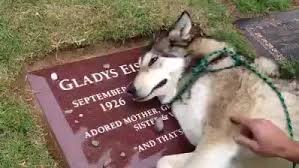
The cold cemetery wind whipped across the freshly turned soil, but the massive, thick-coated dog absolutely refused to move. He pressed his heavy snout incredibly deep into the damp earth, his entire body shaking violently with rhythmic, agonizing spasms. He let out a sharp, breathless gasp that sounded exactly like a human sobbing, his eyes squeezed tightly shut against the bitter afternoon chill.
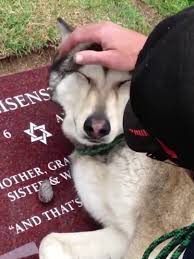
Millions of people across the globe watched the devastating, fifteen-second clip on their smartphones, completely shattered by the raw display of animal sorrow. He wasn’t just lying on the grass; he was physically heaving, his broad shoulders rising and falling with overwhelming, uncontrollable grief. The heavy granite headstone above him belonged to his favorite person in the entire world, and his shattered heart was actively breaking in front of the camera.
The Deafening Silence of an Empty Home
Before the heartbreaking cemetery visit, the faithful dog had spent two excruciating weeks trapped in a confusing, agonizing purgatory. His beloved owner, a gentle woman who had hand-raised him from a tiny, clumsy puppy, had suddenly vanished from the house without any warning. Dogs possess absolutely no capacity to understand the complex, abstract human concepts of hospitals, terminal illness, or sudden mortality.
To a highly bonded canine, a sudden absence is incredibly terrifying, completely triggering their deepest biological abandonment fears. He had spent fourteen days aggressively pacing the hardwood floors, his heavy nails clicking frantically as he checked every single room for her familiar scent. He completely stopped eating his favorite kibble, staring blankly at the front window while letting out a series of low, sorrowful whimpers.
His family watched helplessly as the once-vibrant, energetic animal rapidly deteriorated into a depressed, severely lethargic shell. They realized that simply telling him she was gone was entirely impossible; he needed absolute, tangible proof to stop the endless, torturous waiting. Making the difficult decision to bring him directly to the cemetery was a desperate attempt to offer his deeply confused mind some semblance of closure.
Processing Loss Through Scent
When the family vehicle finally pulled through the wrought-iron gates of the local cemetery, the dog’s demeanor instantly and violently shifted. Canines navigate their entire universe primarily through their incredibly advanced olfactory system, which is tens of thousands of times more sensitive than a human’s nose. The moment he stepped onto the damp grass, he immediately caught the incredibly faint, lingering scent of his beloved owner mixed with the disturbed earth.
He didn’t need to be verbally guided or led by his heavy nylon leash to the exact location of her resting place. He pulled with frantic, desperate strength, dragging his heartbroken family directly toward the freshly covered gravesite. The moment he reached the specific plot of dirt, his legs simply gave out beneath him, collapsing heavily onto the damp soil.
This is the exact, visceral moment the viral video captured, freezing his immense pain in time for the entire world to witness. He buried his wet nose entirely into the dirt, inhaling deeply to capture the very last remaining chemical traces of his vanished pack leader. His brain was finally processing the tragic reality that she was physically there, but she was never, ever coming home.
Snoutbit Tip: Understanding Canine Grief and Reverse Sneezing
What Was Happening in the Video? Many viewers passionately debated whether the dog was actually crying human-like tears or simply suffering from a sudden respiratory condition. From a strict veterinary behavioral standpoint, the dog was likely experiencing an intense bout of “reverse sneezing” (paroxysmal respiration) triggered directly by severe acute stress.
The Biological Trigger: When a dog experiences a massive, sudden spike in cortisol and overwhelming emotional distress, their breathing patterns become severely erratic. This extreme emotional arousal can cause sudden spasms in the soft palate, leading to the rapid, forceful inhalations that sound exactly like heavy human sobbing.
Why It Matters: Whether it is classified clinically as a respiratory spasm or emotional weeping, the root cause remains entirely the same: profound, visceral grief. The dog’s central nervous system was completely overwhelmed by the traumatic reality of the gravesite, proving that canine mourning is a deeply physical, agonizing experience.
The Danger of Anthropomorphism
When a deeply emotional video goes viral, the internet is remarkably quick to apply complex human emotions to animal behaviors. While scientists strictly caution against anthropomorphism—projecting human characteristics onto animals—the reality of canine grief is undeniable. Veterinary behaviorists completely agree that dogs form profound, deeply chemical attachments to their human handlers that rival the intensity of a human child.
The severe distress displayed by the dog on the grave was a textbook manifestation of acute separation anxiety and catastrophic environmental loss. He wasn’t crying out of a complex philosophical understanding of human death; he was reacting to the violent severing of his primary biological lifeline. The sheer panic of losing his absolute source of safety, food, and affection caused a massive, highly visible neurological breakdown.
Dismissing his behavior as a mere physiological quirk entirely undermines the breathtaking depth of the human-canine bond. They may not shed salty tears exactly the way human beings do, but their hearts absolutely shatter under the exact same crushing weight of sudden grief. The dog on the grave was experiencing the absolute darkest depths of loss, rendered completely helpless by a world he could no longer understand.
The Slow, Agonizing Road to Recovery
Leaving the cemetery that afternoon was one of the most difficult, heartbreaking tasks the grieving family had ever faced. The heavy dog absolutely refused to stand up, forcing two adult men to physically carry his limp, exhausted body back to the waiting vehicle. However, that incredibly painful visit served a highly crucial, biological purpose for his spiraling mental health.
The frantic, relentless pacing by the front door completely stopped the very next morning. He finally understood that he no longer needed to wait for the familiar sound of her car pulling into the concrete driveway. He transitioned from a terrifying state of panicked searching into a deeply quiet, lethargic state of mourning, which is the first necessary step toward actual healing.
Healing a shattered canine heart requires incredibly immense patience and an absolute, unwavering daily routine. His family had to meticulously maintain strict feeding schedules and heavily encourage gentle, low-stress neighborhood walks to slowly lower his elevated cortisol levels. They offered him her unwashed, faded sweaters to sleep on, providing vital olfactory comfort during the darkest, most terrifying hours of the lonely night.
A Testament to Unconditional Devotion
Months after the viral video faded from the chaotic social media news cycles, the faithful dog slowly began to truly live again. The devastating, crushing weight of his initial grief eventually softened into a quiet, heavily respectful memory. He slowly began wagging his tail when the mail carrier arrived, and he finally resumed aggressively destroying his favorite plush squeaky toys.
He will absolutely always carry a small, invisible scar from the sudden loss of the woman who first taught him what love felt like. But dogs are incredibly resilient creatures, biologically designed to entirely adapt to their immediate environment and forge new, powerful bonds to survive. He heavily leaned on the remaining members of his human family, gracefully transferring his fierce, unwavering loyalty to the people who actively guided him through the darkness.
His incredibly famous, tear-jerking moment on the freshly turned dirt will forever remain a profound, undeniable testament to the sheer power of canine devotion. It forces us to heavily reckon with the incredible emotional intelligence of the animals we casually invite into our living rooms. They absolutely love us with a terrifying, breathtaking intensity, and when we leave them behind, they mourn us with every single fiber of their being.
FAQ: Helping a Dog Cope with Loss
Do dogs actually understand when their owner or a companion pet dies? Dogs do not understand the permanence or abstract concept of death, but they are acutely aware of sudden absence and severe environmental changes. They can literally smell the complex chemical changes associated with illness or passing, and they deeply feel the emotional devastation of the surviving family members. Taking a dog to view a deceased companion can sometimes help them process the biological reality of the absence, preventing endless, frantic searching.
How long does a dog typically grieve a major loss? There is absolutely no strict timeline for canine mourning, as recovery depends entirely on the dog’s unique temperament and the depth of the severed bond. Some highly resilient dogs adjust within a few short weeks, while more sensitive breeds may exhibit clinical depression and lethargy for six months to a year. Immense patience, environmental predictability, and gentle encouragement are absolutely required.
Should I quickly get another pet to comfort my grieving dog? Absolutely not. Introducing a chaotic, high-energy new puppy into a household that is actively mourning can cause massive, dangerous behavioral setbacks. A grieving dog’s heavily taxed nervous system cannot handle the intense stress of establishing a brand-new pack hierarchy. Wait until your dog has fully returned to their normal baseline behaviors before even considering adding a new animal to the family.
Disclaimer: The content on Snoutbit.com is for informational and educational purposes only and is not intended to replace professional veterinary advice, diagnosis, or treatment. Always consult with your veterinarian before making significant changes to your dog’s diet, exercise routine, or health regimen.