Key Takeaways
- The Power of Pack Bonds: Traumatized rescue dogs can form intensely deep, fiercely protective attachments to the most vulnerable members of a household.
- Canine Threat Detection: A dog’s highly sensitive olfactory system can detect the chemical composition of smoke long before a digital alarm triggers.
- Overcoming Breed Stigma: The deeply ingrained instinct to protect and nurture can completely override a dog’s biological self-preservation, regardless of their breed.
The blistering heat instantly warped the plastic blinds, sending a shower of molten drops onto the nursery carpet. Thick, suffocating black smoke rolled across the ceiling like an angry, living tidal wave, rapidly pulling oxygen from the room. Sasha, an eight-month-old Pitbull, was violently coughing, her lungs burning with every single desperate intake of the toxic air.
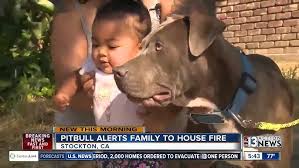
She could easily slip out the shattered screen door in the hallway to the absolute safety of the cool, wet grass. Instead, her ears pinned completely flat against her skull as a terrifying, high-pitched wail pierced through the deafening roar of the flames. The family’s seven-month-old baby was still trapped inside the crib, entirely alone in the suffocating dark.
A Misunderstood Guardian in the Shadows
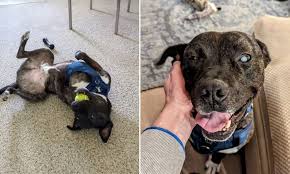
Before the wailing sirens, and long before the ashes, Sasha was just another unwanted, shivering statistic in a concrete county run. Her broad, muscular chest and blocky head made her an immediate target for fearful glares and hushed, cruel whispers. When her adoptive family walked her around the suburban block, neighbors would aggressively cross the street, pulling their golden retrievers tight against their legs.
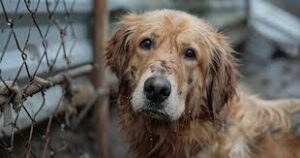
She had spent her early puppyhood severely neglected, chained to a rusted car bumper in a junk-filled, barren yard. When her new family finally rescued her, she suffered from profound kennel stress and severe generalized anxiety. She would cower violently if someone simply dropped a set of car keys, her muscular body trembling like a fragile, broken leaf.
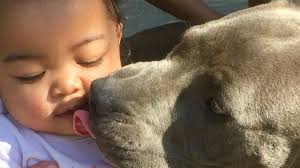
Yet, the exact moment they brought their newborn daughter home from the hospital, a powerful biological shift occurred in the traumatized dog. Sasha stationed her heavy body beneath the wooden crib, refusing to sleep anywhere else, her breathing perfectly syncing with the infant’s tiny chest. She had finally found her permanent pack, and her loyalty was an absolute, silent vow that she was about to fiercely honor.
When the Walls Caught Fire
It happened just after midnight on a quiet, freezing Sunday, sparked by a faulty electrical wire buried deep inside the drywall. The family awoke to the terrifying, shrill scream of smoke detectors and a house rapidly filling with blinding, chemical soot. Confusion and sheer, paralyzing panic consumed the parents as they stumbled blindly through the pitch-black, suffocating hallway.
The father smashed a first-floor window with a lamp, desperately dragging his disoriented wife out onto the wet front lawn to catch a breath. They turned back around to grab the baby, but a massive, roaring wall of orange flames had already swallowed the main wooden staircase. The searing heat was physically repelling them, melting the paint off the exterior siding and violently blowing out the glass windows.

Inside the raging inferno, Sasha was completely loose on the second floor, her raw survival instincts screaming at her to flee. Dogs have an intense, hardwired biological imperative to escape extreme heat and smoke, avoiding fire at absolutely all costs to survive. But the terrifying, gasping cries coming from the nursery completely overrode millions of years of evolutionary self-preservation.
Snoutbit Tip: Understanding Canine Olfactory Response to Fire
What happens to a dog during a fire? A dog’s olfactory system is tens of thousands of times more sensitive than a human’s, making smoke inhalation incredibly painful and instantly disorienting. The toxic chemicals in house fires rapidly strip the moisture from their nasal cavities, inducing immediate hypoxia and severe panic.
The “Flight vs. Pack” Conflict: Biologically, a dog’s central nervous system is hardwired to flee from the smell of burning accelerants. However, in highly bonded dogs, the maternal or pack-protection instinct can trigger a massive adrenaline dump. This chemical surge temporarily suppresses their pain receptors, allowing them to perform complex rescue tasks while enduring horrific physical trauma.
Breaking the Instinct to Flee
Sasha dropped her belly completely flat against the scorching floorboards, army-crawling beneath the thickest, deadliest layer of the toxic black smoke. The fur on her back began to aggressively singe and curl, filling the air with the sickening smell of burning hair. She violently shoved her heavy, blocky head against the nursery door, forcing it open just enough to squeeze her broad shoulders through.
The baby was thrashing in the crib, coughing violently as the room’s oxygen levels dangerously plummeted toward zero. Sasha stood on her hind legs, her front paws gripping the hot wooden railing, her amber eyes watering from the blistering heat. She didn’t hesitate, and she didn’t look back toward the open, safe window at the opposite end of the hall.
She reached over the railing, her powerful, often-misunderstood jaws opening incredibly wide. With terrifying precision and unimaginable gentleness, she clamped her sharp teeth firmly onto the thick, absorbent fabric of the baby’s diaper. She pulled backward with all her muscular strength, safely dragging the heavy infant out of the crib and onto the floor.
A Desperate Drag to the Front Door
The roaring flames had officially breached the nursery ceiling, dropping burning, heavy debris directly onto the dog’s sensitive, unprotected back. Sasha ignored the excruciating physical pain, keeping an iron-clad grip on the diaper as she dragged the crying baby toward the staircase. Her paw pads were severely blistering on the superheated floorboards, leaving bloody, blackened paw prints in her agonizing wake.
She navigated the blinding, smoke-filled hallway entirely by memory, pulling the heavy infant step by agonizing step down the smoldering stairs. Outside, the hysterical parents were being physically restrained by the first arriving firefighters, screaming uncontrollably that their child was burning. The structural integrity of the roof was violently failing, and the fire chief was mere moments away from calling off any interior rescue.
Suddenly, a loud, heavy thud echoed from the front door, followed by a frantic, rhythmic scratching against the burning wood. A firefighter kicked the smoldering door inward, expecting to see a falling support beam or a collapsing wall. Instead, he dropped heavily to his knees in absolute disbelief at the impossible, breathtaking sight waiting on the burning threshold.
The Heartwarming Resolution
Sasha collapsed onto the wet concrete of the porch, her exhausted jaw finally releasing the soot-covered, perfectly unharmed baby. The muscular dog was completely drained, her chest heaving violently, her once-beautiful coat covered in severe, agonizing burns. The paramedics rushed forward, aggressively scooping up the crying infant while a firefighter gently laid a specialized oxygen mask over Sasha’s soot-stained snout.
The mother fell to the damp grass, clutching her baby tightly to her chest, sobbing uncontrollably into the infant’s dirty blanket. She looked over at the battered, burned Pitbull receiving emergency, life-saving medical care on the flooded driveway. The dog that the neighborhood had cruelly and unfairly labeled a monster had just sacrificed her own body to save their entire world.
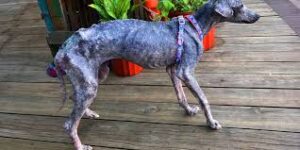
Today, Sasha proudly bears the permanent, hairless scars of that horrific night across her broad back and sensitive paws. Those thick scars are deeply revered by her family, worn like honorable, living medals of unimaginable courage and profound love. She sleeps every single night directly at the foot of a toddler’s bed, an unbreakable guardian who proved that true loyalty is entirely blind to breed.
FAQ: Dogs in Emergency Situations
Can a dog sense a house fire before a smoke alarm goes off? Yes. A dog’s highly advanced olfactory receptors can detect the microscopic chemical changes of smoldering wires or burning plastic long before the smoke is thick enough to trigger a digital ceiling alarm. Many dogs will exhibit extreme pacing, frantic whining, or aggressive face-licking to wake their sleeping owners during the earliest stages of a fire.
Why do some dogs rescue their owners while others run away? During a traumatic event, a dog’s reaction depends heavily on their individual nervous system and their established “fight, flight, or freeze” response. Running away is a completely natural, biological survival instinct and is never a reflection of a dog’s love for their family. Dogs that perform rescues are often experiencing a massive adrenaline override fueled by deep maternal or pack-guarding instincts.
How do you treat a dog for severe smoke inhalation? If a dog escapes a fire, they must be taken to an emergency veterinary clinic immediately, even if they appear totally fine. Smoke inhalation causes delayed, severe swelling in the airway and dangerous fluid buildup in the lungs that can be fatal hours later. Vets will administer pure oxygen therapy, intravenous fluids, and specialized medications to protect the dog’s compromised respiratory system.
Disclaimer: The content on Snoutbit.com is for informational and educational purposes only and is not intended to replace professional veterinary advice, diagnosis, or treatment. Always consult with your veterinarian before making significant changes to your dog’s diet, exercise routine, or health regimen.