At what age do small breed dogs stop growing? Small and toy breeds typically reach their full adult height between 8 and 10 months of age, and completely finish filling out their weight by 12 months. Unlike massive breeds that take over two full years to finish growing, a small dog hits physical maturity incredibly fast. The biggest takeaway is that this rapid timeline requires owners to switch from puppy food to adult food much sooner to prevent severe obesity. Recognizing this physical finish line is critical for perfectly timing nutritional changes, managing behavioral expectations, and making informed surgical decisions.
Here is a clear breakdown of how a small dog’s body develops from puppyhood to adulthood.
The Small Breed Growth Mind Map
- The Upward Phase: Skeletal height is usually completely set by 8 to 10 months.
- The Filling Out Phase: Muscle mass and chest width continue developing until 12 to 14 months.
- The Metabolic Shift: Caloric burn rates drop dramatically the moment skeletal growth stops.
- The Behavioral Lag: Physical maturity happens months before emotional and behavioral maturity arrives.
3 Advanced Growth Insights Most Owners Miss
Generic pet advice often treats all dogs identically, assuming a generic one-year growth marker for every single breed. Elite canine behaviorists and physical conditioning experts know that small dogs operate on a totally unique biological clock.
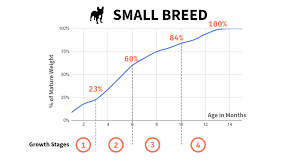
- The Growth Plate Illusion: A small dog might look like a fully grown adult at seven months, but their growth plates (the soft tissue at the ends of long bones) are still actively hardening. High-impact activities, like jumping off tall human beds or repetitive stair climbing, can still cause permanent orthopedic damage during this invisible hardening phase.
- The Neutering and Hyperactivity Myth: Many owners with hyperactive small dogs rush to neuter them at six months, assuming it will cure the “crazy” behavior and calm them down as they hit adult size. In reality, neutering removes reproductive hormones but does absolutely nothing to lower a dog’s baseline energy levels or cure boredom-induced hyperactivity.
- The Chest Drop: Small breeds often experience a distinct “chest drop” long after they stop getting taller. Between 10 and 14 months, the ribcage expands outward, making harnesses suddenly feel tight and giving the dog a much sturdier, adult appearance.
🚨 Vet Fact: While early spaying and neutering can severely alter the skeletal growth of large breeds, small dogs are at a much lower risk for these specific orthopedic delays. However, waiting until the growth plates are fully closed (around 10 months for small breeds) ensures their tiny skeletal structures harden exactly as genetics intended.
The Month-by-Month Small Breed Timeline
Understanding exactly what happens inside a tiny dog’s body prevents feeding errors and behavioral frustrations. This biological timeline dictates exactly how to manage a growing small breed.
Birth to 3 Months: The Explosive Phase
During this window, a small breed puppy undergoes massive, explosive growth, often doubling their weight in just weeks. Their bodies require immense amounts of calcium, fat, and protein to support this rapid skeletal elongation. This is also the most critical period for environmental socialization, as their brains are acting like tiny sponges.
4 to 6 Months: The Awkward Teenager
This is when owners notice the puppy looking slightly disproportionate, perhaps with legs that seem slightly too long for their body. Upward growth begins to slightly decelerate, but energy levels usually skyrocket to their absolute peak. Teething is completely finishing up, meaning adult teeth are fully setting into the jawbone.
Consider a family struggling with an insanely hyperactive Jack Russell Terrier mix. They were completely convinced the dog was suffering from a behavioral disorder because he never stopped sprinting across the furniture at six months old. They scheduled a neuter surgery hoping it would finally calm his frantic pacing. The surgery successfully eliminated his marking behaviors, but the daily hyperactivity only subsided months later when the owners introduced strict, rigorous daily scent-work games to drain his active terrier brain.
🐾 Snoutbit Pro-Tip: Measure a dog’s height accurately by feeling for their “withers,” which is the highest point of their shoulder blades just behind the base of the neck. Tracking this measurement monthly with a soft tape measure provides a concrete visual of when upward growth officially halts.
7 to 9 Months: Reaching Maximum Height
By this specific window, the vast majority of toy and small breeds have reached their final adult height. The rapid upward stretching halts, and the skeleton begins its final hardening process. The dog may still look slightly lean or “lanky” because they have not yet built up their final adult muscle mass.
10 to 12 Months: The Final Fill-Out
This is the final stage of small breed physical development. The dog will likely gain a final pound or two as their chest broadens, their neck thickens, and their muscles fully define. By the one-year mark, the dog is officially a fully grown, physically mature adult canine.
Physical Maturity vs. Behavioral Maturity
A massive point of confusion for families is assuming that a dog stopping physical growth means they will simultaneously stop acting like a wild puppy. Physical maturity and behavioral maturity are two completely different timelines. A small dog might reach adult size at nine months but retain frantic puppy energy until they are two years old.

When an adolescent dog is acting excessively “crazy” or hyperactive, owners desperately look for quick fixes. As mentioned earlier, surgical alteration is highly unlikely to solve a deep-seated energy issue. If a small breed is physically fully grown but still bouncing off the walls, the issue is almost always a lack of focused mental stimulation.
A physically mature small dog still possesses powerful genetic drives. A fully grown Yorkshire Terrier was bred to hunt vermin, while a fully grown Miniature Pinscher was bred to act as an alert watchdog. Ignoring these hardwired genetic desires creates deeply frustrated dogs that act out with endless pacing, demand barking, and destructive chewing.
🚨 Vet Fact: Removing testosterone via neutering can sometimes drastically lower a male dog’s confidence levels. If a small dog’s hyperactivity is actually rooted in fear and anxiety, removing those confidence-boosting hormones can occasionally make the frantic, reactive behavior noticeably worse.
The Dietary Transition: Avoiding the Fat Trap
The exact moment a small dog stops growing upward, their internal metabolic rate drops significantly. Continuing to feed calorie-dense puppy food past the 10-month mark is the single fastest way to create a severely obese dog. Small dogs have very little physical room for error when it comes to excess weight.
Gaining just two extra pounds on a ten-pound frame is the equivalent of a human gaining thirty pounds. This excess weight crushes their tiny joints, heavily exacerbates collapsing trachea issues, and significantly shortens their overall lifespan. Transitioning to a high-quality adult maintenance formula must happen right as upward growth ceases.
Take the case of a rescue Chihuahua mix whose well-meaning owner kept a bowl full of rich puppy kibble available all day long. Because the dog stopped growing taller at eight months, those extra daily calories immediately turned into a thick layer of fat across his ribs. It took six grueling months of strictly measured portion control and hydrotherapy to safely strip the dangerous weight off his tiny frame.
🐾 Snoutbit Pro-Tip: Small breeds are highly prone to severe dental disease due to their crowded jaw structures. When transitioning to an adult diet, incorporate raw, meaty bones or high-quality dental chews to naturally scrape plaque off their teeth while burning mental energy.
Managing the Fully Grown Tiny Dynamo
Once a small breed is fully grown, their physical exercise routine must shift from gentle puppy play to structured adult conditioning. Just because they have short legs does not mean they only require a ten-minute walk. Healthy, fully grown small breeds make exceptional hiking companions and agility competitors.

Instead of trying to walk the “crazy” out of a hyperactive small dog, focus entirely on biological fulfillment. Teach them complex tricks, enroll them in local earth-dog trials, or build miniature agility courses in the living room. Tiring out their incredibly sharp minds will always yield a much calmer housemate than simply running their tiny legs into the ground.
What To Do Next
Ready to properly support a small breed dog as they cross the finish line into adulthood? Take these two exact steps today:
- Perform a Rib Check: Stand above the dog and gently run both hands down their ribcage. If the individual ribs cannot be easily felt without pressing through a thick layer of padding, instantly reduce their daily adult food portions by ten percent.
- Ditch the Traditional Food Bowl: Force the dog to work for their daily calories by tossing their kibble into a snuffle mat or packing it into an interactive puzzle toy. This actively drains a hyperactive dog’s mental energy, replacing frantic pacing with quiet, focused foraging behavior.
Disclaimer: The content on Snoutbit.com is for informational and educational purposes only and is not intended to replace professional veterinary advice, diagnosis, or treatment. Always consult with your veterinarian before making significant changes to your dog’s diet, exercise routine, or health regimen.