Want a big dog but suffer from severe pet allergies? The biggest takeaway is this: no dog is 100% hypoallergenic, but specific large breeds grow hair instead of fur, which drastically reduces airborne dander. The ultimate large breed for allergy sufferers is the Standard Poodle. They produce significantly less dander and trap whatever they do produce tight against their skin within their dense curls. Getting a large, low-shedding dog means trading the daily vacuuming routine for a strict, professional grooming schedule.
Choosing the right allergy-friendly giant requires understanding exactly how their coats function.
3 Advanced Allergy Insights Most Owners Miss
Generic advice simply hands out a list of “doodle” mixes and ignores the actual mechanics of canine allergies. True breed experts evaluate hypoallergenic traits on a much deeper level.
- The “Furnishings” Gene: A dog’s shedding level is often dictated by the RSPO2 gene, responsible for “furnishings” like wiry beards and bushy eyebrows. Breeds possessing this specific genetic marker are biologically predisposed to lower shedding rates.
- Dander vs. Saliva Triggers: Many owners mistakenly blame fur for their red eyes, when the actual trigger is the Can f 1 protein found in dog saliva. An allergy-friendly coat will not help a family if they adopt a breed prone to heavy drooling and constant licking.
- The 12-Month Coat Blowout Trap: Hypoallergenic breeds experience a brutal transition phase around one year of age. The soft puppy coat begins falling out and gets trapped instantly in the incoming coarse adult hair, creating massive, painful mats that trap allergens against the skin.
🚨 Vet Fact: Regular bathing with a high-quality oatmeal or medicated shampoo physically washes away accumulated dander and environmental allergens trapped in a curly coat. However, over-bathing strips essential skin oils, leading to dry skin flakes that can actually trigger worse allergic reactions.
The Hypoallergenic Large Breed Overview Table
| Breed | Grooming Frequency | Energy Level | Best Household Fit |
|---|---|---|---|
| Standard Poodle | Every 4-6 weeks | High | Active families wanting high trainability. |
| Giant Schnauzer | Every 6-8 weeks | Very High | Experienced owners needing a loyal guardian. |
| Airedale Terrier | Every 6-8 weeks | High | Homes with older kids and large fenced yards. |
| Bouvier des Flandres | Every 6-8 weeks | Moderate | Families wanting a calm, rugged protector. |
| Afghan Hound | Daily brushing | High | Quiet homes willing to do intense coat care. |
| Irish Water Spaniel | Every 6-8 weeks | Very High | Avid hikers, swimmers, and outdoorsmen. |
| Black Russian Terrier | Every 6-8 weeks | Moderate | Owners seeking a massive, serious watch dog. |
Export to Sheets
The Top 7 Allergy-Friendly Giant Breeds
1. The Standard Poodle
Often misunderstood as simply a decorative show dog, the Standard Poodle is actually a robust, athletic water retriever. Their dense, curly coats are the gold standard for allergy sufferers because they tightly grip shedding hair and dander. They require rigorous mental stimulation to prevent anxiety and destructive chewing inside the house.
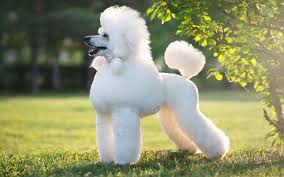
- Allergy Profile: Excellent. Tightly coiled hair stops dander from becoming airborne.
- Maintenance Level: Very High. Requires daily line-brushing down to the skin.
- Training Needs: Extremely biddable but easily bored by repetitive drills.
2. The Giant Schnauzer
Bred as a formidable driving dog for cattle, this breed is an imposing figure with a famously wiry, weather-resistant double coat. They shed minimally, but their dense fur requires regular hand-stripping or clipping to maintain its protective texture. They are fiercely territorial and require an owner completely dedicated to early, consistent socialization.
- Allergy Profile: Great. Wiry outer coat contains shedding effectively.
- Maintenance Level: High. The iconic beard requires daily wiping to remove food debris.
- Training Needs: Requires firm, confident leadership and a clear daily job.
Consider a suburban family whose youngest son suffered from severe asthma and dander allergies. They brought home a Giant Schnauzer to serve as both a companion and a home deterrent. Within weeks, the parents realized the boy was still reacting, not to shedding, but to the dog affectionately licking his face. By teaching the Schnauzer a strict “no lick” command and substituting kisses with leaning for affection, the allergic reactions stopped completely.
🐾 Snoutbit Pro-Tip: Invest in a high-velocity dog dryer for home grooming. Blowing out the coat before running a brush through it separates the hair down to the skin, safely ejecting loose dander outside rather than onto the living room rug.
3. The Airedale Terrier
Known globally as the “King of Terriers,” the Airedale is the largest of the terrier group and boasts a dense, wiry coat that produces very little debris. They are incredibly spirited, highly intelligent, and possess a strong prey drive. Families must commit to serious obedience training to manage their natural instinct to chase small animals.
- Allergy Profile: Very Good. Broken coat texture keeps loose hair trapped.
- Maintenance Level: Moderate to High. Needs professional grooming every two months.
- Training Needs: Responds best to dynamic, game-based positive reinforcement.
4. The Bouvier des Flandres
This rugged cattle herder looks like a walking storm cloud but offers a surprisingly calm and steady indoor temperament. Their rough, tousled coat is an excellent dander trap, making them a fantastic choice for allergy-sensitive homes. They are notoriously strong-willed and will happily ignore commands if they feel their owner lacks authority.
- Allergy Profile: Great. Thick coat holds onto loose dead hair securely.
- Maintenance Level: Very High. Their coat acts like a velcro trap for leaves and mud.
- Training Needs: Requires patient, incredibly consistent boundary setting.
Take the case of a first-time Bouvier owner living in an apartment. Around the dog’s first birthday, the owner almost surrendered the pet out of sheer frustration because the coat was turning into a solid sheet of painful mats overnight. A veteran groomer stepped in, explaining the dreaded “coat transition” phase. Once the owner learned proper line-brushing techniques to remove the trapped puppy fluff, the matting ceased, and the apartment remained entirely hair-free.
🚨 Vet Fact: Heavily coated breeds like the Bouvier and Black Russian Terrier are highly susceptible to hidden skin infections. Because their dense hair blocks airflow to the skin, a small scrape or hot spot can quickly become severely infected before an owner ever notices it.
5. The Afghan Hound
Famous for an elegant, flowing mane, the Afghan Hound actually grows fine hair that behaves very similarly to human hair. They shed surprisingly little, but maintaining that silky coat requires hours of weekly brushing to prevent debilitating tangles. They are highly independent, somewhat aloof with strangers, and possess explosive running speed.
- Allergy Profile: Good. Produces low dander but requires immaculate upkeep.
- Maintenance Level: Extreme. Daily brushing and frequent baths are mandatory.
- Training Needs: Highly independent thinkers; recall training is notoriously difficult.
6. The Irish Water Spaniel
This rare breed looks somewhat like a robust Poodle mix, sporting a tightly curled liver-colored coat and a distinct, smooth “rat tail.” They are exceptional swimmers with a water-repellent double coat that sheds very minimally. They thrive in highly active homes and need vigorous daily exercise to prevent severe behavioral issues.
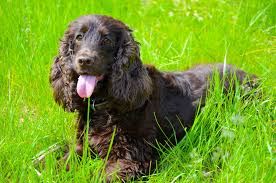
- Allergy Profile: Excellent. Tight curls keep shedding completely localized.
- Maintenance Level: High. Regular trimming is needed to prevent the curls from cording.
- Training Needs: Enthusiastic learners who excel in agility and retrieval sports.
7. The Black Russian Terrier
Created by the military for cold-weather guarding, the Black Russian Terrier is a massive, incredibly powerful dog with a tousled double coat. They are deeply protective of their families and highly suspicious of strangers by default. While they keep floors entirely free of tumbleweeds, their sheer size means grooming sessions are a major physical workout.
- Allergy Profile: Very Good. Thick texture limits airborne irritants.
- Maintenance Level: High. Requires extensive brushing to manage the thick undercoat.
- Training Needs: Needs advanced obedience and intense, lifelong socialization.
🐾 Snoutbit Pro-Tip: Never shave a double-coated wiry breed like a Schnauzer or Airedale down to the skin with clippers. This permanently alters the coat texture, often causing it to grow back softer, which ironically makes it shed more and trap allergens less effectively.
What To Do Next
Ready to find the perfect large, allergy-friendly dog without relying on unpredictable designer mixes? Take these two exact steps today:
- Schedule an Allergy Trial: Locate a reputable breeder of the specific dog being considered and ask to spend 45 minutes directly interacting with their adult dogs. This exposes sensitive immune systems to the breed’s specific saliva and dander proteins before making a decade-long commitment.
- Price Out Local Groomers: Call three highly-rated grooming salons in the immediate area and ask for quotes on a “full bath and haircut” for a Giant Schnauzer or Standard Poodle. Understanding the recurring monthly cost of a hypoallergenic coat is vital for long-term budgeting.
Disclaimer: The content on Snoutbit.com is for informational and educational purposes only and is not intended to replace professional veterinary advice, diagnosis, or treatment. Always consult with your veterinarian before making significant changes to your dog’s diet, exercise routine, or health regimen.