Want the peace of mind of a guard dog without adding another full-time job to a busy family schedule? The secret is choosing breeds with a natural, independent protective instinct paired with low energy levels and short coats. The ultimate low-maintenance family guard dog is the Bullmastiff. These gentle giants require minimal grooming and prefer snoozing on the couch over running miles, yet possess the sheer size and unwavering loyalty to deter any intruder. Finding the perfect balance between family-friendly affection and serious home security does not have to mean hours of daily training or expensive monthly trips to the groomer.
Here is a quick overview of what makes a dog both a fierce protector and an easy housemate.
The Low-Maintenance Guardian Mind Map
- Core Trait 1: Low Energy Output. Seeks breeds that need less than 45 minutes of daily exercise to prevent destructive behavior.
- Core Trait 2: Wash-and-Go Coats. Prioritizes short, tight fur that requires zero professional grooming and minimal brushing.
- Core Trait 3: Natural Passive Deterrence. Relies on an intimidating physical size or a booming bark rather than aggressive intervention.
- Core Trait 4: Genetic Off-Switch. Thrives on resting indoors with the family pack once the perimeter feels safe.
3 Pro-Level Guard Dog Insights Most Owners Miss
Generic advice often points families toward high-drive working dogs like the Belgian Malinois, which leads to immediate burnout. True canine behavior experts look for very different traits for a family setting.
- Passive Deterrence Triggers: Burglars are deterred by visual and scent cues long before they ever see a dog. Leaving a giant, low-maintenance breed’s XL chew toys or a massive stainless-steel water bowl on the front porch is often enough to make intruders skip a house entirely.
- The Genetic “Off-Switch”: High-drive protection dogs must be actively taught how to relax inside a busy household. In contrast, low-maintenance guard breeds possess a genetic “off-switch” that makes them naturally settle on a rug the moment they step indoors.
- Watch Dog vs. Guard Dog Distinction: Most suburban families actually need a “watch dog” (sounds a booming alarm to alert the family) rather than a true “guard dog” (physically engages a threat). Breeds that rely heavily on a deep, intimidating bark rather than physical apprehension are vastly easier and safer to manage around neighborhood children.
🐾 Snoutbit Pro-Tip: Teach an independent guarding breed the “Place” command early on. It gives them a designated security post where they can quietly observe the home without pacing nervously or getting underfoot during chaotic family dinners.
The Top 7 Breeds for Busy Households
1. The Bullmastiff
Known historically as the “Gamekeeper’s Night Dog,” this breed is pure muscle wrapped in devotion. They are shockingly quiet indoors, rarely barking unless there is a legitimate threat approaching the property. Their short, dense coat needs nothing more than a quick weekly wipe down with a rubber hound glove.
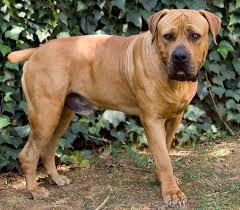
- Family Fit: Highly tolerant of children and content being oversized lap dogs.
- Maintenance Level: Very Low. A 30-minute daily walk is plenty.
- Deterrent Style: Silent intimidation and physical blocking.
Consider a bustling household with three young kids and a rescue Bullmastiff named Brutus. While the kids played loudly in the backyard, Brutus would simply position himself between the children and the fence gate. He never barked needlessly or required commands. His mere presence and strategic positioning provided a silent, impenetrable wall of security.
2. The Boxer
Boxers are the perfect middle ground for families wanting an alert deterrent that also acts as the neighborhood clown. They harbor a natural, healthy suspicion of strangers but melt into puddles of pure affection with their own pack. Grooming is practically non-existent due to their remarkably tight, short coats.
- Family Fit: Energetic and playful, making them great playmates for older kids.
- Maintenance Level: Low-to-Moderate. Requires slightly more exercise to burn off bouncy energy.
- Deterrent Style: Alert barking and an athletic, imposing stance.
🚨 Vet Fact: Large guarding breeds like Mastiffs grow rapidly and are prone to orthopedic issues. Keep their exercise strictly low-impact during their first 18 months to protect developing growth plates and joints.
3. Dogue de Bordeaux (French Mastiff)
Made famous by pop culture, these heavy-set protectors are deeply loyal and form an intense bond with their families. They are incredibly tolerant of children’s daily antics and possess a remarkably high threshold for chaos. Their exercise needs are wonderfully minimal, often fully satisfied with a casual evening stroll around the block.
- Family Fit: Extremely affectionate and famously gentle with toddlers.
- Maintenance Level: Low. Beware of drool, which requires keeping a towel handy.
- Deterrent Style: Massive physical size and a deep, rumbling growl.
4. The Rottweiler
While they look undeniably intimidating to outsiders, well-bred Rottweilers are calm, confident, and highly responsive to basic obedience. Their thick, short coats shed moderately but only require basic weekly brushing to keep the house clean. They offer elite-level protection without the frantic energy of a herding breed.
- Family Fit: Highly trainable, deeply loyal, and protective of their defined pack.
- Maintenance Level: Moderate. Needs consistent, basic obedience routines.
- Deterrent Style: Confident, unyielding presence and a formidable appearance.
Take the case of a suburban family dealing with a frustrating string of local package thefts. They adopted a mature Rottweiler whose only “job” was sunbathing on the front porch during the afternoon. The dog did not need advanced protection training or complex drills. Simply sitting there calmly, watching the street, stopped the thefts entirely and proved that a confident presence requires zero high-maintenance upkeep.
🐾 Snoutbit Pro-Tip: Use positive reinforcement to reward a dog when they stop barking after an initial alert. This builds an “all clear” signal, preventing low-maintenance dogs from developing frustrating nuisance barking habits.
5. The Doberman Pinscher
Dobermans are the sleekest option available for families wanting a completely wash-and-go coat. They are intensely devoted “Velcro dogs” that thrive on being physically near family members at all times. While they possess more athletic energy than a Mastiff, a brisk daily walk paired with basic mental stimulation keeps them perfectly balanced indoors.
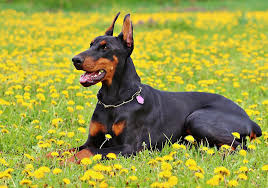
- Family Fit: Extremely loyal and naturally protective of the family home.
- Maintenance Level: Low coat care, moderate exercise needs.
- Deterrent Style: Lightning-fast reaction times and a highly alert posture.
6. The Great Dane
Though technically classified as a hound by some, their sheer size acts as the ultimate residential security system. They are globally famous for being gentle giants who prefer lounging on customized orthopedic beds over patrolling a yard. A single booming, deep bark from a Great Dane will send any trespasser running for the hills.
- Family Fit: Sweet-natured, patient, and excellent with children.
- Maintenance Level: Low. Short coat and surprisingly low endurance for long walks.
- Deterrent Style: Unmatched height and a room-shaking vocal alarm.
🚨 Vet Fact: Because low-energy guarding breeds are prone to obesity, strict portion control is critical. Extra weight drastically shortens the lifespan of heavy-set dogs and heavily exacerbates daily joint stress.
7. The Staffordshire Bull Terrier
Known affectionately in many circles as the “Nanny Dog,” they are fiercely protective of their family unit and notably patient with children. They pack a muscular, highly intimidating look into a very manageable, medium-sized frame that fits perfectly into smaller homes. Upkeep is virtually effortless, making them an ideal choice for first-time owners needing a reliable deterrent.
- Family Fit: Deeply loving, highly empathetic, and sturdy enough for rough play.
- Maintenance Level: Very Low. Easy to bathe and quick to groom.
- Deterrent Style: Muscular build and fearless loyalty to their owners.
Common Mistakes Families Make With Guard Breeds
Even the most low-maintenance breeds can become difficult if basic rules are ignored. Avoid these common pitfalls to ensure a harmonious home.
- Skipping Early Socialization: Guard dogs must know what a “normal” friendly stranger looks like. If they never meet friendly neighbors, they will view everyone as a threat.
- Encouraging Aggression: Never train a family dog to bite or attack. Let their natural instincts and size do the work of deterrence.
- Ignoring Mental Fatigue: Low physical maintenance does not mean zero mental maintenance. Snuffle mats and puzzle toys tire out a guarding breed faster than a two-mile run.
What To Do Next
Ready to bring a low-maintenance protector into the home? Take these two simple steps today:
- Audit the Schedule: Write down exactly how many minutes per day can be dedicated to walking a dog. If the number is under 45 minutes, filter breed searches strictly to the Mastiff or Great Dane families.
- Contact a Breed-Specific Rescue: Search online for a local rescue dedicated to Boxers or Bullmastiffs. Adopting a mature dog (3+ years old) guarantees their adult energy levels are known, bypassing the high-maintenance puppy chewing phase entirely.
Disclaimer: The content on Snoutbit.com is for informational and educational purposes only and is not intended to replace professional veterinary advice, diagnosis, or treatment. Always consult with your veterinarian before making significant changes to your dog’s diet, exercise routine, or health regimen.