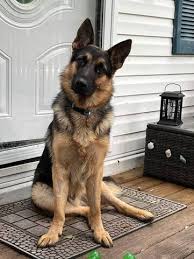
The exact answer to how much exercise a working line German Shepherd needs is 90 to 120 minutes of structured, purpose-driven activity every single day. A casual two-mile walk around the neighborhood will never be enough to satisfy this breed. These dogs were genetically engineered for relentless stamina, high prey drive, and complex problem-solving. To prevent a working line Shepherd from destroying the living room or developing severe anxiety, owners must completely drain both their physical energy and their central nervous system.
Here is a quick overview of how a working dog’s daily needs differ from a standard pet.
The Working Line Exercise Mind Map
- Physical Output: High-intensity interval bursts (sprinting, fetching) provide far more value than long, slow, monotonous jogs.
- Cognitive Load: Mandatory daily brain drain through advanced obedience, trick training, or professional scent detection.
- Genetic Drives: Safe, structured outlets for fulfilling innate prey drive, pack drive, and defense drive.
- The Off-Switch: Active conditioning to teach the dog how to relax, settle on a mat, and recover after the work is done.
3 Advanced Insights Most Shepherd Owners Miss
Generic pet advice often pushes new owners toward dog parks or endless treadmill running. Elite canine behaviorists know those methods lead to disaster with high-drive dogs.
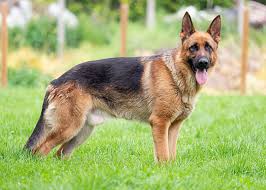
- The “Super-Athlete” Trap: Simply running a working line dog for three hours a day just builds a dog with endless cardiovascular stamina. Owners accidentally create marathon runners that cannot calm down indoors and require more miles every week just to feel tired. The true goal is to fatigue the central nervous system, not just the leg muscles.
- The 10-to-1 Sniffing Ratio: Ten minutes of intense, focused scent work drops a dog’s heart rate and tires their brain more effectively than thirty minutes of neighborhood walking. Working lines process immense amounts of data through their olfactory system, which burns massive amounts of caloric and mental energy.
- Decompression Over Structure: Rigid heel-walking on short leashes builds immense frustration in high-drive dogs over time. Allowing them to hike on a 15-foot long line in nature lowers cortisol levels and satisfies their genetic need to patrol, investigate, and secure a perimeter.
🐾 Snoutbit Pro-Tip: Swap the standard ceramic food bowl for a complex puzzle feeder, a snuffle mat, or a tightly rolled-up towel. Making a working line Shepherd actively solve a physical puzzle for every meal burns significant mental energy before the day even truly begins.
Building the Physical Exercise Routine
Physical exertion for this breed needs to be explosive, targeted, and engaging. Mindless walking does nothing for a dog bred to herd sheep across mountains all day.
- The Flirt Pole: This is essentially a giant cat wand for dogs, utilizing a sturdy pole, a bungee cord, and a lure. Ten minutes of chasing, cutting, and jumping after a flirt pole provides a massive cardiovascular workout. It also serves as the perfect tool to practice impulse control by forcing the dog to drop the lure on command.
- Structured Spring Pole Work: A heavy-duty spring pole attached to a sturdy tree branch allows a Shepherd to safely engage their natural bite and tug drives. This builds exceptional neck and shoulder strength while allowing the dog to safely vent pent-up frustration.
- Strategic Swimming: Swimming is the ultimate full-body workout for powerful dogs. It builds incredible lung capacity and muscle mass without putting any concussive impact on vulnerable joints.
Consider a family that adopted a high-drive Czech working line puppy. They tried to manage his relentless nipping and pacing by taking him on three-mile jogs every morning before work. Instead of calming down, the dog became leaner, faster, and much more easily frustrated by the evening hours. Once they swapped one mindless jog for twenty minutes of intense, impulse-control tug games, the dog finally started sleeping through the night. The nervous system needed a specific job to do, not just a treadmill to run on.
🚨 Vet Fact: Working line German Shepherds possess specific hind-end angulation and are highly prone to hip dysplasia and spinal degradation. Avoid forced, repetitive running on hard pavement until their growth plates fully close, which typically occurs around 18 to 24 months of age.
Mental Exercise: The Secret to True Exhaustion
A tired mind creates a tired body. Neglecting a working Shepherd’s intellect is the fastest route to creating a reactive, dangerous, or highly neurotic dog.
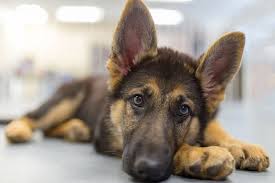
- Tactical Obedience: Do not just practice sitting in a quiet kitchen. Move obedience drills to busy hardware stores, noisy parks, or near busy roads. Forcing the dog to maintain a strict heel and unbroken eye contact while ignoring intense environmental distractions is exhausting work.
- Scent Detection: Purchase a basic birch or clove oil scent kit online. Hiding a specific scent tin around the house or yard forces the dog to use their strongest sensory organ. Tracking perfectly mimics the complex jobs these dogs perform in military and police forces.
- Agility and Proprioception: Teach the dog how to consciously control their rear end. Have them back up up stairs, balance on unstable surfaces, or weave tightly through cones. Thinking about foot placement burns incredible amounts of focus.
Take the example of a rescue Shepherd displaying severe fence-fighting behavior in a small suburban yard. The owner was physically exhausted from trying to walk the reactivity out of the dog for hours each day. A canine behaviorist stepped in and introduced basic birch oil scent detection inside the living room instead. By giving the dog a complex, highly rewarding job that required deep, quiet concentration, the frantic perimeter-guarding behavior completely vanished within one single month.
🐾 Snoutbit Pro-Tip: Teach a solid “Place” command and enforce mandatory, crated nap times throughout the day. Working line dogs often lack an innate off-switch and will work themselves into a frantic, panting state of over-arousal if not explicitly instructed to rest.
Age-Specific Exercise Protocols
Exercise needs evolve drastically as a working dog ages. Treating a puppy like an adult will cause permanent physical damage, while treating a senior like an invalid will cause severe depression.
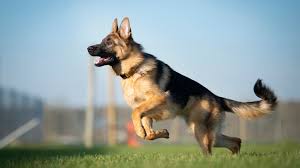
- Puppies (8 weeks to 6 months): The primary focus must remain entirely on environmental exposure, confidence building, and relationship building. Use the strict rule of five: five minutes of forced exercise per month of age, twice a day. The rest of their endless energy should be burned through short, positive obedience games and free play on soft grass.
- Adolescents (6 months to 2 years): This is the dangerous transition zone where physical stamina explodes, but the joints are still highly vulnerable to injury. Avoid high-impact jumps, forced running, or long-distance biking. Focus heavily on impulse control drills, such as holding a strict “down-stay” while a favorite ball is thrown across the yard.
- Adults (2 years to 7 years): This represents peak physical and mental maturity. A healthy adult working line thrives on a heavy mix of high-intensity cardio, complex problem-solving, and sport-specific training. This is the time to engage in Schutzhund, tracking, or advanced agility courses.
- Seniors (7+ years): The genetic drive to work rarely fades, but the physical body inevitably begins to slow down. Shift the daily balance away from physical impact and lean heavily into intense mental games. Swimming becomes the absolute best low-impact exercise for aging joints that still belong to a fiercely intelligent, active mind.
🚨 Vet Fact: Always watch for warning signs of exercise-induced collapse or extreme panting that does not subside after ten full minutes of rest in the shade. High-drive working dogs will often push themselves entirely past the point of heat exhaustion because their genetic desire to work completely overrides their own physical discomfort.
Spotting the Imbalance: Under vs. Over-Exercise
Knowing how to read the dog’s subtle behavioral cues will dictate whether the daily routine needs more running, more thinking, or more resting.
Signs of Under-Exercise:
- Destructive chewing of door frames, furniture, or their own bedding.
- Excessive vocalization, including high-pitched whining, demand barking, or howling.
- Constant pacing, inability to settle on a bed, or constantly nudging family members for attention.
Signs of Over-Exercise (Over-Arousal):
- Chronic loose stool or unexplained gastrointestinal distress caused by high cortisol levels.
- Hyper-reactivity to small noises, shadows, or minor environmental changes.
- Dilated pupils, frantic panting indoors, and an inability to fall into a deep sleep.
What To Do Next
Ready to build a perfectly balanced routine for a working line canine athlete? Take these two exact steps today:
- Conduct a Brain-Drain Audit: Track exactly how many minutes per day the dog spends actively thinking or solving a problem. If that number is under 30 minutes, immediately purchase a snuffle mat and start hiding every single meal to force cognitive engagement.
- Swap the Leash for a Long Line: Purchase a 15-foot biothane long line. Replace one rigid, frustrating neighborhood walk this week with a slow, unstructured hike in a quiet park where the dog is allowed to sniff everything at their own natural pace.
Disclaimer: The content on Snoutbit.com is for informational and educational purposes only and is not intended to replace professional veterinary advice, diagnosis, or treatment. Always consult with your veterinarian before making significant changes to your dog’s diet, exercise routine, or health regimen.