Spotting hip dysplasia in a young Labrador Retriever requires looking past standard limping. The biggest takeaway is that juvenile hip dysplasia rarely looks like a traditional injury; instead, it manifests as strange mechanical movements like the “bunny hop” while running, or a sudden, stubborn refusal to climb stairs. This condition occurs when the hip joint develops abnormally, causing the ball and socket to grind instead of gliding smoothly. Catching these subtle, often misunderstood signs before a puppy turns one year old is absolutely critical for long-term joint preservation.
Here is a clear breakdown of how this condition impacts a young, developing canine body.
The Juvenile Hip Dysplasia Mind Map
- The Root Cause: A genetic predisposition combined with rapid growth and environmental factors (like slipping on hard floors).
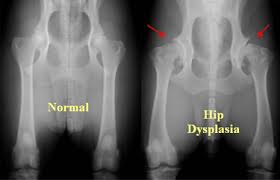
- The Mechanical Failure: The femoral head (ball) does not fit tightly into the acetabulum (socket), causing painful daily friction.
- The Behavioral Shift: Puppies often mask physical pain with extreme hyperactivity, pacing, or sudden behavioral regression.
- The Visual Cues: Symmetrical weight-shifting to the front legs and avoidance of complex rear-end movements.
3 Advanced Insights Most Labrador Owners Miss
Generic pet advice often tells families to simply look for a dog holding one leg up. Elite canine behaviorists and orthopedic specialists know that young, high-drive sporting breeds hide their pain in highly complex ways.

- The Neutering and Hyperactivity Trap: Many owners dealing with a hyperactive, crazy adolescent Lab rush to neuter them, hoping it will install a magical “off-switch.” Removing these vital hormones before the dog is fully grown (around 18 to 24 months) stops the growth plates from closing properly. This structural delay drastically increases the risk of the dog developing severe hip dysplasia, while doing absolutely nothing to cure boredom-based hyperactivity.
- Pain Masquerading as Bad Behavior: A dog experiencing chronic, low-grade joint ache often entirely loses their ability to settle down. If a young Labrador is constantly pacing the living room, chewing destructively, or acting completely “crazy” despite getting exercise, they are often trapped in a state of high cortisol caused by physical discomfort.
- The Overcompensation Muscle Shift: Young dogs with bad hips will unconsciously throw all their body weight onto their front shoulders. Over time, this causes the chest and front legs to look incredibly muscular and bulky, while the hind legs appear thin, weak, or visibly underdeveloped.
🚨 Vet Fact: Puppies are remarkably stoic animals. Because a dog born with severe hip dysplasia has never known a body without joint pain, they often will not cry, whimper, or vocalize their daily discomfort.
The 7 Early Warning Signs of Juvenile Dysplasia
Understanding how a puppy moves dynamically through their environment is the fastest way to catch joint laxity early. Watch for these seven subtle indicators during daily play.
1. The Classic “Bunny Hop” Sprint
When a healthy dog runs, their back legs move independently, providing explosive, alternating thrust. A puppy with hip dysplasia will often push off with both back legs simultaneously, resembling a rabbit hopping across the yard. This synchronized movement is a deliberate, structural adaptation designed to completely avoid rotating the painful hip sockets independently.
Take the case of a five-month-old Labrador at a local dog park who always did a highly distinct, two-footed hop when chasing tennis balls. The owners laughed it off as clumsy, uncoordinated puppy behavior for weeks. When the dog was finally taken in for routine x-rays, the veterinarian diagnosed severe bilateral dysplasia that was already beginning to cause early-onset arthritis.
2. Sudden Refusals on the Stairs
Climbing up a flight of stairs requires a dog to heavily engage their rear-end muscles and push their entire body weight upward from the hips. A young Labrador that previously conquered stairs but suddenly sits at the bottom and refuses to climb is waving a massive red flag. Coming down the stairs might still look entirely normal, as that action shifts the physical burden entirely to the front shoulders.
3. The “Lazy Sit” or “Frog Leg” Lie Down
A structurally sound dog typically sits squarely on their haunches, with their back legs tucked neatly under their body. Puppies experiencing hip discomfort will frequently utilize a “lazy sit,” heavily slumping their weight onto one single hip while kicking the other leg out straight. Similarly, they may frequently lay down with both back legs splayed out completely backward (the “frog dog” position) to stretch tight, painful hip capsules.
🐾 Snoutbit Pro-Tip: Film the puppy running, sitting, and walking up stairs in slow motion using a smartphone camera. Showing this exact footage to a veterinarian provides crucial biomechanical context that is impossible to replicate on a slippery clinic examination table.
4. Reluctance to Jump Into Cars
Labradors are famously enthusiastic co-pilots, usually launching themselves happily into the back of an SUV. If an adolescent dog starts putting their front paws on the bumper and stopping, waiting to be physically lifted into the vehicle, pay close attention. This sudden hesitation is almost always rooted in a physical inability to generate explosive power from the rear leg joints.
5. A Dangerously Narrow Hind Stance
Observe the puppy while they are standing perfectly still while eating from their food bowl. A healthy Labrador should have a wide, square, sturdy stance in the rear. A dog struggling with hip dysplasia will often stand with their back feet positioned incredibly close together, sometimes even crossing over one another, as they desperately try to stabilize the loose hip joints.
Consider a family dealing with a wildly energetic eight-month-old Lab that suddenly started acting frantic indoors, completely unable to relax on his dog bed. The owners assumed he was simply hitting a rebellious teenage phase or desperately needed to be neutered. The reality was that lying down on the hard floor caused excruciating pressure on his malformed hip sockets; his “crazy” pacing was simply a desperate attempt to avoid laying down.
6. Clicking or Popping Sounds
In severe cases of joint laxity, the ball is so loose inside the socket that it physically subluxates (pops out of place) during movement. Owners might hear a distinct clicking, popping, or grinding sound coming from the dog’s rear end when they transition from sitting to standing. This sound is the immediate result of bone-on-bone friction and requires immediate orthopedic evaluation.
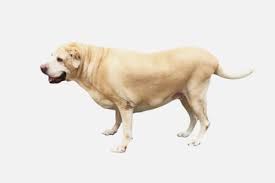
🚨 Vet Fact: Keeping a growing, large-breed puppy strictly lean is the single most effective way to protect vulnerable joints. Even just five pounds of excess puppy fat drastically multiplies the concussive force traveling through a malformed hip socket with every single step.
7. Morning Stiffness in a Puppy
Stiffness is widely expected in a twelve-year-old senior dog, but it is deeply abnormal in a seven-month-old puppy. If a young Labrador struggles to get up after a long nap, moves rigidly for the first few minutes, and then “warms up” and appears fine, the joint capsules are actively inflamed. This cycle of rest, stiffness, and recovery is a textbook marker of ongoing joint degradation.
Environmental Management for At-Risk Pups
If any of these signs are present, immediate environmental adjustments must be made inside the home. Managing a puppy’s daily terrain directly prevents micro-traumas to unstable joints.
- Banish Slick Surfaces: Hardwood, tile, and laminate floors are incredibly dangerous for puppies with loose hips. Lay down heavy-duty, non-slip runner rugs in all high-traffic areas to prevent their back legs from constantly sliding out from under them.
- Stop Forced Exercise: Never force a young Labrador to go on long, structured jogs on hard pavement. Allow them to set their own pace on soft, uneven terrain like grass or dirt trails, which naturally builds stabilizing muscles without concussive joint damage.
- Strategic Supplementation: Do not wait until a dog is limping to start joint support. Integrating high-quality Omega-3 fatty acids and a pure, canine-specific joint supplement provides the necessary building blocks for healthy cartilage development during their most rapid growth phases.
What To Do Next
Ready to protect a young Labrador’s long-term mobility and secure their quality of life? Take these two exact steps today:
- Schedule a Sedated Orthopedic Exam: Book an appointment specifically for orthopedic x-rays, specifically requesting the PennHIP or OFA evaluation method. Because puppies tense their muscles while awake, accurate hip imaging absolutely requires light sedation to fully reveal the true laxity of the joint.
- Audit the Daily Diet: Check the back of the puppy’s food bag immediately. Transition away from standard, high-calorie puppy formulas and move strictly to a “Large Breed Puppy” specific diet, which intentionally slows down their overall growth rate to allow the bones to develop safely.
Disclaimer: The content on Snoutbit.com is for informational and educational purposes only and is not intended to replace professional veterinary advice, diagnosis, or treatment. Always consult with your veterinarian before making significant changes to your dog’s diet, exercise routine, or health regimen.