Orphaned Manatees Taiku and Dakiti: A 3-Year Journey to Freedom
When a four-day-old manatee calf was found clinging to the body of her dead mother, the odds seemed insurmountable. The mother had been struck and killed by a Jet Ski—a tragedy that highlights the dangers these gentle creatures face. But this story is not just about loss. It is about resilience, expert care, and an extraordinary bond between two orphaned manatees who grew stronger together until the day rescuers had long dreamed about: their return to the wild.
Puerto Rican Antillean manatees are critically endangered, with fewer than 700 believed to remain in the wild, according to iHeartDogs. Every calf matters. So when Taiku and, just days later, Dakiti were brought to the Caribbean Manatee Conservation Center, a dedicated team sprang into action. What followed was three years of round-the-clock care, gradual acclimation, and a heartwarming partnership between two young manatees who would eventually be released back into their natural habitat. This is their journey—and a reminder of how simple actions by boaters can help protect these vulnerable animals.
The Plight of the Puerto Rican Antillean Manatee
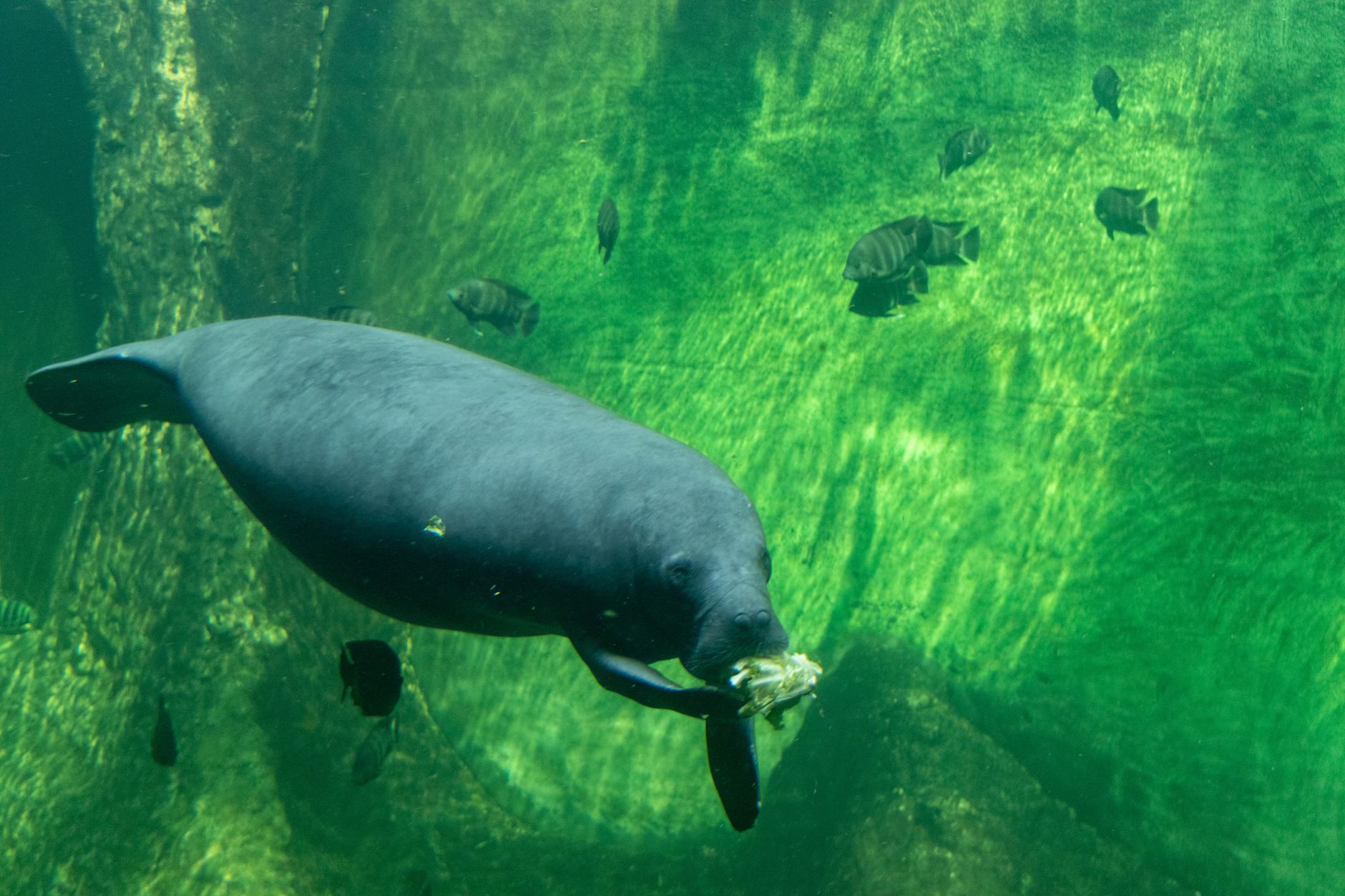
The Puerto Rican Antillean manatee is a subspecies of the West Indian manatee, found in the coastal waters of Puerto Rico. According to iHeartDogs, these manatees are critically endangered, with fewer than 700 believed to remain in the wild. That staggering number makes every single individual vital to the survival of the population. Manatees are slow-moving, gentle herbivores that inhabit shallow coastal areas—exactly the places where they feed, travel, and care for their young. Unfortunately, these same waters are heavily used by recreational boaters, Jet Skis, and other watercraft.
watercraft collisions are a serious danger to manatees, particularly in shallow coastal areas where they feed, travel, and care for their young, according to iHeartDogs. Because manatees must surface to breathe and often swim just below the water's surface, they can be difficult to spot. A collision with a fast-moving boat or Jet Ski can cause catastrophic injuries or death. For a nursing mother, the loss is doubly tragic—it leaves a dependent calf without the care it needs to survive. That was exactly the situation when Taiku was discovered.
The conservation community has rallied around the Antillean manatee. Rehabilitation programs, like the one at the Caribbean Manatee Conservation Center, offer hope. According to the conservation program, manatee rehabilitation efforts have a 96 percent success rate. That remarkable figure means that with proper care, orphaned or injured manatees have an excellent chance of returning to the wild. But prevention is equally important. By understanding the threats manatees face, we can all play a role in ensuring that fewer calves ever need rescuing in the first place.
Taiku's Rescue: A Four-Day-Old Orphan
Taiku's story began in tragedy. According to iHeartDogs, Taiku was only four days old when she was discovered clinging to the body of her mother, who had been struck and killed by a Jet Ski. At just four days old, Taiku would still have been nursing and completely dependent on her mother for nutrition, protection, and guidance. Without her mother, her chances of survival in the wild were virtually zero. But a rescue team intervened, and Taiku was brought to the Caribbean Manatee Conservation Center.
Upon arrival, Taiku faced an uphill battle. Manatee calves require specialized care that mimics the nutrition and comfort they would receive from their mothers. According to iHeartDogs, both calves required bottle feeding every few hours, with veterinary teams closely monitoring their health and development. For Taiku, this meant round-the-clock attention from dedicated staff who fed her a specially formulated milk replacement and tracked every aspect of her growth. The team watched for signs of illness, ensured she was gaining weight, and provided the warmth and reassurance that a mother would normally offer.
Bottle feeding a manatee calf is no small feat. It requires patience, precision, and a deep understanding of the animal's nutritional needs. The veterinary team monitored Taiku's health and development continuously, adjusting her feeding schedule and formula as she grew. Every few hours, someone was there to offer her a bottle—day and night. This intensive care is what gives orphaned manatees a fighting chance. Without it, Taiku would not have survived her first week. But thanks to the expertise and dedication of the conservation center's staff, she began to thrive.
Dakiti's Rescue and the Start of Rehabilitation
Just days after Taiku's rescue, another orphaned manatee was found. According to iHeartDogs, Dakiti was found orphaned only a few days after Taiku and was also brought to the Caribbean Manatee Conservation Center. The timing was remarkable—and fortunate. Instead of raising a single calf in isolation, the team now had two young manatees who could grow up together. That companionship would prove invaluable.
Like Taiku, Dakiti required immediate intensive care. According to iHeartDogs, both calves required bottle feeding every few hours, with veterinary teams closely monitoring their health and development. The two orphans followed similar feeding and monitoring schedules, and the staff quickly noticed that they seemed to draw comfort from each other's presence. Manatees are social animals, and even young calves benefit from the company of their own kind. Having a companion likely reduced stress and encouraged natural behaviors.
Rehabilitation for orphaned manatees is a long and careful process. According to iHeartDogs, rehabilitation included gradual acclimation to saltwater and seagrass to prepare them for life in the wild. At first, the calves were kept in freshwater or controlled environments where their health could be closely managed. Over time, they were introduced to saltwater, which helped their bodies adjust to the marine environment they would eventually inhabit. Seagrass was offered as a natural food source, teaching them to graze on the vegetation that sustains wild manatees. This gradual acclimation is critical—it ensures that when the manatees are released, they know how to find food and navigate their surroundings.
The early months of rehabilitation were focused on survival and basic nutrition. The team's goal was to get Taiku and Dakiti healthy and strong. As they grew, the focus would shift to preparing them for independence. But for now, the two calves had each other, and that bond would carry them through the challenges ahead.
Three Years of Care: Bottle Feeding, veterinary monitoring, and Gradual Acclimation
Rehabilitating an orphaned manatee is a marathon, not a sprint. According to iHeartDogs, the rehabilitation process lasted three years before the manatees were deemed ready for release. Three years of bottle feedings, veterinary check-ups, and careful environmental adjustments. Three years of watching two tiny calves grow into robust young manatees capable of surviving on their own.
Throughout those three years, the veterinary team closely monitored Taiku and Dakiti's health and development, according to iHeartDogs. Regular health assessments ensured that any issues were caught early. The team tracked their weight, appetite, and behavior, looking for signs that they were ready for the next phase of rehabilitation. Bottle feeding continued for many months, gradually tapering off as the calves learned to eat seagrass and other vegetation. The transition from milk to solid food is a critical milestone for orphaned manatees, and the staff at the Caribbean Manatee Conservation Center managed it with expertise and patience.
Gradual exposure to saltwater and seagrass was a key part of the rehabilitation process, according to iHeartDogs. As the manatees grew, they were introduced to larger and more naturalistic enclosures. Saltwater exposure helped their bodies adapt to the osmotic challenges of marine life. Seagrass provided both nutrition and foraging practice. By the end of the three-year period, Taiku and Dakiti were spending most of their time in environments that closely resembled the wild coastal waters they would soon inhabit. They had learned to find food, navigate their surroundings, and interact with each other in a natural way.
The bond between the two manatees remained strong throughout. Having grown up together, they were comfortable in each other's company and likely provided mutual support during the transition to greater independence. By the time the rehabilitation team deemed them ready for release, Taiku and Dakiti were healthy, well-fed, and capable of surviving on their own. It was the moment everyone had been working toward—the day rescuers had dreamed about since those first desperate hours.
Return to the Wild: Tracking and Conservation Success
After three years of intensive care, the day finally arrived. Taiku and Dakiti were ready to return to the wild. But the conservation team's work did not end with their release. According to iHeartDogs, tracking belts will be fitted to the manatees so their movements and safety can be monitored during their first year after release. These belts allow researchers to follow the manatees' travels, ensure they are adapting to life in the wild, and intervene if any problems arise.
The first year after release is a critical period for rehabilitated manatees. They must learn to navigate unfamiliar waters, find food, and avoid dangers—including watercraft. The tracking belts provide valuable data that helps conservationists understand how well the manatees are doing and what challenges they face. If a manatee stops moving or enters a dangerous area, the team can respond quickly. This monitoring is one reason why rehabilitation efforts have such a high success rate.
According to the conservation program, manatee rehabilitation efforts have a 96 percent success rate. That statistic is a testament to the dedication of the staff at the Caribbean Manatee Conservation Center and similar facilities. It also underscores the importance of supporting these programs. Every manatee that is successfully rehabilitated and released contributes to the recovery of a critically endangered population. With fewer than 700 Puerto Rican Antillean manatees remaining in the wild, according to iHeartDogs, each individual is precious.
Taiku and Dakiti's story is one of hope. From the tragedy of a Jet Ski collision to the triumph of release, their journey shows what is possible when humans intervene with care and expertise. But it also serves as a reminder that prevention is better than cure. If boaters take simple precautions, fewer manatees will need rescuing in the first place.
How Boaters Can Help Protect Manatees
Watercraft collisions are a serious danger to manatees, particularly in shallow coastal areas where they feed, travel, and care for their young, according to iHeartDogs. The death of Taiku's mother is a heartbreaking example of what can happen when boats and manatees share the same waters. But there are simple steps every boater can take to reduce the risk.
According to iHeartDogs, staff encourages boaters to move slowly near shore, follow posted speed limits, watch carefully for animals, and give manatees plenty of space. Slowing down gives boaters more time to spot manatees and react. Following speed limits—especially in manatee zones—reduces the likelihood of a collision. Keeping a sharp lookout for signs of manatees, such as a snout breaking the surface or a telltale swirl in the water, can help boaters avoid them. And giving manatees plenty of space ensures that they are not forced to flee or alter their natural behavior.
Polarized glasses can make it easier to spot manatees beneath the water's surface, according to iHeartDogs. Manatees are often difficult to see because they blend in with the water and may be submerged just below the surface. Polarized lenses cut through glare, allowing boaters to see beneath the water and spot manatees before it is too late. This simple investment can make a big difference.
Avoiding large wakes around manatees can help reduce the risk of another calf experiencing the kind of loss Taiku endured, according to iHeartDogs. Large wakes can disturb manatees, separate mothers from calves, and make it harder for them to rest and feed. By minimizing wakes, boaters can help keep manatee families together and safe.
Every boater has a role to play in protecting these gentle giants. By following these guidelines, we can all help ensure that more manatees like Taiku and Dakiti survive and thrive.
Frequently Asked Questions
What should I do if I see an orphaned manatee calf? Do not approach or attempt to rescue it yourself. Contact local wildlife authorities or a manatee conservation center immediately. They have the expertise and resources to provide proper care.
How can I tell if a manatee is in distress? Signs include a calf swimming alone, a manatee that appears injured or unable to dive, or one that is floating abnormally. Report any concerns to wildlife officials.
Are manatees dangerous to humans? No, manatees are gentle, non-aggressive herbivores. They pose no threat to humans, but they are vulnerable to human activities.
What is the best way to help manatee conservation? Support conservation organizations, follow boating guidelines, and spread awareness about the threats manatees face.
Summary Table: Manatee Rehabilitation Milestones
| Stage | Duration | Key Activities |
|---|---|---|
| Rescue & Initial Care | First weeks | Bottle feeding every few hours, veterinary monitoring |
| Early Rehabilitation | Months 1-12 | Gradual introduction to saltwater and seagrass |
| Advanced Rehabilitation | Years 1-3 | Larger enclosures, foraging practice, health assessments |
| Release & Monitoring | Year 4+ | Tracking belts, first-year monitoring |
Source: iHeartDogs