Can dogs eat prawns and shrimp? The ultimate seafood guide
Hosting a weekend seafood barbie is an Australian tradition, but staring down a drooling dog begging for a prawn creates instant anxiety. Tossing a raw or heavily seasoned piece of seafood onto the lawn frequently results in a panicked, high-cost emergency veterinary visit. The immediate relief is knowing that dogs can absolutely eat prawns safely, provided owners follow strict, non-negotiable preparation rules.

The biggest takeaway is that dogs can only consume plain, boiled prawns that have been completely peeled and de-veined. The dense meat provides a brilliant, low-fat source of marine protein and essential omega-3 fatty acids. However, the sharp tails and spicy marinades are incredibly hazardous, meaning careless feeding is never an acceptable option.
Why are prawn shells and tails dangerous for dogs?
A massive misconception is that dogs can easily crush and digest tough seafood shells because they love to chew hard bones. Prawn shells are composed of chitin, a highly fibrous marine carbohydrate that the canine digestive tract simply cannot break down. Swallowing these intact shells quickly creates a painful, impenetrable barricade inside the delicate intestines.
The tail acts as an entirely separate, terrifying physical hazard. A prawn tail is incredibly rigid and sharp, acting exactly like a jagged razor blade when swallowed whole by an eager, gulping pup. These sharp edges easily lacerate the soft tissue of the oesophagus or puncture the stomach lining, causing rapid internal bleeding.
🚨 Vet Fact: A punctured intestine caused by a sharp prawn tail leads directly to septic peritonitis, a catastrophic and often fatal abdominal infection. Always dispose of seafood scraps in a tightly sealed, dog-proof bin immediately after peeling.
Can dogs eat raw prawns or raw shrimp?
Never feed a dog raw or undercooked prawns under any circumstances. Raw marine crustaceans naturally harbour dangerous colonies of bacteria, including Salmonella, Listeria, and specific marine pathogens. A dog's stomach acid is strong, but a heavy bacterial load will quickly trigger explosive diarrhoea and violent vomiting.
Beyond standard food poisoning, raw prawns frequently carry dangerous microscopic parasites. When a dog ingests these live parasites, they latch onto the intestinal wall and steal vital dietary nutrients, causing chronic lethargy and severe weight loss. Boiling the seafood is the absolute only way to guarantee these invisible, biological threats are entirely neutralised.
What makes garlic prawns toxic to canines?
The classic Australian garlic prawn is a culinary delight for humans but a highly toxic poison for canines. Garlic and onions belong to the allium family, which contains chemical compounds that aggressively destroy canine red blood cells. A dog consuming a heavily marinated garlic prawn will slowly develop Heinz body anaemia, a life-threatening condition that starves vital organs of oxygen.
Consider a frantic family hosting a summer barbie in Queensland with their young, highly food-motivated Kelpie. A guest unknowingly dropped a single garlic-soaked prawn tail on the patio, which the dog instantly inhaled. The owners faced a terrifying, midnight dash to the emergency clinic for violent vomiting and a severely scratched throat, turning a relaxed afternoon into a traumatic ordeal.
🐾 Snoutbit Pro-Tip: When cooking seafood for human guests, dedicate a completely separate, clean saucepan to boil a few plain prawns specifically for the dog. This completely eliminates the dangerous risk of accidental cross-contamination with toxic spices, salt, or hot cooking oils.
What are the nutritional benefits of feeding dogs plain prawns?
When prepared correctly, prawns transform from a potential hazard into a highly premium, functional training reward. They are incredibly low in fat and exceptionally high in bioavailable marine protein, making them the ultimate high-value treat for obese dogs on a strict weight-loss diet. A heavy-set Staffy can enjoy a few chopped prawns without derailing their weekly caloric deficit goals.
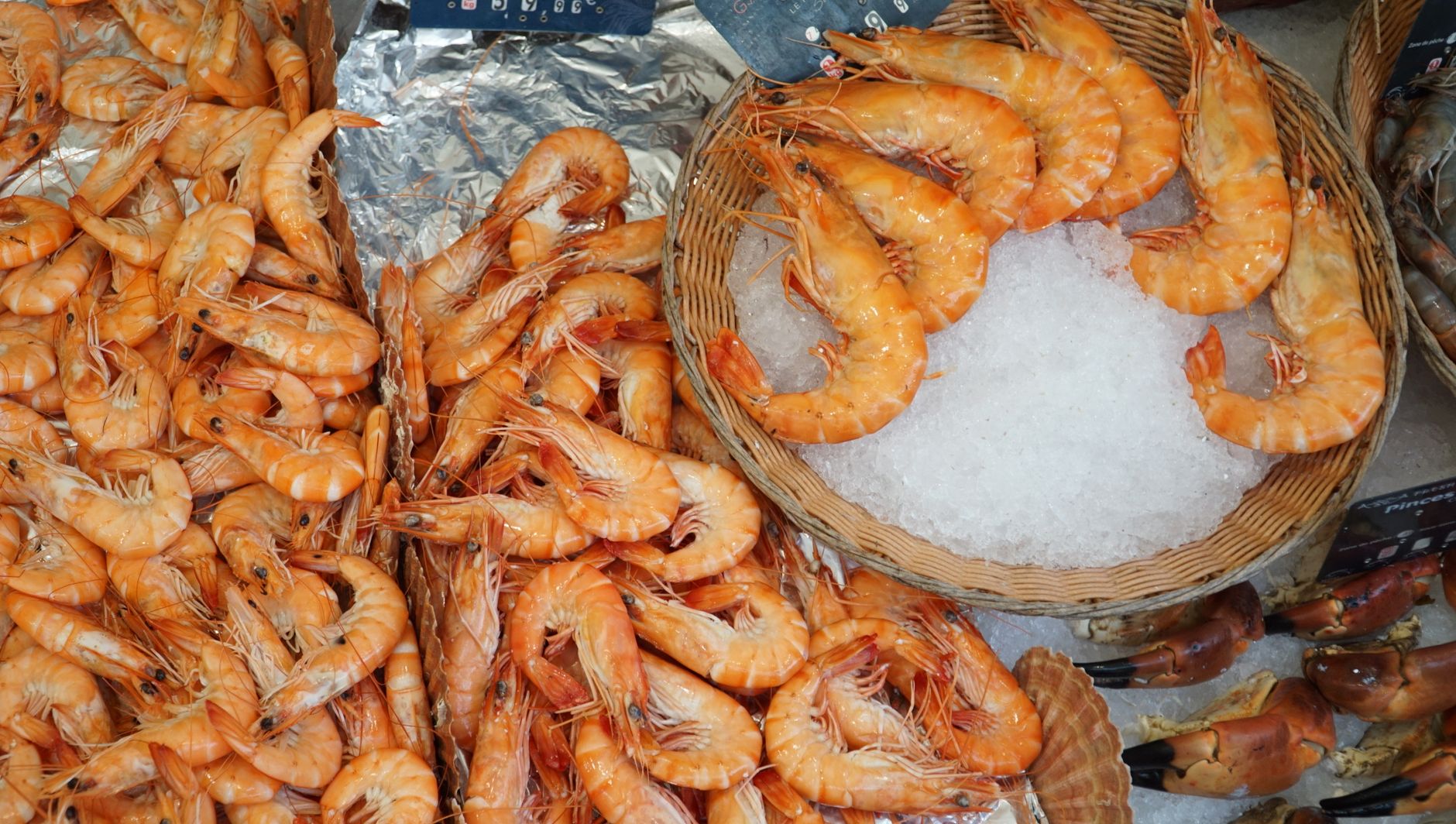
Furthermore, this popular seafood is absolutely packed with Vitamin B12, phosphorus, and essential omega-3 fatty acids. These specific marine nutrients actively reduce systemic cellular inflammation and deeply nourish the hair follicles from the inside out.
Take the real-world case of a scruffy, severely malnourished mixed breed rescued directly from a local municipal council pound. The dog suffered from intense skin flaking and a completely dull, brittle coat due to street scavenging. The new owners began incorporating finely diced, boiled prawns into the dog's weekly kibble rotation, and the dense marine omega-3s completely restored the coat's brilliant shine within a single month.
What are three advanced expert tips for feeding dogs seafood?
Generic internet advice often stops at simply removing the shell, but elite canine nutrition requires a much deeper understanding of marine biology. Implementing these three highly specific, advanced insights drastically elevates the safety and health benefits of feeding prawns.
- The Iodine Overload Risk: Prawns naturally absorb and retain incredibly high levels of oceanic iodine. While trace amounts are essential, overfeeding prawns multiple times a week can artificially hyper-stimulate the canine thyroid gland. For senior dogs already battling endocrine issues, limit seafood treats to a strict maximum of once every two weeks.
- The Microplastic and Farmed Danger: Cheap, imported farmed shrimp are routinely raised in overcrowded, heavily polluted pools treated with harsh agricultural antibiotics. These budget options heavily retain toxic microplastics and chemical residues that disrupt a dog's sensitive gut microbiome. Always spend the extra dollars to source wild-caught Australian prawns to guarantee clean, unpolluted marine protein.
- The Histamine Spoilage Threat: Seafood decays at an alarmingly rapid rate when exposed to the hot Australian sun. As prawns sit out on a picnic table, naturally occurring bacteria rapidly convert the amino acid histidine directly into toxic histamine. Dogs that consume sun-warmed prawns suffer from severe histamine poisoning, resulting in sudden, full-body allergic hives and severe facial swelling.
🚨 Vet Fact: Histamine toxicity from spoiled seafood perfectly mimics a severe allergic reaction, completely confusing owners. If a dog suddenly develops bright red, blistering hives after scavenging discarded barbie scraps, immediate veterinary intervention is required to stabilise their system.
How to safely prepare prawns for a dog?
Preparation is the absolute only barrier separating a healthy snack from a veterinary disaster. Begin by purchasing high-quality, raw, wild-caught prawns completely free of any marinades, salt rubs, or pre-packaged glazes. Bring a pot of plain, unsalted water to a rolling boil before carefully dropping the seafood inside.

Boil the prawns until the flesh turns completely opaque and firm, ensuring every single harmful marine bacterium is entirely destroyed by the intense heat. Immediately plunge them into an ice bath to stop the cooking process and prevent the meat from becoming impossibly rubbery and hard to chew.
Once cooled, meticulously peel away the entire outer shell, snap off the sharp tail, and run a small knife down the back to pull out the dark digestive tract. Chop the remaining pure, white meat into tiny, bite-sized pieces perfectly suited to the dog's total body weight.
Can puppies safely eat prawns or shrimp?
Puppies possess incredibly sensitive, rapidly developing gastrointestinal systems that are easily thrown into absolute chaos by novel, rich proteins. Introducing dense seafood too early frequently triggers intense diarrhoea, which quickly leads to life-threatening dehydration in tiny pups. Wait until the puppy is at least six months old and fully stabilised on their primary kibble diet before introducing any exotic marine treats.
When the time comes to introduce prawns to an adolescent dog, do so with extreme caution and patience. Offer a piece no larger than a thumbnail and wait a full forty-eight hours to meticulously monitor their faecal consistency. If their stools remain firm and their energy is normal, owners can slowly integrate tiny amounts into their high-value training rotation.
🐾 Snoutbit Pro-Tip: Mix finely diced, boiled prawn meat with a dollop of plain, unsweetened Greek yoghurt and freeze the mixture inside a heavy-duty rubber chew toy. The pungent marine smell creates a wildly engaging puzzle that completely exhausts a high-energy Blue Heeler on a rainy afternoon.
What are the signs of a seafood allergy in dogs?
While relatively uncommon, true canine allergies to specific marine proteins absolutely do exist. When introducing prawns for the very first time, owners must watch meticulously for sudden, adverse biological responses. A true allergic reaction rarely manifests as simple stomach upset; it usually aggressively attacks the skin and respiratory system.
Look for sudden, obsessive scratching at the ears, bright red inflammation between the paw pads, or alarming facial swelling around the muzzle. If a dog begins breaking out in hives, excessively drooling, or exhibiting a hacking cough after eating a prawn, discontinue the treat immediately. Severe anaphylaxis requires an immediate, emergency injection of veterinary antihistamines to reopen a closing airway.
What To Do Next
- Conduct a Bin Audit Today: Check the kitchen and outdoor patio right now to ensure the main rubbish receptacles have secure, dog-proof locking lids. Seafood shells emit an incredibly pungent, highly attractive odour, and a determined dog will easily knock over an open bin to reach the dangerous, discarded scraps.
- Prepare a Safe Marine Swap: If serving spicy garlic prawns for human dinner tonight, chop up a single, plain boiled prawn into tiny cubes beforehand. Place these safe, high-value marine bites in a dedicated training pouch to heavily reward the dog for holding a calm "place" command away from the dining table.
Disclaimer: The content on Snoutbit.com is for informational and educational purposes only and is not intended to replace professional veterinary advice, diagnosis, or treatment. Always consult with your veterinarian before making significant changes to your dog’s diet, exercise routine, or health regimen.