The Truth About Can Dogs Eat Cat Food
Catching a beloved dog happily burying their snout into the household cat's food bowl is incredibly frustrating for any pet parent. The immediate panic sets in, followed quickly by the dread of explosive diarrhea ruining the living room carpet and terrifyingly expensive emergency clinic bills. The definitive answer to whether dogs can eat cat food is a strict, non-negotiable no; feline diets are highly toxic to canine digestive systems over time. The absolute biggest takeaway is that cat food is engineered strictly for obligate carnivores, containing astronomically high fat and dense protein levels that instantly overwhelm a dog's pancreas. Securing the feline feeding station completely out of canine reach is the only guaranteed way to prevent a catastrophic, life-threatening gastrointestinal emergency.
Why Do Dogs Crave Cat Food So Intensely?
To a highly food-motivated canine, a bowl of premium cat kibble smells like an irresistible, five-star steakhouse dinner. Cats lack the biological ability to taste sweetness, relying entirely on pungent, heavily concentrated meat aromas to stimulate their appetite. Pet food manufacturers spray feline kibble with intense, high-value animal fats and heavy liver coatings that completely hijack a dog's powerful olfactory senses.
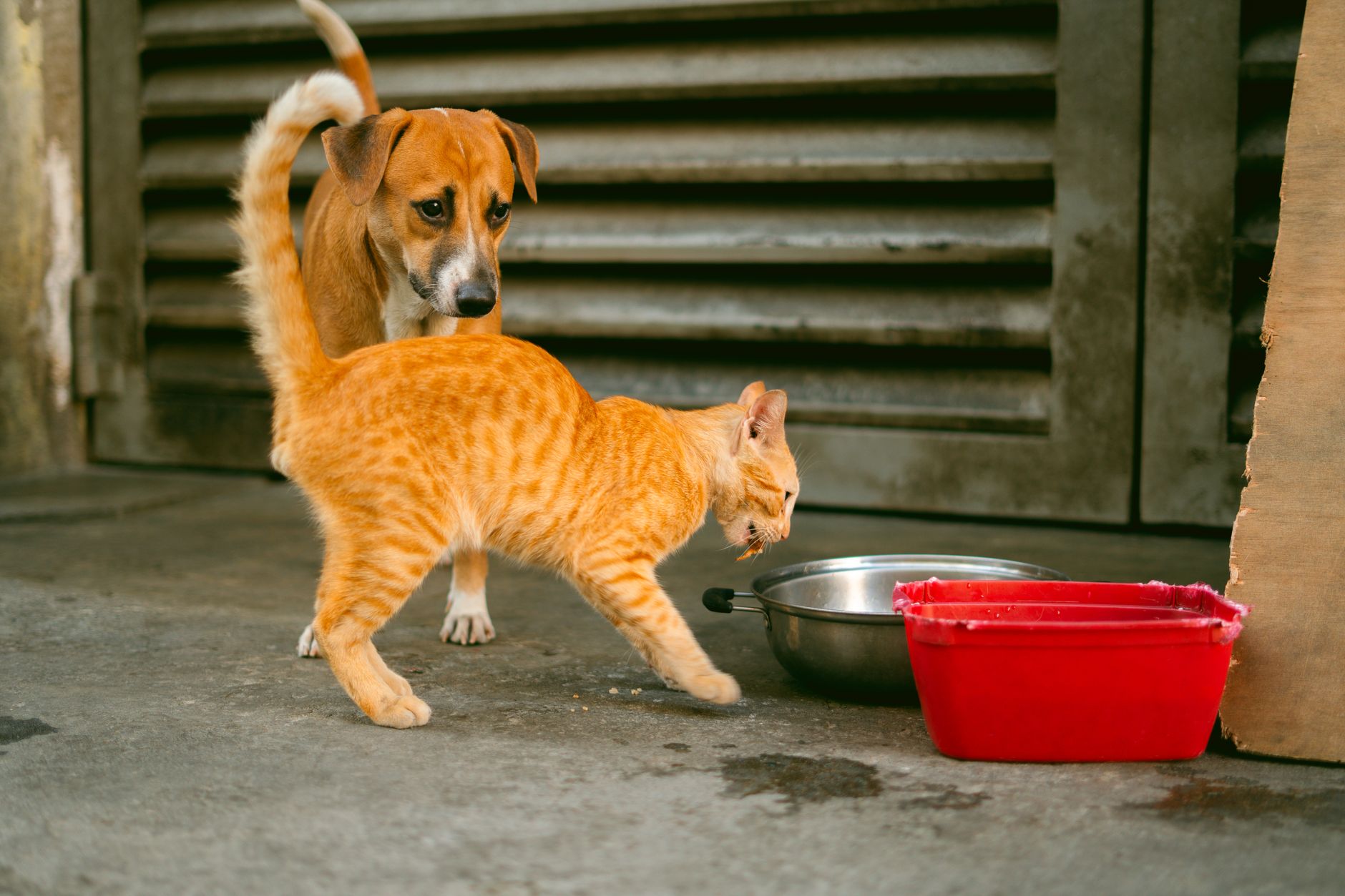
When a robust Golden Retriever catches a single whiff of that dense, meaty aroma, their biological scavenging instincts instantly take over completely. They do not understand that the irresistible snack sitting on the kitchen floor is biologically incorrect for their specific internal organs.
What Is The Biological Difference In Nutrition?
Understanding the extreme dietary divide requires looking directly at fundamental, evolutionary biology regarding how each species metabolizes nutrients. Cats are strict obligate carnivores, meaning their bodies absolutely require raw, heavy animal protein to simply survive and sustain basic cellular function. Dogs are highly adaptable omnivores, requiring a perfectly balanced, mathematical ratio of proteins, complex carbohydrates, and fibrous vegetables.
- Feline diets contain massive levels of taurine, an essential amino acid that dogs naturally manufacture inside their own bodies.
- Cat kibble heavily over-loads Vitamin D and Vitamin A, which can easily reach toxic, organ-damaging levels in a small canine.
- The sheer fat content in a single scoop of cat food is frequently double the recommended daily allowance for an adult canine.
🚨 Vet Fact: The extreme fat content found in standard feline diets is the absolute leading dietary trigger for acute canine pancreatitis. This highly painful, frequently fatal condition occurs when the overloaded pancreas violently releases digestive enzymes directly into the surrounding abdominal organs.
Can One Bowl Of Cat Food Hurt A Dog?
The immediate medical fallout of a canine dietary indiscretion depends entirely on the dog's unique size, age, and existing gastrointestinal health. A massive, iron-stomached American Staffy might consume a stolen mouthful of cat food and suffer nothing more than a mildly upset stomach. Conversely, a tiny, sensitive Frenchie eating that exact same portion faces a guaranteed night of violent vomiting and severe osmotic diarrhea.
A highly realistic scenario involved an energetic Golden Retriever living in humid Florida who routinely sneaked handfuls of the barn cat's high-protein kibble. The owner assumed the harmless theft was just a quirky behavioral habit until the dog suddenly collapsed with a rigid, agonizingly painful abdomen. The massive influx of concentrated feline fat triggered a terrifying episode of acute pancreatitis, requiring three days of incredibly expensive intravenous fluid therapy to survive.
Does Extreme Weather Worsen Dietary Indiscretions?
Local environmental extremes act as massive, hidden multipliers for physiological stress when a dog consumes an inappropriate, high-fat diet. During the brutal, sweltering heat of an Australian outback summer, a dog's physical digestion slows to a dangerous, sluggish crawl. Intense thermal stress forces the canine body to divert critical blood flow entirely away from the stomach just to cool the skin.
If a dog consumes heavy, fat-laden cat food during a brutal heatwave, the food sits like a heavy brick inside the digestive tract. This delayed digestion ferments the dense proteins, producing highly toxic gas and painful abdominal bloating that requires immediate intervention. Ensuring highly active working breeds remain properly cooled and strictly separated from feline feeding stations actively prevents this specific gastric crisis.
🐾 Snoutbit Pro-Tip: Never attempt to induce vomiting at home if you catch your dog eating cat food, as the rich kibble rarely poses a choking hazard. Instead, immediately withhold their next standard meal and offer plain, boiled chicken breast and white rice to gently settle the violently inflamed stomach lining.
What Are The Hidden Risks Of Feline Diets For Canines?
Generic pet blogs constantly warn about upset stomachs but completely overlook the silent, long-term organ damage caused by chronic feline food theft. While a single stolen bite causes immediate diarrhea, allowing a dog to constantly snack on cat kibble creates a slow-moving medical disaster.
Here are three highly specific, advanced insights regarding the biological dangers of cross-species feeding:
- The Kidney Overload: The astronomically high protein levels in feline diets force aging canine kidneys to work at highly unsustainable, emergency levels to filter the blood.
- Vitamin D Toxicity: Cats require heavy dietary Vitamin D, but excessive amounts in a dog's system actively pull calcium directly from their bones, causing severe skeletal weakness.
- Silent Obesity: The immense caloric density of cat food guarantees rapid, highly inflammatory weight gain, placing catastrophic pressure directly on fragile canine elbows and hip joints.
How To Stop Resource Guarding Between Pets?
Allowing a dog unrestricted access to the cat's feeding area inevitably breeds intense, highly dangerous household resource guarding. When a high-drive Blue Heeler in Queensland realized the cat possessed significantly higher-value food, the dog began aggressively aggressively patrolling the kitchen perimeter. The dog violently lunged at the cat simply for walking near the pantry, completely shattering the peaceful dynamic of the entire household.
Breaking this toxic behavioral cycle requires installing absolute, impenetrable environmental boundaries that the dog cannot physically defeat.
- Elevate all feline feeding stations to high countertops or secure, wall-mounted cat shelves completely out of the dog's vertical jumping range.
- Install heavy-duty, adjustable baby gates across specific doorways, allowing the slender cat to slip underneath while blocking the robust dog.
- Utilize advanced, microchip-activated pet feeders that possess a sliding physical lid, strictly unlocking only for the registered feline's unique microchip frequency.
🚨 Vet Fact: Heavy coastal tick seasons frequently force dedicated owners to administer powerful oral preventatives to protect energetic companions. Administering these potent chemical chewables precisely when a dog's stomach is already severely inflamed by stolen cat food guarantees acute, violent nausea.
Are Feline Treats Safe For Canine Training?
In a desperate pinch during a training session, owners frequently reach for a bag of pungent feline treats to rapidly regain a distracted dog's attention. While the extreme odor guarantees immediate focus, utilizing these concentrated protein bites introduces the exact same biological risks as a full bowl of kibble. A handful of tiny cat treats easily exceeds a small dog's entire daily fat allowance, triggering massive glycemic spikes.

Always keep premium, strictly canine-formulated training treats securely stocked inside the household pantry to avoid this dangerous temptation. Fresh, crisp green beans or frozen blueberries provide incredible dietary fiber and a satisfying snap while containing virtually zero inflammatory simple sugars.
How To Protect The Canine Gut Microbiome?
The canine gastrointestinal system requires immense, biological consistency to maintain a flawless, highly protective bacterial microbiome. Constantly shocking the delicate gut flora with random influxes of heavy feline fat instantly massacres beneficial bacteria. This biological imbalance allows dangerous pathogens to temporarily thrive, resulting in explosive, mucous-coated stools and severe systemic inflammation.
Replacing the stolen cat food with advanced indoor cognitive challenges ensures the dog remains mentally exhausted and heavily distracted. Utilizing complex puzzle feeders completely drains the canine brain, significantly lowering the baseline boredom levels that directly lead to kitchen scavenging.
🐾 Snoutbit Pro-Tip: To instantly supercharge the value of standard, boring dry kibble and stop the begging, mash a single spoonful of plain, unsweetened pumpkin directly into the dinner bowl. The strong aroma heavily coats the dry pellets, completely tricking a picky eater into enthusiastically finishing their own meal instead of hunting for the cat's bowl.
What To Do Next
Decoding the mystery of cross-species scavenging requires abandoning outdated feeding habits and fiercely protecting a dog's delicate, highly specific internal organs. By strictly controlling environmental access and leveraging the biological power of canine-specific enrichment, pet parents can safely maintain a peaceful, multi-pet household.
Here are two simple, immediate steps to take today to permanently secure the feline food supply:
- Elevate The Feline Station: Walk through the kitchen this afternoon and immediately relocate the cat's food and water bowls to a secure, elevated surface like a sturdy laundry room counter. Removing absolute physical access instantly eliminates the dog's ability to practice the dangerous, self-rewarding behavior of daily kibble theft.
- Audit The Pantry Storage: Inspect the primary pet food storage containers tonight to thoroughly ensure they possess heavy-duty, physically locking lids. Securing the bulk cat food permanently prevents a bored, highly intelligent working breed from successfully launching a fatal midnight raid on the supply bins.
Disclaimer: The content on Snoutbit.com is for informational and educational purposes only and is not intended to replace professional veterinary advice, diagnosis, or treatment. Always consult with your veterinarian before making significant changes to your dog’s diet, exercise routine, or health regimen.