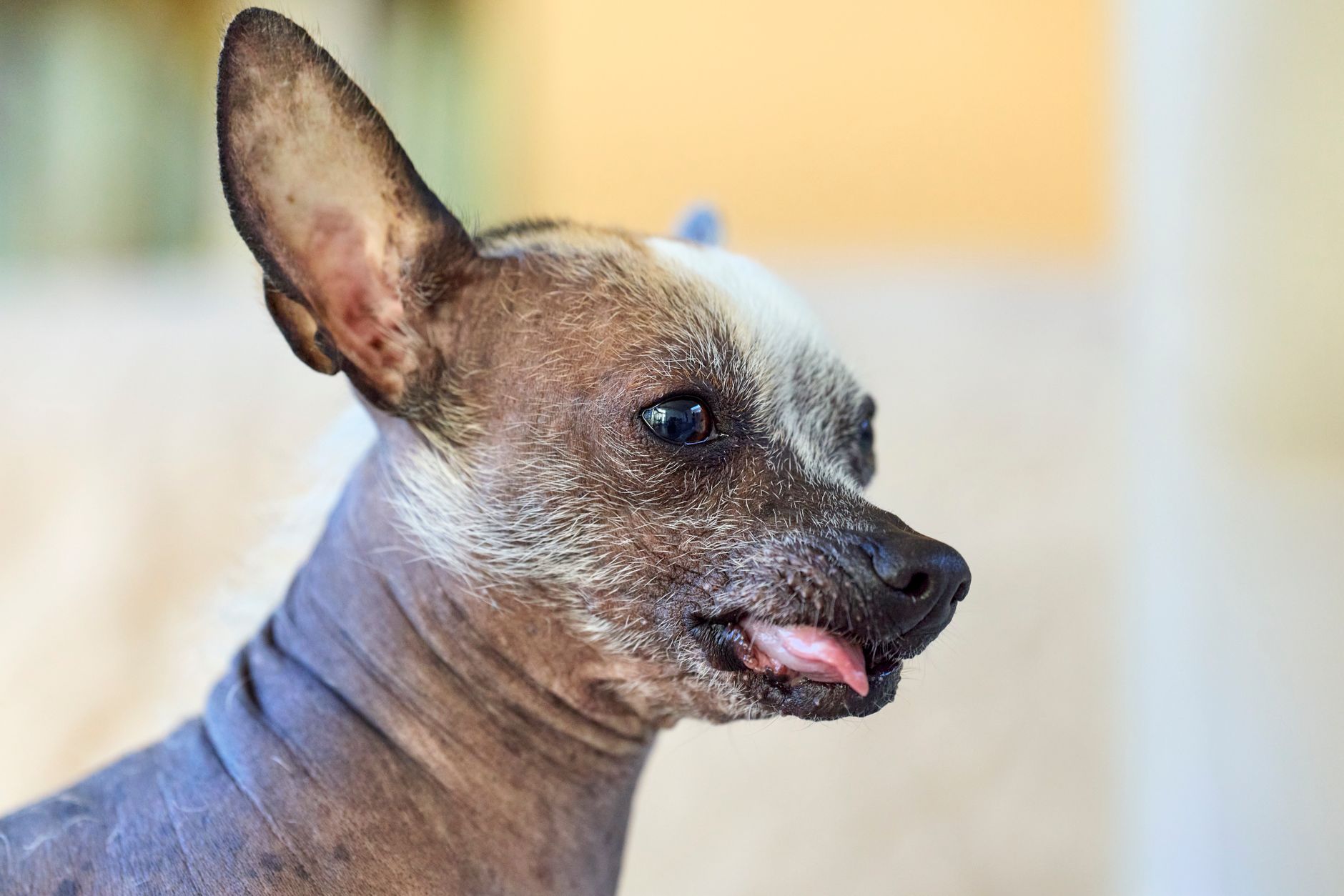
Best Food For Chinese Crested Dogs: The Skin, Teeth, and Metabolism Diet Guide
Finding the right food for a Chinese Crested is incredibly frustrating when standard diets trigger massive acne breakouts or cause immediate dental pain. The wrong kibble leaves a Hairless Crested covered in painful blemishes and a Powderpuff struggling with brittle fur. The solution is a highly customized, moderate-fat diet designed specifically for sensitive dentition.
The absolute best food for a Chinese Crested dog is a soft, fresh-food diet or a small-bite, easily soakable kibble that perfectly balances Omega-3 fatty acids without overloading their pores. This breed requires seasonal caloric adjustments to fuel their unique body temperature regulation, alongside highly specific textures to accommodate their genetically compromised teeth.
To instantly clarify the nutritional needs of this breed, here is a quick overview mind map.
🧠 Overview Mind Map: Chinese Crested Diet Matrix
- The Dental Factor: "Primitive mouths" require soft, fresh food or thoroughly soaked small-bite kibble.
- The Skin Balance: Moderate Omega-3s (salmon, krill) prevent dryness; excessive dietary fats cause cystic acne.
- The Caloric Burn: Hairless varieties need higher calories in winter just to maintain core body heat.
- The Protein Source: Lean, novel proteins (venison, turkey, whitefish) reduce allergic skin reactions and inflammation.
- The Carbohydrate Profile: Complex, slow-burning carbs (sweet potatoes, oatmeal) support a healthy gut microbiome.
Why the Chinese Crested Diet is Completely Different
Feeding a robust breed like a Golden Retriever or a muscular American Staffy is relatively straightforward. They possess standard teeth and thick, insulated coats that naturally protect their skin from the elements. The Chinese Crested, whether the Hairless or the coated Powderpuff variety, carries a unique genetic mutation that entirely changes how their bodies process food.

Their nutritional needs are heavily dictated by two massive genetic anomalies: primitive dentition and exposed, highly sensitive skin. A high-fat, rock-hard diet that works perfectly for a standard terrier will often wreak total havoc on a Crested.
Advanced Insight #1: The "Primitive Mouth" Dental Crisis
Most top-ranking feeding guides recommend hard, crunchy kibble to scrape plaque off canine teeth. For a Chinese Crested, this advice is downright dangerous. The exact same dominant gene that causes hairlessness also severely impacts tooth enamel and root development.
Hairless Cresteds frequently possess a "primitive mouth," meaning their teeth point forward, lack deep structural roots, or are missing entirely. Forcing them to crunch down on dense, rock-hard kibble frequently leads to shattered teeth, excruciating pain, and highly expensive veterinary extractions.
The optimal diet for this breed is a gently cooked fresh food diet, a high-quality canned wet food, or a freeze-dried raw diet that reconstitutes into a soft mash. If feeding dry commercial kibble is the only option, it must be a "small bites" formula thoroughly soaked in warm bone broth for ten minutes before serving.
🚨 Vet Fact: The Powderpuff variety carries two recessive genes for a full coat, meaning they usually possess a perfectly normal, strong set of teeth. However, the Hairless variety's dental structure is so fragile that even aggressive games of tug-of-war with hard rope toys can dislodge their front incisors permanently.
The Great Fat Debate: Navigating Canine Skin Health
Skin issues are the absolute number one reason Chinese Crested owners seek complete dietary overhauls. Without a protective layer of fur, the Hairless Crested's skin is exposed directly to environmental allergens, sunburn, and heavy friction. This leads to chronic dryness, flaking, and severe irritation.
The natural instinct is to flood the dog's diet with heavy oils and fats to moisturize the skin from the inside out. This is a massive, highly uncomfortable mistake.
Advanced Insight #2: The Omega Oil Acne Trap
While heavy doses of fish oil work wonders for a double-coated Australian Kelpie, a Hairless Crested's skin reacts entirely differently. Over-supplementing with liquid salmon oil or feeding overly fatty meats (like cheap beef or lamb) rapidly clogs their exposed hair follicles.
This excess dietary fat pushes through the skin, resulting in severe, painful blackhead and whitehead breakouts along the dog's back, neck, and thighs. The secret is finding the exact "Goldilocks" zone of lipid intake to keep the skin supple without triggering massive congestion.

Look for diets utilizing lean, highly digestible novel proteins like turkey, whitefish, or kangaroo. These provide essential amino acids for tissue repair and a healthy skin barrier without the heavy grease that triggers cystic canine acne.
Consider the reality of a Hairless Crested living in humid Florida. The owners aggressively supplemented the dog's kibble with liquid coconut oil to combat minor winter flaking. Within a single week, the dog's back was covered in a massive acne breakout, proving that heavy fats and bare skin are a disastrous combination in warm, humid climates.
🐾 Snoutbit Pro-Tip: If a Hairless Crested develops severe blackheads, immediately check the fat percentage on the back of the dog food bag. Transitioning to a high-quality, lean protein formula with a maximum crude fat content of 12% to 14% often clears the skin entirely within a month.
Caloric Burn and Seasonal Diet Adjustments
The metabolism of a hairless dog operates at a frantic, highly elevated pace. Without thick fur to trap body heat naturally, the Chinese Crested expends a massive amount of caloric energy simply trying to stay warm.
Standard feeding charts printed on dog food bags fail to account for this intense, breed-specific thermal regulation. Owners must actively monitor the weather and adjust the food bowl accordingly.
Advanced Insight #3: The Winter Calorie Spike
During the brutal winter months in the US Midwest, a Hairless Crested shivering during a quick potty break is burning through calories at an astonishing rate. Shivering is an incredibly demanding metabolic function.
During cold weather, these dogs frequently require a 10% to 15% increase in daily caloric intake just to maintain a healthy baseline weight. Owners must proactively increase food portions when the temperature drops, or the dog will rapidly lose vital muscle mass.
Conversely, during the blistering Australian summer heat, their metabolism slows dramatically as they spend more time lounging indoors in air-conditioned rooms. Failing to reduce their caloric intake during the hot months quickly leads to obesity, putting highly dangerous stress on their delicate joints and kneecaps.
An active Powderpuff living in Queensland, Australia, struggled with sudden, extreme weight gain during the peak of tick season. Because the intense heat and dense brush kept the dog indoors, its daily activity level plummeted. The owners had to drastically reduce the daily kibble portion and switch to low-calorie green bean treats to successfully restore the dog's sleek, athletic physique.
🚨 Vet Fact: Because Chinese Cresteds are genetically prone to primary lens luxation (a severe hereditary eye disorder), diets naturally rich in Vitamin A and beta-carotene are highly beneficial. Incorporating fresh carrots, pureed pumpkin, and leafy greens supports long-term ocular health in this vulnerable breed.
Selecting the Right Hypoallergenic Ingredients
When scanning ingredient labels, the absolute focus must be on high digestibility and hypoallergenic properties. Avoid cheap fillers like corn, wheat, and soy, which are massive triggers for severe skin inflammation and chronically itchy paws.
Instead, prioritize complex carbohydrates like sweet potatoes, brown rice, or oatmeal. These premium ingredients provide slow-burning energy and support a highly robust gut microbiome, which is directly linked to clear skin and a strong immune system.
Fresh blueberries and cranberries are fantastic bowl-toppers for this breed. They are densely packed with natural antioxidants that help protect the exposed skin cells from environmental damage and free radicals.
Safe Chews and Treat Options
Treating a Chinese Crested requires extreme, unwavering caution regarding texture. Popular treats given to heavy-chewing breeds like Frenchies or Blue Heelers, such as raw marrow bones or hard deer antlers, are strictly off-limits.

A single aggressive bite down on a dense bone can instantly fracture a Crested's primitive teeth, leading to a massive veterinary dental emergency. Always stick to highly pliable, soft treats that melt easily in the mouth.
Freeze-dried liver, soft sweet potato chews, or thinly sliced seedless cucumbers offer fantastic flavor without risking any dental trauma. Dental health for this specific breed should always be managed through daily brushing with an enzymatic gel, never by relying on hard, abrasive chews.
What To Do Next
- Perform a "Squish Test" on the Kibble: Take a single piece of the dog's current kibble and try to crush it firmly between the thumb and index finger. If it feels rock-hard and entirely impossible to break, immediately start soaking the meals in warm water or bone broth to protect the dog's fragile teeth.
- Audit the Fat Content: Check the guaranteed analysis panel on the current dog food packaging today. If the crude fat percentage exceeds 15% and the dog is actively struggling with severe acne or greasy skin, begin researching a leaner, novel protein alternative immediately.
Disclaimer: The content on Snoutbit.com is for informational and educational purposes only and is not intended to replace professional veterinary advice, diagnosis, or treatment. Always consult with your veterinarian before making significant changes to your dog’s diet, exercise routine, or health regimen.