The Truth About Pet Anxiety Supplements For Dogs (Do They Actually Work?)
Dealing with a dog shivering during violent thunderstorms or destroying wooden baseboards from severe separation anxiety breaks the heart of any dedicated pet parent. Desperate owners spend hundreds of dollars on brightly colored calming chews, only to witness their terrified pup continue to pant, pace, and panic uncontrollably. The pet industry heavily markets these over-the-counter treats as instant magic erasers for complex behavioral issues, creating false hope and rapidly draining bank accounts.
The absolute truth about pet anxiety supplements for dogs is that they are never standalone behavioral cures; they only work when directly paired with active desensitization training. The biggest takeaway is that botanical ingredients take up to forty-five minutes to cross the blood-brain barrier effectively. Handing a dog a calming chew while thunder is already crashing overhead is biologically useless.
Do Dog Anxiety Supplements Actually Work?
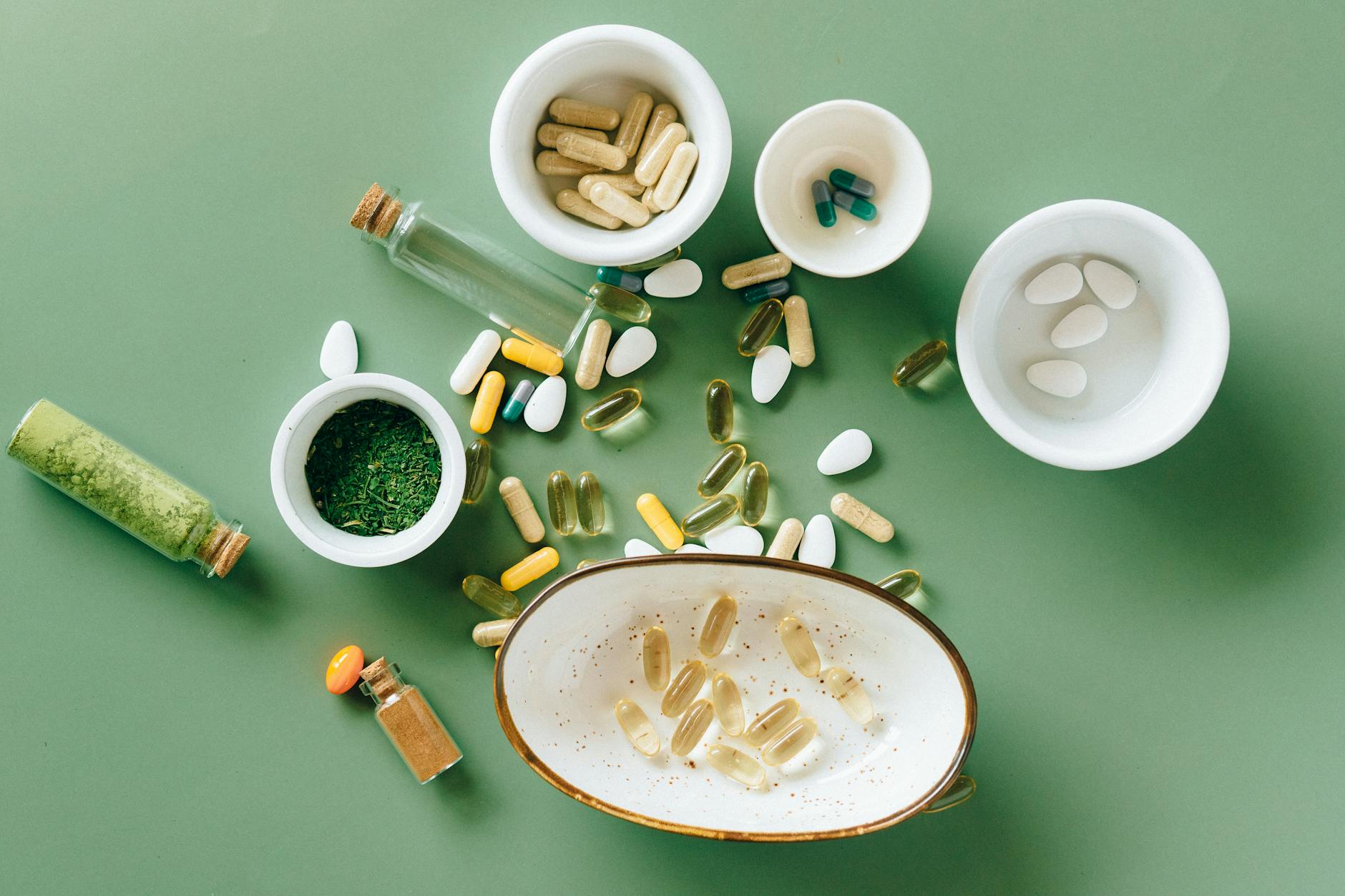
Anxiety supplements absolutely possess biological efficacy, provided the specific ingredients are clinically dosed and appropriately sourced. However, expecting a simple hemp chew to instantly cure severe, deeply ingrained separation trauma is biologically impossible. These products are designed to simply lower the canine's baseline stress threshold, taking the sharp, agonizing edge off their immediate panic.
Think of behavioral supplements as a protective, soundproof window for the canine mind. They muffle the terrifying external noise, allowing the canine brain to actually process human commands without short-circuiting. A dog locked in a full-blown panic attack cannot physically learn, retain new information, or accept high-value treats.
Lowering that initial spike in circulating cortisol allows positive reinforcement techniques to finally take root. Once the panic subsides to a manageable level, handlers can step in and reshape the dog's emotional response.
🚨 Vet Fact: The FDA does not heavily regulate the over-the-counter pet supplement industry, meaning actual ingredient potency varies wildly from jar to jar. Always look for the National Animal Supplement Council (NASC) Quality Seal on the packaging to ensure the product actually contains the promised active ingredients.
What Are The Best Calming Ingredients For Dogs?
Generic pet store shelves are flooded with proprietary botanical blends that hide incredibly low, ineffective dosages of crucial active ingredients. Meticulous label reading is the absolute only way to separate high-quality behavioral aids from glorified, expensive dog biscuits. Focus entirely on scientifically backed compounds that actively alter and soothe canine brain chemistry safely.
Look for these elite, proven ingredients when selecting a behavioral aid:
- L-Theanine: An amino acid found in green tea that naturally boosts dopamine and GABA levels in the canine brain without causing extreme drowsiness.
- L-Tryptophan: The essential biological precursor to serotonin, helping aggressive or highly reactive dogs maintain a stabilized, much calmer daily mood.
- Alpha-Casozepine: A naturally occurring milk protein that biologically mimics the soothing, deeply relaxing effect a nursing puppy experiences with its mother.
How Does Timing Ruin Calming Chews?
The absolute most common mistake well-meaning owners make is delivering the supplement entirely too late in the behavioral sequence. The canine digestive system requires significant time to break down the chew, process the active compounds through the liver, and send them directly to the brain. If the trigger event is already happening, the dog's bloodstream is already flooded with adrenaline, rendering the supplement completely ineffective.
Consider the realistic scenario of a highly reactive Blue Heeler that aggressively lunges at passing bicycles. Feeding that dog a calming chew while already standing on a busy, chaotic sidewalk achieves absolutely nothing. The supplement must be administered a full hour before the walk ever begins, allowing the brain chemistry to fully stabilize before the visual trigger appears.
Can The Gut Microbiome Impact Canine Anxiety?
Advanced veterinary science is currently revolutionizing how behavioral specialists treat chronic, unrelenting canine anxiety. There is a massive, direct neural pathway connecting a dog's gastrointestinal tract straight to their brain, widely known as the gut-brain axis. Dogs suffering from severe dysbiosis, or poor gut health, naturally produce significantly higher levels of systemic cortisol.
Feeding a highly anxious Frenchie an expensive L-Theanine supplement is completely useless if their inflamed gut cannot physically absorb the nutrients. Prioritizing a premium canine probiotic actively heals the fragile intestinal lining, maximizing the absorption rate of any behavioral supplement. A healthy, fully stabilized gut naturally produces its own serotonin, actively fighting anxiety from the inside out.
🐾 Snoutbit Pro-Tip: Never mix L-Tryptophan supplements with high-protein meals like raw beef or freeze-dried chicken. Complex proteins actively compete with Tryptophan to cross the blood-brain barrier; administering the supplement on an empty stomach or with a simple carbohydrate guarantees maximum absorption.
Do Weather Changes Trigger Dog Anxiety?
Local environmental extremes act as massive, hidden multipliers for generalized canine anxiety and sudden behavioral unpredictability. During the brutal, sweltering heat of an Australian outback summer or a highly humid US August, a dog's physical discomfort skyrockets dangerously. This intense thermal stress drastically lowers their overall frustration tolerance, making them significantly more reactive to minor triggers like doorbells or delivery drivers.
Severe regional tick seasons frequently trap energetic working breeds indoors for safety, severely limiting their necessary physical outlets. When a robust Australian Kelpie or an active Golden Retriever lacks mental and physical exhaustion, that pent-up energy rapidly transforms into destructive, pacing anxiety. Calming supplements absolutely help take the edge off, but they can never replace the fundamental biological need for rigorous daily enrichment.
Utilizing interactive puzzle toys and indoor snuffle mats alongside a premium calming chew provides a phenomenal dual-approach. The supplement lowers the baseline anxiety, while the puzzle toy actively burns off the frustrated energy.
Why Do Some Dogs React Badly To Calming Chews?
Occasionally, an owner will administer a highly-rated calming chew only to see their dog become even more frantic, vocal, and agitated. This terrifying reaction is known across the veterinary world as a paradoxical response, where the central nervous system becomes hyper-aroused instead of sedated. This happens most frequently with over-the-counter supplements containing incredibly heavy doses of Valerian Root or synthetic Melatonin.
Take the case of a rescue Staffy suffering from severe confinement anxiety when placed inside a travel crate for car rides. After receiving a heavy herbal calming chew, the dog's natural defense mechanisms kicked in, causing them to fight the sedative effect aggressively to remain alert. If a dog becomes suddenly hyperactive, destructive, or disoriented after receiving a new supplement, discontinue use immediately and consult a behavioral professional.
🚨 Vet Fact: Combining over-the-counter calming supplements with prescription veterinary anxiety medications like Fluoxetine or Trazodone is incredibly dangerous. This unmonitored combination can easily trigger Serotonin Syndrome, a potentially fatal neurological condition requiring immediate, emergency medical intervention.
How To Actually Cure Dog Anxiety?
Supplements are merely a single, foundational tool within a much larger, comprehensive behavioral modification toolkit. True, permanent behavioral change requires implementing strict, highly predictable daily routines and utilizing active counter-conditioning techniques. The supplement simply keeps the dog comfortably below their panic threshold so the actual behavioral training can take place safely.
If a dog is terrified of thunderstorms, play recorded thunder audio at an incredibly low volume while feeding them high-value treats. Slowly increase the volume over several weeks while the dog remains safely under the influence of their calming supplement. Eventually, the incredibly resilient canine brain rewires its emotional response, associating the scary noise with positive rewards rather than sheer terror.
Maintaining absolute consistency is the required secret to overcoming severe phobias and trauma. Missing training sessions or randomly skipping supplement doses allows the dog's baseline anxiety to spike right back to unmanageable levels.
What To Do Next
Dealing with a highly anxious canine companion requires immense patience, strategic planning, and unwavering household consistency. Throwing money at random, brightly colored pet store treats will not solve deeply ingrained behavioral trauma without human intervention. By utilizing high-quality supplements strategically to support active training, pet parents can successfully guide their dogs toward a calm, confident life.
Here are two simple, immediate steps to take today to help a stressed pup:
- Conduct An Ingredient Audit: Check the back of the current calming supplement jar sitting in the pantry right now. If the active ingredients are listed simply as a "proprietary blend" without exact milligram dosages, throw it away and invest in a transparent, clinically dosed brand.
- Start A Trigger Journal: Grab a notebook and document the exact time, environment, and physical reaction of the dog’s next panic episode. Identifying the exact behavioral patterns is the absolute required first step before implementing any desensitization training or new supplement protocols.
Disclaimer: The content on Snoutbit.com is for informational and educational purposes only and is not intended to replace professional veterinary advice, diagnosis, or treatment. Always consult with your veterinarian before making significant changes to your dog’s diet, exercise routine, or health regimen.