Raw Nutrition Without The Mess? The Truth About Freeze-Dried Dog Food
Is Freeze-Dried Raw Dog Food Better Than Traditional Kibble?
Struggling with a dog’s dull coat, persistent itchy skin, or picky eating habits is an exhausting cycle for any pet parent. Many owners feel overwhelmed by the intense preparation and hygiene requirements of a standard raw meat diet, yet worry that highly processed kibble is failing to provide optimal nutrition. The middle ground often feels non-existent, leaving dogs stuck with lackluster energy and digestive issues that never seem to resolve.

The definitive solution is freeze-dried raw dog food, which offers the profound nutritional benefits of a raw diet with the shelf-stable convenience of dry kibble. By removing moisture through a specialized cold-vacuum process, the ingredients retain nearly 100% of their natural enzymes, vitamins, and minerals without the need for high-heat processing. This results in superior protein bioavailability, smaller stools, and a flavor profile that entices even the most stubborn eaters.
Understanding the specific science behind this feeding method is the secret to transforming canine health without spending hours prepping raw organs in the kitchen.
What Exactly Is Freeze-Dried Raw Dog Food?
Freeze-drying is a sophisticated preservation technique that bypasses the destructive heat used to create standard dry dog biscuits. During this process, raw ingredients are frozen, and then the surrounding pressure is lowered to allow the frozen water to transition directly from a solid to a gas.
Because the food is never cooked, the delicate cellular structure of the meat, organs, and bone remains perfectly intact. This preserves the essential amino acids and heat-sensitive vitamins that are often "added back" as synthetic sprays in lower-quality commercial diets.
In years of observing high-drive Labradors and active Blue Heelers, the shift in vitality when moving to freeze-dried nutrition is unmistakable. One specific case involved a senior Golden Retriever in the US who had entirely lost interest in breakfast due to age-related dental sensitivity. Transitioning to a rehydrated freeze-dried patty allowed the dog to consume high-quality raw protein comfortably, restoring energy levels within just fourteen days.
🐾 Snoutbit Pro-Tip: Never feed freeze-dried raw food completely dry without a hydration source. Adding warm water, goat milk, or bone broth "re-activates" the dormant enzymes and ensures the dog remains properly hydrated during digestion.
Why Is Rehydration Critical For Freeze-Dried Food?
Feeding freeze-dried nuggets straight from the bag is a common mistake that leads to unnecessary digestive strain. Because the moisture has been entirely removed, the dog's stomach must pull fluids from the rest of the body to process the concentrated protein.
This can lead to mild dehydration, especially during the sweltering heat of a US Southern summer or a notorious Australian heatwave. For breeds like Staffies or Frenchies that already struggle with temperature regulation, maintaining internal hydration through "wet" feeding is a vital safety measure.
- Improved Digestion: Rehydrated food is significantly easier for the gut to break down and move through the intestinal tract.
- Enhanced Palatability: Adding warm liquid releases the natural aromas of the raw meat, making it irresistible to picky eaters.
- Kidney Support: Consistent moisture intake is the single best way to support long-term renal health in aging canines.
How Does Freeze-Dried Raw Compare To Frozen Raw?
While both options provide excellent raw nutrition, freeze-dried food offers unparalleled advantages for busy, mobile lifestyles. Frozen raw diets require massive amounts of dedicated freezer space and careful thawing protocols to prevent bacterial blooms.

Freeze-dried patties can be stored safely in a pantry for months, making them the ultimate choice for camping trips or traveling through tick-heavy coastal regions. It provides the biological benefits of a "prey model" diet without the risk of blood or meat juices contaminating the kitchen during the humid summer months.
🚨 Vet Fact: The freeze-drying process effectively reduces the risk of certain pathogens, but it does not make the food "sterile." Safe handling practices, including washing bowls and hands after feeding, remain mandatory to prevent cross-contamination.
What Are The Best Ingredients In Freeze-Dried Dog Food?
Not every bag on the shelf is created equal, and marketing labels can be intentionally deceptive. To ensure the dog is receiving elite-level nutrition, look for a "Limited Ingredient" profile that mimics a whole-prey ancestral diet.
- High-Quality Muscle Meat: This should always be the first ingredient, providing the foundational protein for muscle maintenance.
- Organ Meats: Liver, heart, and kidney act as nature’s multivitamins, providing essential copper, iron, and Vitamin A.
- Ground Bone: This supplies the exact calcium-to-phosphorus ratio required for skeletal strength and firm stools.
- Low-Glycemic Fiber: Small amounts of pumpkin, blueberries, or leafy greens support a healthy gut microbiome without causing insulin spikes.
In many Australian pet lifestyle circles, there is a growing trend toward sourcing novel proteins like kangaroo for freeze-dried blends. Kangaroo is exceptionally lean and hypoallergenic, making it a phenomenal choice for dogs with severe beef or chicken sensitivities.
Is Freeze-Dried Dog Food Too Expensive?
The primary concern for most pet parents is the higher price point compared to mass-market kibble. While the initial cost per bag is higher, the nutritional density means smaller portions are required per meal.
For those on a strict budget, utilizing freeze-dried raw as a "meal topper" is an advanced strategy that provides significant benefits without a total dietary overhaul. Adding just a few crumbled patties on top of high-quality kibble provides a massive boost of live enzymes and raw protein.
This "Boosted Bowl" approach is a favorite for owners of large breeds like Kelpies, where a 100% freeze-dried diet might be financially unsustainable. Even a 25% inclusion of raw nutrition can visibly improve coat shine and reduce the frequency of allergic skin flare-ups.
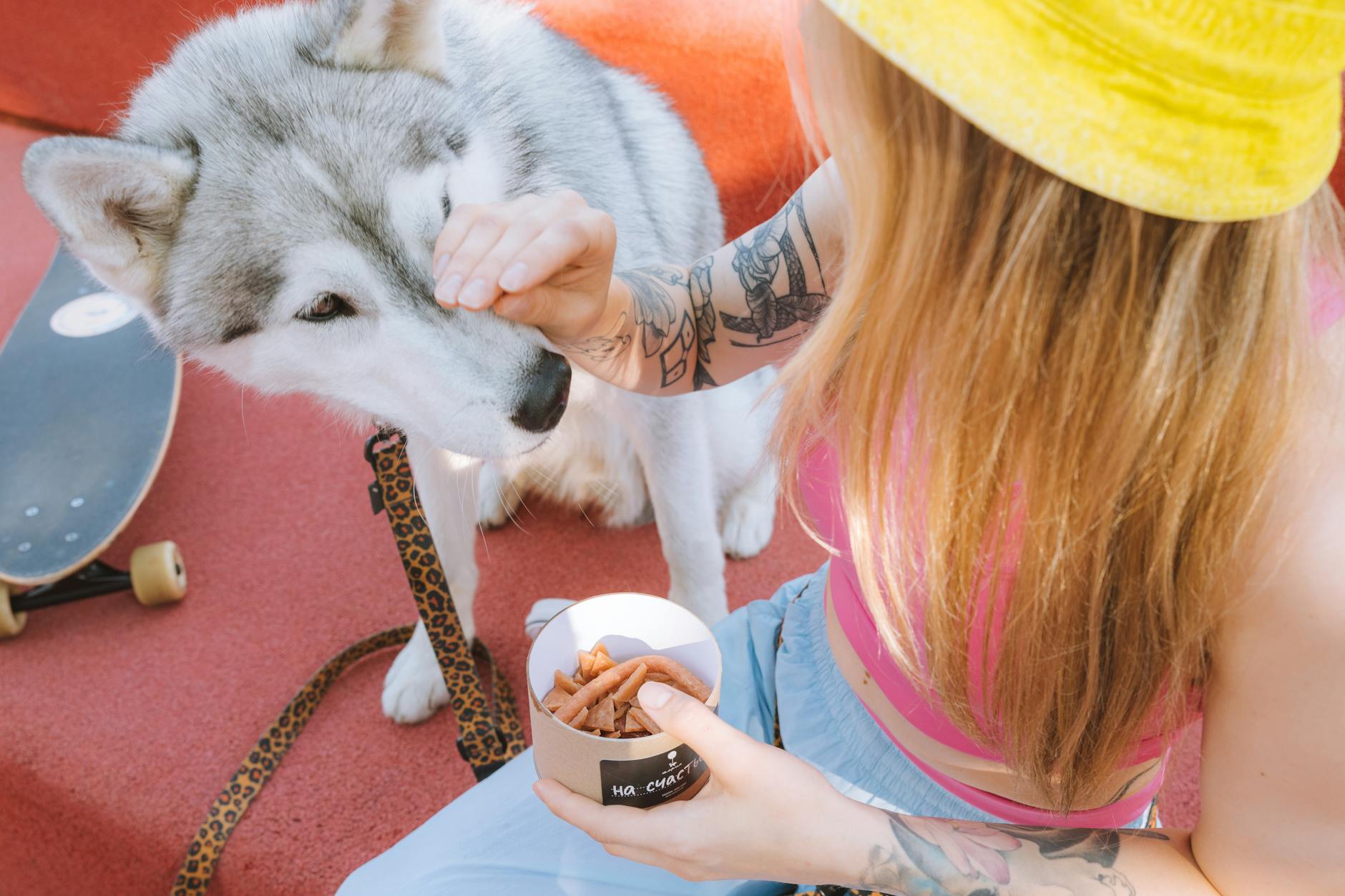
🐾 Snoutbit Pro-Tip: Use freeze-dried raw nuggets as high-value training treats. They are lightweight, non-greasy, and provide a much higher level of motivation than standard flour-based dog biscuits.
How To Safely Transition A Dog To Freeze-Dried Raw?
Switching a dog’s primary fuel source too quickly is a guaranteed recipe for explosive diarrhea and gastrointestinal distress. The canine gut microbiome requires time to adjust from a high-carbohydrate kibble diet to a high-protein raw diet.

- Days 1-3: Mix 25% rehydrated freeze-dried food with 75% of the old kibble.
- Days 4-6: Move to a 50/50 split, monitoring stool quality closely for any signs of looseness.
- Days 7-9: Increase to 75% freeze-dried raw and only 25% kibble.
- Day 10: Complete the transition to 100% freeze-dried raw nutrition.
If any vomiting or severe diarrhea occurs, go back to the previous step for an additional three days. Every dog's internal flora is unique, and some sensitive breeds may require a full fourteen days to adjust.
Does Weather Impact Storage Of Freeze-Dried Food?
While the food is shelf-stable, environmental factors can still degrade the nutritional quality over time. High humidity in tropical climates or extreme US summer heat can cause the natural fats in the meat to oxidize and turn rancid.
Always store the food in its original packaging, ensuring the zip-lock seal is completely airtight after every use. Keeping the bag in a cool, dark pantry away from direct sunlight preserves the integrity of the omega fatty acids and vitamins.
🚨 Vet Fact: Freeze-dried raw food is exceptionally calorie-dense. Owners must use a kitchen scale or a precise measuring cup to avoid overfeeding, as even a small surplus of these nutrient-rich nuggets can lead to rapid weight gain.
What To Do Next
Transforming a dog's health through superior nutrition is one of the most impactful decisions any owner can make. Freeze-dried raw food offers the perfect bridge between ancestral biological needs and the convenience of a modern lifestyle.
Here are two simple, immediate steps to take today to explore this feeding method:
- Buy a "Trial Bag": Purchase a small bag of freeze-dried raw nuggets to use specifically as high-value rewards for the next forty-eight hours. Observe the dog’s enthusiasm and energy levels to see if they are a good candidate for a full transition.
- Audit the Current Label: Read the first five ingredients of the current dog food. If the list is dominated by corn, wheat, or "meat by-products," start the transition to a high-protein freeze-dried topper this weekend.
Disclaimer: The content on Snoutbit.com is for informational and educational purposes only and is not intended to replace professional veterinary advice, diagnosis, or treatment. Always consult with your veterinarian before making significant changes to your dog’s diet, exercise routine, or health regimen.