
Can Dogs Eat Watermelon? The Hidden Seed Dangers And Safe Feeding Rules
Summer temperatures are soaring, the family is enjoying fresh fruit on the patio, and a panting dog is staring with intense, begging eyes. Denying a hot, exhausted pup a refreshing snack feels incredibly harsh. Yet, tossing them a casual slice of watermelon often leads to sudden panic about swallowed seeds or chewed rinds causing a massive veterinary emergency.
The immediate relief is knowing that dogs can absolutely eat watermelon safely, provided owners follow a few non-negotiable preparation steps. The juicy pink flesh is ninety-two percent water, making it a powerhouse for rapid canine hydration. The golden rule is absolute, meticulous removal of the dense green rind and all solid black seeds before a single piece touches the dog's bowl.
Why are watermelon seeds dangerous for dogs?
While a single swallowed seed will not instantly poison a dog, consuming multiple black watermelon seeds presents a severe physical hazard. These seeds do not break down easily inside the canine digestive tract. When a dog excitedly gulps down unseeded fruit, those tiny, hard shells clump together within the intestines.
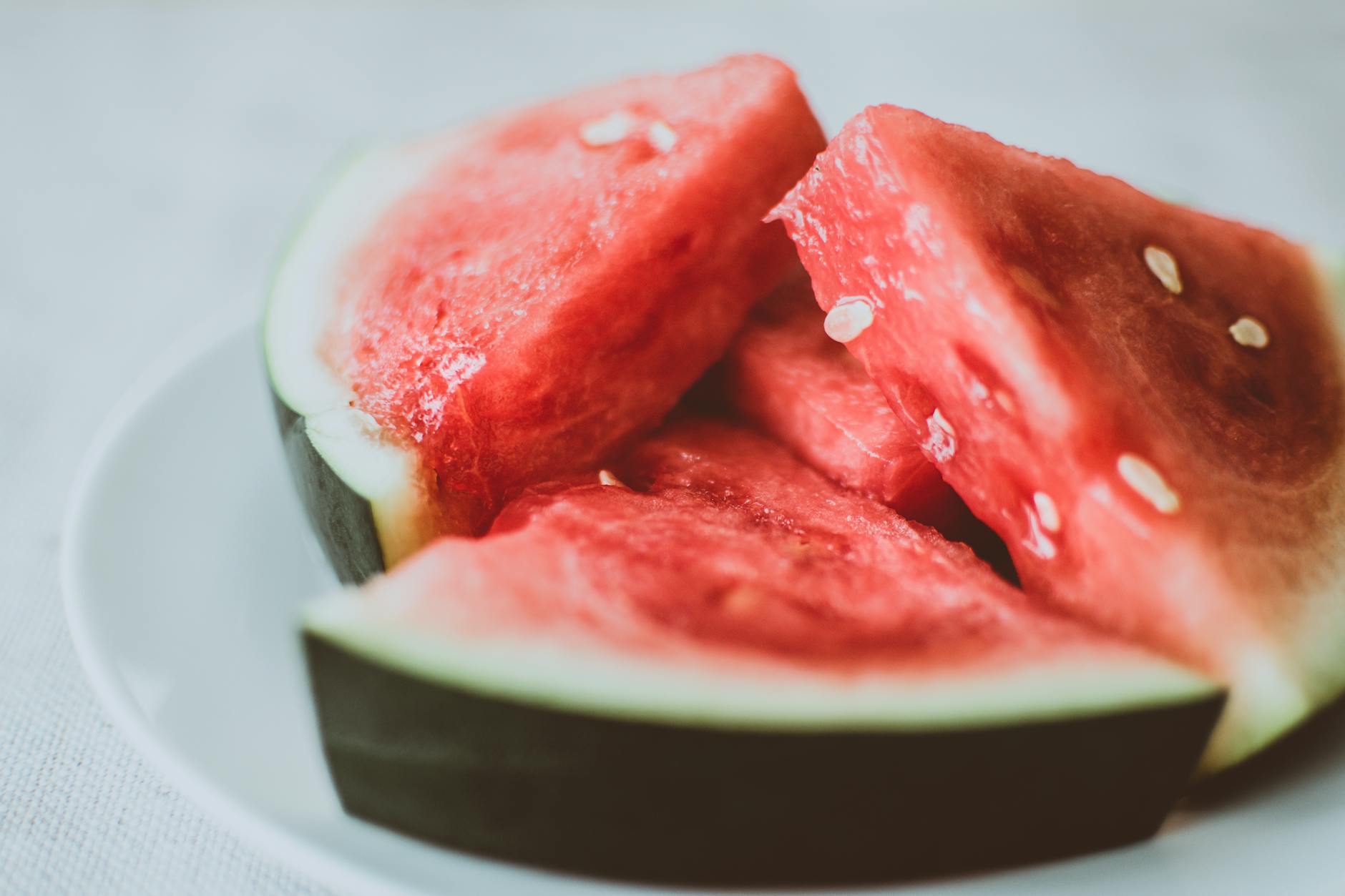
For toy breeds like Chihuahuas or Frenchies, this seed accumulation quickly creates a painful, impenetrable gastrointestinal blockage. This specific type of obstruction often requires thousands of dollars in emergency abdominal surgery to resolve. Always opt for purchasing "seedless" watermelons, and still take the extra thirty seconds to pick out any stray white or pale seeds just to be absolutely certain.
🚨 Vet Fact: Unlike apple seeds, which contain trace amounts of toxic cyanide, watermelon seeds are completely non-toxic. The danger they present to dogs is entirely structural, acting as a physical barricade inside the narrow canine bowel.
What happens if a dog eats watermelon rind?
The green, outer skin of the watermelon is incredibly dense, highly fibrous, and entirely indigestible for the canine stomach. Dogs possess much shorter digestive tracts than humans, completely lacking the specific enzymes required to break down this tough plant material. Swallowing a chunk of rind acts exactly like swallowing a biological cork.
Consider a horrific scenario involving a robust Staffy during a sweltering Queensland heatwave. The family left a pile of chewed watermelon rinds unattended near the barbecue, and the dog inhaled several large pieces. The dog spent the entire weekend at an emergency clinic suffering from violent vomiting and a severely arched, painful back until the obstruction finally passed.
Always dispose of the rinds in a securely latched trash can immediately after slicing the fruit. Never leave them sitting on picnic tables or low outdoor counters where a food-motivated dog can easily counter-surf.
How do local climates impact canine hydration needs?
Environmental extremes dictate exactly how this fruit should be utilized for maximum health benefits. In the deep, humid heat of the American South, a thick-coated Golden Retriever loses massive amounts of moisture simply through constant panting. Offering fresh, chilled watermelon cubes rapidly replenishes this lost cellular water without adding heavy, lethargy-inducing calories to their diet.
Conversely, the intense, dry heat of an Australian summer presents a constant, deadly threat of heatstroke for active working breeds. A Blue Heeler or Kelpie running across a rural property requires immediate core-temperature reduction after intense physical exertion. Blending the watermelon flesh into a liquid and freezing it in silicone molds creates a life-saving, ice-cold "canine popsicle" that safely cools the dog from the inside out.
🐾 Snoutbit Pro-Tip: Freeze large chunks of seedless watermelon and toss them directly into the dog's main water bowl during hot afternoons. The floating fruit acts like flavorful ice cubes, heavily encouraging reluctant drinkers to consume significantly more water.
What are the hidden health benefits of watermelon?
Beyond extreme hydration, this vibrant fruit is absolutely packed with bioavailable nutrients. It serves as an incredibly rich source of lycopene, the powerful antioxidant responsible for the bright red color. Lycopene actively hunts down and neutralizes harmful free radicals, drastically reducing cellular inflammation in senior dogs battling osteoarthritis.

Furthermore, watermelon is virtually fat-free and incredibly low in calories. This makes it the ultimate, guilt-free training currency for obese dogs undergoing strict weight-loss regimens. Owners can heavily reward a dieting dog with sweet, crunchy cubes without derailing their weekly caloric deficit goals.
What are advanced ways to prepare watermelon for dogs?
Standard slicing is perfectly fine, but elevating the preparation method provides massive cognitive enrichment and nutritional optimization. Most pet owners entirely miss out on these specific, expert-level feeding strategies.
- The Lycopene Absorption Hack: Lycopene is a fat-soluble antioxidant, meaning the canine body struggles to absorb it without a lipid carrier. Serve a small bowl of diced watermelon alongside a single, tiny drop of high-quality canine fish oil. This simple pairing drastically increases the biological absorption rate of the cancer-fighting nutrients.
- The Hydration Matrix: Instead of serving plain chunks, thoroughly mash the seedless watermelon flesh and mix it with sodium-free canine bone broth. Pour this nutrient-dense slurry into a grooved rubber lick-mat and freeze it solid. This provides intense, long-lasting mental stimulation while simultaneously forcing a massive influx of joint-supporting collagen and deep hydration.
- The Rind Infusion Trick: While dogs cannot eat the rind, the green skin still holds incredible flavor and trace minerals. Thoroughly wash the rind, steep it in a pitcher of fresh water in the refrigerator overnight, and then remove the rinds completely. Pouring this subtly flavored, perfectly safe "watermelon water" into the dog's bowl highly encourages picky drinkers to stay hydrated during heavy tick-season hikes.
🚨 Vet Fact: A massive influx of natural fruit fructose pulls excess water directly into the dog's large intestine. Overfeeding watermelon will almost instantly trigger severe, liquid diarrhea, entirely negating all previous hydration benefits.
Can puppies safely eat watermelon?
Puppies possess highly sensitive, rapidly developing gastrointestinal systems that are easily thrown into absolute chaos by novel foods. Introducing fruit too early causes intense diarrhea, which quickly leads to life-threatening dehydration in small pups. Wait until the puppy is at least twelve weeks old and fully stabilized on their primary kibble diet before introducing this watery treat.
Once they reach the painful teething stage, frozen watermelon becomes an absolute, natural lifesaver. The rock-hard, icy texture safely numbs the puppy's inflamed, bleeding gums as their adult teeth push through the jawline. This provides immediate, chemical-free pain relief while successfully redirecting their destructive chewing urges away from the household baseboards.
How much watermelon should a dog eat daily?
Treats, including fresh fruit, must never exceed ten percent of a dog's total daily caloric intake. Watermelon is highly nutritious, but it still contains significant levels of natural fruit sugars. Overfeeding causes a severe imbalance in the delicate gut flora and completely ruins a dog's appetite for their nutritionally complete dinner.

A family with a young Frenchie at a Texas Fourth of July party learned this lesson the hard way. They allowed the small dog to gorge on an entire platter of dropped watermelon cubes throughout the afternoon. The massive, sudden sugar spike resulted in explosive diarrhea that stained the carpets and required a bland-diet reset for three full days.
For extra-small breeds, two or three tiny, one-inch cubes is the absolute maximum daily limit. Medium breeds like Staffies can safely consume a small handful of diced fruit without gastrointestinal upset. Large breeds like Golden Retrievers max out at two thick slices, heavily dependent on their daily physical activity level.
Can dogs eat yellow watermelon?
Yellow watermelon varieties are completely safe for canine consumption, following the exact same strict preparation rules. These unique melons simply lack lycopene, the compound that creates the traditional red pigment. Instead, they are incredibly rich in beta-carotene, a vital nutrient that beautifully supports canine eye health and immune function.
Never feed a dog commercially manufactured watermelon juices, syrups, or artificially flavored gummies. These highly processed human products are absolutely saturated with concentrated sugars and toxic artificial sweeteners like xylitol. A sudden, massive spike in blood sugar heavily strains the canine pancreas and drastically accelerates long-term obesity risks.
🐾 Snoutbit Pro-Tip: When slicing a watermelon for the family, designate a specific "dog-safe" bowl on the counter. Actively place the perfectly clean, seedless, rind-free center cuts into this bowl to prevent confused guests from accidentally tossing dangerous scraps to the dog.
What To Do Next
- Conduct a Trash Can Audit: Check the kitchen right now to ensure the main trash receptacle has a secure, dog-proof locking lid. Watermelon rinds smell incredibly sweet, and a determined dog will easily knock over an open bin to reach the dangerous, discarded scraps.
- Prepare a Frozen Batch Today: Buy a fresh, seedless watermelon, carve out the center flesh, and dice it into small, manageable cubes. Place these cubes flat on a parchment-lined baking sheet and freeze them solid before transferring them to a ziplock bag for instant, safe summer rewards.
Disclaimer: The content on Snoutbit.com is for informational and educational purposes only and is not intended to replace professional veterinary advice, diagnosis, or treatment. Always consult with your veterinarian before making significant changes to your dog’s diet, exercise routine, or health regimen.


