The Secret To A Longer Life: What Is The Best Food For French Bulldogs?
Hearing a French Bulldog struggle for breath while dealing with chronic skin rashes and room-clearing flatulence is incredibly stressful. Relying on generic, mass-produced kibble fuels systemic inflammation, leading to massive veterinary bills and tragically shortened lifespans. The absolute best dog food for French Bulldogs to maximize longevity is a limited-ingredient, anti-inflammatory diet featuring a novel protein and robust omega-3 fatty acids.

Eliminating common poultry allergens and heavily processed carbohydrates rapidly cools internal inflammation. This specific dietary shift directly supports better respiratory function, pristine gut health, and a significantly extended, comfortable life.
What Are The Most Common French Bulldog Food Allergies?
Frenchies are genetically predisposed to hyper-reactive immune systems that constantly misidentify basic food ingredients as dangerous biological threats. Despite the pet food industry's heavy reliance on chicken and beef, these two exact proteins are the leading culprits behind severe canine dietary allergies. Years of feeding highly processed, poultry-based diets cause the Frenchie's gut to aggressively reject the protein, resulting in raw, itchy paws and explosive diarrhea.
Swapping to a clean, novel protein completely bypasses this overactive immune response. Elite canine nutritionists heavily favor proteins that the dog has never encountered before, effectively flying under the immune system's radar.
- Rabbit: An incredibly lean, highly digestible meat that rarely triggers skin reactions.
- Kangaroo: Extremely popular across Australia, this wild-caught protein is entirely free of factory-farm antibiotics and works miracles for allergy-prone pups.
- Wild-Caught Salmon: Provides vital, skin-soothing amino acids without the massive inflammatory load of factory-farmed beef.
🚨 Vet Fact: True food allergies in canines almost always manifest physically on the skin first, particularly through chronic ear infections and intense licking of the front paws. If a Frenchie constantly chews their feet, the primary protein in their food bowl is the most likely suspect.
Why Is Kibble Shape Crucial For Flat-Faced Breeds?
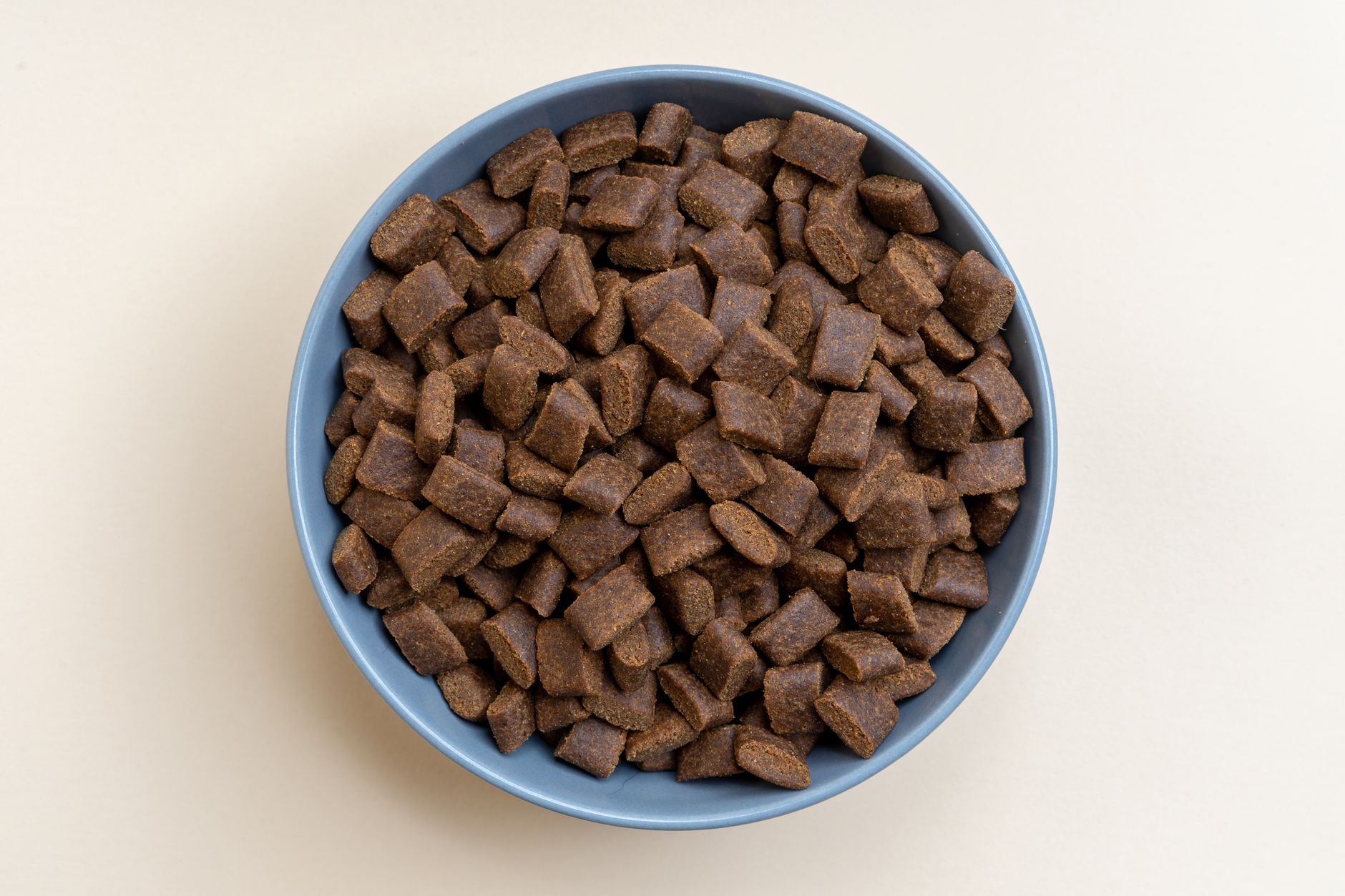
Standard dog food pellets are generally designed for dogs with long, traditional snouts like Golden Retrievers or Kelpies. Brachycephalic breeds possess uniquely compressed jaws and palate structures, making picking up tiny, perfectly round kibble pieces incredibly frustrating. Frenchies often end up "vacuuming" their food rather than chewing it, frantically swallowing massive amounts of excess air in the process.
This ingested air leads directly to aerophagia, a condition that causes agonizing stomach bloating and notorious, foul-smelling flatulence. Seeking out specialized brachycephalic kibble shapes—typically curved, crescent, or wave-shaped pellets—allows the dog's unique jaw to actually grasp and crush the food. Crushing the kibble slows down the eating process and initiates proper digestion right inside the mouth, drastically reducing post-meal gas.
What Is The Link Between Diet And French Bulldog Breathing?
This is a highly advanced anatomical insight that generic pet guides completely fail to mention regarding flat-faced breeds. A Frenchie's respiratory system is already severely compromised by narrowed airways and elongated soft palates. When a highly fermentable diet causes massive gas buildup, that bloated stomach physically presses upward directly against the diaphragm.
This upward pressure severely restricts the lungs' ability to fully expand, turning mild respiratory distress into a dangerous breathing crisis. Feeding a highly digestible, low-residue diet ensures the stomach empties quickly, keeping the diaphragm entirely free from unnecessary physical pressure. Keeping the waistline incredibly lean is the ultimate, non-surgical intervention for supporting clear, unobstructed canine airways.

🐾 Snoutbit Pro-Tip: Implement a slow-feeder bowl or a textured lick mat for every single meal. Forcing a French Bulldog to eat slowly actively prevents the rapid gulping of air, which is the absolute fastest way to stop room-clearing flatulence.
Can Environmental Heat Dictate A Frenchie's Diet?
Local climate extremes act as massive, hidden multipliers for dietary distress and systemic inflammation. During the brutal, sweltering heat of an Australian outback summer or a highly humid US August, a Frenchie's body diverts critical energy away from digestion just to survive the heat. Feeding a massive, heavy meal of dry kibble during a heatwave forces the digestive system to generate excess internal warmth, accelerating dangerous heat stress.
In these extreme coastal and humid regions, hydration must be actively built directly into the food bowl. Adding cooling, anti-inflammatory moisture like unsalted bone broth or pureed cucumber drastically reduces the digestive burden placed on the dog's body. While robust working breeds like Blue Heelers or Staffies can power through a hot summer afternoon, a Frenchie requires strategic, moisture-rich meals to prevent fatal overheating.
Furthermore, notorious regional tick seasons often mandate heavy oral preventatives that can temporarily disrupt the delicate canine gut microbiome. Providing a diet rich in natural prebiotics, like chicory root or dandelion greens, keeps the gut flora stabilized while the body processes these necessary seasonal medications.
How Do Omega-3s Extend A French Bulldog's Lifespan?
Joint pain and spinal degradation are incredibly common tragedies that prematurely end the active lives of many French Bulldogs. The breed's unique, compact skeletal structure places immense, unnatural pressure on their vertebrae and hip joints with every single step. Protecting these vital joint capsules early is not just about daily comfort; it is a critical, life-extending longevity strategy.
Standard fish oils are helpful, but elite anti-aging nutrition points directly toward cold-water marine omega-3s to actively shut down systemic joint inflammation. Preventing early cartilage degradation allows these stout little companions to maintain vital cardiovascular exercise well into their senior years. Dogs that continue moving pain-free organically maintain their lean muscle mass, which directly extends their overall lifespan.
🚨 Vet Fact: Carrying just two extra pounds of fat on a French Bulldog's small frame is the equivalent of a human carrying thirty extra pounds. This excess adipose tissue is highly inflammatory and constantly pumps damaging hormones directly into the bloodstream, rapidly accelerating the aging process.
Should French Bulldogs Eat Grain-Free Food?
The commercial pet food industry aggressively pushed grain-free diets for years, convincing owners that all carbohydrates were biologically harmful. However, veterinary cardiologists have recently uncovered a potential, highly concerning link between boutique grain-free diets and canine dilated cardiomyopathy (DCM). Unless a Frenchie has a formally diagnosed, veterinary-confirmed gluten allergy, entirely eliminating grains is often an unnecessary and potentially dangerous gamble.

Wholesome, ancient grains actually provide fantastic, highly digestible soluble fiber that actively firms up loose canine stools.
- Oatmeal: Extremely gentle on the stomach and provides a slow-burning energy source that avoids massive insulin spikes.
- Sorghum: A highly resilient, nutrient-dense ancient grain packed with natural antioxidants to fight cellular aging.
- Brown Rice: Offers excellent dietary fiber to nourish beneficial gut bacteria and completely stabilize unpredictable bowel movements.
Veterinary professionals frequently observe Frenchies thriving on grain-inclusive diets that simply avoid heavily processed wheat, corn, and soy. Focusing on high-quality, whole-food ingredients rather than jumping on fad diet bandwagons is the safest path to long-term canine health.
Can Probiotics Increase A French Bulldog's Lifespan?
Gastrointestinal health completely dictates almost every facet of systemic canine health, from immune responses to behavioral stability. Advanced veterinary science reveals that a wildly diverse gut microbiome is highly correlated with extreme longevity in canines. Dogs with incredibly poor gut diversity suffer from chronic systemic inflammation, which is the absolute root cause of premature cellular aging.
French Bulldogs are notoriously plagued by "leaky gut syndrome" due to years of environmental stressors and poor breeding practices. When the intestinal lining becomes overly permeable, undigested food particles escape directly into the bloodstream, triggering massive, full-body allergic reactions. Adding a robust, multi-strain canine probiotic to the daily diet actively supports and reinforces this fragile intestinal barrier.
Canine behavioral specialists frequently encounter Frenchies whose severe anxiety and irritability stem entirely from chronic, silent stomach pain. Once a high-quality probiotic and targeted digestive enzymes are introduced, the dog's entire demeanor physically relaxes. A dog that properly absorbs their nutrients and lives without daily abdominal cramping is biologically equipped to live a significantly longer life.
🐾 Snoutbit Pro-Tip: Do not rely exclusively on the probiotics baked into commercial dry kibble. The extreme heat used during the extrusion manufacturing process completely destroys these delicate, living bacteria, rendering them entirely useless by the time the bag opens.
How Often Should A French Bulldog Eat Each Day?
Maintaining a highly stabilized blood sugar level is critical for extending the lifespan of small, muscular breeds. Feeding a Frenchie one massive meal per day overwhelms their short digestive tract and triggers severe insulin spikes. These daily spikes create immense metabolic stress, heavily taxing the pancreas and rapidly accelerating biological aging.
Veterinary professionals universally recommend splitting a Frenchie’s daily caloric allowance into three smaller, evenly spaced meals. This specific feeding schedule prevents the stomach from ever becoming dangerously overloaded with expanding kibble. A consistently digesting gut produces significantly less gas, keeping the dog entirely comfortable and their respiratory system totally unobstructed.
What To Do Next
Transforming a French Bulldog's health trajectory requires immediate, proactive changes to their daily nutritional intake. By eliminating generic, inflammatory ingredients and prioritizing lean body mass, families can effortlessly add vibrant, comfortable years to their dog's life.
Here are two simple, immediate steps to take today to upgrade the food bowl:
- Conduct An Ingredient Audit: Grab the current bag of dog food right now and read the first three ingredients on the back panel. If the list contains "chicken by-product meal," "corn gluten," or unnamed "meat meals," begin researching a limited-ingredient, novel protein alternative today.
- Add Functional Moisture: Purchase a carton of dog-safe, unsalted bone broth or a tin of water-packed sardines this afternoon. Pouring a small amount over the evening kibble provides an instant, highly palatable boost of joint-protecting omega-3s and vital hydration.
Disclaimer: The content on Snoutbit.com is for informational and educational purposes only and is not intended to replace professional veterinary advice, diagnosis, or treatment. Always consult with your veterinarian before making significant changes to your dog’s diet, exercise routine, or health regimen.