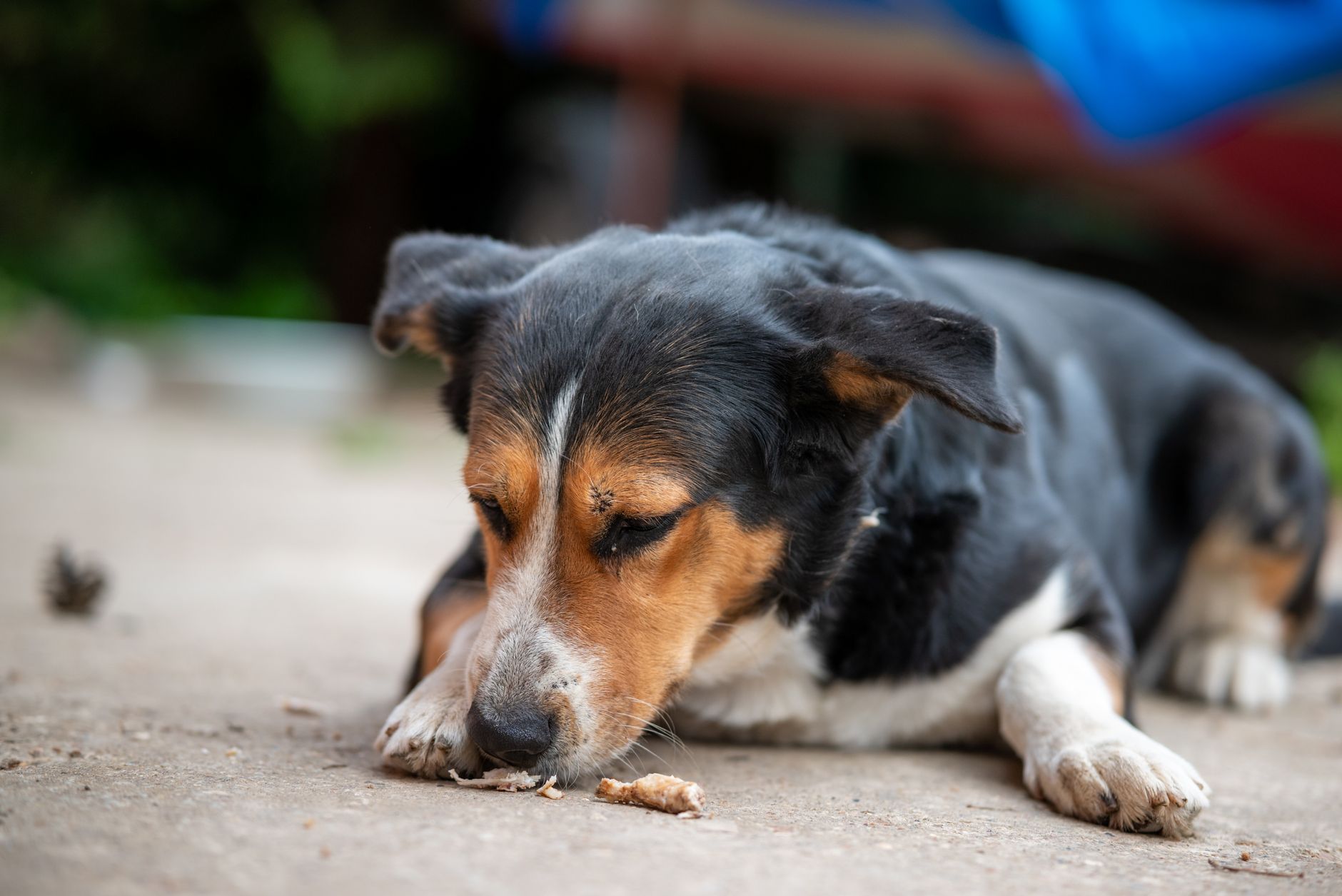
How To Treat Dog Paw Irritation: 5 Advanced Solutions To Stop The Chewing Cycle
Waking up at three in the morning to the relentless, highly stressful sound of a dog violently slurping and chewing their own feet is an absolute nightmare. The constant moisture causes the skin to rapidly deteriorate, transforming a minor itch into a severe, highly painful, and expensive bacterial infection. Handlers often panic, frantically purchasing highly marketed, expensive organic paw balms that ultimately do absolutely nothing to stop the agonizing behavior.
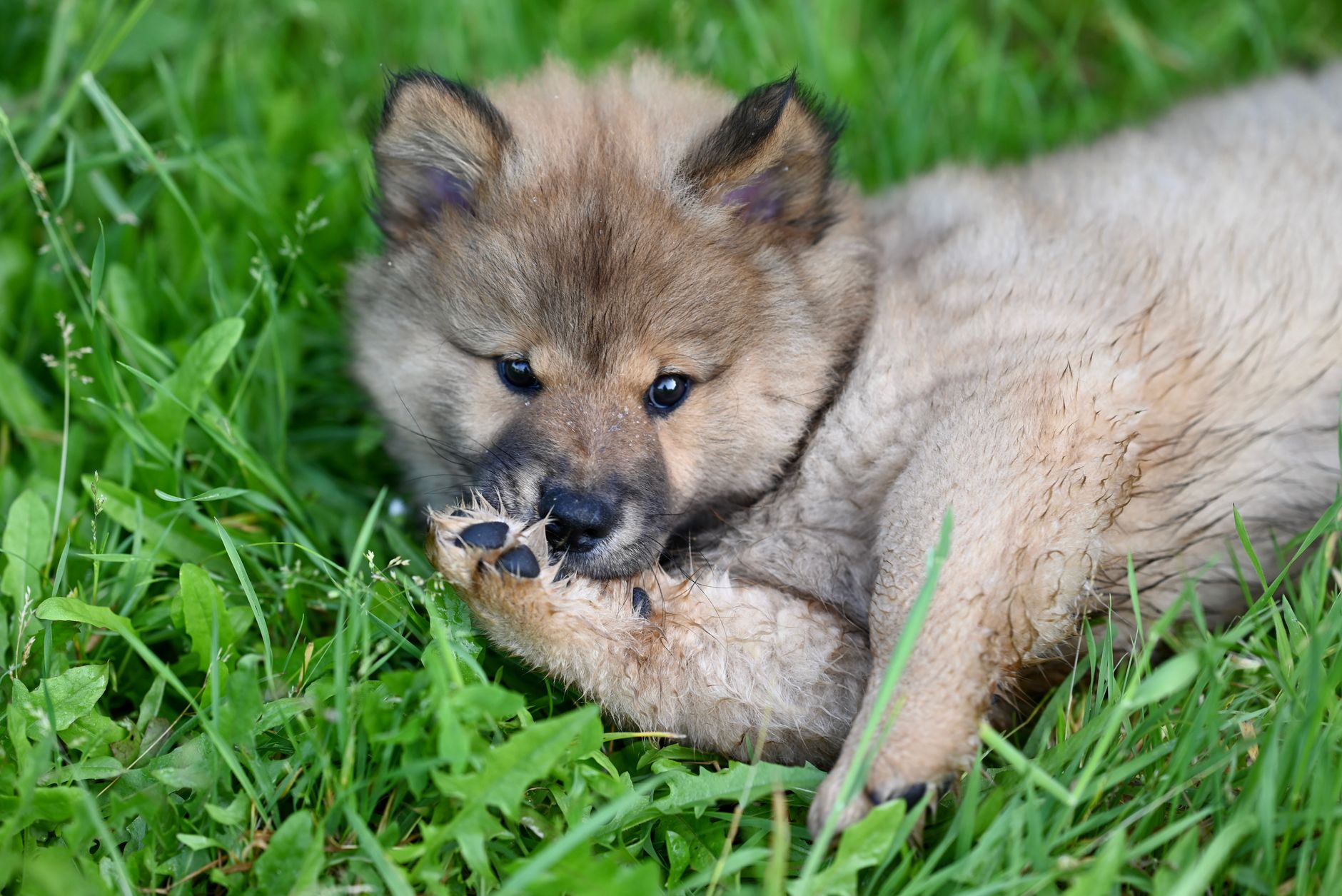
The biggest takeaway is that successfully treating dog paw irritation requires aggressively identifying the root cause rather than blindly masking the symptom. Canine paw pads act exactly like porous sponges, constantly absorbing highly reactive microscopic pollen, lawn fertilizers, and harsh de-icing salts. Immediate relief strictly requires actively washing these invisible irritants completely off the skin while utilizing an impenetrable physical barrier to stop the dog's abrasive tongue from destroying the healing tissue.
Canine Paw Irritation: Overview Mind Map
- Environmental Triggers: Boiling summer asphalt, harsh winter rock salt, and invisible seasonal pollen resting directly on the grass.
- Biological Culprits: Severe systemic food intolerances (poultry or beef) and aggressive, localized Malassezia yeast overgrowth.
- The Danger Loop: The physical act of licking deposits heavy moisture, turning the paw into a perfectly humid incubator for rapidly multiplying bacteria.
- Effective Interventions: Diluted povidone-iodine soaks, inflatable recovery collars, and highly breathable protective outdoor booties.
The Frito-Foot Phenomenon and Yeast Overgrowth
Generic pet advice frequently labels all paw chewing as a simple grass allergy, entirely missing the devastating secondary infection secretly driving the urge to self-mutilate. Malassezia is a completely natural yeast organism that lives harmlessly on the skin of every single healthy dog. However, when the skin barrier becomes slightly inflamed by pollen or excessive moisture, this yeast aggressively multiplies into a severe fungal infection.
This massive yeast overgrowth produces a distinctly foul, incredibly musty odor frequently compared to old corn chips or damp, unwashed athletic socks. The yeast organisms actively dig deep into the sensitive nail beds and the tight crevices between the toes. This causes an incredibly deep, burning itch that standard allergy pills or soothing balms cannot physically touch.
🐾 Snoutbit Pro-Tip: Meticulously inspect the dog's nail beds and the deep hair between their paw pads under a bright, direct light. If the skin is an angry, rusty red or the surrounding hair is heavily stained a distinct brownish-red color from saliva, a severe yeast infection is aggressively driving the constant chewing.
Advanced Insight 1: The Povidone-Iodine Paw Soak
When an owner returns from a neighborhood walk, simply wiping the dog's feet with a dry towel completely fails to remove microscopic, deeply embedded allergens. Elite handlers entirely bypass generic pet wipes and utilize a highly targeted, heavily diluted povidone-iodine soak to actively neutralize invisible threats. Povidone-iodine is a completely safe, non-toxic, anti-microbial solution that physically destroys aggressive yeast and bacteria on contact.
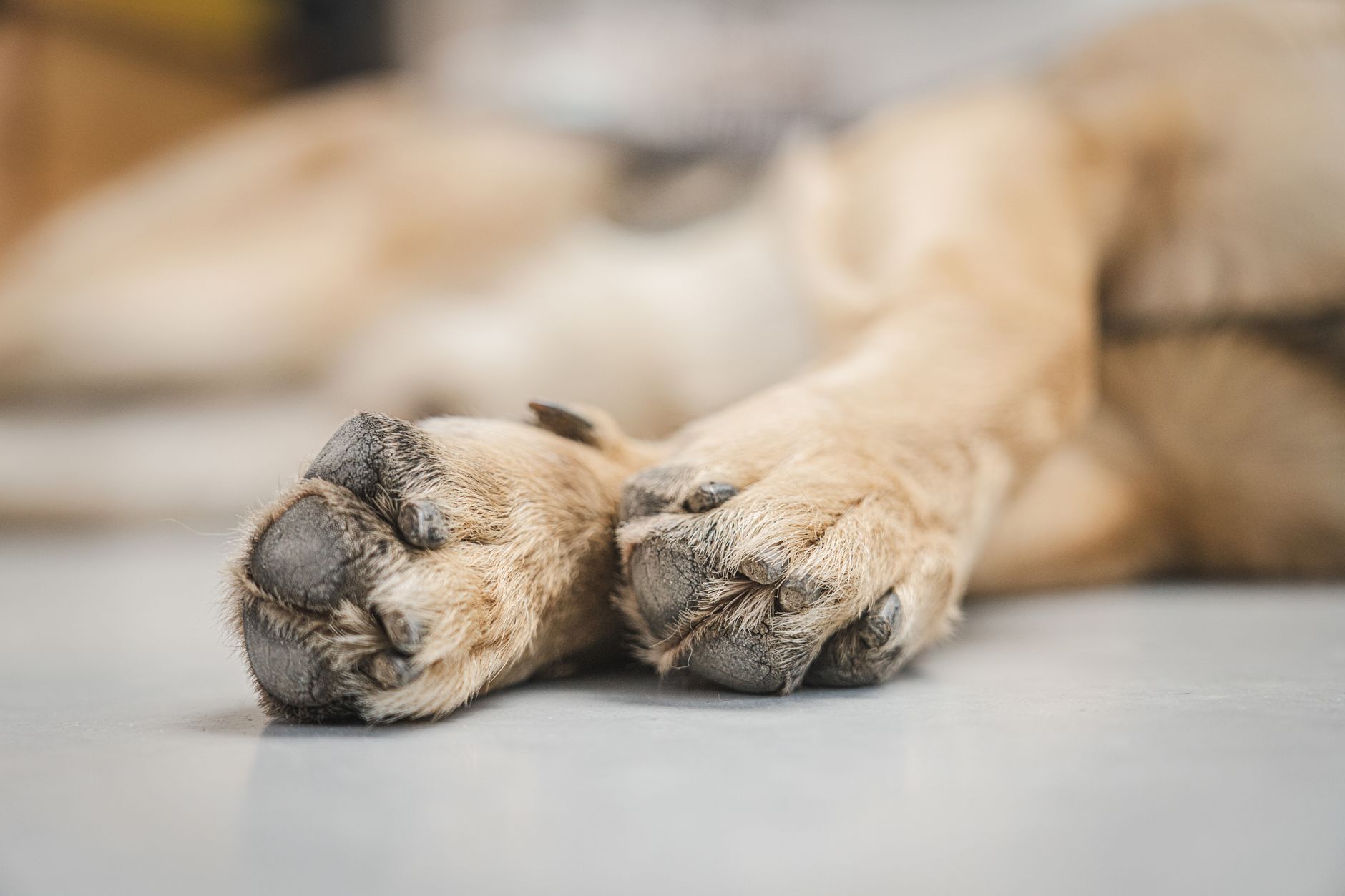
- Fill a small plastic tub or specialized paw washer with warm water and add enough povidone-iodine until the liquid resembles the color of weak iced tea.
- Physically dunk each paw directly into the solution for exactly thirty seconds, ensuring the liquid fully penetrates the tight spaces between the toes.
- Do not rinse the paws with fresh water afterward; simply pat them completely dry with a highly absorbent microfiber towel.
This specific protocol effortlessly washes away highly reactive Bermuda grass pollen, dangerous lawn chemicals, and the microscopic yeast causing the heavy itching. Executing this simple soak once a day completely transforms an irritated, bright red paw into a calm, healthy appendage within days.
The Hidden Danger of Chemical Burns
Millions of dogs suffer from severe, agonizing paw irritation simply because owners fail to recognize the immense chemical dangers lurking on public sidewalks. During harsh winter months, municipalities dump thousands of pounds of highly toxic, jagged rock salt and chemical de-icers across neighborhood roads. When a dog walks through this icy slush, the jagged salt physically cuts the soft paw pads, while the melting chemicals cause brutal, localized chemical burns.
Take the terrifying reality of a young Siberian Husky living in downtown Chicago who suddenly refused to walk and began aggressively biting its front paws. The owners mistakenly assumed the dog had developed a sudden, severe food allergy and began entirely switching kibble brands. A veterinary dermatologist quickly recognized severe chemical burns hidden deep between the toe webbing, caused entirely by unwashed winter street salt.
Once the owners implemented mandatory winter booties for every single outdoor excursion, the excruciating paw chewing stopped completely overnight. The exact same hazard exists in the summer, when boiling black asphalt acts exactly like a frying pan, causing massive thermal burns to unprotected canine feet.
🚨 Vet Fact: A dog's paw pads are highly specialized, thickened layers of keratin designed to absorb heavy shock and provide crucial traction. However, they are entirely incapable of withstanding extreme surface temperatures; if a human hand cannot comfortably press against the asphalt for ten seconds, it will violently burn a canine paw.
Advanced Insight 2: The Moisture Trap Mistake
When owners notice dry, cracked, or highly irritated dog paws, their first biological instinct is to heavily apply thick, moisturizing balms. This well-meaning action is frequently a catastrophic mistake that actively accelerates the deep tissue infection. Yeast and dangerous staph bacteria absolutely thrive in dark, overly humid, and intensely moist micro-environments.
Slathering a severely infected paw with a heavy, oil-based wax perfectly seals the dangerous bacteria directly against the compromised skin layer. It artificially creates an impenetrable humidity dome, preventing the inflamed tissue from receiving the vital oxygen required for natural cellular healing. Paws suffering from active, weeping hot spots or severe yeast overgrowth must be kept absolutely bone-dry at all times.
Banning Human Anti-Itch Creams
Desperate pet parents frequently raid their own bathroom cabinets, heavily applying human hydrocortisone creams or generic diaper rash ointments to their dog's feet. This is a massive, highly dangerous mistake that frequently leads to severe canine gastrointestinal emergencies. A dog will instantly attempt to lick the foreign, strange-smelling cream entirely off their paws the exact second the owner turns around.
Ingesting heavy amounts of human hydrocortisone triggers massive stomach upset, severe vomiting, and acute diarrhea. Furthermore, many popular human diaper rash creams contain incredibly high concentrations of zinc oxide. If a dog swallows zinc oxide by aggressively licking their treated paws, it triggers massive, highly toxic red blood cell destruction requiring immediate hospitalization.
🐾 Snoutbit Pro-Tip: Never attempt to cover a weeping, heavily irritated paw with a tight sock or a heavy medical bandage to stop the scratching. These highly restrictive barriers trap dangerous moisture and aggressive bacteria, rapidly accelerating the deep tissue infection by completely blocking crucial airflow.
Advanced Insight 3: The Mandatory Mechanical Barrier
Treating paw irritation is entirely impossible if the dog is permitted to continuously drag their abrasive, sandpaper-like tongue across the fragile skin. A dog's mouth is completely filled with aggressive bacteria, and the repetitive friction of licking instantly destroys any delicate, newly formed healing tissue. Handlers absolutely must utilize a strict, physical mechanical barrier to entirely break the obsessive-compulsive licking cycle.
While traditional hard plastic "cones of shame" are highly effective, they are incredibly disorienting and deeply stressful for anxious canines. Elite behaviorists heavily prefer utilizing soft, inflatable recovery collars that safely prevent the dog from reaching their hindquarters or front paws. The dog must wear this protective collar twenty-four hours a day, strictly removing it only during heavily supervised meals or active leash walks.
Consider a rescued Labrador mix in Florida that completely chewed its front paws completely raw due to a severe, invisible environmental pollen allergy. The owners spent hundreds of dollars on premium allergy medications, but the dog continued to self-mutilate purely out of sheer, deeply ingrained behavioral habit. Only after the owners strictly enforced a soft recovery collar for fourteen straight days did the skin finally receive the uninterrupted time required to fully heal.
Connecting Diet To Extremity Inflammation
Many pet parents completely separate their dog's daily bathroom habits from their physical skin condition, entirely missing a massive diagnostic red flag. A dog suffering from severe, undiagnosed food allergies will frequently present with incredibly itchy paws accompanied simultaneously by chronic, low-grade gastrointestinal distress. If a dog constantly struggles with soft stools and relentlessly itchy feet, the daily food bowl is almost certainly the primary culprit.

The canine gut microbiome completely dictates the overall strength and resilience of their external immune system. When a dog consumes a highly reactive protein, such as cheap commercial chicken or beef, the massive internal gut inflammation rapidly translates outward. This systemic immune response causes full-body hives, facial rubbing, and violent, non-stop paw chewing.
Discovering the exact dietary trigger completely eliminates the need for lifelong, incredibly expensive allergy medications. Executing a strict dietary elimination trial requires transitioning the dog to a prescription-grade hydrolyzed protein diet for exactly eight weeks. If the itchy paws and the soft stools completely resolve simultaneously on the sterile diet, a massive food allergy has been successfully identified.
🚨 Vet Fact: Chronic, aggressive paw licking frequently leads to the development of massive, highly painful "lick granulomas." These are thick, raised, deeply infected scar tissue lesions that form directly over the carpal joint, often requiring highly expensive cold laser therapy or aggressive surgical removal to finally cure.
What To Do Next
- Execute a Bright-Light Paw Inspection: Grab a heavy-duty smartphone flashlight today and meticulously examine the deep spaces entirely between the dog's toe pads. If you spot hidden burrs, jagged glass, angry red swelling, or smell a distinct corn-chip odor, immediately prepare a diluted povidone-iodine soak to actively neutralize the irritants.
- Deploy an Immediate Physical Barrier: Stop relying solely on verbal commands to keep the dog from destroying their own feet. Purchase a highly comfortable, inflatable recovery collar right now and mandate its strict usage to completely protect the fragile, healing skin from the dog's destructive tongue.
Disclaimer: The content on Snoutbit.com is for informational and educational purposes only and is not intended to replace professional veterinary advice, diagnosis, or treatment. Always consult with your veterinarian before making significant changes to your dog’s diet, exercise routine, or health regimen.