Best Senior Dog Food: The Hidden Nutrition Rules for Aging Dogs
Watching a once-tireless Golden Retriever struggle to stand up from their dog bed is heartbreaking. Owners panic, assuming this sudden, painful decline is just an inevitable part of aging. The reality is that feeding a senior dog the exact same commercial kibble they ate at age three actively accelerates muscle wasting and joint degradation.
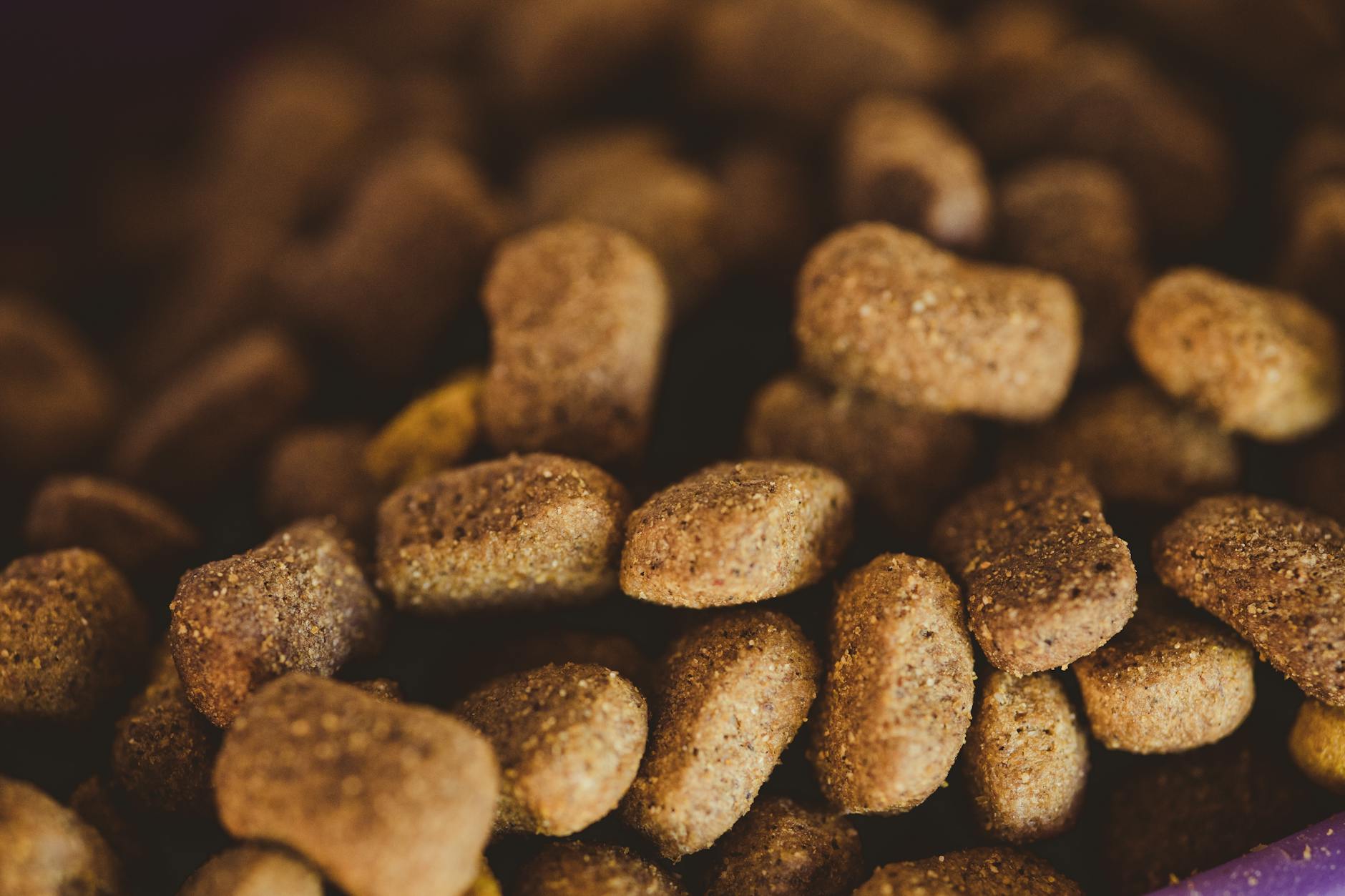
Here is the ultimate takeaway: The best senior dog food is highly digestible, aggressively high in premium protein to prevent muscle loss, and enriched with Medium Chain Triglycerides (MCTs) to protect the aging brain. Ditch the outdated advice to feed older dogs "low-protein, low-fat" diets. To truly extend their golden years, aging dogs require specific moisture levels, temperature manipulation to combat olfactory decline, and precise, joint-supporting supplements.
To instantly visualize this critical nutritional shift, here is a quick overview mind map.
🧠 Overview Mind Map: The Senior Nutrition Matrix
- The Protein Pivot: Seniors need more high-quality protein to fight sarcopenia (muscle loss), not less.
- The Brain Fuel: MCTs provide alternative energy for aging cognitive function.
- The Appetite Hack: Warming wet food reactivates fading olfactory senses.
- The Caloric Balance: Adjusting total calories prevents obesity when metabolic rates drastically slow down.
The Dangerous Low-Protein Myth
For decades, the pet food industry pushed "senior formulas" heavily loaded with cheap carbohydrate fillers like corn and wheat. They drastically slashed the protein content, claiming this protected aging canine kidneys. Modern veterinary nutrition science proves this outdated approach is actively harmful to a healthy aging dog.
As dogs enter their golden years, their bodies become significantly less efficient at processing and metabolizing protein. This leads to a devastating condition called sarcopenia, which is severe, age-related muscle wasting. A senior dog needs roughly 50% more highly digestible protein than a young adult just to maintain their existing muscle mass.
Feeding a healthy senior dog a low-protein diet literally starves their muscles. This weakness masquerades as severe arthritis, causing the dog to stumble on hardwood floors and struggle on stairs.
🚨 Vet Fact: Unless a dog has been explicitly diagnosed with late-stage chronic kidney disease by a veterinarian through blood and urine testing, restricting protein in a senior diet will actively accelerate physical frailty and muscle atrophy.
The Labrador Mobility Crisis
Consider a twelve-year-old Labrador Retriever living in a two-story home in the US Pacific Northwest. The dog suddenly stopped climbing the carpeted stairs to sleep in the bedroom, prompting the family to buy expensive orthopedic ramps. They assumed severe osteoarthritis was the sole culprit.
A deep dive into the pantry revealed the dog was eating a budget "senior" kibble containing only 18% crude protein, mostly sourced from plant matter. The Labrador was not just arthritic; his hind legs were completely lacking the muscle fiber required to lift his own body weight.
Switching the dog to a premium, fresh-food diet packed with lean, highly digestible turkey and beef transformed his mobility. By providing the amino acids required to rebuild the atrophied tissue, the dog's rear leg strength returned, and he easily conquered the stairs within six weeks.
Feeding the Aging Canine Brain
Physical mobility is only half the aging battle. Canine Cognitive Dysfunction (CCD), essentially dog dementia, terrifies owners as their pets begin staring blankly at walls or getting trapped behind furniture. The canine brain requires immense amounts of energy to function, traditionally relying entirely on glucose.
In senior dogs, the brain's ability to efficiently metabolize glucose heavily degrades. This energy starvation directly causes the heartbreaking confusion and nighttime pacing associated with CCD. The solution lies in an alternative brain fuel: Medium Chain Triglycerides (MCTs).
When the liver processes MCTs, it produces ketones. Ketones easily cross the blood-brain barrier and provide instant, highly efficient energy to the aging brain, completely bypassing the broken glucose pathways.
🐾 Snoutbit Pro-Tip: Incorporate a highly controlled amount of pure, unrefined coconut oil or a specific MCT oil supplement into a senior dog's daily meal. Start with an incredibly tiny dose to prevent sudden diarrhea, and always consult a veterinary nutritionist for the exact, weight-based measurement.
The Olfactory Crash and Anorexia
A dog experiences the world primarily through its nose. The scent of food is the exact biological trigger that tells the canine brain it is time to eat. Unfortunately, a dog's olfactory receptors degrade significantly as they age.

When a senior dog suddenly refuses to eat their lifelong favorite kibble, owners immediately assume the dog is actively dying. Often, the dog simply cannot smell the food anymore. A bowl of cold, dry, processed kibble emits almost zero scent profile.
If a dog cannot smell the meal, their appetite completely vanishes. The solution requires tricking the fading senses through basic temperature manipulation and enhanced moisture.
The Yorkie Appetite Rescue
A fourteen-year-old Yorkshire Terrier living in a sunny Arizona retirement community began completely ignoring her breakfast. The tiny dog rapidly lost a pound of body weight, which is a massive, life-threatening percentage for a toy breed. The owners tried swapping through five different expensive kibble brands with zero success.
The intervention was incredibly simple. The owners ditched the dry kibble entirely and switched to a high-quality, high-protein canned wet food. Before serving, they added a splash of low-sodium, canine-safe bone broth and microwaved the bowl for exactly ten seconds.
Warming the food completely unlocked the aromatic fats, sending a massive scent signal directly to the Yorkie's brain. The dog immediately devoured the entire bowl. Transforming the sensory experience of the meal completely cured the assumed anorexia.
🚨 Vet Fact: Dental disease is a massive, hidden cause of senior dog anorexia. A dog with fractured teeth or severe gum infections will refuse to eat hard kibble out of sheer pain. Always schedule a comprehensive oral exam if an older dog suddenly drops food from their mouth.
The Fiber and Digestion Equation
Senior digestive tracts become notoriously sluggish. Constipation is a silent, highly uncomfortable issue that plagues older dogs, particularly those leading highly sedentary lifestyles. Generic diets often ignore the critical balance of soluble and insoluble fibers required for aging guts.
To maintain optimal gastrointestinal motility, senior dog food must contain precisely calibrated fiber sources. Ingredients like pureed pumpkin, sweet potato, and psyllium husk work wonders. These fibers act like a gentle broom, keeping waste moving smoothly without triggering painful diarrhea.
Additionally, a sluggish gut struggles to absorb vital nutrients. Pairing a high-fiber diet with a premium canine-specific probiotic ensures the microbiome remains robust. This combination maximizes nutrient absorption, guaranteeing the dog actually utilizes the expensive vitamins inside their bowl.
Managing Caloric Density
While aging dogs need high protein to maintain muscle, they simultaneously burn far fewer calories. An older dog spends the vast majority of their day sleeping on the couch rather than sprinting at the dog park. If their caloric intake is not strictly adjusted to match this sedentary lifestyle, obesity strikes rapidly.
Obesity is a catastrophic condition for a senior dog. The extra weight places agonizing pressure on joints already suffering from arthritis. It also severely impacts their respiratory system and cardiac health.
Owners must obsessively measure their dog's food with a digital kitchen scale, rather than using a highly inaccurate plastic scoop. A reduction in total daily calories is almost always required, but the exact nutritional density of those calories must remain incredibly high.
🐾 Snoutbit Pro-Tip: Keep multiple water bowls stationed around the house on every single floor. A senior dog struggling with arthritis will often choose to remain dehydrated rather than endure the painful walk down a flight of stairs to reach the kitchen water bowl.
Hydration and Kidney Support
As dogs age, their natural thirst drive often diminishes significantly. A dehydrated senior dog puts immense, dangerous stress on their aging kidneys and liver. Relying entirely on a communal water bowl is a risky strategy for a fourteen-year-old dog that sleeps twenty hours a day.
The easiest way to force hydration is through the food bowl. Transitioning away from dry, extruded kibble toward wet food, gently cooked fresh food, or rehydrated freeze-dried diets is highly recommended. These formats contain up to 70% moisture, mimicking the natural hydration levels of a wild canine diet.

Proper hydration flushes toxins from the bloodstream and keeps the cartilage in aging joints properly lubricated. A well-hydrated senior dog is visibly more comfortable, energetic, and resilient.
What To Do Next
- Perform a Pantry Audit: Check the back of the current dog food bag today. If the crude protein drops below 25% on a dry matter basis, immediately begin researching high-quality, high-protein alternatives to protect the dog's muscle mass.
- Upgrade the Meal Prep: Start adding a splash of warm, dog-safe bone broth (strictly free of onions and garlic) to the dog's dinner tonight. This instantly boosts critical hydration and reactivates fading olfactory senses to ensure a hearty appetite.
Disclaimer: The content on Snoutbit.com is for informational and educational purposes only and is not intended to replace professional veterinary advice, diagnosis, or treatment. Always consult with your veterinarian before making significant changes to your dog’s diet, exercise routine, or health regimen.