5 Reasons Why It Is True That Raw Dog Food Makes Hyperactive Dogs Calmer
You are sitting on your couch at 8:00 PM, utterly exhausted, while your dog paces the living room, pants heavily, and obsessively drops a tennis ball in your lap. You have walked them for an hour, but they are still vibrating with nervous energy. Why is your dog so hyperactive? It is entirely true that switching to a raw dog food diet creates a calmer dog because it eliminates the massive carbohydrate-induced blood sugar spikes found in dry kibble, forces physically exhausting jaw mechanics that release calming endorphins, and digests rapidly to prevent the silent gut discomfort that frequently masks itself as canine anxiety. If you are treating your dog's hyperactivity as a purely obedience-based issue, you are missing the biggest piece of the puzzle. I
Let's look at the biological truth behind the Biologically Appropriate Raw Food (BARF) diet, and exactly why it acts as a natural off-switch for your dog's nervous system.
The Behavioral Link Between Diet and Canine Hyperactivity
Early in my career, I was called to a home in the sprawling suburbs of Chicago to work with a Lab mix that was destroying the drywall. A month later, I consulted via video with an owner in Sydney, Australia, whose working Kelpie was relentlessly pacing their tiny apartment. Despite the different continents and breeds, the underlying trigger was identical.
Both dogs were eating "premium" dry kibble packed with hidden sugars and highly processed starches.
When we transition a dog from a highly extruded commercial diet to a balanced raw meat protocol, the behavioral shift is often noticeable within 72 hours. You are not just changing their stool quality; you are fundamentally altering their brain chemistry. Here are the five exact reasons why this dietary shift creates a calmer, more focused companion.
Pro-Tip: The "Carb-Crash" Calculation
Pet food companies are not legally required to list carbohydrate percentages on their bags. To find out how much sugar your hyper dog is eating, use this formula: subtract the percentages of Protein, Fat, Moisture, and Ash from 100. If that number is over 40%, your dog is essentially eating a bowl of breakfast cereal, which perfectly explains their evening "zoomies."

Reason 1: Eliminating the Starch-Induced Blood Sugar Spike
Kibble is created through a high-heat process called extrusion. To make those little brown pellets hold their shape, manufacturers must use a heavy starch binder, such as potatoes, corn, wheat, or legumes.
When your dog eats a bowl of carbohydrate-dense kibble, their body rapidly converts those starches into glucose. This causes a massive, unnatural spike in their blood sugar levels, immediately followed by an intense crash.
A raw diet is naturally low in carbohydrates and strictly protein-forward. It provides a slow, steady, and sustained release of biological energy throughout the day. By eliminating the glycemic roller coaster, you completely eliminate the frantic bursts of unmanageable energy and the subsequent cranky, irritable crashes.
Reason 2: The Endorphin Release of Intense Mastication
When a dog eats a bowl of dry kibble, they rarely chew it. They inhale it whole in a matter of seconds, providing zero physical or psychological satisfaction.
A proper raw diet includes Raw Meaty Bones (RMBs), such as turkey necks, duck wings, or beef ribs. Tearing meat from bone and crushing cartilage requires immense jaw strength and intense physical concentration.
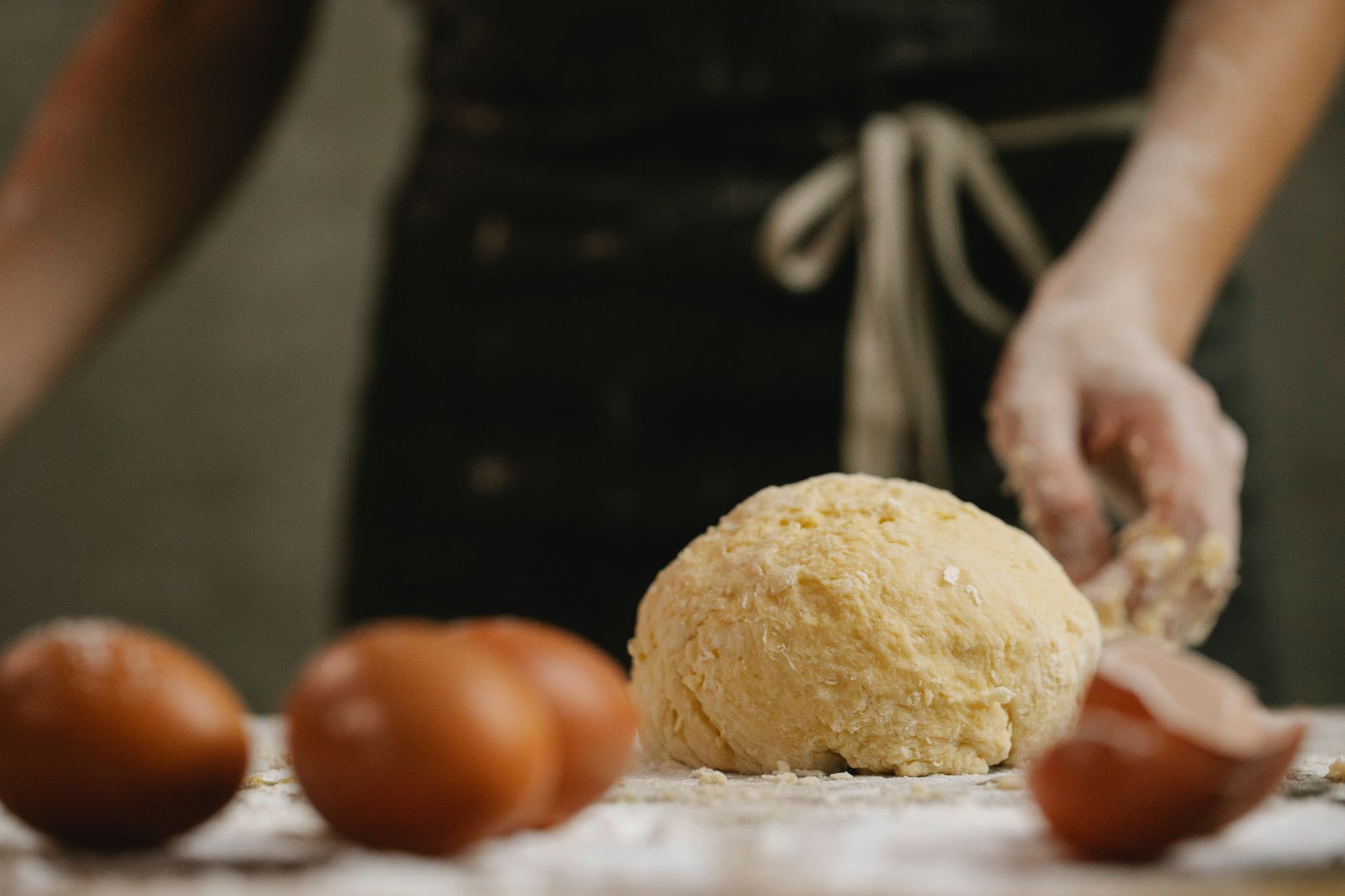
This sustained mechanical effort naturally releases a flood of serotonin and dopamine in the canine brain. It physically exhausts the dog while simultaneously providing a deep, biological sense of satisfaction that a bowl of baked dough can never replicate.
Reason 3: Resolving Hidden Gastrointestinal Pain
Here is a piece of advanced Information Gain that most standard training blogs completely miss. Dogs are incredibly stoic animals that instinctively hide physical pain to survive.
Kibble requires a less acidic stomach environment and digests incredibly slowly, often fermenting in the gut for up to 12 hours. This chronic, slow fermentation causes low-grade bloating and intestinal cramping. Dogs do not cry or whine when they are bloated; instead, they pace, pant, and refuse to settle down.
Raw meat digests rapidly in a highly acidic stomach, typically passing through the system in just four to six hours. When you remove the chronic gut inflammation, the dog's physical anxiety instantly vanishes, allowing them to finally relax on the rug.
Pro-Tip: The Australian Summer Hydration Hack
If you live in a hot climate like Queensland or experience a humid US summer heatwave, your dog's pacing might be heat-induced anxiety. Raw food consists of roughly 70% moisture, whereas kibble is under 10%. Feeding raw actively hydrates their body on a cellular level, helping them naturally regulate their core temperature and remain much calmer during blistering afternoons.
Reason 4: Higher Bioavailability of Tryptophan
Tryptophan is an essential amino acid that serves as the direct biological precursor to serotonin (the brain's primary calming chemical). It is naturally abundant in raw turkey, chicken, and beef.
However, tryptophan is incredibly heat-sensitive. When commercial pet food companies blast meat meals in an extruder at 400 degrees Fahrenheit to create kibble, they destroy massive amounts of this vital amino acid.
Because raw dog food is completely unadulterated and unheated, the tryptophan remains fully intact and highly bioavailable. You are literally feeding your dog the exact chemical building blocks their brain requires to self-soothe and regulate stress.
Reason 5: Elimination of Artificial Dyes and Preservatives
Take a close look at the ingredient panel of cheaper, supermarket-brand kibbles. You will often find artificial dyes like Red 40, Yellow 5, and synthetic preservatives like BHA and BHT.
In human medicine, there are heavily documented links between these specific artificial dyes and severe hyperactivity (ADHD) in children. A canine's neurological system is no different, and they are much more sensitive to chemical additives given their smaller body mass.
A high-quality, commercially prepared raw diet contains zero artificial colors, synthetic flavors, or chemical preservatives. By feeding a clean, biologically appropriate diet, you completely remove these hidden neurological triggers from their daily routine.

Addressing Common Concerns: People Also Ask
Transitioning a dog from dry food to raw meat is a massive lifestyle change. It is entirely normal to have reservations, especially regarding behavioral changes.
Does Raw Dog Food Make Dogs Aggressive or Bloodthirsty?
This is the oldest and most persistent myth in the pet food industry. Feeding your dog raw meat will not awaken a "bloodthirsty wolf" inside them, nor will it make them aggressive toward humans or other pets.
However, raw food does possess astronomically high value in the canine brain compared to boring dry kibble. Because it is so delicious, some dogs may exhibit "resource guarding" (growling if you approach their bowl). You must establish strict, isolated feeding zones to ensure household safety while they adjust to having high-value meals.
Can I Mix Raw Food and Kibble to Calm My Dog?
No, you should never mix raw meat and dry kibble in the exact same bowl. This creates a dangerous gastric clash in their digestive tract.
Kibble slows down the overall digestive transit time. If you mix it with raw meat, you hold that raw meat inside the warm environment of the intestines for twice as long as nature intended. This gives naturally occurring pathogens like Salmonella too much time to colonize the gut. If you want to feed both, separate the meals by at least 12 hours (e.g., kibble in the morning, raw at night).
Pro-Tip: The Frozen Kong Decompression Strategy
If you are not ready to fully transition to a raw diet but want the behavioral benefits, utilize raw marrow bones or raw meat purees. Stuff a durable rubber Kong toy with a raw commercial grind and freeze it solid overnight. Handing your dog this frozen puzzle before you leave for work forces 45 minutes of intense, calming licking, completely neutralizing separation anxiety.
What to Do Next to Help Your Hyperactive Dog
You now possess the biological knowledge to bypass traditional obedience struggles and address your dog's behavior at the microscopic level. Stop treating mealtime as an afterthought, and start using it as your most powerful behavioral tool.
Your Actionable Next Steps:
- Audit the Treat Pouch: Stop feeding high-sugar, carbohydrate-heavy training treats today. Switch entirely to single-ingredient, freeze-dried raw proteins (like beef liver or salmon) to keep their blood sugar stable during training sessions.
- Source a Balanced Commercial Raw: Do not attempt a DIY raw diet without consulting a canine nutritionist, as you can easily cause dangerous calcium deficiencies. Find a reputable, pre-balanced commercial raw brand in your local US or Australian pet boutique.
- Implement a Slow Transition: Never switch from kibble to raw overnight. Use a strict 10-day transition schedule, slowly increasing the raw portion while decreasing the kibble, feeding them as separate meals to protect their gut flora.
By respecting your dog's ancestral biology and ditching the processed starches, you will finally unlock the calm, focused, and deeply loyal companion you always knew they could be.
Disclaimer: This article is for informational purposes only and does not constitute veterinary medical advice. Always consult with a licensed veterinarian or a certified canine nutritionist before altering your pet's diet, transitioning to a raw diet, or addressing sudden health or severe behavioral concerns.