Why Is Finding The Best Food For A Greyhound So Stressful?
Bringing a retired racing Greyhound into a loving home quickly turns stressful when chronic, explosive diarrhea and terrifying health risks become daily realities. Relying on generic, commercial dog food completely fails to support their unique, high-performance anatomy, leaving dedicated owners battling relentless digestive issues and constant anxiety. The absolute best food for a Greyhound to maximize their lifespan is a highly digestible, moderate-protein diet heavily enriched with marine Omega-3s and cancer-fighting phytonutrients.

Providing clean, novel proteins like wild-caught fish or kangaroo alongside slow-burning carbohydrates actively prevents lethal stomach torsion and protects their incredibly fragile bones. Ditching cheap, mass-market kibble for a targeted, anti-inflammatory diet drastically reduces the risk of deadly osteosarcoma and adds years of vibrant, pain-free life to these gentle couch potatoes.
What Makes A Greyhound's Digestive System Completely Different?
Greyhounds possess a distinctly unique physiological makeup compared to robust working breeds like Kelpies or Blue Heelers. Their digestive tracts are surprisingly sensitive and notoriously unforgiving, a direct result of decades of specialized breeding for sheer track speed over general hardiness. Feeding a rich, heavy commercial diet to an ex-racer almost always results in terrible, liquid stools that completely refuse to firm up.
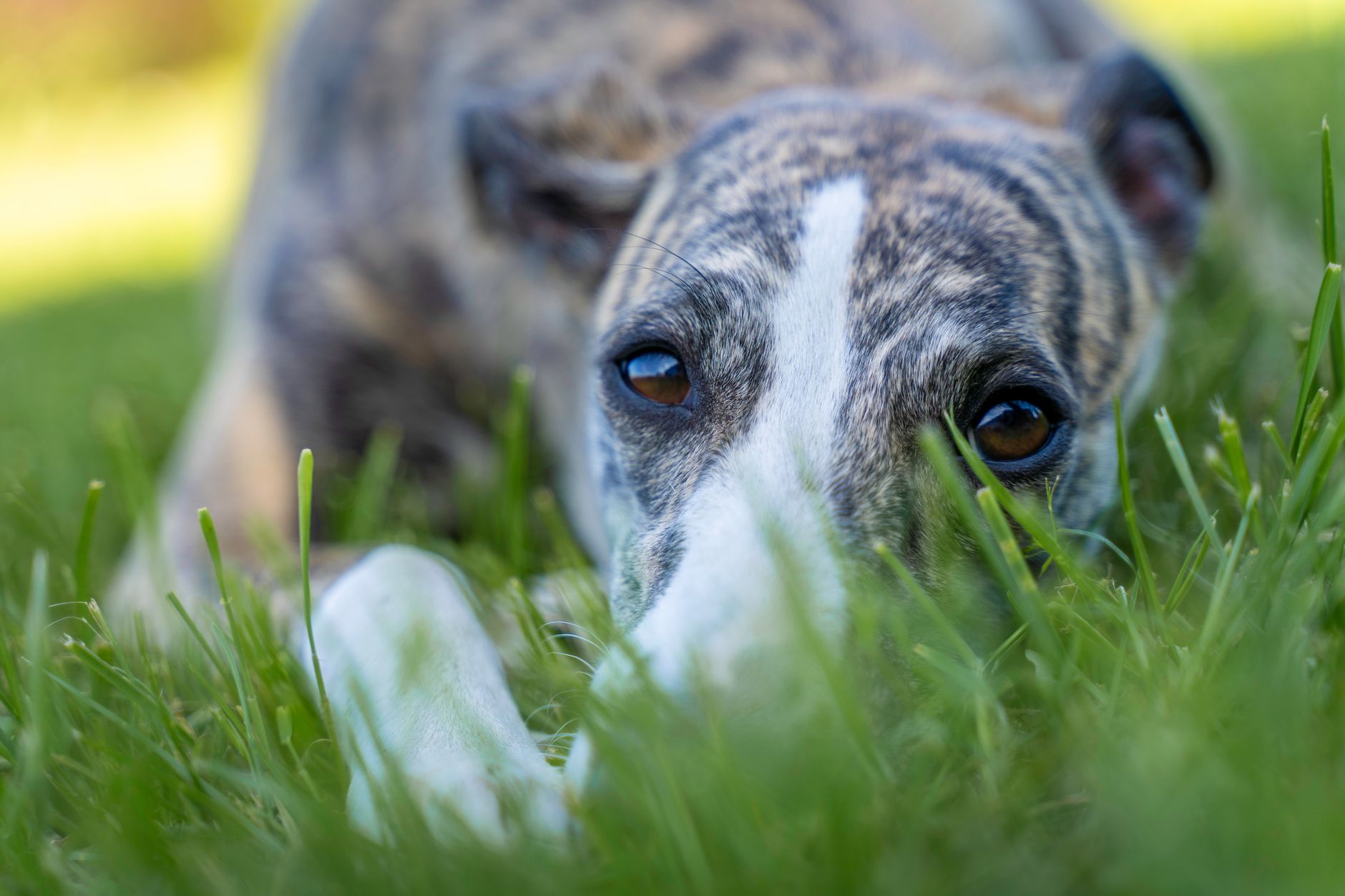
Professional behaviorists frequently encounter households driven to absolute exhaustion by a newly adopted Greyhound's chaotic bowel movements. Consider a specific case involving a recently retired brindle Greyhound who suffered from severe, daily gastrointestinal distress on premium chicken-based kibble. Switching the dog to a single-source, highly digestible whitefish and sweet potato formula instantly stabilized the gut microbiome and produced firm, healthy stools within forty-eight hours.
🚨 Vet Fact: Greyhounds possess naturally lower thyroid hormone levels and significantly higher red blood cell counts than any other dog breed. This unique physiological baseline means their nutritional requirements for trace minerals and easily absorbed amino acids are exceptionally high.
Do High-Protein Diets Shorten A Greyhound's Lifespan?
A massive misconception is that these elite athletes require towering levels of raw protein to maintain their sleek, muscular physiques. While racing hounds burn immense energy, retired Greyhounds are notorious couch potatoes that actually thrive on moderate, highly digestible protein levels. Forcing a sedentary senior Greyhound to process a thirty-five percent protein diet places immense, entirely unnecessary toxic stress directly on their aging kidneys.

Canine specialists frequently witness rescue hounds suffer from a terrifying condition called Exertional Rhabdomyolysis, commonly known as "tying up," after brief backyard sprints. This massive muscle cramping is often exacerbated by feeding a highly inappropriate, excessively protein-dense diet that overloads their system with lactic acid. Transitioning to a moderate-protein diet balanced with slow-burning complex carbohydrates completely prevents this painful muscle degradation.
The secret to longevity is prioritizing protein quality over sheer, overwhelming quantity to maintain optimal internal organ function. Sourcing clean, novel proteins prevents the canine immune system from launching inflammatory attacks against the delicate digestive lining.
How To Prevent Lethal Bloat In Greyhounds?
Deep-chested, narrow-waisted breeds face a catastrophic, life-threatening risk of Gastric Dilatation-Volvulus (GDV), commonly known across the veterinary world as bloat. When a Greyhound eats too rapidly, their stomach can fill with excess air, violently twist upon itself, and cut off vital blood supply. Preventing this terrifying emergency requires strict, unwavering environmental management during every single mealtime.
Never feed a Greyhound one massive, heavy meal, as this physically stretches the stomach and dramatically increases the risk of torsion. Splitting their daily caloric allowance into three smaller, evenly spaced meals provides a slow, steady stream of energy without overloading the gastrointestinal tract. Utilizing a high-quality, heavy-duty slow feeder bowl forces them to forage for their food, entirely eliminating the dangerous "vacuuming" behavior.
Many owners mistakenly soak dry kibble in water hoping to prevent gastric expansion, but this creates a highly dangerous, fermenting sludge inside the bowl. If left sitting for more than ten minutes, soaked kibble begins rapidly cultivating bacteria that trigger massive, gas-producing stomach upset upon ingestion. Serving food dry in a slow-feeder, alongside a completely separate bowl of fresh water, is the safest scientifically proven feeding method.
Should Greyhounds Eat From Elevated Bowls?
For decades, well-meaning rescue organizations demanded that all tall dogs eat from raised food stands to protect their necks and joints. However, advanced veterinary studies have completely overturned this outdated advice, proving that elevated feeders actually increase the risk of bloat in large breeds. Forcing a dog to eat at shoulder height alters the natural angle of the esophagus, making it significantly easier to swallow large pockets of dangerous air.
🐾 Snoutbit Pro-Tip: The most effective defense against bloat is strictly enforcing a mandatory one-hour rest period after every single meal. Never allow a Greyhound to sprint, zoom, or play aggressively until their stomach has properly emptied its contents into the lower intestine.
What Is The Best Diet To Prevent Greyhound Bone Cancer?
Osteosarcoma, a devastatingly aggressive form of bone cancer, is the leading cause of premature death within the Greyhound community. Generic, highly processed kibble provides zero cellular defense against these rapidly mutating cancer cells and actually fuels their growth with cheap sugars. Maximizing a Greyhound's lifespan requires actively feeding anti-angiogenic foods, which contain powerful biological compounds that literally starve microscopic tumors by halting their blood supply.

Cruciferous vegetables are the ultimate, elite weapon in the dietary fight against canine cancer. Lightly steamed broccoli sprouts contain massive amounts of sulforaphane, a clinical compound proven to fight cellular degradation and target precancerous bone cells. Adding a small handful of these powerful sprouts to the dinner bowl creates an incredibly robust, daily shield against systemic oxidative stress.
A remarkable physical shift occurs when families replace empty, highly processed dog treats with fresh, cancer-fighting phytonutrients. Rescue coordinators frequently see senior hounds visibly regain their puppy-like vitality simply by introducing antioxidant-dense blueberries and dark leafy greens into their daily routine.
How To Fix Terrible Greyhound Teeth Naturally?
Greyhounds notoriously possess some of the absolute worst dental genetics in the entire canine kingdom. Their long, narrow snouts cause severe tooth crowding, creating inescapable tiny pockets where harmful bacteria rapidly accumulate and harden into rock-solid tartar. Canine periodontal disease is a severe, life-shortening systemic health crisis, as aggressive oral bacteria easily enter the bloodstream and actively damage the delicate valves of the heart.
A massive, advanced dietary secret is that standard dry kibble does absolutely nothing to clean a dog's teeth. The starchy residue left behind by dry biscuits actually acts as a sticky glue, aggressively feeding the exact bacteria that cause foul breath and tooth decay. The ultimate, stress-free solution for pristine oral health is utilizing a high-quality dog dental powder made from a specific strain of brown kelp.
One specific behavioral case involved a senior Greyhound exhibiting severe food aggression that was completely misdiagnosed by the terrified owners. The dog was not resource guarding; he was simply in agonizing pain from advanced dental rot and snapped out of sheer biological self-preservation. Incorporating a pure Ascophyllum nodosumseaweed powder cleared the heavy plaque over two months, entirely resolving the phantom behavioral aggression by curing the underlying pain.
Sprinkling this fine kelp powder onto a daily meal actively alters the chemistry of canine saliva. This systemic salivary shift naturally softens existing plaque and prevents new tartar from ever hardening on the delicate gum line.
🚨 Vet Fact: A Greyhound's skin is incredibly thin and lacks the protective subcutaneous fat layer found in breeds like Golden Retrievers or Staffies. Flooding their diet with marine-based Omega-3 fatty acids is absolutely critical to prevent chronic dry skin, painful flaking, and severe environmental allergies.
Can Local Weather Dictate A Greyhound's Diet?
Local environmental extremes place massive, hidden stress on a Greyhound's fragile cardiovascular system and delicate skin. During the brutal, sweltering heat of an Australian outback summer or a highly humid US August, digesting heavy kibble elevates their core temperature dangerously high. To combat extreme thermal stress, smart pet parents switch to smaller, moisture-rich meals heavily diluted with cooling, unsalted bone broth.
While stout companions like Frenchies struggle with respiratory heat, a Greyhound's lack of body fat makes them highly susceptible to drastic temperature fluctuations. Providing frozen puzzle feeders stuffed with hydrating, pureed sweet potato exhausts their active brains indoors while perfectly managing their internal core temperature safely. Keeping their water intake exceptionally high flushes dangerous toxins from the kidneys and prevents fatal heat stroke during intense summer months.
Additionally, severe regional tick seasons across coastal areas expose dogs to dangerous, vector-borne diseases. Providing a diet rich in natural prebiotics keeps the gut flora totally stabilized while the immune system processes necessary seasonal tick preventatives. A highly stabilized gut microbiome successfully blocks toxins from entering the bloodstream, actively reducing the cellular wear-and-tear that causes visible aging.
What To Do Next
Transforming an ex-racer's health trajectory requires immediate, proactive changes to their daily nutritional intake. By focusing on highly digestible novel proteins and actively introducing cancer-fighting whole foods, households can effortlessly add vibrant, comfortable years to their dog's life.
Here are two simple, immediate steps to take today to upgrade the food bowl:
- Ditch The Elevated Feeder: Walk over to the feeding station right now and remove the raised bowl stand to instantly lower the risk of fatal bloat. Place a heavy-duty slow-feeder bowl directly on the floor to encourage a safe, natural foraging posture.
- Add Functional Freshness: Purchase a bag of fresh broccoli and a tin of water-packed sardines this afternoon. Lightly steam the broccoli and pour it, along with the sardines, over the evening kibble to provide an instant, highly palatable boost of joint-protecting fatty acids and cancer-fighting antioxidants.
Disclaimer: The content on Snoutbit.com is for informational and educational purposes only and is not intended to replace professional veterinary advice, diagnosis, or treatment. Always consult with your veterinarian before making significant changes to your dog’s diet, exercise routine, or health regimen.