Older Dog Meets Puppy: Duke & Odesa's Bonding Story
Introduction
Bringing a new puppy into a home that already has an older dog can feel like a gamble. Will the resident dog welcome the newcomer, or will tensions run high? For Duke, an Alaskan Malamute, and Odesa, a Samoyed puppy, the journey from cautious co-existence to inseparable companionship is a heartwarming tale that offers valuable lessons for dog owners. According to DogTime, their story was shared by the Instagram account @duke.the.malamute and reported on September 19, 2026, by Mugdha Singh. It begins with a surprisingly polite first meeting and unfolds through months of patient endurance on Duke's part and relentless playful energy from Odesa. From face-chewing and tail-grabbing to shared naps and room-to-room following, their relationship evolved into a deep bond. This article explores each stage of their journey, highlighting how Duke's remarkable tolerance and Mom's timely interventions helped Odesa learn boundaries. Whether you're preparing to introduce a puppy to an older dog or simply love a good interspecies friendship story, Duke and Odesa's experience shows that with time, patience, and a little guidance, even the most energetic puppy can win over a stoic senior dog.
The Polite First Meeting
The first encounter between Duke and Odesa set a positive tone for their relationship. According to DogTime, Duke, an Alaskan Malamute, greeted Odesa, a Samoyed puppy, with remarkable gentleness. He approached her and gently kissed her nose—a sweet, non-threatening gesture that signaled acceptance. Then, as if to give her space, he retreated to the living-room carpet. This initial interaction was polite and calm, a far cry from the chaotic meetings some dog owners dread. Duke's behavior demonstrated that he was not threatened by the tiny newcomer. Instead, he offered a brief welcome and then removed himself from the center of attention, allowing Odesa to explore her new environment without pressure.
For dog owners, this is a textbook example of how an older dog can communicate boundaries without aggression. Duke didn't growl or snap; he simply disengaged. That single nose kiss and subsequent retreat spoke volumes: he was willing to share his home, but on his own terms. This polite beginning laid the foundation for the patience Duke would need in the weeks to come. It also gave Odesa a chance to settle in without feeling overwhelmed. The fact that Duke chose to retreat to the living-room carpet—a familiar, comfortable spot—shows he wasn't fleeing in fear but rather making a deliberate choice to observe from a distance. Such measured behavior is a good sign when introducing dogs of different ages and energy levels. DogTime's report highlights that this first meeting was not a dramatic confrontation but a quiet, respectful exchange, setting the stage for the playful antics that would follow.
Puppy Antics: Chewing, Barking, and Tail Grabbing
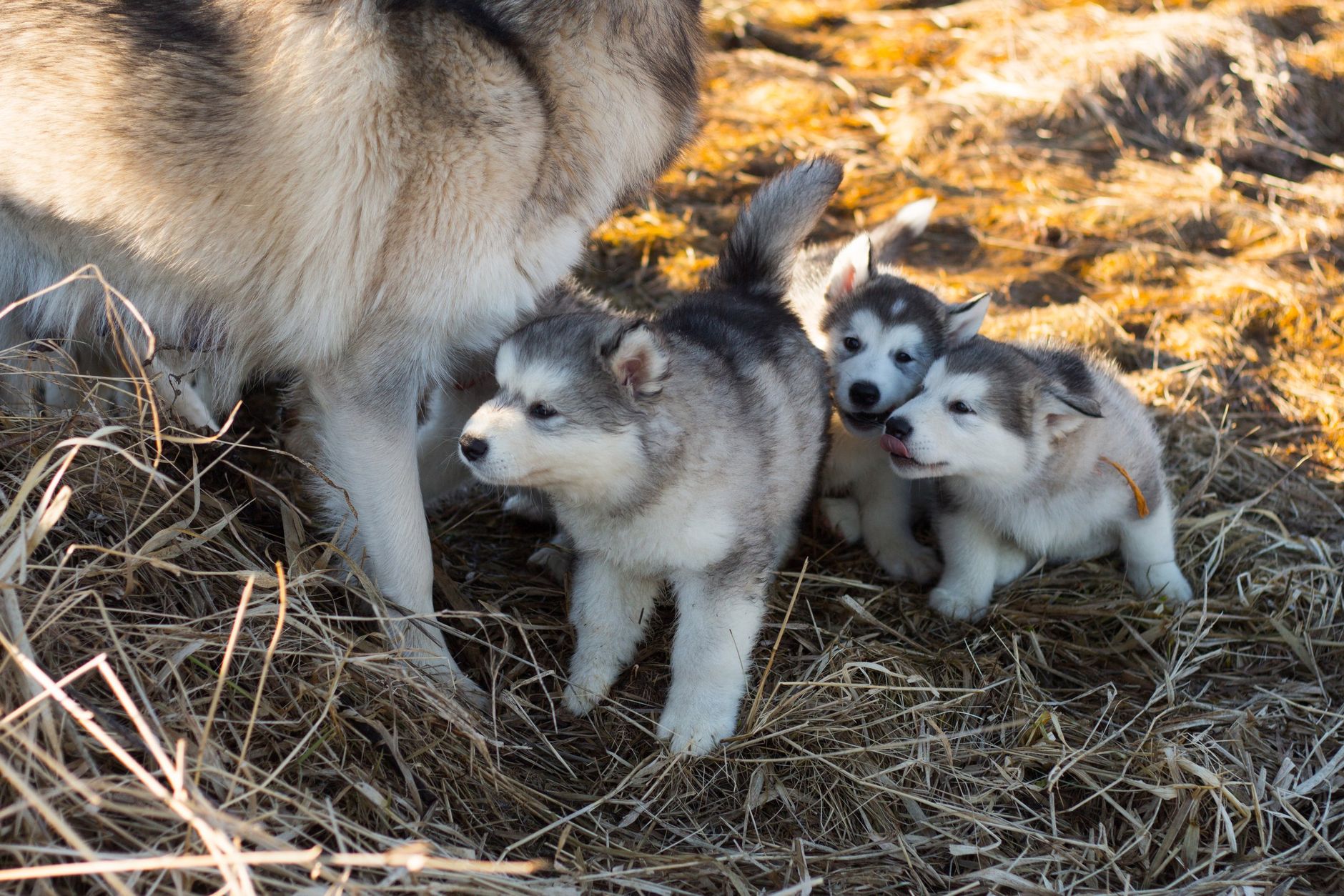
Once Odesa grew comfortable, her true puppy nature emerged with full force. According to DogTime, her playful antics included chewing Duke's face, ears, and tail, barking, biting, and pulling his fur. For any dog owner who has raised a puppy, these behaviors are familiar—and exhausting. Odesa, a Samoyed puppy, seemed to view Duke as a living chew toy and playmate rolled into one. She didn't hold back. She would chew on his face, nibble his ears, and grab his tail. She barked at him, bit him, and pulled his fur. These actions might sound aggressive, but in puppy language, they are often invitations to play or simple exploration. Puppies explore the world with their mouths, and Odesa was no exception.
However, such relentless attention can try the patience of even the most good-natured adult dog. Duke, an Alaskan Malamute, was on the receiving end of this whirlwind. DogTime notes that Odesa's antics were persistent and varied. She didn't just chew; she also barked and bit. She didn't just grab; she pulled. This combination could easily overwhelm an older dog, especially one who enjoys a quieter pace. Yet Duke's response—or lack thereof—is what makes this story remarkable. He never retaliated. Instead, he tolerated her behavior, setting the stage for the next phase of their relationship.
For dog owners, Odesa's behavior is a reminder that puppies need outlets for their energy and guidance on appropriate play. Without intervention, a puppy might not learn when to stop. Fortunately for Odesa, Duke's patience provided a safe learning environment, and Mom was there to step in when needed. This section of their story illustrates the challenges of mixing a high-energy puppy with a calm older dog, but also the potential for harmony with time and supervision. If you're struggling with similar biting, see our guide on How To Stop My Puppy From Biting My Other Dog.
Duke's Patience and Mom's Interventions
Duke's patience throughout Odesa's puppyhood was nothing short of extraordinary. According to DogTime, he never bit back and was described as 'a golden angel' for his patience. This phrase captures the essence of Duke's temperament: he endured face-chewing, ear-nibbling, tail-grabbing, barking, biting, and fur-pulling without ever resorting to aggression. For dog owners, this is a powerful example of how an older dog can model tolerance.
However, patience has its limits, and that's where Mom came in. DogTime reports that Mom had to step in when Odesa grabbed Duke's tail while he was lying in the grass. This intervention was crucial. It prevented the situation from escalating and taught Odesa that some behaviors are not acceptable. It also gave Duke a break. Even the most patient dog needs support. Mom's timely action shows the importance of supervision during puppy-adult interactions. By stepping in, she reinforced boundaries and protected Duke's well-being.
The fact that Duke never bit back is remarkable, but it doesn't mean he enjoyed every moment. His 'golden angel' label reflects his gentle nature, yet it also highlights the responsibility of pet parents to advocate for their older dogs. Odesa was just being a puppy, but puppies need guidance. Mom's intervention was not a punishment but a redirection. It helped Odesa learn to modulate her play and respect Duke's space. Over time, these lessons would pay off. Duke's patience, combined with Mom's watchful eye, created a safe environment for both dogs to adjust.
This balance—patience from the older dog and proactive management from the human—is a key takeaway for anyone introducing a puppy to an older dog. Without Duke's tolerance, the transition might have been fraught; without Mom's interventions, Duke might have been overwhelmed. Together, they navigated the challenging puppy phase successfully. For more on positive reinforcement, see The Missing Keys To Positive Reinforcement Dog Training You Cannot Afford To Miss.
From Tug-of-War to Best Friends
As Odesa matured, the dynamic between her and Duke began to shift. According to DogTime, as Odesa got older, they began playing tug, chasing each other, and running around the patio. This marked a turning point. No longer was Odesa simply a nuisance chewing on Duke's ears; she became a genuine playmate. Tug-of-war is a classic game that requires cooperation and mutual engagement. Chasing each other and running around the patio indicate shared joy and physical activity. Duke, the older Alaskan Malamute, was now actively participating in play rather than merely tolerating it.
This progression is heartwarming for any dog owner to witness. It shows that with time, puppies can learn appropriate play behaviors, and older dogs can rediscover their playful side. The fact that they played tug suggests they had learned to interact in a balanced way—pulling against each other without aggression. Chasing and running around the patio demonstrate bursts of energy and mutual enjoyment. These activities also provide exercise and mental stimulation for both dogs. For Duke, having a younger companion may have encouraged him to stay active. For Odesa, playing with Duke taught her social skills and impulse control.
DogTime's report highlights that this phase was not immediate; it developed as Odesa got older. Patience and consistency paid off. The transition from Odesa's relentless puppy antics to cooperative play is a testament to Duke's tolerance and Odesa's learning. It also underscores the importance of allowing dogs to develop their relationship at their own pace. Rushing introductions or forcing interaction can backfire. Instead, giving them space to figure out their own play style—under supervision—can lead to a beautiful friendship. Duke and Odesa's tug-of-war games and patio races are the reward for months of patient guidance.
Signs of a Bond: Sleeping and Following
The ultimate sign of Duke and Odesa's bond came when they began spending most of their time together. According to DogTime, eventually, they spent most of their time together, lying with backs touching, sleeping beside each other on a pouf, and following each other from room to room. These behaviors are clear indicators of trust, comfort, and affection. Lying with backs touching is a vulnerable position for dogs; it shows they feel safe in each other's presence. Sleeping beside each other on a pouf demonstrates closeness and a shared sense of security. Following each other from room to room means they want to be near one another—a true sign of companionship.
For dog owners, these are the moments you hope for when you bring a new dog into the home. Duke and Odesa had come full circle. From Duke's polite nose kiss and retreat to the living-room carpet, to Odesa's relentless chewing and tail-grabbing, to Mom's interventions, to playful tug-of-war and patio races, their journey was one of gradual adjustment. Now, they are inseparable. This bond didn't happen overnight; it was built on patience, boundaries, and shared experiences. Duke's 'golden angel' patience gave Odesa the space to learn. Mom's interventions kept the peace. And Odesa's growing maturity allowed her to become a true friend. The fact that they sleep side by side and follow each other around the house shows that they have become a pack.
For anyone considering adding a puppy to a home with an older dog, Duke and Odesa's story is inspiring. It shows that with time, supervision, and a lot of patience, a grumpy older dog can become a devoted big brother. The story, shared by @duke.the.malamute and reported by DogTime, is a reminder that love often grows quietly, in shared naps and gentle companionship.
Key Takeaways for Introducing a Puppy to an Older Dog
- Start with a polite introduction. Allow the older dog to approach and retreat as they wish. A brief nose kiss or calm greeting is a good sign.
- Supervise all interactions. Mom's timely intervention when Odesa grabbed Duke's tail prevented escalation.
- Give the older dog space. Duke retreated to his favorite carpet; respect your older dog's need for alone time.
- Redirect puppy biting early. Chewing, barking, and tail-grabbing are normal puppy behaviors, but they need guidance. See The Land Shark Phase: How Do I Stop My Puppy Biting Instantly?.
- Be patient. It took months for Duke and Odesa to become best friends. Progress may be slow but steady.
- Use positive reinforcement. Reward calm behavior and gentle play. Learn more in 7 Puppy Training Mistakes I Wish Someone Told Me Earlier.
- Watch for signs of stress. If either dog seems overwhelmed, separate them and try again later. For serious issues, consult Dog Training for Aggression: The Behaviorist Protocol to Stop Bites Fast.
- Provide separate resources. Feed them in separate areas and provide individual beds to prevent Resource Guarding Training for Dogs: The Step-by-Step Guide to Stop Food and Toy Aggression Fast.
- Allow them to set the pace. Forcing interaction can backfire. Let them choose when to play and when to rest.
- Celebrate small wins. Shared naps and following each other are signs of a growing bond.
Frequently Asked Questions
Q: How long does it take for an older dog to accept a puppy? A: It varies. Duke and Odesa took months to become inseparable. Patience is key.
Q: Should I intervene when my puppy bites my older dog? A: Yes, if the older dog is uncomfortable or the puppy won't stop. Mom intervened when Odesa grabbed Duke's tail. Redirect the puppy to a toy and give the older dog a break.
Q: What if my older dog growls or snaps at the puppy? A: Growling is a warning. Separate them and supervise closely. If aggression escalates, seek professional help. See our guide on Dog Training for Aggression: The Behaviorist Protocol to Stop Bites Fast.
Q: How can I help my puppy learn boundaries? A: Consistent redirection, positive reinforcement, and giving the older dog space. Also, ensure the puppy gets enough exercise and mental stimulation. For a training plan, see How to Train a Puppy at Home: The 7-Day Blueprint to Stop Biting and Accidents.
Q: When do puppies calm down? A: Puppies typically start to calm down as they mature, but it varies by breed. Odesa's energy was high until she matured. For more, see When Do Puppies Finally Chill Out? A Survival Guide to Common Puppy Problems.
Q: Is it normal for a puppy to chew on an older dog's face and tail? A: Yes, it's normal puppy play, but it can be annoying. Teach bite inhibition and provide appropriate chew toys. See The Ultimate Puppy Survival Guide: What to Expect from 1 to 3 Months.
Q: How do I introduce a puppy to an older dog? A: Start with a calm, neutral space. Allow the older dog to approach first. Keep initial meetings short and supervised. For a step-by-step guide, see How to Train a Rescue Dog: The 101 Guide to Decompression and Trust.
Source: DogTime