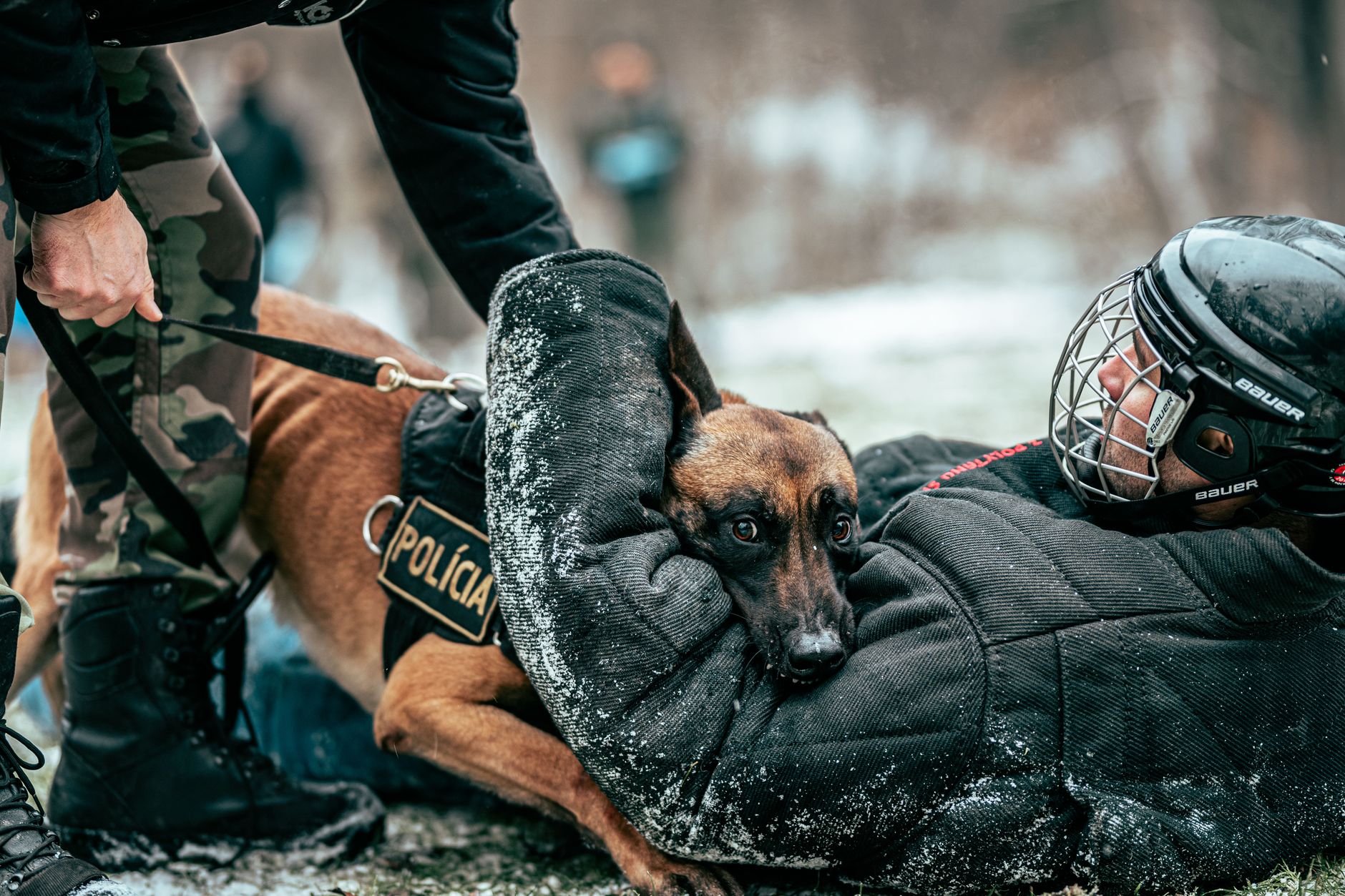
Dog Training For Biting: How To Stop Nipping And Aggression Fast
Having a dog whose teeth constantly connect with human skin transforms a loving home into a highly stressful, terrifying environment. The constant fear of a serious injury, a devastating neighborhood lawsuit, or a forced surrender creates an agonizing daily reality for dedicated pet parents. The immediate solution requires entirely abandoning outdated physical punishments and scientifically decoding why the teeth are making contact in the first place.
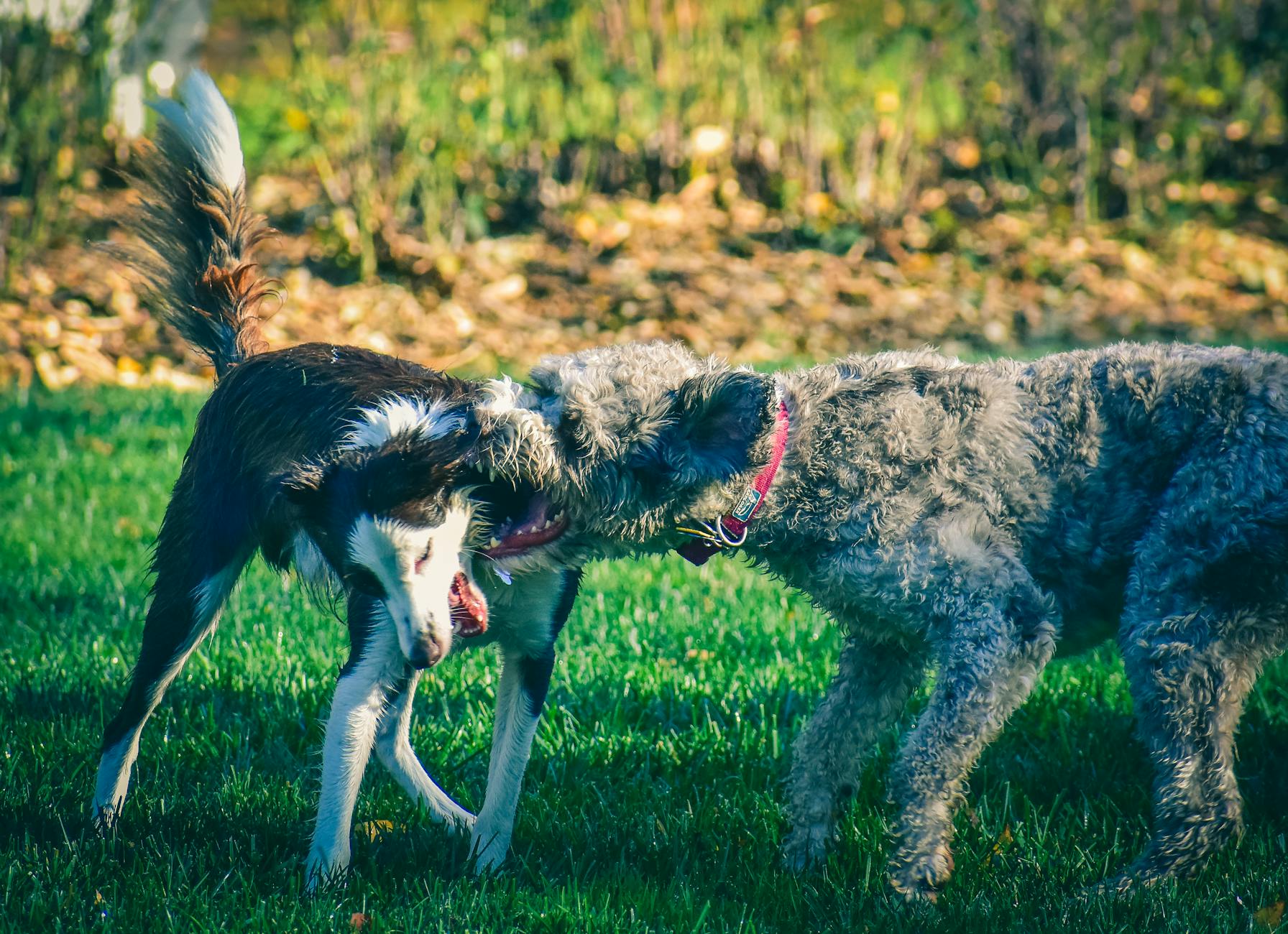
The absolute biggest takeaway is that biting is always a symptom of an underlying emotional state, never just random malice. To successfully train a dog to stop biting, owners must completely remove all physical corrections, which only suppress vital canine warning signals. True behavioral rehabilitation requires meticulously managing the environment, utilizing secure muzzle conditioning, and teaching the dog completely incompatible behaviors to rewire their anxious brain.
Puppy Mouthing vs. Genuine Aggression
Understanding the exact intent behind the teeth is the mandatory first step in any behavioral modification plan. Puppy mouthing is a completely normal, developmental behavior driven by intense teething pain and a severe lack of impulse control. These tiny, needle-like bites are simply a young dog desperately trying to initiate play and explore their immediate physical surroundings.
Conversely, an adult dog intentionally breaking the skin is executing a highly serious, defensive maneuver driven by intense fear or deep-seated resource guarding. Treating a terrified, resource-guarding adult rescue dog exactly like a playful, teething puppy guarantees a devastating trip to the emergency room. Recognizing the stark difference between playful arousal and clinical aggression dictates the entire trajectory of the professional training protocol.
🐾 Snoutbit Pro-Tip: If a puppy gets increasingly bitey, frantic, and completely unmanageable during the evening hours, they are likely suffering from severe sleep deprivation. Immediately place the puppy in a dark, quiet crate with a frozen chew to enforce a mandatory, highly necessary biological nap.
Advanced Insight 1: Understanding Trigger Stacking
Generic advice often labels a biting dog as completely unpredictable, falsely claiming the animal snapped "out of nowhere." This is a massive, highly dangerous myth born from a complete misunderstanding of canine neurology and stress thresholds. Dogs rarely bite without provocation; instead, they suffer from a silent, invisible phenomenon known scientifically as trigger stacking.
Trigger stacking occurs when multiple minor, highly stressful events happen back-to-back without allowing the dog's nervous system to completely reset. A dog might quietly tolerate a loud garbage truck, a strange dog walking past the fence, and a dropped pot in the kitchen. However, when a toddler suddenly reaches for the dog's ears hours later, the overwhelmed nervous system violently explodes, resulting in a severe bite.

Take the reality of a normally gentle rescue Greyhound in Ohio that unexpectedly bit a familiar houseguest. The dog had endured a stressful morning veterinary visit, a missed nap, and a loud thunderstorm rolling heavily through the neighborhood. The visitor simply leaning over the dog's bed was the final, microscopic trigger that caused the completely overwhelmed animal to forcefully defend its personal space.
Why Alpha Dominance and Physical Punishment Fail
Decades of highly toxic, televised dog training popularized the terrifying concept of "alpha rolling" a biting dog. Pinning an actively biting dog to the floor or physically striking their snout is a catastrophic behavioral mistake. These highly punitive actions rely entirely on physical intimidation to temporarily suppress the dog's natural defense mechanisms.
When a dog is physically punished for growling or air-snapping, they quickly learn that communicating discomfort is highly dangerous. The dog does not actually learn to feel safe or calm; they simply learn to skip the vital warning growl entirely. This creates a terrifying, silent biter that goes directly from looking slightly uncomfortable to inflicting a devastating puncture wound without making a single sound.
🚨 Vet Fact: A dog exhibiting clinical fear aggression is experiencing a massive, biological flood of adrenaline and cortisol, completely shutting down the cognitive learning centers of the brain. Attempting to train or verbally correct a dog in this highly panicked state is biologically impossible and incredibly dangerous for the handler.
Advanced Insight 2: The Truth About "Yelping" For Bite Inhibition
Every standard puppy class teaches owners to emit a high-pitched "yelp" the exact second a puppy's teeth touch human skin. The outdated theory assumes the puppy will interpret the noise as pain and immediately back away out of sheer canine empathy. While this works beautifully for highly sensitive, soft-natured breeds, it completely backfires for breeds possessing an intense prey drive.
For intense working breeds like Belgian Malinois or Australian Cattle Dogs, a high-pitched human squeal perfectly mimics a dying, wounded rabbit. Instead of calming down, the sound violently triggers their innate predatory instincts, causing them to bite significantly harder and faster. The puppy becomes completely overstimulated, transforming a basic training exercise into an aggressive, highly dangerous game of tug-of-war with a human arm.
The elite alternative is the "Reverse Time-Out" method. The exact millisecond teeth touch skin, completely remove all human attention by silently standing up and stepping over a sturdy baby gate for exactly ten seconds. This silent, immediate removal of the ultimate reward—human engagement—teaches the young dog that biting makes all the fun instantly disappear.
Advanced Insight 3: Implementing the Canine Consent Test
Most severe dog bites happen directly inside the home because humans constantly force physical affection onto highly uncomfortable animals. Dogs are highly spatial creatures, and forcing a hug or a kiss onto a dog physically trapped on the couch frequently triggers a defensive bite. Elite behavioral consultants teach a highly advanced, incredibly simple technique called the "Consent Test" to completely prevent these household bites.
To perform the test, simply invite the dog into your personal space rather than invading theirs. Extend a relaxed hand, gently pet the dog on the chest for exactly three seconds, and then completely pull the hand away. If the dog leans in, nudges the empty hand, or actively demands more petting, explicit consent has been officially granted.

Consider a frantic family in Texas dealing with a newly adopted Chihuahua mix that constantly nipped whenever picked up. The owners were constantly scooping the tiny dog up from behind without providing any verbal warning or allowing the dog to opt-out. Once the family instituted the strict three-second consent rule, giving the dog a choice to walk away, the defensive nipping vanished completely within a single week.
🐾 Snoutbit Pro-Tip: Never attempt to pull a stolen object out of a resource-guarding dog's mouth using bare hands. Always execute a high-value trade by tossing a massive handful of highly aromatic, premium meat directly onto the floor far away from the stolen item.
Immediate Safety and Management Protocols
Behavioral modification for an adult dog with an established bite history takes months of intense, highly structured desensitization. During this lengthy rehabilitation phase, flawless environmental management is strictly required to keep the human family and the general public completely safe.
- Secure Confinement: Utilize heavy-duty, wall-mounted baby gates and secure, comfortable crates to completely separate the dog from young children and visiting guests.
- Muzzle Conditioning: A properly fitted, hard-plastic basket muzzle is the ultimate safety tool, never a cruel punishment. It allows the dog to safely pant, drink water, and accept treats while completely removing the terrifying risk of a puncture wound.
- Identify Pre-Bite Triggers: Meticulously document exactly what happens immediately before every single aggressive reaction, looking for "whale eye" or a sudden physical freeze. If the dog bites when their paws are touched with a towel, completely stop touching their paws until a professional trainer implements a proper counter-conditioning protocol.
When to Hire a Board-Certified Specialist
Standard obedience trainers are brilliant at teaching young puppies basic household manners and polite leash walking. However, a dog that has already broken human skin or severely injured another pet requires a significantly higher level of professional expertise. These highly complex, incredibly dangerous cases demand the immediate intervention of a board-certified veterinary behaviorist.
These specialized medical professionals possess the legal authority to accurately diagnose deep neurological panic disorders and prescribe highly necessary behavioral medications. Anti-anxiety medications are often the absolute only way to lower a severely aggressive dog's panic threshold enough for actual cognitive learning to occur. Treating true, clinical aggression without direct veterinary oversight is incredibly risky and frequently ends in preventable tragedy.
🚨 Vet Fact: Sudden, highly uncharacteristic aggression in an older, previously gentle dog is almost always a direct symptom of severe, hidden physical pain. A massive, comprehensive veterinary examination, including full-body radiographs and extensive blood panels, is strictly required before any behavioral training begins.
What To Do Next
- Start Muzzle Conditioning Today: Order a high-quality, hard-plastic basket muzzle and begin associating it strictly with massive, high-value rewards like squeezed peanut butter. Taking the time to properly condition this specific tool guarantees public safety and significantly lowers human handler anxiety during stressful neighborhood walks.
- Audit Household Triggers: Grab a notebook right now and write down every single daily scenario that causes the dog to growl, stiffen, or show the whites of their eyes. Immediately redesign the interior home environment to ensure the dog never physically encounters those specific, highly stressful triggers while awaiting professional behavioral intervention.
Disclaimer: The content on Snoutbit.com is for informational and educational purposes only and is not intended to replace professional veterinary advice, diagnosis, or treatment. Always consult with your veterinarian before making significant changes to your dog’s diet, exercise routine, or health regimen.