How to Train a Puppy at Home: The 7-Day Blueprint to Stop Biting and Accidents
The adorable honeymoon phase fades instantly when the living room rug smells like urine and ankles are covered in razor-sharp bite marks. Sleep deprivation sets in, frustration mounts, and owners silently start regretting the massive responsibility. The solution is entirely achievable without sending the dog to a pricey residential boot camp.

The absolute secret to flawless home puppy training relies on extreme environmental management and absolute consistency. Prevent mistakes before they happen by utilizing an indoor tether, enforcing 18 hours of daily sleep, and ignoring bad behavior while heavily rewarding calm choices. Master the dog's environment, and the dog will master the house rules.
To instantly visualize this home training strategy, here is a quick overview mind map.
🧠 Overview Mind Map: The Puppy Training Matrix
- Potty Training: Prevent roaming, use the tether method, reward outdoor success instantly.
- Bite Inhibition: Avoid yelping; use silent removal and environmental contrast.
- Routine Management: Enforce scheduled naps in a dark, quiet space.
- Socialization: Focus on calm observation, not forced interaction.
The Tether Method: Flawless Potty Training
Most owners give a new eight-week-old puppy free roam of the living room. This is the fastest way to guarantee hidden puddles behind the sofa. A puppy simply does not understand that the entire house is a den yet.
The space must be strictly limited to prevent wandering. Baby gates and exercise pens are fantastic tools for setting up a secure "puppy zone." When active supervision is impossible, the puppy must be secured in a crate or a heavily puppy-proofed pen.
Advanced Insight #1: The Invisible Umbilical Cord
Generic guides suggest taking the puppy out every two hours, but this often fails to establish a solid routine. Instead, use the "umbilical cord" tether method during active waking hours. Clip a lightweight six-foot leash to the dog's harness and attach the other end to a belt loop.
This advanced tactic forces absolute supervision. The second the puppy starts intensely sniffing the floor or circling, the handler can interrupt the behavior immediately. Scoop the puppy up and rush outside to the designated potty spot.
🐾 Snoutbit Pro-Tip: Never scold a puppy for an indoor accident after the fact. If the puddle is already on the floor, the training opportunity is gone; simply clean it up with a heavy-duty enzymatic cleaner and restrict the dog's roaming area further.
Surviving the Needle Teeth: Why Traditional Advice Fails
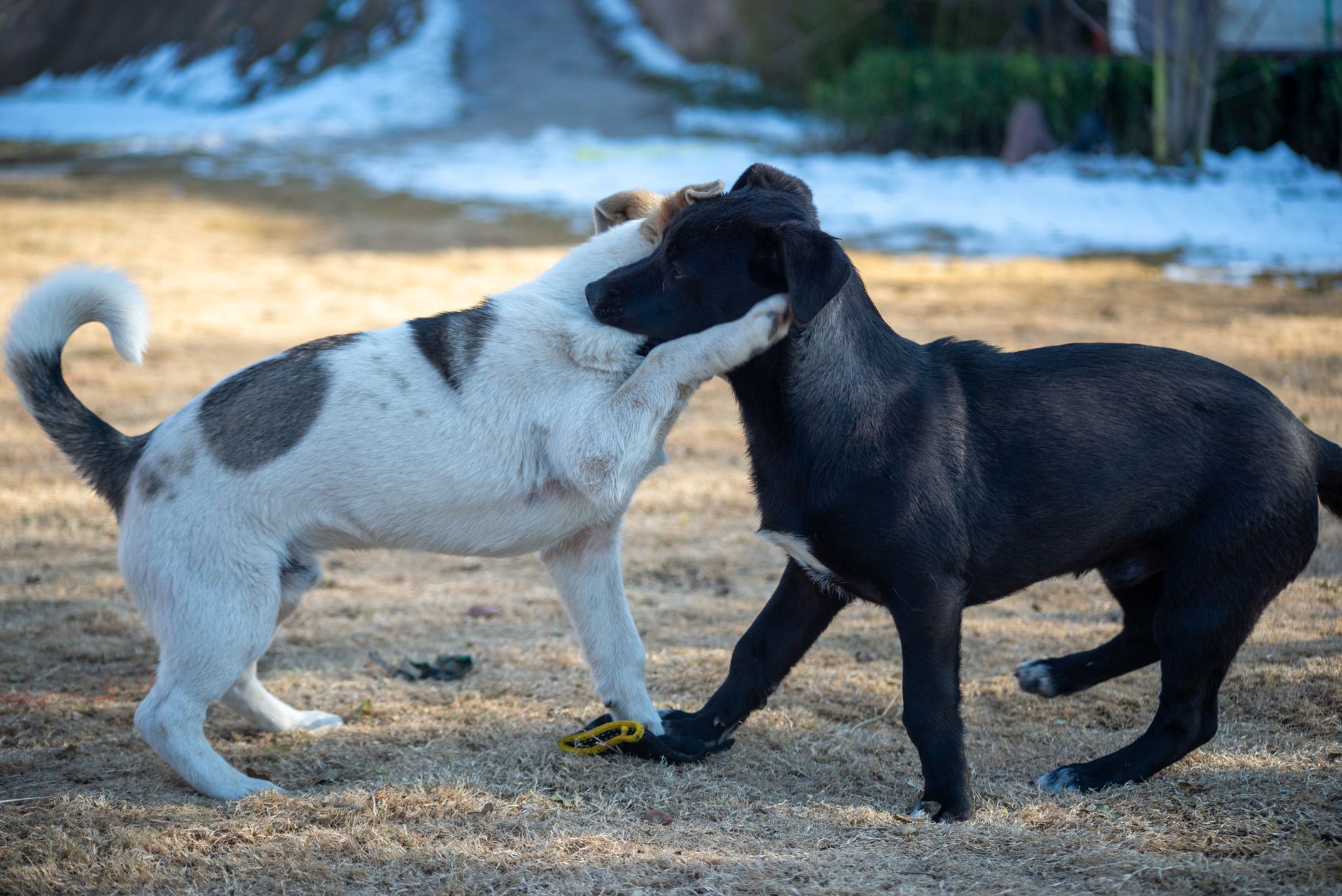
Puppy biting is completely natural, yet it is the number one reason young dogs end up surrendered to local pounds. Puppies explore the world with their mouths and learn bite inhibition from their littermates. When they leave the litter, humans must step in to teach this critical lesson.
Many outdated trainers still recommend yelping loudly like a wounded puppy when bitten. For high-prey-drive working breeds, this is a terrible strategy. A high-pitched squeal sounds exactly like a dying toy, instantly overstimulating the dog.
Advanced Insight #2: Environmental Contrast for High Prey Drive
Instead of making noise, trainers must utilize "environmental contrast." When a spirited Aussie Kelpie or a stubborn Frenchie bites down too hard, become completely silent and boring. Cross the arms, look away, and completely freeze.
If the puppy continues biting, calmly step over a baby gate, completely removing human access for ten seconds. The contrast between fun, engaging play and total isolation is a powerful teacher. The puppy quickly learns that sharp teeth make all the fun stop instantly.
Consider the case of a rescued Staffy mix brought into a busy household. The family tried yelping, which only made the muscular puppy bite harder and latch onto clothing. By switching to total silence and stepping behind a barrier, the biting behavior was entirely extinguished within five days.
🚨 Vet Fact: Puppies undergo a painful teething phase between four and six months of age when adult teeth push through the gums. Provide frozen rubber toys or chilled, dog-safe chew sticks to naturally numb the inflamed gums and redirect destructive chewing.
The Sleep Deprivation Trap: Forced Naps
A hyperactive, wildly biting puppy is almost always an overtired puppy. Canine infants require an astonishing 18 to 20 hours of sleep every single day. The modern household is simply too chaotic for a puppy to self-regulate and settle down.
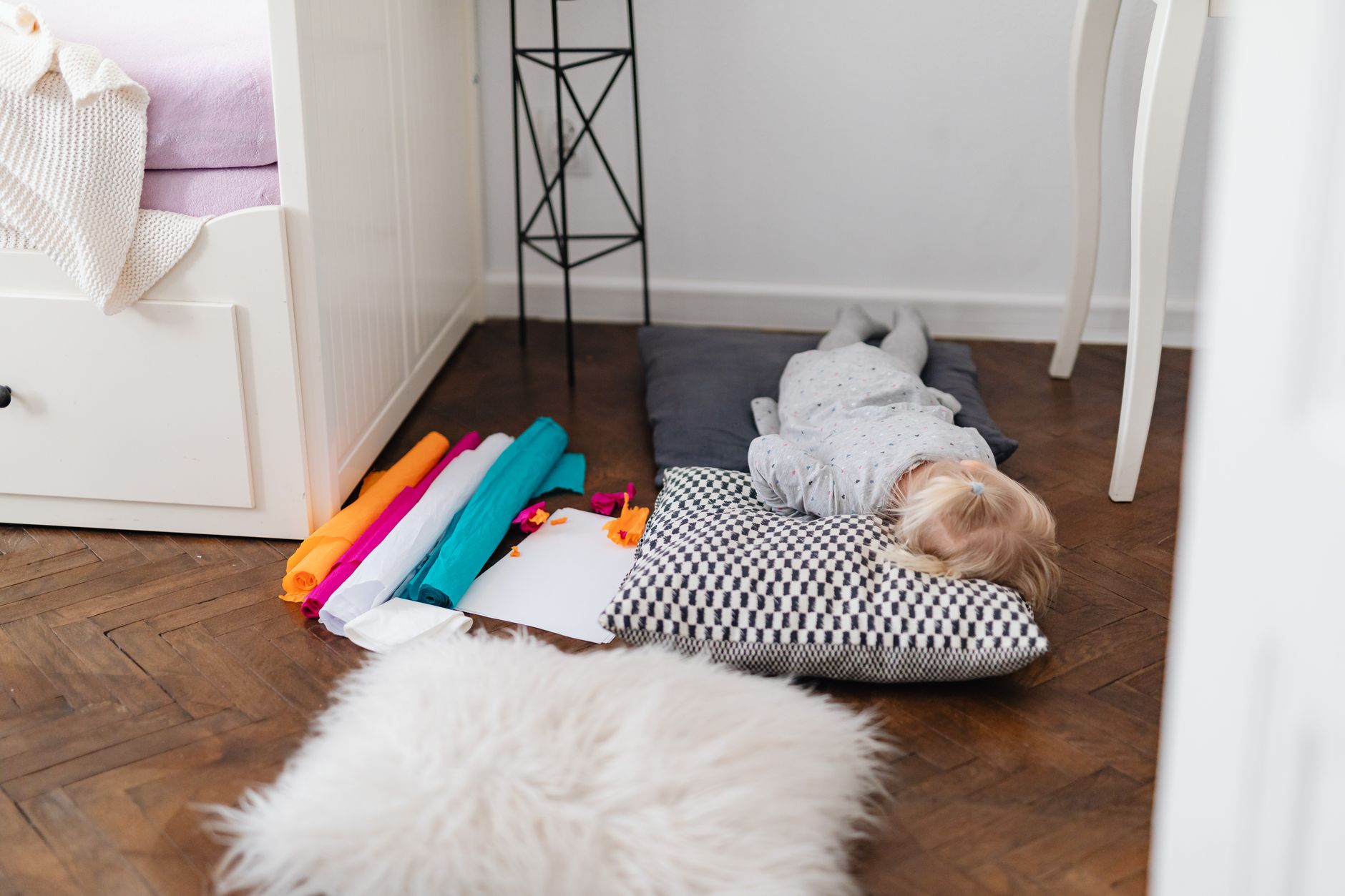
When an overly tired toddler throws a tantrum, parents put them to bed. The exact same logic applies to a young Golden Retriever doing frantic "zoomies" around the coffee table. Overtired dogs lose all impulse control and bite inhibition.
Advanced Insight #3: The Enforced Nap Protocol
Top-tier behaviorists rely heavily on the "One Hour Up, Two Hours Down" schedule. For every single hour the puppy is awake playing, training, or eating, they must spend two hours resting. This prevents the dangerous buildup of cortisol and adrenaline.
- Create a Cave: Place the crate in a quiet, low-traffic room away from the main living areas.
- Block Visuals: Cover the crate with a breathable, dark blanket to block out stimulating household movement.
- Add White Noise: Use a fan or a white noise machine to drown out slamming doors or street traffic.
Socialization vs. Forced Interaction
Proper socialization is heavily misunderstood by the general public. It does not mean forcing a terrified puppy to greet every single dog at the local park. True socialization is about teaching the dog to remain calm and neutral in novel environments.
Carrying a young puppy through a bustling hardware store is fantastic exposure. Rewarding them for quietly observing loud noises, strange hats, and shopping carts builds massive confidence. The goal is environmental neutrality, not forced canine playdates.
Take the story of a fearful Blue Heeler puppy living in a dense urban center. The owners originally forced the dog into chaotic dog parks, resulting in extreme leash reactivity. By pivoting to calm observation sessions from a park bench, the dog learned to ignore passing triggers and focus entirely on the handler.
🐾 Snoutbit Pro-Tip: During the critical socialization window (8 to 16 weeks), prioritize quality over quantity. One positive, calm exposure to a scary vacuum cleaner is infinitely better than ten overwhelming, chaotic interactions with strange dogs.
Localized Seasonal Training Challenges
Training routines must heavily adapt to the harsh realities of local climates. US winters present a massive hurdle for potty training tiny breeds. A shivering Frenchie will absolutely refuse to pee in the freezing snow.
To combat winter potty strikes, shovel a small, clear patch of grass and physically carry the puppy to the spot. Standing outside with the dog ensures the bathroom break happens before returning to the warm house.
Conversely, the blistering Australian summer heat demands massive caution. Training sessions must occur indoors during the day to avoid heatstroke on scorching pavement. Furthermore, the thick brush of tick season means outdoor obedience work must be followed by a rigorous, full-body parasite check.
The High-Value Reward System
Dogs do not work for free, especially when learning difficult new concepts. Ditch the dry, boring kibble when practicing critical commands like recall. Use highly pungent, high-value rewards to secure the dog's absolute focus.
- Boiled Chicken: Easily digestible and highly motivating for nervous pups.
- Freeze-Dried Liver: Excellent for outdoor training where distractions are incredibly high.
- Squeeze Tubes: Fill a reusable travel tube with dog-safe peanut butter or plain yogurt for continuous licking rewards.

Keep training sessions incredibly short and upbeat. A puppy's attention span tops out at roughly five minutes. Three brief, highly successful sessions a day will yield massive results compared to a single, frustrating hour-long drill.
🚨 Vet Fact: Parvovirus is highly contagious and deadly to young dogs. Until a puppy has received its full series of vaccinations (typically around 16 weeks), avoid high-traffic areas like pet store floors and public dog parks entirely.
What To Do Next
- Set Up the Pen: Designate a specific, puppy-proofed corner of the house today and install a secure exercise pen or baby gate. Remove all electrical cords, rugs, and valuable shoes from this restricted zone.
- Start the Nap Schedule: Implement the "One Hour Up, Two Hours Down" protocol immediately. Black out the sleeping area and stick to this strict routine to instantly reduce hyperactive evening biting.
Disclaimer: The content on Snoutbit.com is for informational and educational purposes only and is not intended to replace professional veterinary advice, diagnosis, or treatment. Always consult with your veterinarian before making significant changes to your dog’s diet, exercise routine, or health regimen.