How To Stop My Puppy From Biting My Other Dog
Bringing a new puppy home is supposed to be joyous, but seeing that razor-toothed landshark relentlessly attack a peaceful senior dog brings instant guilt. The older dog constantly retreats, looking completely miserable, and the fear of a bloody, corrective fight breaking out fills the living room with heavy tension. The absolute fastest way to stop a puppy from biting another dog is utilizing a drag-line for instant physical redirection and implementing a strict, enforced nap schedule to prevent over-arousal. Puppies bite older siblings simply because they completely lack social boundaries and bite inhibition. Active human intervention protects the older dog's peace and teaches the puppy crucial household manners before permanent behavioral damage occurs.
Why Is The Puppy Relentlessly Biting The Older Dog?
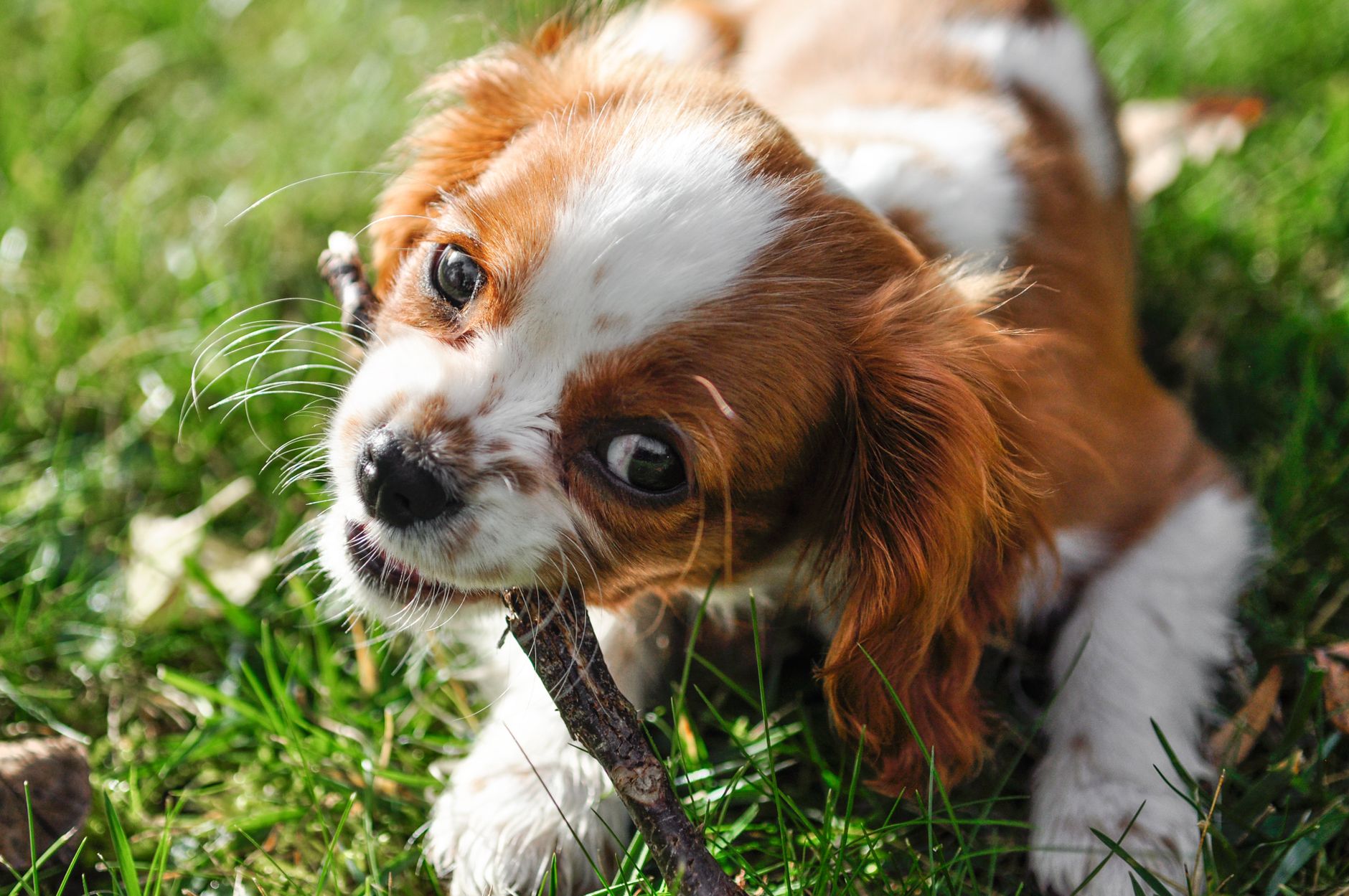
Puppies experience the world entirely through their mouths, utilizing sharp little teeth to initiate play and test boundaries. In a litter environment, puppies bite each other constantly until a sibling yelps and walks away, which naturally teaches bite inhibition. When separated from the litter, that hyperactive puppy instinctively transfers those rough, biting play behaviors directly onto the nearest resident dog.
The older dog simply replaces the littermates as the primary target for interactive, physical stimulation. Without immediate guidance, a puppy has no concept that a twelve-year-old arthritic dog does not want to wrestle like an eight-week-old puppy. The burden of teaching those polite household manners falls entirely on the human handlers, not the exhausted senior dog.
Is It Normal For A Puppy To Attack An Older Dog?
Yes, this behavior is entirely normal canine development and is rarely a sign of actual, malicious aggression. However, "normal" absolutely does not mean the behavior should be ignored or allowed to continue unchecked by human handlers. Allowing a puppy to relentlessly harass a senior dog causes immense psychological stress for the older animal and drastically lowers their quality of life.
A puppy that continuously practices bad behavior eventually turns into an adult dog with terrible socialization skills. If the biting is not curbed early, the puppy will eventually try this exact same rough play on a strange dog at the local park. That interaction will almost certainly result in a highly dangerous, violent physical correction from the unfamiliar dog.
When Does Puppy Play Turn Into Aggression?
Play remains healthy when both dogs have loose, wiggly bodies and actively take turns chasing or being chased. The interaction becomes dangerous when the older dog attempts to walk away, hide, or stiffens their body, and the puppy ruthlessly pursues them. Human handlers must watch for these subtle red flags indicating the older dog is severely stressed:
- The Whale Eye: The older dog shows the whites of their eyes while pinning their ears tightly backward.
- Stiff Body Posture: The resident dog freezes completely solid, shutting their mouth tightly instead of panting openly.
- Desperate Hiding: The older dog attempts to squeeze under tight furniture or stand on top of dining chairs to escape the landshark.
🐾 Snoutbit Pro-Tip: Never punish an older dog for growling at a biting puppy. A growl is a highly appropriate, safe warning signal; punishing the growl teaches the older dog to skip the warning and go straight to a defensive bite.
How Do I Stop My Puppy Biting My Other Dog?
What Is The House-Line Technique?
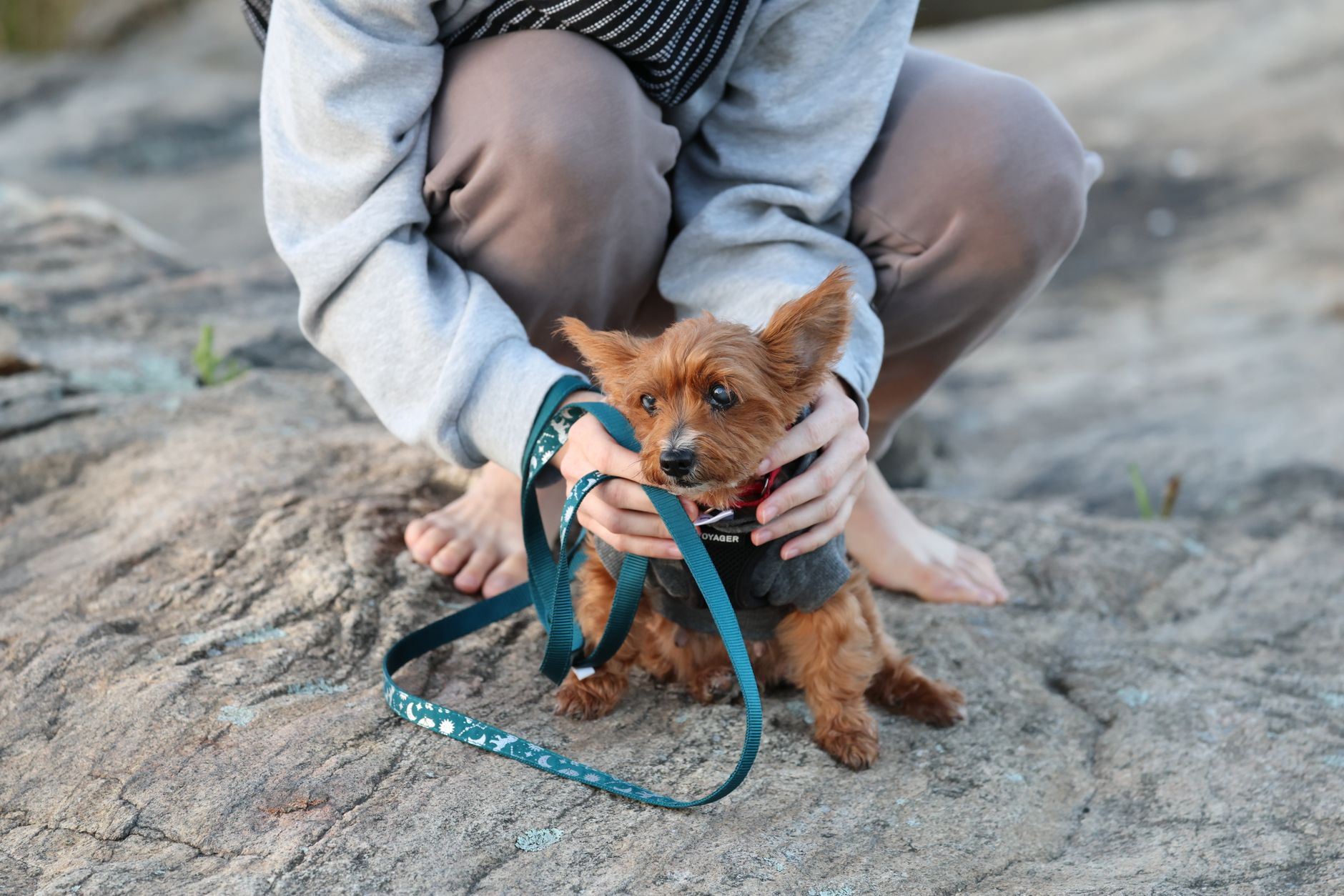
Standard verbal corrections like shouting "no" rarely work on an over-aroused puppy hyper-focused on an older dog's ears or tail. The most effective, hands-off intervention tool is a "house-line," which is simply a cheap, lightweight leash with the handle cut completely off. Leave this drag-line attached to the puppy's back harness whenever they are freely roaming the house with the other dog.
When the puppy lunges to bite, simply step on the trailing line to instantly halt their forward momentum without grabbing their collar. Once the puppy stops, calmly pick up the end of the line and silently guide them away from the older dog into a boring time-out area. This specific technique entirely prevents humans from turning the intervention into an exciting, high-energy game of chase.
Experienced behaviorists frequently see rescue Staffies or Blue Heelers relentlessly herd and nip resident dogs until vicious fights erupt. One specific case involved a young Kelpie endlessly biting a senior Golden Retriever's ankles during evening hours inside the family living room. Implementing a simple indoor drag-line allowed the owners to quietly remove the Kelpie every single time teeth touched fur, successfully extinguishing the behavior in just four days.
Why Do Enforced Naps Stop Puppy Biting?
Puppies require an astonishing eighteen to twenty hours of deep sleep per day for proper neurological development. However, a puppy will aggressively fight off sleep if a fascinating older dog is walking around the living room. This massive sleep deprivation leads to severe over-arousal, turning a sweet puppy into a frantic, biting terror that cannot self-regulate.
Implementing a strict "one hour awake, two hours asleep" schedule works absolute miracles for multi-dog household peace. Place the puppy in a covered crate or a quiet, separate room to force their overloaded nervous system to reset entirely. A well-rested puppy makes significantly better behavioral choices and is much easier to redirect away from the older dog.
🚨 Vet Fact: Puppies lose all twenty-eight deciduous milk teeth between four and six months of age. The intense biological urge to bite everything in sight drastically reduces once the permanent adult teeth fully set into the jawbone.
Should Older Dogs Discipline Puppies Themselves?
A highly dangerous myth circulating in dog parks is the idea that owners should "just let the dogs work it out." Forcing an older, arthritic dog to actively discipline a relentless puppy is incredibly unfair and damages their daily quality of life. Senior dogs deserve a peaceful retirement, not a full-time job acting as a canine drill sergeant for an unruly adolescent.
Furthermore, relying on the older dog to correct the puppy often backfires spectacularly. If a senior dog corrects a robust, thick-skulled breed like a French Bulldog, the stubborn puppy might view the growl as an exciting invitation to wrestle harder. Human handlers must act as the ultimate referee, stepping in to protect the older dog long before a violent physical correction ever occurs.
How To Create A Safe Zone For The Senior Dog?
The resident dog must possess guaranteed escape routes and sanctuaries where the puppy is physically forbidden from entering. These safe zones allow the older dog to drop their guard completely and achieve deep, restorative REM sleep without fear of ambush. Utilize these highly effective environmental management strategies:

- Elevated Bedding: Provide tall, sturdy cots or thick orthopedic beds on elevated platforms where the senior dog can rest comfortably out of reach.
- Strategic Baby Gates: Block off entire hallways or home offices so the older dog can freely pace away from the puppy.
- Separate Feeding Stations: Never feed a senior dog in the exact same room as an unpredictable, hyperactive puppy, as this creates intense resource guarding anxiety.
Does Environmental Stress Worsen Puppy Biting?
Local climate and environmental factors play a massive, hidden role in dictating canine frustration tolerance. During the brutal, sweltering heat of an Australian outback summer or a humid US August, dogs simply cannot self-regulate their body temperatures effectively. This intense thermal discomfort makes the puppy significantly more irritable while making the older dog far less tolerant of being bothered.
Heavy tick seasons across coastal regions frequently force families to keep energetic puppies indoors, severely limiting their daily physical exercise. This unspent physical energy rapidly converts into destructive indoor behaviors, usually aimed directly at the resident dog's sensitive neck or ankles. Providing temperature-appropriate enrichment, like freezing a durable rubber toy stuffed with dog-safe ingredients, offers vital cooling relief while keeping those sharp teeth occupied.
Trainers frequently witness owners completely misreading dog body language during hot weather outdoor play sessions. A recent evaluation involved two dogs playing in intense coastal humidity, where the older dog was desperately trying to retreat to a shaded patio. The owners assumed the older dog was just "tired," but a heat-stressed dog being harassed by an energetic puppy is a prime candidate for a sudden, severe bite.
🐾 Snoutbit Pro-Tip: When separating dogs during a biting frenzy, never pick the puppy straight up into the air. This visually elevates the puppy above the older dog, often triggering the older dog to jump up and instinctively snap at the dangling puppy.
What Is The "Consent Test" For Dog Play?
Understanding exactly when to intervene requires mastering the advanced behavioral concept widely known as the "Consent Test." When the puppy is wrestling heavily or biting the older dog, gently pull the puppy backward by the harness and hold them still for three seconds. Carefully observe exactly what the older dog does next while the puppy is restrained.

If the older dog immediately shakes off, walks away, or goes to lie down, they absolutely did not consent to the play, and the puppy must be permanently redirected. If the older dog instantly bounces back toward the restrained puppy and initiates a happy play bow, the interaction is consensual and can safely continue. This incredibly simple test definitively removes all human guesswork from complex canine social interactions.
What To Do Next
Restoring total peace to a multi-dog household does not require shouting or stressful physical punishments. By actively managing the home environment and utilizing strategic physical barriers, the senior dog stays perfectly safe while the puppy learns appropriate manners.
Here are two simple, immediate steps to take today to stop the harassment:
- Create The Drag-Line: Take an old, cheap leash and safely cut the hand-loop completely off with scissors. Clip this line to the puppy's back harness immediately so a safe, fast redirection tool is always available dragging on the floor.
- Establish The Baby Gate Sanctuary: Install a physical baby gate in a high-traffic area like the living room or main hallway. Designate the space behind that specific gate as a permanent, puppy-free VIP zone strictly for the older dog to retreat to whenever they feel overwhelmed.
Disclaimer: The content on Snoutbit.com is for informational and educational purposes only and is not intended to replace professional veterinary advice, diagnosis, or treatment. Always consult with your veterinarian before making significant changes to your dog’s diet, exercise routine, or health regimen.