The Missing Keys To Positive Reinforcement Dog Training You Cannot Afford To Miss
Dealing with a dog that completely ignores commands the second a distraction appears is incredibly frustrating. Yanking on leashes or shouting commands only creates a stressed, fearful animal that learns to avoid their handler. The ultimate solution to building a confident, flawlessly obedient companion is mastering positive reinforcement dog training.
Positive reinforcement simply means adding a highly desirable reward immediately after a correct behavior, making that specific behavior much more likely to happen again. The biggest takeaway for any pet parent is that flawless timing and utilizing a sliding scale of reward values dictate absolute success. Ditch the rigid corrections and discover the advanced behavioral secrets that professional trainers use to build unbreakable focus.
Why Is Positive Reinforcement Dog Training So Effective?
Canines are incredibly pragmatic creatures that constantly evaluate their environment to figure out what benefits them the most. Traditional compulsion training relies entirely on fear and physical force, teaching a dog what not to do to avoid pain. Positive reinforcement completely flips the script, actively teaching the dog exactly what they should do to earn an amazing paycheck.
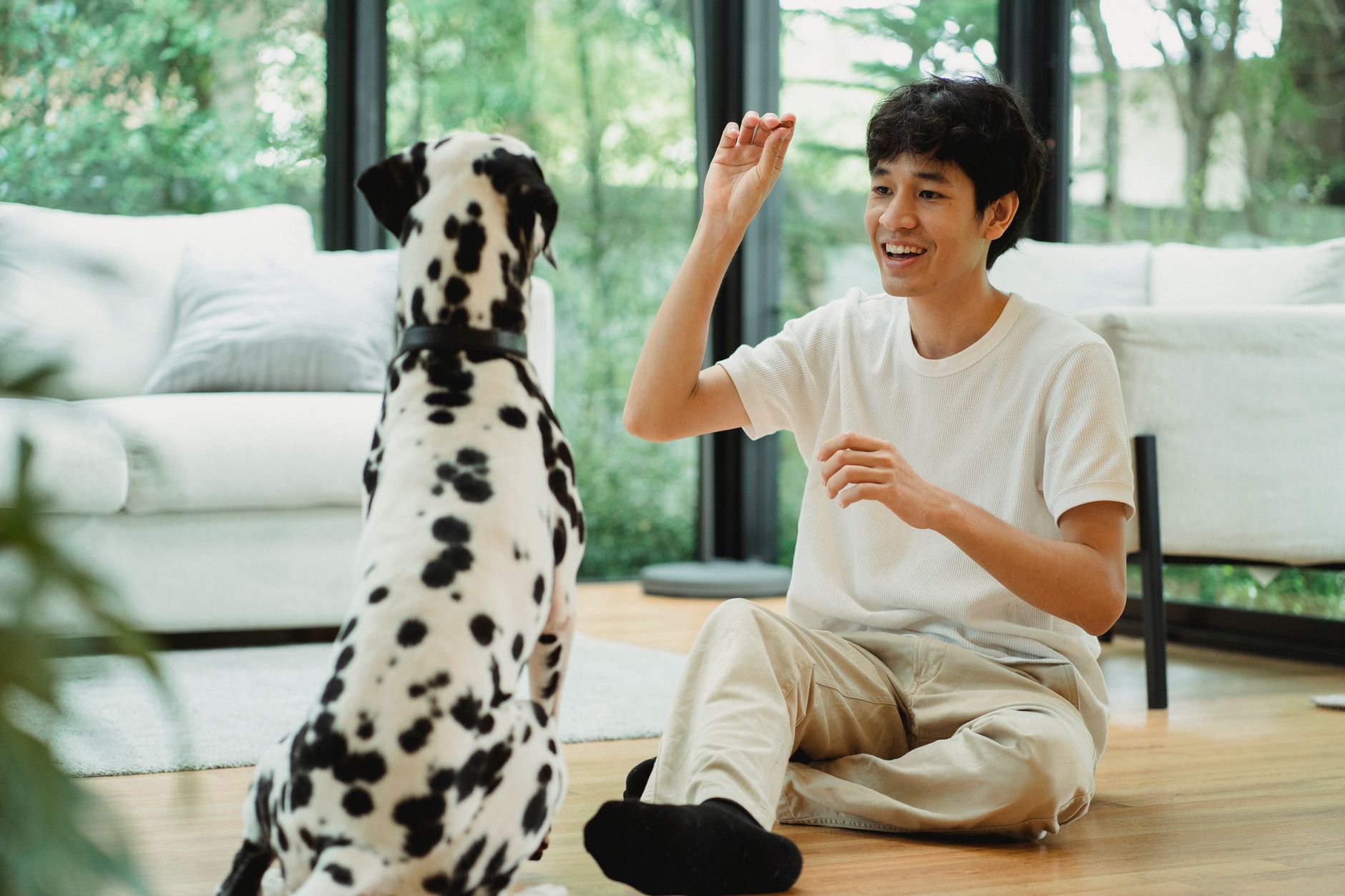
This psychological shift builds an immense bond of trust between the human handler and the hound. A dog trained with rewards views learning sessions as an exciting puzzle game rather than a miserable, stressful chore. This enthusiastic participation leads to incredibly fast learning curves and behaviors that hold up even under heavy, unpredictable distractions.
🐾 Snoutbit Pro-Tip: Always train a new behavior in a completely sterile, distraction-free environment like a quiet hallway before taking the dog outside. Asking a dog to learn a brand-new, complex skill in a busy public park is like asking a human to learn calculus at a loud rock concert.
What Are The Most Common Mistakes In Positive Dog Training?
The absolute most frequent error observed in neighborhood parks is the accidental bribery trap. Pet parents often hold a treat visibly in the air, essentially begging the dog to sit or come back. The dog quickly learns to visually scan the handler's hands, completely refusing to comply unless the food is already visible.
Behavioral specialists frequently encounter this exact scenario with notoriously food-motivated Golden Retrievers. Consider a specific case where a retriever completely ignored the recall command unless the owner practically waved a hotdog high in the air. The owner was accidentally teaching the dog that the physical presence of the hotdog was the actual command, not the verbal cue.
To avoid this dangerous trap, the treat must stay completely hidden in a pocket or pouch until the dog actively completes the required behavior. The reward should always be a surprise payment for a job well done, never an upfront bribe.
Does The Value Of The Training Treat Actually Matter?
This is an advanced behavioral insight that completely transforms an average training session into an elite obedience routine. Not all treats hold the exact same value in the incredibly complex canine brain. A dry, crumbly biscuit might work perfectly in the living room, but it holds zero weight against the massive distraction of a passing skateboarder.

Handlers must create a "Reward Hierarchy" scaled perfectly to the surrounding environment.
- Low-Value Rewards: Dry kibble or plain biscuits strictly used for inside the quiet house.
- Medium-Value Rewards: Chewy commercial treats or standard cheese utilized for the familiar backyard.
- High-Value Rewards: Hot dogs, boiled chicken, or tripe reserved exclusively for highly distracting parks or busy city streets.
🚨 Vet Fact: Overfeeding high-value, fatty treats during training sessions is a massive contributor to canine obesity and dangerous bouts of pancreatitis. Always deduct the exact caloric value of the daily training treats from the dog's total dinner portion to maintain a healthy, lean weight.
How Fast Should A Training Reward Be Given?
Timing is the absolute biological foundation of all successful animal conditioning. The canine brain makes complex associations in a matter of mere milliseconds. If the reward arrives even two seconds late, the dog will associate the payment with whatever micro-behavior they were doing at that exact moment.
If a dog sits, but the handler fumbles with a treat pouch and delivers the food as the dog stands back up, the dog just got rewarded for standing. This sloppy timing creates immense confusion and incredibly unreliable obedience records. This is exactly why utilizing a mechanical "clicker" or a sharp verbal marker word like "Yes!" is absolutely mandatory.
The marker acts exactly like a camera flash, signaling the exact millisecond the correct behavior occurs. It effectively bridges the time gap between the physical action and the delivery of the food. It takes the pressure off the handler's physical speed and provides crystal-clear communication to the dog.
Can Positive Reinforcement Work For Stubborn Breeds?
A dangerous, outdated myth circulating in dog parks is that strong-willed or tough breeds require physical dominance to fall in line. This is completely false and highly prone to causing dangerous, unpredictable behavioral fallout. Positive reinforcement is universally effective across all breeds, from sensitive Frenchies to intensely focused livestock working dogs.
Robust, high-energy breeds like Australian Kelpies or Staffies are actually the perfect candidates for reward-based systems. These specific dogs thrive on having a difficult job and solving complex puzzles to access their valuable resources. A classic example involves a highly reactive Blue Heeler that would aggressively lunge at passing bicycles on the sidewalk.
Instead of relying on a harsh prong collar, the handler utilized the "Look At That" positive reinforcement game. Every time the Heeler spotted a bike, a massive jackpot of premium food was delivered directly to the mouth. This successfully rewired the deep emotional response from reactive aggression to incredibly happy anticipation.
🐾 Snoutbit Pro-Tip: For insanely high-drive dogs, food is sometimes completely trumped by the biological desire to chase or tug. Substitute the chicken breast with a quick, five-second game of tug-of-war using a specialized bite pillow to provide the ultimate biological reward.
What Is The Premack Principle In Dog Training?
Here is an incredibly powerful, advanced behavioral concept that most standard obedience classes completely fail to teach. The Premack Principle states that a highly probable behavior can be actively used as a reward for a less probable behavior. Simply put, the dog must perform a boring task to unlock access to a highly exciting environmental reward.
For example, if a dog desperately wants to go sniff a fascinating fire hydrant, that sniff becomes the ultimate high-value reward. Require the dog to hold a perfect "sit" and offer eye contact for three seconds before releasing them to investigate the hydrant.
This completely eliminates the need to carry bulky food bags on every single neighborhood walk. The environment itself becomes the paycheck, building an incredibly obedient dog that looks to the handler for permission to interact with the world.
Does Weather Impact Dog Training Success?
Local climate factors heavily dictate the success and overall physical safety of any obedience routine. During the sweltering, brutal heat of a US Southern summer or a notorious Australian heatwave, intense outdoor training is highly dangerous. Dogs cannot sweat to cool down, meaning their physical and mental endurance plummets rapidly when the humidity spikes.
A stout French Bulldog forced to train complex obedience in the midday sun will completely shut down out of sheer biological self-preservation. Conversely, the intense Australian tick season makes training in tall coastal grass a massive health hazard for dense-coated breeds like Golden Retrievers. Training must be highly strategic, moved exclusively to early, cool mornings or strictly contained within air-conditioned living rooms.
Furthermore, extreme high heat aggressively destroys the appeal of standard training treats. A warm, sweaty piece of cheese is utterly disgusting to a heavily panting dog. Switching to frozen blueberries or licking a frozen spoon of plain peanut butter provides vital hydration and a cooling reward during hot weather drills.
🚨 Vet Fact: Dogs heavily utilize panting to regulate their core temperature, making chewing and swallowing dry food incredibly difficult when severely overheated. Always use soft, high-moisture treats during warm weather to prevent accidental choking or airway aspiration.
How Do You Phase Out Food Treats Completely?
A massive point of contention among skeptics is the fear that positive reinforcement creates a dog that only listens when food is physically present. This completely misunderstands the entire biological end goal of a properly structured behavioral program. Food is simply the initial, highly motivating tool used to install and explain the new behavior to the canine brain.

Once the dog fluently understands the verbal command, handlers must actively begin fading out the continuous food rewards. This involves replacing the food with real-life rewards, such as opening the back door to the yard or unclipping the leash at the beach.
What Is The Variable Schedule Of Reinforcement?
This is the final, elite-level secret to creating a dog that responds instantly every single time without needing a bribe. If a dog receives exactly one piece of kibble every single time they sit, the game quickly becomes predictable and incredibly boring. To build unbreakable focus, handlers must eventually transition to a "Variable Schedule of Reinforcement."
Think of this psychological strategy exactly like a casino slot machine. A gambler keeps pulling the lever because they never know exactly when the massive payout is coming. The dog should never know if the next "sit" earns a simple pat on the head, one piece of kibble, or a massive, five-piece jackpot of premium steak.
This absolute unpredictability creates intense, hyper-focused engagement from the canine. The dog works harder and faster, constantly hoping that the next repetition is the one that triggers the ultimate jackpot.
What To Do Next
Mastering positive reinforcement fundamentally changes the dynamic of the human-animal relationship, replacing daily frustration with flawless teamwork. By focusing heavily on precise timing, environmental rewards, and variable pay scales, any dog can achieve elite obedience. Ditch the outdated physical corrections and start actively communicating with biological clarity.
Here are two simple, immediate steps to take today to upgrade any training routine:
- Prime The Marker Word: Grab ten pieces of premium food right now. Say the word "Yes!" in a bright, cheerful tone, and immediately hand over a treat, repeating this ten times in a row to actively charge the marker.
- Audit The Treat Pouch: Throw away the dry, stale biscuits sitting at the absolute bottom of the training bag. Prepare a fresh stash of varying values—kibble, cheese, and plain hotdogs—to build a specialized reward hierarchy for tomorrow's walk.
Disclaimer: The content on Snoutbit.com is for informational and educational purposes only and is not intended to replace professional veterinary advice, diagnosis, or treatment. Always consult with your veterinarian before making significant changes to your dog’s diet, exercise routine, or health regimen.