When Do Puppies Finally Chill Out? A Survival Guide to Common Puppy Problems
Tired of the biting and accidents? Learn when common puppy problems finally end with our vet-certified timeline for behavior, teething, and potty training.
You’re Not Losing Your Mind—Puppyhood Is a Beautiful Disaster
You’re sitting on the floor, surrounded by shredded toilet paper, nursing a bleeding puncture wound on your hand while your "bundle of joy" sprints around the room like a caffeinated lightning bolt. If you’ve asked yourself, "Did I make a mistake?"—take a deep breath. Does the "puppy phase" eventually end? Yes. Most high-intensity puppy behaviors like biting, accidents, and separation anxiety begin to significantly decline between 6 and 12 months of age, provided you maintain a consistent training routine and veterinary health schedule.

The Exhaustion of the New Owner
The Problem is that the "puppy blues" are a biological reality caused by sleep deprivation and the sudden loss of your personal freedom. You expected cuddles, but you got a four-legged blender that eats your baseboards and cries at 4:00 AM.
Why Winging It Doesn't Work
If you Agitate this situation by assuming they will "just grow out of it" without structure, you risk turning temporary puppy quirks into permanent adult behavioral issues. Lack of boundaries now leads to a 70-pound adult dog that still jumps on guests or suffers from debilitating fear.
The Proven Light at the End of the Tunnel
The Solution is understanding the biological timeline of your puppy's brain. Knowing exactly when these behaviors peak and fade allows you to manage your expectations and keep your sanity intact.
The Big Three: Potty Training, Teething, and Biting
These are the primary stressors that drive owners to the brink of exhaustion. Fortunately, these are tied directly to physical development and have a predictable expiration date.
Potty Training and Bladder Control
Puppies lack the physical muscle tone to hold their bladder until they are about 4 to 6 months old. Until that point, "accidents" aren't defiance; they are biology.
- When it starts: The moment they arrive home (8 weeks).
- When it peaks: 8–16 weeks, when they need to go every 2 hours.
- When it tones down: 4–6 months. By this stage, most puppies can hold it for 4–6 hours and begin to signal at the door.
Surviving the "Land Shark" Phase (Biting)
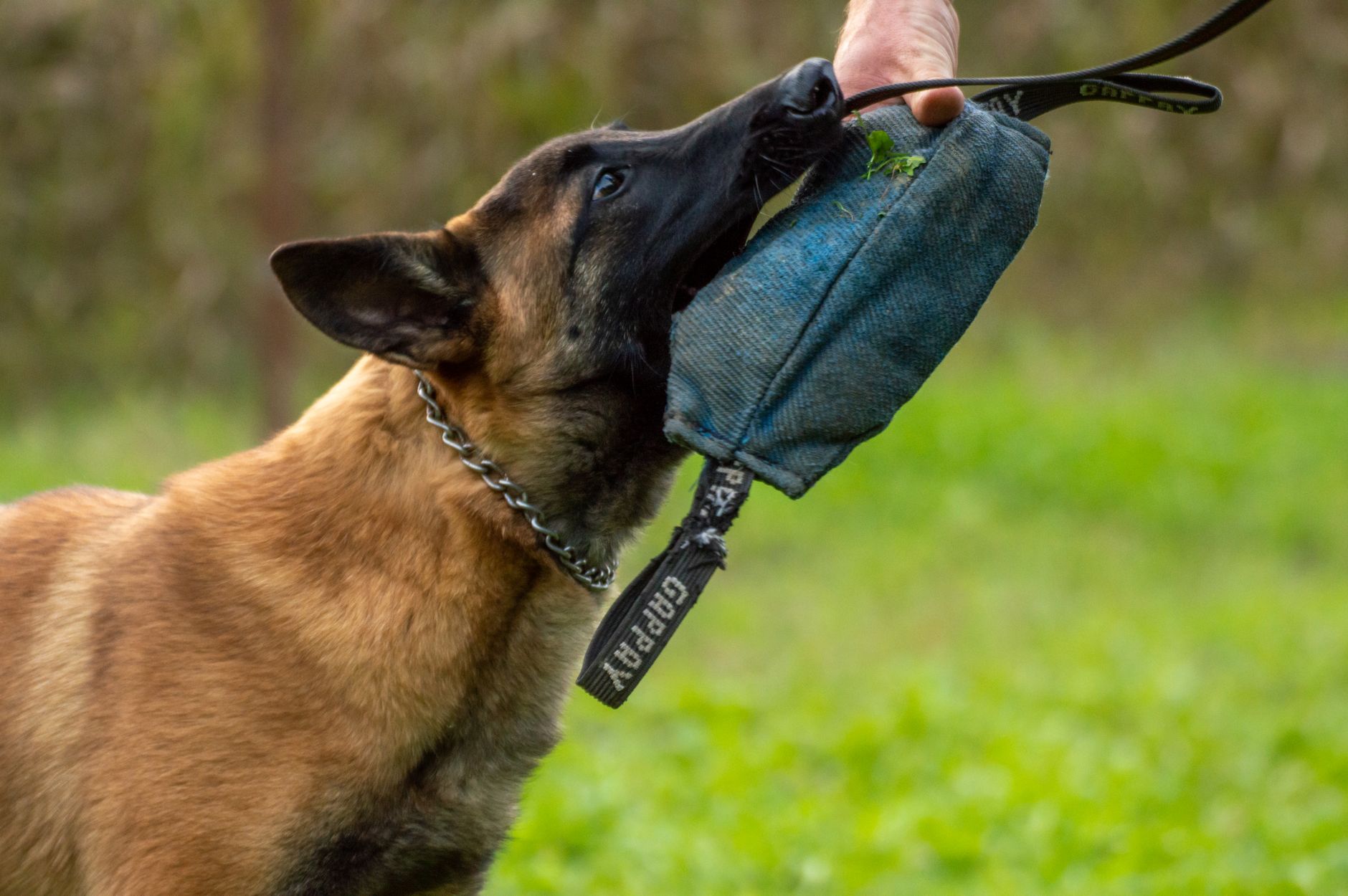
Puppies use their mouths to explore everything. Between 12 and 16 weeks, they lose their needle-sharp baby teeth, and the discomfort makes them crave something to crunch on—usually your ankles.
Bottom line: The biting isn't aggression; it's teething. Provide frozen washcloths or rubber toys to redirect that energy away from your skin.
The Destructive Chewing Timeline
Destructive chewing usually follows the teething cycle but can be exacerbated by boredom. Once the adult molars are fully set in, the "need" to gnaw typically decreases.
- 3–6 Months: Intense chewing due to gum pain.
- 7–10 Months: "Adolescent chewing" driven by jaw strengthening.
- 12 Months+: Significant decline as the dog matures mentally.
Social Anxiety and Night-Time Crying
Many owners feel trapped in their own homes because their puppy screams the moment they leave the room. This is a survival instinct left over from their time in the litter.
Separation Anxiety vs. Isolation Distress
In the first few weeks, your puppy is terrified of being alone because, in the wild, a lone puppy is a dead puppy. You aren't "spoiling" them by comforting them; you are building their confidence.
- When it starts: Immediately upon separation from the mother.
- The "Peak" Period: 8 to 12 weeks old.
- The Solution: Gradually increase "alone time" in 5-minute increments using a high-value treat to create a positive association with your departure.
When Will My Puppy Sleep Through the Night?
Most puppies can sleep 6–8 hours without a bathroom break by 16 weeks of age. If yours is still waking up, check for environmental triggers like streetlights or noise, and ensure their last water bowl is picked up 2 hours before bed.
The "Velcro Dog" Phase
Expect your puppy to follow you into the bathroom and under your feet for the first 5 months. As they reach 6 months, their natural curiosity and growing independence will lead them to explore the house without being attached to your hip.
The Adolescent "Rebellion" (6 to 12 Months)
Just when you think you’ve won, your puppy hits puberty. This is often the time when dogs are surrendered to shelters because owners feel the training "failed."
Selective Hearing and Testing Boundaries
Around 6 or 7 months, your puppy’s brain undergoes a massive hormonal shift. They may suddenly "forget" the "Sit" command or start pulling on the leash like they’ve never been trained.
Bottom line: This is a temporary developmental regression. Stick to your rules, don't stop training, and stay empathetic—their brain is literally under construction.
- The "Teenage" Peak: 7 to 9 months.
- The Turning Point: 12 to 14 months for small breeds; up to 24 months for giant breeds like Great Danes or Labradors.
Energy Levels and "The Zoomies"
Frenetic Random Activity Periods (FRAPs), or "The Zoomies," are a way for puppies to release pent-up energy. These usually happen in the early morning or right before bed.
Secondary Fear Periods
Don't be surprised if your 8-month-old dog is suddenly terrified of a cardboard box. This "Secondary Fear Period" is a natural biological safety check. Avoid forcing them to approach the object; let them investigate at their own pace to build permanent confidence.
Summary Table: Puppy Issue Expiration Dates
| Common Issue | Starts At | Peaks At | Tones Down/Ends |
|---|---|---|---|
| Potty Accidents | 8 Weeks | 12 Weeks | 5-6 Months |
| Play Biting | 8 Weeks | 4 Months | 6 Months (Adult teeth in) |
| Night Crying | 8 Weeks | 10 Weeks | 4 Months |
| Destructive Chewing | 3 Months | 5 Months | 10-12 Months |
| Leash Pulling | 4 Months | 8 Months | 14 Months (With training) |
Export to Sheets
A Veteran’s Perspective: It Really Does Get Better
I have stood where you are, looking at a ruined pair of expensive sneakers and wondering if I was "dog person" enough for this. The truth is, the intensity of puppyhood is a very short chapter in a very long book. The frustration you feel today is the down payment on a decade of loyalty.
Three Tips to Speed Up the Process
While you can't fight biology, you can optimize the environment to make the transition smoother for everyone.
- Enforced Naps: A "cranky" puppy is an overtired puppy. Use a crate to ensure they get 18-20 hours of sleep.
- Mental Stimulation: 15 minutes of sniffing or a puzzle toy is more exhausting than a hour-long walk.
- Consistency Over Intensity: Five 2-minute training sessions a day are better than one 30-minute session that frustrates the dog.
When to Seek Professional Help
If your puppy is showing "resource guarding" (growling over food) or extreme fear that results in snapping, consult a certified behaviorist or your veterinarian immediately. These are often not "phases" but signals that require expert intervention.
The Reward of Persistence
By the time your dog hits their second birthday, the "Puppy 101" struggles will be a distant memory. You will have a companion that understands your routine, respects your home, and offers unconditional love. You are not alone, you are doing a great job, and the best is yet to come.
Disclaimer: This article is for informational purposes only and does not constitute veterinary medical advice. Always consult with a licensed veterinarian before altering your pet's diet, starting a new training regimen, or addressing health concerns.