7 Best Dog Food Seasonings to Make Mealtime Irresistible
Introduction
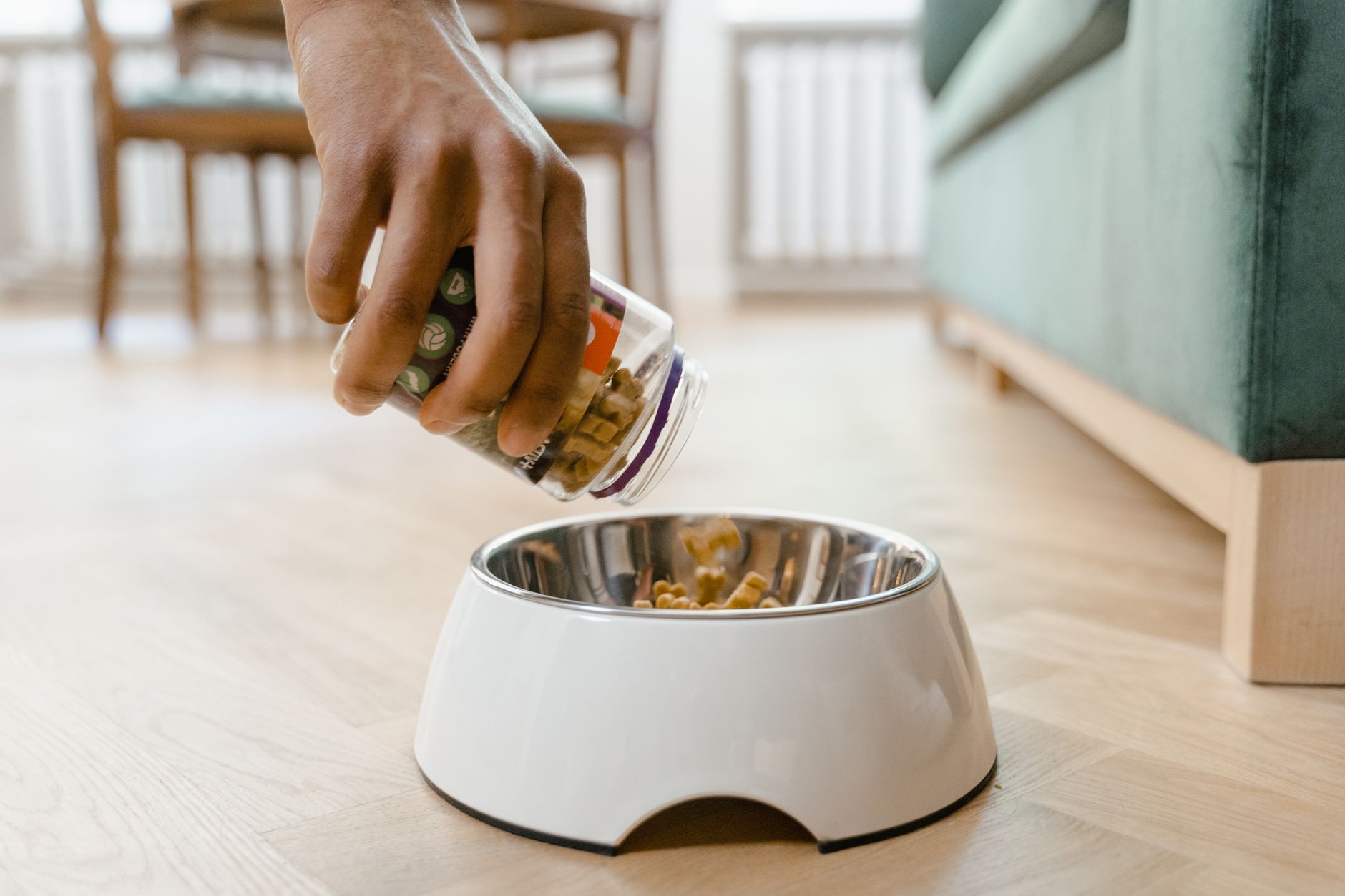
Does your dog turn up their nose at dinner? You're not alone. Many pet parents struggle with picky eaters, but the solution might be simpler than you think. Dog food seasonings, also known as flavor enhancers, are products designed to add flavor to your dog's regular diet. They can make mealtime more appealing, particularly for picky eaters, and they typically come in powder or liquid form to be sprinkled or poured onto your dog's food (iHeartDogs).
These seasonings are generally safe when made with natural, pet-safe ingredients and used as directed, but it's crucial to avoid artificial flavors, colors, or preservatives (iHeartDogs). Human seasonings are not recommended because ingredients like salt, garlic, and onion can be harmful to dogs (iHeartDogs). Instead, always choose products specifically formulated for dogs.
In this article, we'll explore the top 7 dog food seasonings that can transform your dog's meals from boring to irresistible. We'll also share key qualities to look for, safety guidelines, and answer common questions. Whether your dog is a finicky eater or you simply want to add a nutritional boost, these seasonings can help. Remember, seasonings are meant to enhance flavor, not replace a balanced diet (iHeartDogs). Let's dive in!
Top 7 Dog Food Seasonings: Reviews and Benefits
When it comes to enticing picky eaters, these seven dog food seasonings stand out for their quality ingredients and palatability. Each offers unique benefits while making meals more enjoyable for your furry friend.
1. iHeartDogs Bone Broth & Collagen for Dogs
This seasoning is packed with collagen to support joint flexibility, skin health, and digestion. Made with real bone broth and functional mushrooms, it's a nutritious addition to any meal (iHeartDogs). Simply sprinkle or pour over kibble for a flavor boost. For dogs with joint issues, this can be a game-changer—learn more about natural joint support in our guide to The Hidden Signs Of Canine Joint Pain: Best Natural Supplements For Senior Dogs.
2. Stella & Chewy's Magical Dinner Dust
A grain-free topper made from 95% cage-free chicken, organs, and bone, with organic fruits and vegetables for antioxidants (iHeartDogs). This dust adds a meaty flavor dogs love and provides a nutritional punch. It's an excellent way to add variety without compromising on quality.
3. Herbsmith Kibble Seasoning
Made with USDA-inspected beef and human-grade fruits and veggies, this seasoning is gluten-free, grain-free, and free from additives, fillers, and preservatives (iHeartDogs). It's a wholesome choice for health-conscious pet parents who want clean ingredients.
4. Pawstruck Dog Food Toppers
These vet-recommended, grain-free meal mix-ins are made with all-natural ingredients from premium partners (iHeartDogs). They are a safe and effective way to enhance flavor and encourage eating. If you're dealing with a sensitive stomach, pairing a gentle topper with the right base diet is key—see our guide to Stop The Sloppy Poops: The Ultimate Guide To Finding The Best Dog Food For Sensitive Stomachs.
5. Raw Paws Boost Pet Food Topper
This freeze-dried cheese product is made with 100% Certified Wisconsin Cheddar Cheese, providing protein, calcium, and essential fatty acids (iHeartDogs). A sprinkle of cheese is sure to make any meal irresistible. Freeze-dried formats preserve nutrients and flavor, similar to the benefits discussed in Why Is Freeze-Dried Raw Dog Food The Ultimate Diet Upgrade?.
6. Crumps' Naturals Beef Liver Sprinkles
A single-ingredient topper made from 100% freeze-dried beef liver, loaded with iron and B vitamins (iHeartDogs). The strong aroma and taste of liver make it a powerful appetite stimulant. For training or high-value rewards, liver-based treats are often a top choice—see The Bribe That Backfires: What Are The Safest High-Value Dog Treats For Training?.
7. Native Pet Bone Broth
Formulated by vet nutritionists to support joint health, this bone broth can be mixed with water to encourage hydration or sprinkled on dry food (iHeartDogs). It's a versatile option for adding moisture and flavor. Adding moisture to kibble can also transform your dog's behavior—learn how in Hydrating Dry Dog Kibble Transforms Your Dog's Behavior.
These seasonings can entice picky eaters to eat their meals by making the food more flavorful and stimulating appetite (iHeartDogs). While their primary function is to enhance flavor, some may also provide additional health benefits, such as added vitamins, minerals, probiotics, or omega-3 fatty acids (iHeartDogs). Always introduce new seasonings gradually and monitor your dog's response.
Key Qualities to Look for in a Dog Food Seasoning
Choosing the right seasoning for your dog involves more than just picking the most appetizing flavor. To ensure safety and effectiveness, consider these key qualities when shopping.
First, look for natural ingredients. Avoid seasonings with artificial flavors, colors, or preservatives (iHeartDogs). Quality proteins, such as real meat or bone broth, are a good sign. Nutrient-rich components like fruits, vegetables, and functional mushrooms can offer additional health benefits (iHeartDogs). Low sodium is important because excess salt can be harmful to dogs (iHeartDogs). Palatability is crucial—your dog actually needs to enjoy the taste! Allergen-free options are essential if your dog has known allergies; always read the ingredient list carefully (iHeartDogs). Ease of use matters too—powders and liquids that are simple to sprinkle or pour make mealtime hassle-free. Finally, choose products from a reputable manufacturer. Brands like those mentioned above are well-known and trusted in the pet community.
When selecting a seasoning, consider your dog's specific needs. For example, if your dog has joint issues, a collagen-rich bone broth might be beneficial (iHeartDogs). If your dog is a picky eater, a highly palatable liver sprinkle could do the trick (iHeartDogs). Always check with your veterinarian if you're unsure about a product's suitability, especially if your dog has health conditions or allergies (iHeartDogs).
Remember, dog food seasonings are intended to enhance flavor, not replace a balanced, nutritionally complete diet (iHeartDogs). They can add variety and make food more appealing, but they shouldn't replace your dog's regular meals. Use them as a complement to a high-quality dog food. For senior dogs, nutritional needs shift—see Best Senior Dog Food: The Hidden Nutrition Rules for Aging Dogs to ensure you're meeting their requirements.
Safety and Usage Guidelines for Dog Food Seasonings
Using dog food seasonings safely is paramount. While these products are generally safe when made with natural, pet-safe ingredients and used as directed, there are important guidelines to follow (iHeartDogs).
First and foremost, never use human seasonings on your dog's food. Many common ingredients in human seasonings, like salt, garlic, and onion, can be harmful to dogs (iHeartDogs). Always use products specifically formulated for dogs. Even with dog-safe seasonings, moderation is key. While they are typically low in calories, if they cause your dog to eat more, they could potentially contribute to weight gain (iHeartDogs). Monitor your dog's weight and adjust their food intake as necessary.
The frequency of use can vary based on the product and your dog's needs. Some dogs might enjoy having seasoning at every meal, while others may need it only occasionally (iHeartDogs). Always follow the product's instructions and consult your vet if unsure. If your dog has allergies, carefully read the product's ingredients to ensure it doesn't contain allergens (iHeartDogs). When in doubt, consult your vet.
Proper storage is also important. The shelf life of dog food seasonings can vary based on the product. Always check the product's expiration date and store it as directed to ensure it stays fresh (iHeartDogs).
Introduce new seasonings gradually to avoid digestive upset. Start with a small amount and observe your dog's reaction. If you notice any adverse effects, discontinue use and consult your veterinarian. Remember, seasonings are meant to enhance flavor, not to replace a balanced diet (iHeartDogs). They should be used as a supplement to a complete and balanced dog food. Avoid common feeding mistakes by reviewing 7 Dangerous Mistakes You're Making With Your Dog's Food.
Frequently Asked Questions About Dog Food Seasonings
Are dog food seasonings safe for my dog?
Yes, dog food seasonings are generally safe when they're made with natural, pet-safe ingredients and used as directed. Always avoid seasonings with artificial flavors, colors, or preservatives, and make sure the seasoning is suitable for dogs (iHeartDogs).
Can I use human seasonings for my dog?
Generally, it's not recommended to use human seasonings for your dog's food. Many common ingredients in human seasonings, like salt, garlic, and onion, can be harmful to dogs. Always use products specifically formulated for dogs (iHeartDogs). For a list of safe and unsafe human foods, see Can Dogs Eat Apples? The Hidden Dangers And Safe Feeding Rules.
Will dog food seasonings replace my dog's balanced diet?
No, dog food seasonings are intended to enhance flavor, not to replace a balanced, nutritionally complete diet. They can add variety and make food more appealing, but they shouldn't replace your dog's regular meals (iHeartDogs).
Can seasoning help with picky eaters?
Yes, seasoning can often entice picky eaters to eat their meals. By making the food more flavorful, seasonings can help stimulate your dog's appetite (iHeartDogs).
Can I use dog food seasonings for a dog with allergies?
You can use dog food seasonings for a dog with allergies, but it's essential to carefully read the product's ingredients to ensure it doesn't contain allergens. When in doubt, consult your vet (iHeartDogs).
Do dog food seasonings provide health benefits?
While their primary function is to enhance flavor, some dog food seasonings may also provide additional health benefits. Some are enriched with vitamins, minerals, probiotics, or omega-3 fatty acids (iHeartDogs).
Will seasonings cause weight gain?
Dog food seasonings are typically low in calories, but if they cause your dog to eat more, they could potentially contribute to weight gain. It's always important to monitor your dog's weight and adjust their food intake as necessary (iHeartDogs).
How often can I use dog food seasonings?
The frequency of use can vary based on the product and your dog's needs. Some dogs might enjoy having seasoning at every meal, while others may need it only occasionally. Always follow the product's instructions and consult your vet if unsure (iHeartDogs).
How should I store dog food seasonings?
The shelf life of dog food seasonings can vary based on the product. Always check the product's expiration date and store it as directed to ensure it stays fresh (iHeartDogs).
Quick Comparison Table
| Seasoning | Key Benefit | Best For |
|---|---|---|
| iHeartDogs Bone Broth & Collagen | Joint, skin, and digestion support | Dogs with joint issues |
| Stella & Chewy's Magical Dinner Dust | Meat-rich flavor with antioxidants | Picky eaters needing variety |
| Herbsmith Kibble Seasoning | Clean, human-grade ingredients | Health-conscious pet parents |
| Pawstruck Dog Food Toppers | Vet-recommended, all-natural | Sensitive stomachs |
| Raw Paws Boost Pet Food Topper | Cheese flavor with protein and calcium | Cheese-loving dogs |
| Crumps' Naturals Beef Liver Sprinkles | Single-ingredient, high aroma | Strong appetite stimulant |
| Native Pet Bone Broth | Hydration and joint support | Dogs needing moisture |
Conclusion
Dog food seasonings are a simple yet effective way to make mealtime irresistible for your furry friend. By choosing products with natural, pet-safe ingredients and following safety guidelines, you can enhance flavor without compromising health. Whether your dog is a picky eater or you want to add a nutritional boost, these seven options offer something for every need. Always introduce new seasonings gradually and consult your vet if you have concerns. For more tips on optimizing your dog's diet, explore our guide to Want a Longer Life for Your Dog? 10 Superfoods to Feed Them Now.
Source: iHeartDogs