7 Dangerous Mistakes You're Making With Your Dog's Food (Kibble, Wet, and Raw)
You spend hundreds of dollars on premium dog food, yet your dog still suffers from unexplainable loose stools, itchy skin, or absolute refusal to eat their dinner. You are incredibly frustrated, but your dog is not broken. Are you feeding your dog wrong? Yes, the most common mistakes owners make are feeding oxidized kibble that has gone rancid, mixing raw meat and dry kibble in the same bowl, free-feeding, and using bacteria-harboring plastic bowls.
If you do not understand the biological reality of how a canine digests different diets, you will accidentally turn expensive, high-quality food into a health hazard.
Overview Mind Map: Dog Food Mistakes to Avoid
- Storage Traps: Keeping kibble open past 30 days leads to toxic lipid oxidation.
- Diet Mixing: Combining raw meat and dry kibble causes a dangerous gastric pH clash.
- Serving Errors: Serving food cold kills the aroma; using plastic bowls breeds acne-causing bacteria.
- Behavioral Fails: Free-feeding destroys their natural food drive and creates picky eaters.
- Climate Ignorance: Feeding dry-only diets during brutal US/AU summers causes chronic, low-grade dehydration.

Mistake 1: The 40-Pound Bag Trap (Lipid Oxidation)
It is incredibly tempting to buy a massive, 40-pound bag of kibble at a US big-box store to save money. If you own a single, medium-sized dog, this is a catastrophic nutritional mistake.
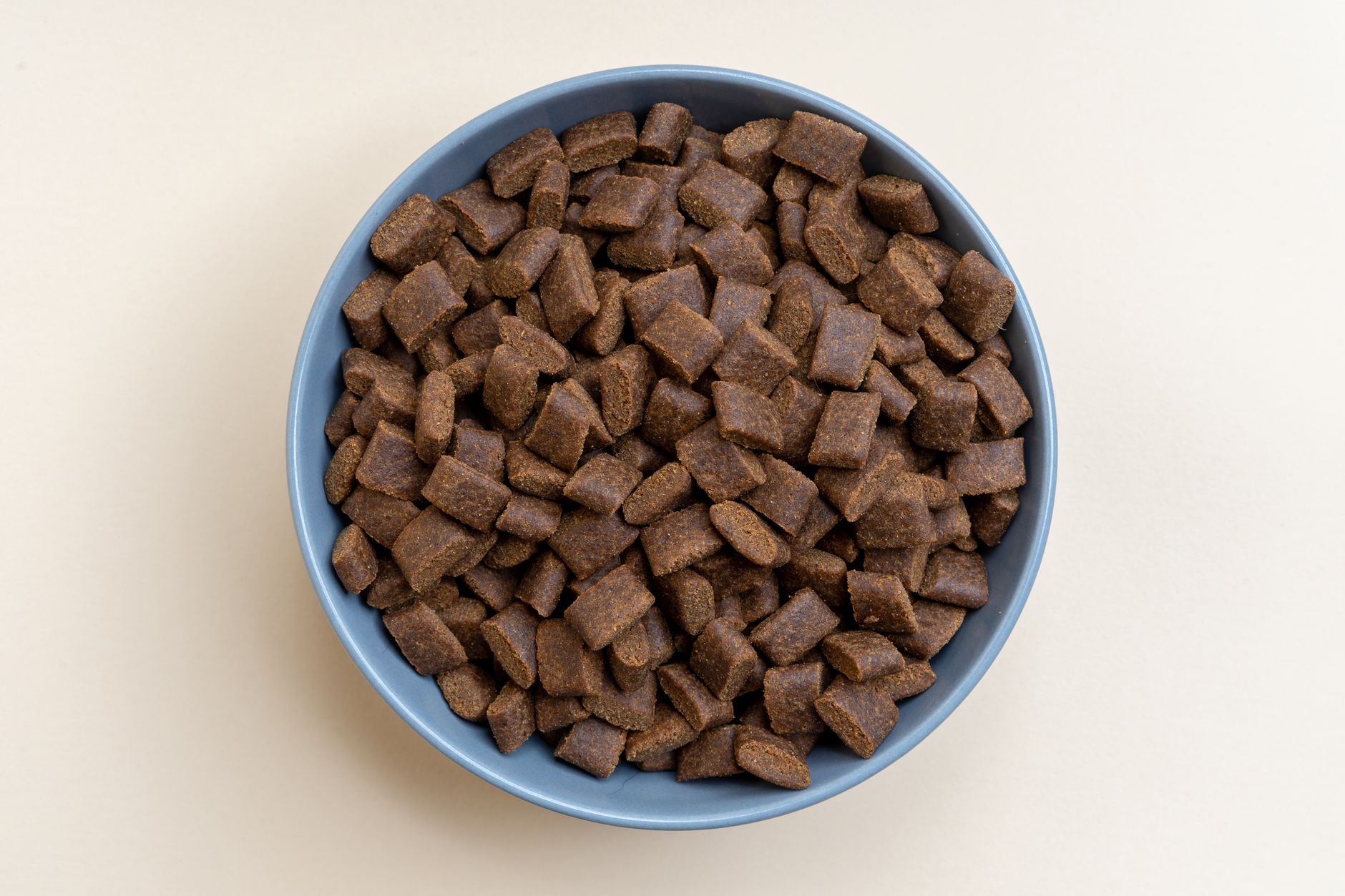
To make dry kibble palatable, manufacturers spray the outside of the baked pellets with rendered animal fats. The absolute second you open that bag and expose it to oxygen, those fats begin a chemical process called lipid oxidation. Within 30 to 45 days of opening the bag, those fats go completely rancid.
Feeding your dog rancid fat introduces massive amounts of free radicals and inflammation directly into their gut lining. This is the number one hidden cause of sudden, unexplainable diarrhea halfway through a bag of food.
Does Dry Dog Food Go Bad in an Airtight Container?
Yes, pouring kibble out of its original bag and directly into a plastic storage bin actually accelerates the rotting process. The fats seep into the porous plastic of the bin, turn rancid, and will contaminate every fresh bag of food you pour in afterward.
Pro-Tip: The "Bag-in-Bin" Storage Rule
Never pour bare kibble into a plastic container. You must buy an airtight, UV-blocking storage bin, but you must place the entire original kibble bag inside the bin. The original bags are specifically lined with specialized barriers designed to drastically slow down lipid oxidation and preserve the food.
Mistake 2: Mixing Raw Meat and Dry Kibble
The Biologically Appropriate Raw Food (BARF) diet is incredibly popular right now. Wanting to give their dogs a "boost," many well-meaning owners throw a raw chicken neck or a scoop of raw beef directly on top of a bowl of dry kibble.
This is a massive piece of Information Gain that most owners miss: you are creating a dangerous gastric clash.
Dry kibble is highly processed and carbohydrate-heavy, requiring a less acidic stomach environment and a very slow digestion time (often 10-12 hours). Raw meat requires a highly acidic stomach (pH of 1-2) and digests incredibly rapidly (4-6 hours).
Can I Mix Raw Food With Kibble?
No, you should never mix them in the exact same meal. When you mix them, the slow-digesting kibble acts like a roadblock in the digestive tract. It holds the raw meat in the warm environment of the stomach and intestines for twice as long as nature intended, giving pathogens like Salmonella massive opportunities to colonize the gut.
If you want to feed both, you must separate them by at least 12 hours. Feed kibble in the morning and raw in the evening.

Mistake 3: The "Free-Feeding" Behavioral Nightmare
If you leave a bowl of food on the floor 24/7, you are actively destroying your dog's natural food drive. In canine psychology, a resource that is always available possesses absolutely zero value.
In my behavior practice, 90% of the "picky eaters" I treat are simply dogs who have been free-fed. When food is boring and infinite, they quickly learn to hold out and beg for the high-value roasted chicken you are eating for dinner.
You must introduce the concept of artificial scarcity. A dog should view their daily meals as a highly valuable event, not part of the living room furniture.
Why Is My Dog a Picky Eater?
They are manipulating you. If they skip a meal and you immediately panic, switching to a different flavor or adding a gourmet topper, you just successfully trained them to go on a hunger strike.
Pro-Tip: The 15-Minute Window
Put the food bowl down and set a timer for exactly 15 minutes. If they walk away or refuse to eat, say nothing. Pick the bowl up and put it in the fridge until their next scheduled mealtime. A healthy dog will quickly learn that they must eat when the food is presented, or they simply go hungry.
Mistake 4: Serving Wet Food Straight From the Fridge
If you are using high-quality canned food or fresh, gently cooked meals (like Lyka in Australia or The Farmer's Dog in the US), you are likely storing the leftovers in your refrigerator.
If you scoop cold food directly into their bowl, you are completely deadening the meal. A dog's appetite is dictated almost entirely by their olfactory bulb, not their taste buds. Cold food emits virtually zero odor.
If a dog cannot smell their food, their brain does not trigger the salivary glands required to start the digestive process. They will often sniff the cold bowl and walk away, leaving you to assume they hate the brand.

How to Make Dog Food More Appealing?
You must utilize thermal scent activation. Add a splash of warm (not boiling) water or dog-safe bone broth to the cold food and stir it aggressively. The heat instantly vaporizes the lipid molecules, releasing a massive plume of savory meat aroma that will trigger a predatory feeding response.
Mistake 5: Using Plastic Food Bowls
Take a close look at your dog's plastic food or water bowl. Over time, plastic develops microscopic scratches from your dog's teeth and your cleaning sponge.
These microscopic scratches act as safe havens for dangerous bacteria. Even if you run the plastic bowl through the dishwasher, a slimy, invisible bacterial biofilm permanently bonds to the scratched plastic.
Are Plastic Dog Bowls Safe?
No, they are the leading cause of canine chin acne and localized skin infections. Every time your dog eats, they rub their chin directly into a colony of bacteria. This causes painful, weeping sores and cystic blackheads around their muzzle.
Throw the plastic bowls in the recycling bin today. You must switch to heavy-duty ceramic or high-grade stainless steel bowls, which are non-porous and naturally resistant to bacterial biofilms.
Pro-Tip: The "Contrafreeloading" Strategy
Ditch the bowl entirely for dry food. Dogs possess a psychological trait called "contrafreeloading," meaning they actually prefer to work for their food rather than having it handed to them. Serve their daily kibble inside a complex puzzle toy, a Kong, or a snuffle mat. Exhausting their brain to earn their dinner completely eliminates indoor destructive behaviors.
Mistake 6: The "Weekend Warrior" Diet Transition
You read an article about a fantastic new dog food, buy a bag on Saturday, and immediately dump a full serving into your dog's bowl on Sunday morning. By Monday, your dog has explosive diarrhea on your living room rug.
A dog's gut microbiome is highly customized to the exact macroscopic breakdown of the food they eat every day. Their stomach simply does not possess the correct enzyme ratios to instantly break down a brand-new protein source.
How Quickly Can I Change My Dog's Food?
A sudden change causes complete gastrointestinal chaos. You must implement a slow, methodical transition over seven to ten days to allow their gut flora to adapt.
The Golden Ratio for Diet Transitions:
- Days 1-3: 75% old food, 25% new food.
- Days 4-6: 50% old food, 50% new food.
- Days 7-9: 25% old food, 75% new food.
Mistake 7: Ignoring Moisture in Extreme Climates
If you exclusively feed dry kibble (which contains less than 10% moisture) and live in a severe climate, your dog is likely operating in a state of chronic, low-grade dehydration.
During a brutal Queensland summer or a sweltering Florida heatwave, dogs lose massive amounts of hydration rapidly through panting. Many dogs simply do not possess the instinct to drink enough standing water from a bowl to replace what they lose to the heat and what their body needs to digest dry, baked dough.
Does My Dog Need Wet Food?
If you live in a hot environment, you absolutely must introduce dietary moisture. You do not have to switch entirely to expensive canned food. Simply hydrating their kibble with warm water, goat's milk, or a spoonful of wet food actively protects their kidneys from chronic stress.
What to Do Next for Your Dog's Diet
You now possess the advanced knowledge to stop making these hidden dietary mistakes. Stop treating mealtime as an afterthought, and start using it to actively protect your dog's gut and behavioral health.
Your Actionable Next Steps:
- Audit Your Kibble Storage: If you have an unsealed 40-pound bag of kibble sitting in your pantry that has been open for more than a month, throw it away. You are feeding them rancid fat. Buy smaller bags immediately.
- Replace the Bowls: Order heavy stainless steel bowls today to eliminate the bacterial biofilm causing your dog's chin acne.
- Implement the 15-Minute Rule: If you have a picky eater, remove their bowl right now. Tell your entire family that free-feeding and table scraps are strictly banned.
By respecting their biological needs and eliminating these dangerous habits, you will transform their digestive health and finally end the mealtime stress.
Disclaimer: This article is for informational purposes only and does not constitute veterinary medical advice. Always consult with a licensed veterinarian or certified canine nutritionist before altering your pet's diet, starting a new training regimen, or addressing sudden health concerns.