5 Reasons Why It Is True That Hydrating Dry Dog Kibble Transforms Your Dog's Behavior
You are staring at a full bowl of premium dry kibble. Your dog sniffs it, looks up at you with pure disappointment, and walks away. Or perhaps they inhale the dry food in ten seconds flat, only to spend the next hour pacing the living room, panting heavily, and acting anxious.
Why is this happening, and how do you fix it? It is entirely true that adding warm water to dry dog kibble transforms a dog's behavior because it thermally activates lipid-bound aromas to instantly cure picky eating, prevents silent gastric expansion that causes pacing, and eliminates the chronic dehydration driving irritability in hot climates. If you are constantly switching brands to cure a "picky" eater, or punishing your dog for post-meal hyperactivity, you are treating the symptom instead of the biological root cause.
Reason 1: Thermal Scent Activation Cures the "Picky Eater"
I constantly hear clients say, "My dog hates the taste of this expensive kibble." This is a fundamental misunderstanding of canine biology. Dogs possess roughly 1,700 taste buds compared to a human's 9,000, meaning they literally do not experience flavor the way we do.
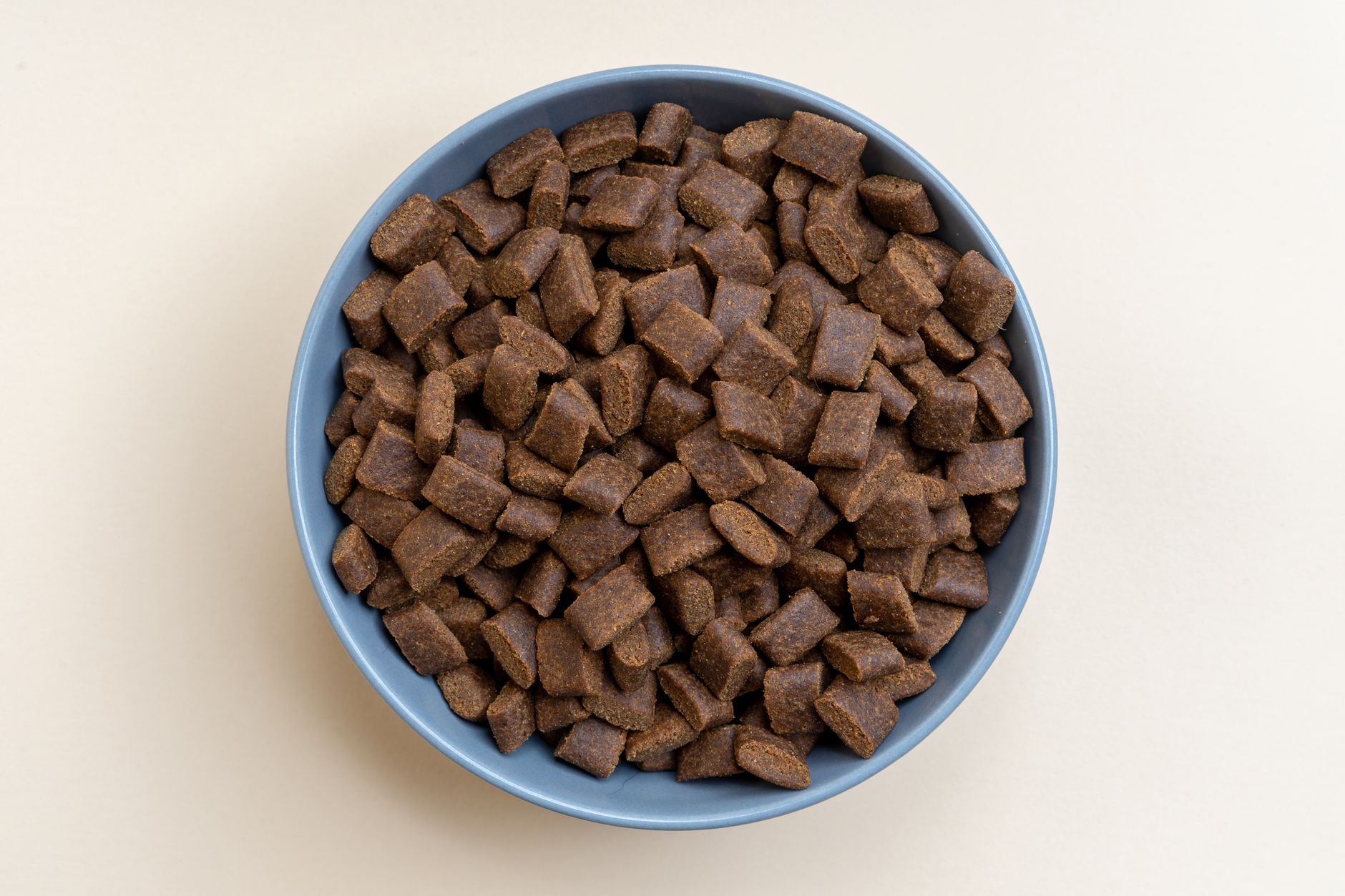
A dog's appetite is dictated almost entirely by their olfactory bulb. If a food does not smell incredible, their brain does not trigger the salivary glands required to initiate a feeding response. Cold, dry kibble emits virtually zero odor, especially if it has been sitting in a plastic bin for three weeks.
When you pour warm (not boiling) water over dry kibble and let it sit for three minutes, you create a biological reaction called thermal scent activation. The heat melts the sprayed-on animal fats coating the outside of the pellets, releasing a massive plume of savory meat aroma that instantly triggers their predatory prey drive, completely ending the "picky eater" standoff.
Pro-Tip: The "Lipid Oxidation" Warning
Before you add warm water to your dog's bowl today, do a sniff test. If your open bag of kibble smells vaguely like old paint or stale cooking oil, throw it away immediately. This is lipid oxidation, meaning the fats have gone rancid. Adding warm water to rancid kibble will not make it appetizing; it will amplify the toxic smell and cause severe, immediate diarrhea. Never keep a bag of kibble open longer than 30 days.

Reason 2: Preventing Silent Gastric Expansion and Pacing
Here is a piece of advanced Information Gain that most standard obedience blogs completely ignore. Dogs are incredibly stoic animals; they instinctively hide physical discomfort to survive.
Kibble is created through a high-heat "extrusion" process that bakes all the moisture out of the carbohydrate dough. When a dog inhales a bowl of dry pellets and subsequently chugs a bowl of water, that kibble rapidly expands inside their stomach like a sponge. This rapid gastric expansion causes low-grade bloating, gas, and severe intestinal cramping.
Dogs do not cry or whine when they are bloated. Instead, they exhibit signs of severe anxiety: pacing the house, panting heavily, unable to settle on their bed, and acting highly reactive to loud noises. By pre-soaking the kibble for ten minutes before serving, the expansion happens in the bowl, not in their gut, instantly eliminating this hidden source of behavioral anxiety.
Why Do People Also Ask if Wetting Kibble Helps Digestion?
Because it absolutely does. A dog's stomach must work incredibly hard to break down the dense, starchy binders found in commercial dry foods.
When you hydrate the kibble, you are pre-digesting the food. The water breaks down the hard outer shell, allowing your dog's highly acidic stomach enzymes to immediately access the core nutrients. This speeds up the overall digestive transit time, drastically reducing flatulence and the risk of lethal gastric torsion (bloat) in deep-chested breeds like standard Poodles or Greyhounds.
Reason 3: Neutralizing the "Vacuum Cleaner" Eater
Does your Labrador or Kelpie inhale their entire dinner in under twelve seconds? This behavioral phenomenon is incredibly dangerous.
When a dog scarfs dry food frantically, they also swallow massive pockets of air, a medical condition known as aerophagia. Swallowing air leads to violent burping, hiccups, and intense physiological stress immediately following a meal. Furthermore, dogs that eat this fast are highly prone to "resource guarding," where they growl if you approach their bowl because they are in a state of frantic, competitive arousal.
Wetting the kibble fundamentally changes the physical mechanics of eating. When you turn their dry pellets into a thick, watery stew, they physically cannot inhale it. They are forced to lap the meal up slowly with their tongue, which naturally lowers their heart rate and de-escalates the frantic guarding instinct.
Pro-Tip: The "Kibble Soup" Puzzle Hack
To further slow down a frantic eater, do not serve their hydrated kibble in a standard metal bowl. Instead, pour the wet "kibble soup" into a slow-feeder bowl with high plastic ridges, or stuff it inside a rubber Kong toy. The liquid settles into the crevices, forcing the dog to spend 20 minutes meticulously licking it clean. This intense licking releases endorphins, acting as a natural sedative for a hyperactive dog.
Reason 4: Curing Climate-Induced Behavioral Lethargy
If you live in a severe climate, your dog's behavioral issues might simply be masked dehydration. A dry kibble diet contains less than 10% moisture.
To maintain baseline health, a dog requires a diet closer to 70% moisture. During a brutal, humid Australian summer in Sydney, or a scorching dry heatwave in Arizona, dogs lose massive amounts of hydration rapidly through panting. Many dogs simply lack the instinct to drink enough standing water from a bowl to offset both the climate and their dry diet.
Chronic, low-grade dehydration causes severe behavioral lethargy, irritability, and a massive drop in their threshold for patience.
Does Adding Water to Dog Kibble Prevent Dehydration?
Yes, it is the most effective biological hack you can use. By floating their daily meals in warm water or dog-safe bone broth, you are forcing them to consume optimal hydration levels. A fully hydrated dog has regulated cortisol levels, meaning they are less likely to snap at a passing dog, bark at the window, or act cranky toward children in the household.
Reason 5: Upgrading Your Training Currency (Contrafreeloading)
As a behaviorist, I rarely advise feeding dogs out of traditional bowls. Dogs possess a psychological trait known as "contrafreeloading," which means they naturally prefer to work for their food rather than having it handed to them for free.
However, trying to use standard, dry kibble for obedience training outdoors is usually a spectacular failure. In a highly distracting environment, dry kibble holds absolutely zero value compared to the scent of a passing squirrel.
When you hydrate kibble with warm water or a high-quality, sodium-free bone broth, you drastically upgrade its value. The soggy, aromatic kibble suddenly becomes a "jackpot" reward in your dog's mind. You can use this hydrated mix to successfully practice recall training, or freeze it inside puzzle toys to cure severe separation anxiety when you leave for work.
Pro-Tip: The 20-Minute Spoilage Rule
The only downside to hydrating dry kibble is the loss of shelf stability. Dry kibble can sit in a bowl all day because the lack of moisture prevents bacterial growth. The absolute second you introduce warm water to kibble, it becomes a breeding ground for bacteria. If your dog does not finish their wet kibble within 20 minutes, you must pick the bowl up, cover it, and immediately put it in the refrigerator.
Will Wetting Kibble Rot My Dog's Teeth?
This is the most common pushback I hear from pet owners. Let me state this clearly: dry kibble does not clean your dog's teeth. When a dog bites a piece of dry kibble, it shatters instantly; it does not scrape the gumline. In fact, the starchy carbohydrate residue from dry kibble actively feeds the plaque-causing bacteria in their mouth. Wetting the kibble does not increase dental decay. True canine dental health relies entirely on genetics, daily brushing, and chewing raw, muscular meats—not crunchy baked dough.
What to Do Next to Transform Mealtime
You now possess the insider, biological knowledge to completely overhaul how your dog approaches their food. Stop treating mealtime as an afterthought, and start using it to actively protect your dog's gut and behavioral health.
Your Actionable Next Steps:
- Ditch the Free-Feeding: If your dog currently has a bowl of dry kibble sitting on the floor all day, pick it up right now. You must enforce strict mealtimes to reset their natural food drive.
- Start the Thermal Hack Tonight: At dinner, measure out their normal kibble portion. Pour a quarter cup of warm tap water over the top, let it sit for three to five minutes, and serve. Watch how differently they interact with the bowl.
- Upgrade to Bone Broth: If your dog is recovering from an illness or needs extra joint support, swap the warm water for a dog-safe, onion-free liquid bone broth. The added collagen works wonders for their mobility and gut lining.
By respecting their biological need for moisture and scent, you will eliminate the picky eating, soothe their anxious stomachs, and finally end the daily mealtime stress.
Disclaimer: This article is for informational purposes only and does not constitute veterinary medical advice. Always consult with a licensed veterinarian or a certified canine nutritionist before altering your pet's diet, starting a new training regimen, or addressing sudden health or behavioral concerns.