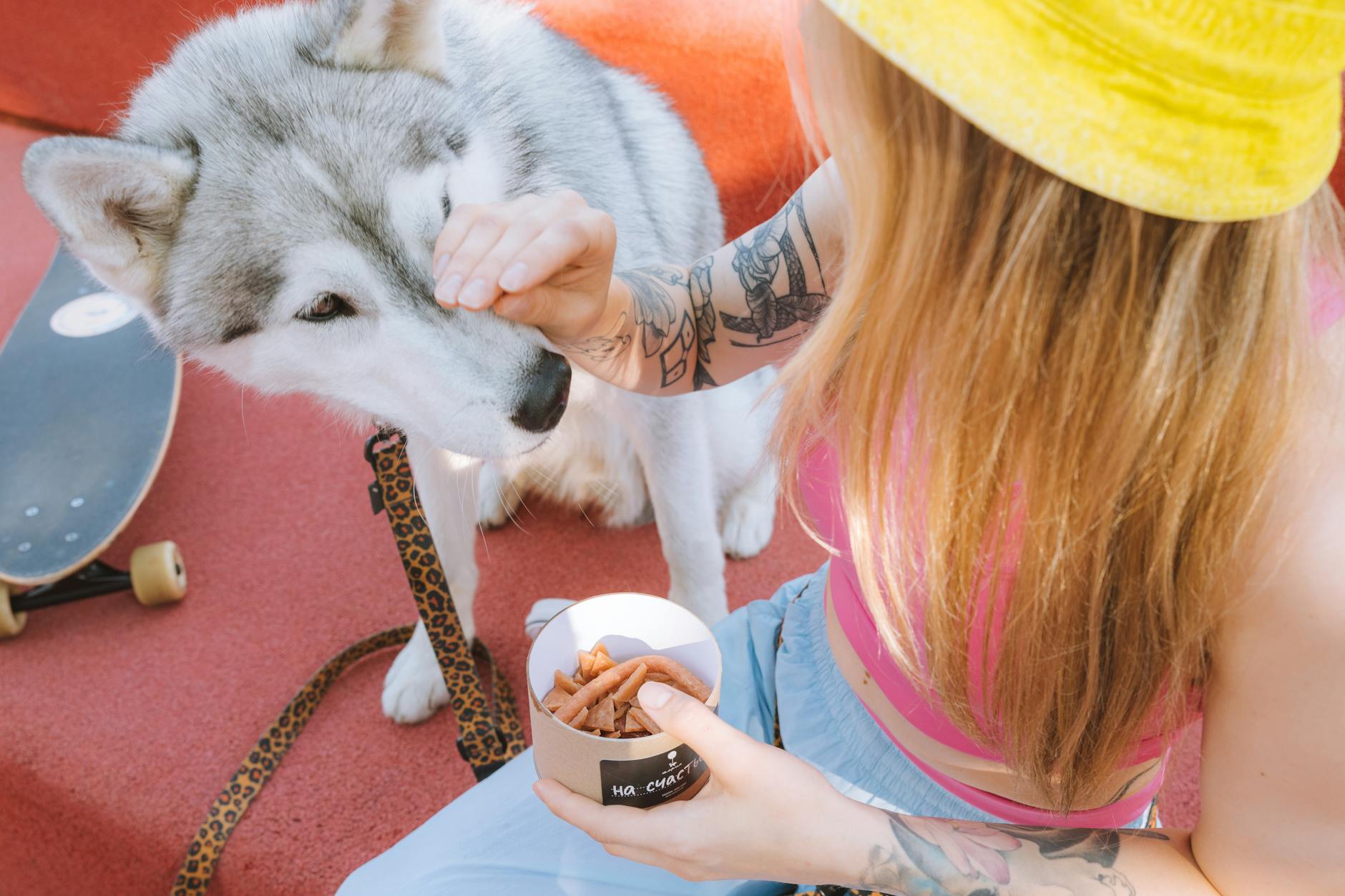
Want a Longer Life for Your Dog? 10 Superfoods to Feed Them Now
You are standing in the pet aisle, staring at a $25 bag of "superfood" treats, wondering if they are actually worth the hype—or if you're just paying for fancy packaging. Meanwhile, your dog is shedding excessively, their energy is dipping, and their breath could peel paint off a wall.
What are the best super fruits and foods for dogs? To boost your dog's health naturally, you must prioritize antioxidant-rich blueberries for cognitive support, seedless watermelon for hydration, pumpkin for gut health, and Omega-3-rich sardines for joint and skin vitality. By incorporating these fresh, single-ingredient whole foods into your dog's diet, you provide highly bioavailable nutrients that processed kibble loses during high-heat extrusion.
Here is the ultimate, veteran-approved list of superfoods to transform your dog's life.
Why Ditch Processed Treats for Whole Superfoods?
In my training sessions, I frequently see dogs that are "wired but tired." They have bursts of frantic energy followed by total collapse. This is often the result of a high-carbohydrate diet filled with artificial dyes and fillers.
Superfoods are nutrient-dense powerhouses that provide more than just calories; they offer specific biological "upgrades." For example, a dog’s olfactory bulb (their scent center) is incredibly sensitive to the chemical compounds in fresh produce.
When you use fresh fruit or fish as a reward, you aren't just giving a treat; you are providing an "aromatic jackpot" that makes your dog significantly more focused and eager to learn.
Pro-Tip: The "Lipid Oxidation" Sniff Test
Before adding any oily superfoods like salmon oil or sardines to your dog's bowl, perform a sniff test. If the product smells like old paint or metallic coins, the fats have gone rancid. Feeding oxidized fats causes massive systemic inflammation, which is the exact opposite of a "health benefit." Always store oils in a dark, cool place and use them within 30 days.
Top Super Fruits for Canine Cognitive and Physical Health
Most owners know about "dog-safe" fruits, but few understand the strategic application of these foods for specific health outcomes.
1. Blueberries: The Brain-Boosting Powerhouse
If I could only choose one super fruit for a dog, it would be the blueberry. They are packed with anthocyanins, which are powerful antioxidants that cross the blood-brain barrier.
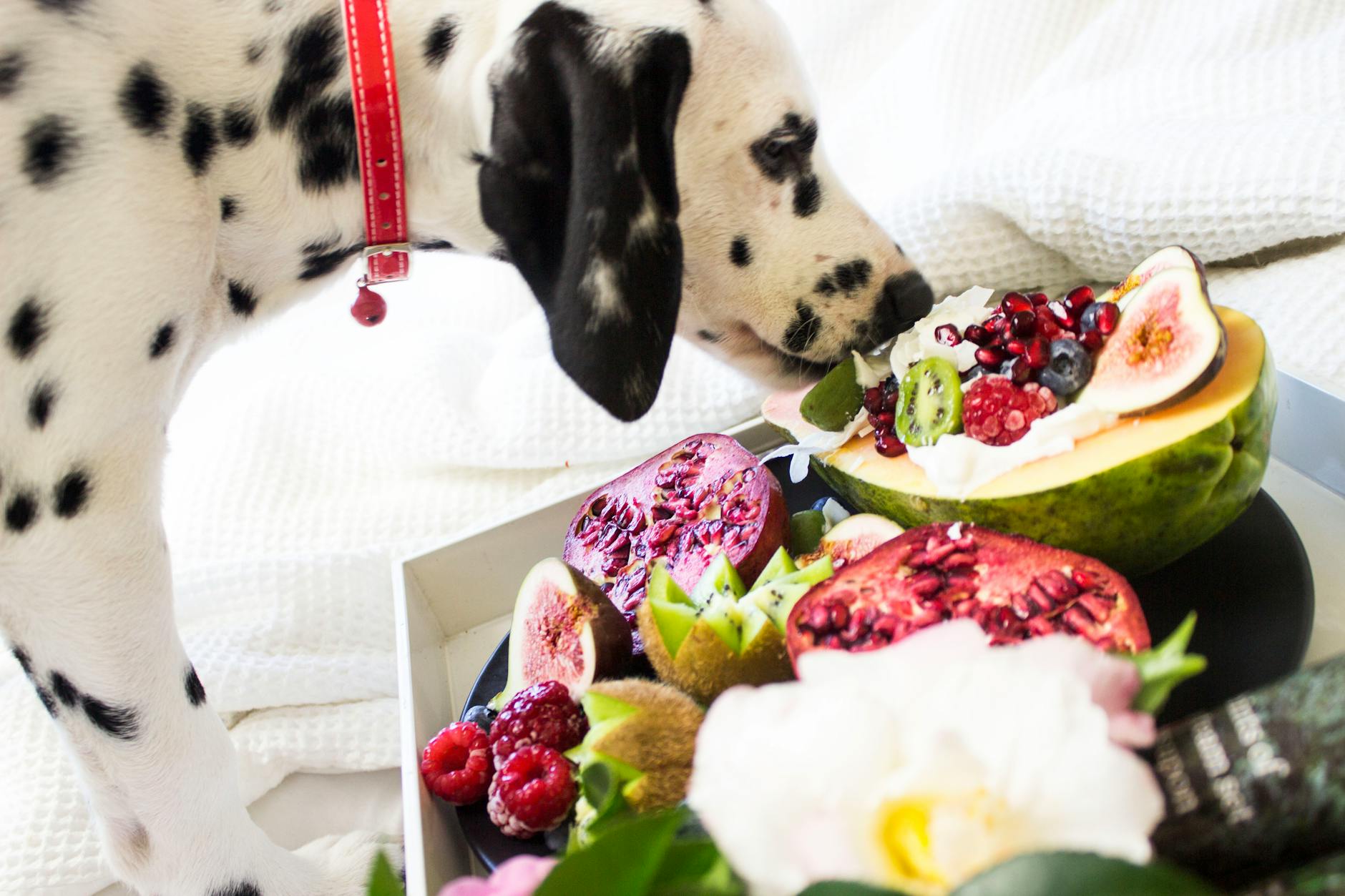
- Behavioral Benefit: For aging dogs showing signs of "sundowning" or confusion, blueberries help mitigate oxidative stress in the brain.
- Training Benefit: They are the perfect size for "scatter feeding," forcing a dog to use their nose and burn mental energy.
2. Seedless Watermelon: The Hydration Hero
Whether you’re facing a brutal Queensland summer or a humid Florida afternoon, hydration is the silent key to a calm dog. Dehydration makes dogs irritable, snappy, and reactive.
- Climate Consideration: Watermelon is 92% water. It’s an edible electrolyte drink that keeps their core temperature stable.
- The Safety Rule: You must remove all seeds and the green rind, as these can cause dangerous intestinal blockages.
3. Pumpkin: The "Swiss Army Knife" of Gut Health
Pureed pumpkin (not pie filling!) is a fiber miracle. It contains soluble fiber that regulates the digestive tract, making it a go-to for both loose stools and constipation.

High-Potency Super Foods You Won't Find in Most Articles
While most lists stop at apples and carrots, there are "stealth" superfoods that provide massive Information Gain for your dog's longevity.
1. Fresh Sardines: The Joint and Skin Secret
Sardines are at the bottom of the food chain, meaning they have the lowest mercury levels. They are arguably the most concentrated source of Omega-3 fatty acids (EPA and DHA) available.

- The Benefit: Omega-3s act as a natural anti-inflammatory. If your dog is stiff in the mornings or has "Doxie dandruff," three small sardines a week can do more than a month of expensive supplements.
- The Trick: Buy sardines packed in water with NO added salt.
2. Raw Goat's Milk: The Probiotic Powerhouse
Often called "universal milk," goat's milk is much easier for dogs to digest than cow's milk. It is loaded with probiotics that populate the gut with healthy bacteria.
- The Impact: 70% of a dog's immune system lives in their gut. A shot of goat's milk over their dry kibble acts as a biological shield against seasonal allergies.
Pro-Tip: The "Thermal Scent" Appetizer
If your dog is a picky eater, do not just dump superfoods on top of their bowl. Add a splash of warm (not boiling) water to their kibble along with the superfood. This "thermal activation" vaporizes the meat fats and fruit sugars, creating a massive scent plume that triggers a predatory feeding response.
Important Safety: Common Foods That are Actually Toxic
It is our responsibility as owners to know the danger zone. Certain "healthy" human foods are lethal to dogs.
- Grapes and Raisins: These cause sudden, irreversible acute kidney failure.
- Avocados: While the flesh is debated, the pit is a major choking and obstruction hazard, and the skin contains persin, which can cause stomach upset.
- Xylitol (Birch Sugar): Often found in "healthy" human peanut butters or yogurts, this is a deadly neurotoxin for dogs. Always check the label.
People Also Ask: How Do I Introduce These Foods?
I once worked with a Labrador owner who decided to give her dog a whole bowl of blueberries on day one. The result was a "purple carpet disaster."
A dog's gut microbiome is like a finely tuned engine. If you suddenly change the fuel, the engine stalls.
The "Slow-Glacial" Introduction Rule:
- Start with one single item (e.g., one blueberry or one teaspoon of pumpkin).
- Wait 48 hours to monitor stool consistency and energy levels.
- If all is clear, slowly increase the amount over two weeks until it reaches that 10% daily treat limit.
Addressing the Australian Climate: Managing "Hot" Foods
For my Australian readers, it is vital to understand the concept of "metabolic heat." High-protein, heavy-grain foods generate a lot of internal heat during digestion.
On a day when the mercury hits 40°C in Perth or Adelaide, your dog's body is already struggling to cool down. In these moments, avoid heavy treats. Instead, use "cooling" superfoods like chilled cucumber or frozen melon. These provide the reward without the "digestive fire" that can lead to heat exhaustion.
Pro-Tip: The Frozen "Lick-Mat" Decompression
To cure separation anxiety, mash a banana with a tablespoon of plain Greek yogurt and spread it onto a silicone lick mat. Freeze it for two hours. The act of licking releases massive amounts of endorphins, naturally sedating your dog while you're away.
What to Do Next to Supercharge Your Dog's Health
You now have the veteran-approved blueprint to stop overpaying for junk treats and start using biology to your dog's advantage.
Your Actionable Next Steps:
- Audit the Treat Pantry: Throw away any commercial treats where "corn syrup," "artificial color," or "meat by-products" are in the top three ingredients.
- The Grocery Run: This week, buy a container of fresh blueberries, a tin of sardines (in water), and a small pumpkin.
- Start the "Rotation" Strategy: Don't give everything at once. Use blueberries for Monday's training, sardines for Wednesday's dinner topper, and frozen watermelon for Friday's post-walk cool down.
By respecting your dog’s ancestral needs and leveraging these superfoods, you aren't just extending their life—you're improving the quality of every single day you spend together.
Disclaimer: The information in this article is for educational purposes only and does not constitute medical advice or a formal diagnosis. Always consult with your veterinarian before introducing new foods into your dog's diet, especially if they have pre-existing health conditions or allergies.