Microchipped Maltipoo Reunited: A Cautionary Tale for Pet Owners
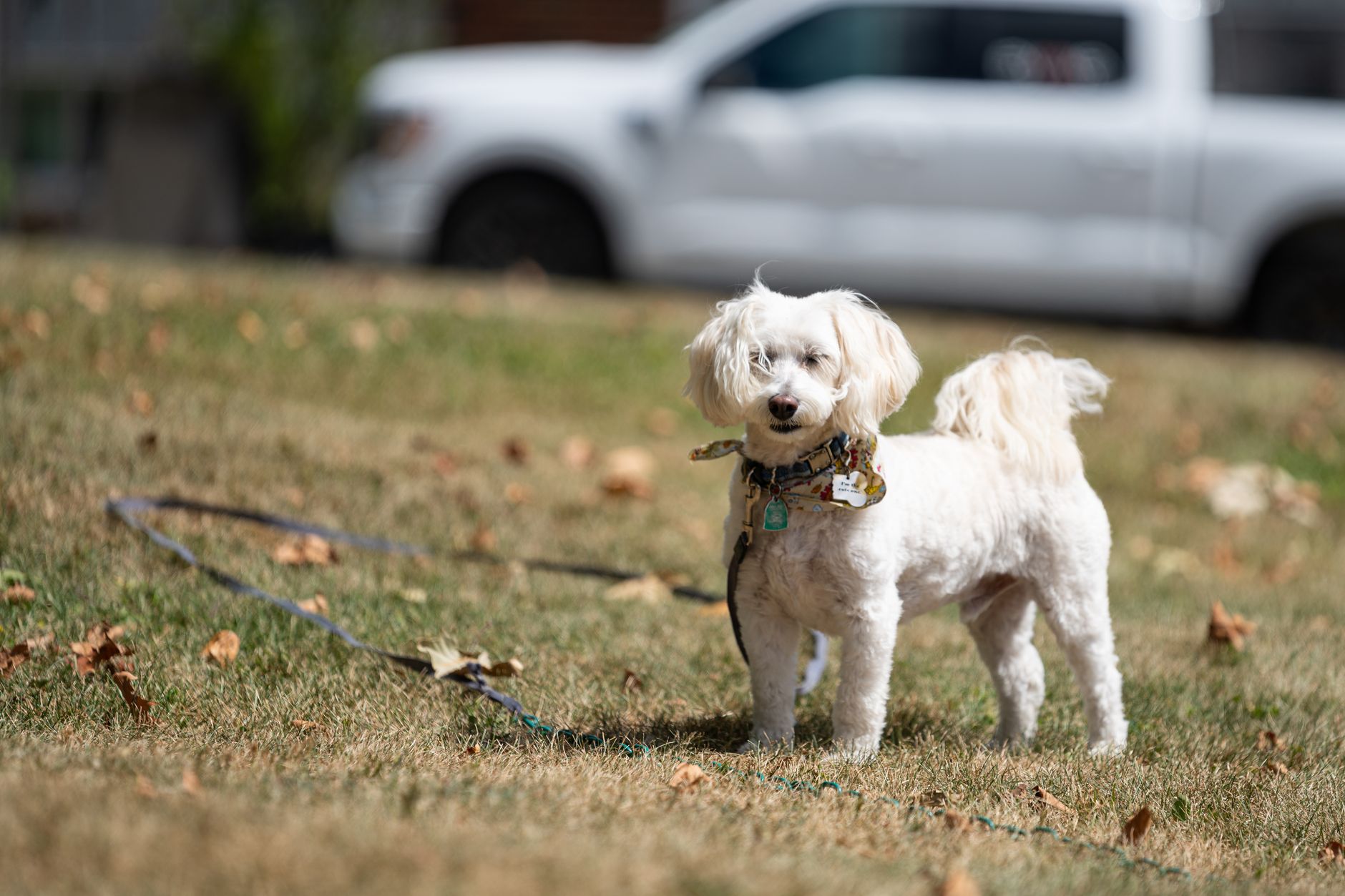
When a beloved pet goes missing, microchips offer hope that they’ll one day be found. But for one Texas family, that hope was nearly shattered when a rescue organization rehomed their microchipped Maltipoo without their consent. This is the story of Byron, a Maltipoo who disappeared on New Year’s Eve 2020, and the sisters who never gave up on bringing him home. Their journey highlights the importance of microchip vigilance and the potential gaps in a system meant to protect pets and their families. According to iHeartDogs, Byron’s story is one of heartbreak, perseverance, and ultimately, reunion—but not before a legal battle that exposed troubling flaws in microchip registration and transfer protocols.
Byron’s Disappearance on New Year’s Eve 2020
Byron, a Maltipoo, vanished from his family’s Texas yard on New Year’s Eve 2020. According to iHeartDogs, the timing couldn’t have been worse—a night of celebration turned into a nightmare for the family. Byron wasn’t just any dog; he had been bottle-fed by the sisters after their uncle’s dog had puppies, and he served as an emotional support dog for Brianna. The bond was deep, and his sudden absence left a void that nothing could fill. For those who rely on dogs for emotional support, the loss can be especially devastating—The Truth About Pet Anxiety Supplements For Dogs (Do They Actually Work?) explores how to support dogs with anxiety, a common issue for emotional support animals.
The family sprang into action. They reported Byron missing on their microchip app, Nextdoor, and Ring, checked local animal control, posted flyers, and searched their neighborhood for hundreds of hours. Despite their exhaustive efforts, days turned into weeks and weeks into months with no sign of Byron. Brianna kept Byron’s microchip information in her wallet and checked the account weekly, though the family checked less often after a year. According to iHeartDogs, this vigilance would later prove crucial—but not in the way they expected. The family’s relentless search and use of every available tool underscored their determination to find their beloved dog, but as time passed, hope began to fade.
The Microchip Discovery: How the Sisters Learned Byron Was Rehomed
About 1.5 years after Byron disappeared, Brianna had a dream about being reunited with him. According to iHeartDogs, that dream prompted her to check the microchip account again—and what she found was shocking: Byron was no longer in their account. The microchip company told the sisters that the Poodle Rescue of Houston had re-homed Byron to another family without contacting them. The sisters then linked Byron’s microchip numbers to a dog renamed and adopted in February 2020. This revelation was devastating. How could a rescue organization rehome a dog without checking for a microchip? And why hadn’t the microchip company notified them?
The discovery raised alarming questions about the microchip system. According to iHeartDogs, the microchip had been batch uploaded by the Poodle Rescue of Houston without the sisters’ consent. The family had done everything right—they had microchipped Byron, kept his information updated, and searched tirelessly. Yet somehow, their dog had slipped through the cracks. The sisters were determined to get answers and, more importantly, to get Byron back. The emotional toll of learning that Byron was out there with another family, unaware of his true home, was immense. But this was just the beginning of their fight.
Confronting the Poodle Rescue of Houston
When the sisters contacted the Poodle Rescue of Houston, they were met with resistance. According to iHeartDogs, the rescue told them that the new owner did not want to return Byron and ended the conversation. Later, the rescue offered to let them adopt a different dog, which they declined. The sisters were stunned. How could a rescue organization, whose mission is to help animals, disregard the bond between a dog and his family? The rescue’s actions seemed to contradict everything a rescue should stand for.
Savannah, one of the sisters, stated that the Poodle Rescue of Houston and the microchip company both knew the sisters were Byron’s rightful owners and chose not to notify them. According to iHeartDogs, this deliberate lack of communication added insult to injury. The sisters felt betrayed by the very systems designed to protect pets. Determined to fight for Byron, they created a Facebook page and GoFundMe to raise money for legal counsel. Their story went viral and connected them with a legal team. The public outcry was immediate—many were outraged by the rescue’s actions and rallied behind the sisters. The power of social media and community support became a lifeline in their battle for Byron.
Legal Battle and the Microchip Company’s Fine Print
The legal battle that followed was not just about Byron; it was about holding the microchip company accountable. According to iHeartDogs, the microchip company stated in an email that for transfers based on partner upload, they do not need to notify the previous registered owner because microchip registration is not proof of ownership. This policy shocked the sisters, who had always believed that a microchip was a guarantee of ownership. Attorneys found the microchip company’s fine print allows them to argue the transfer was legal, and the sisters are still taking legal action against the company. The fine print, buried in terms of service, gave the company a loophole that undermined the very purpose of microchipping. Similar legal loopholes exist in other pet-related industries, as explored in The Legal Loophole Making Dogs Sick: Are Human-Grade Dog Food Brands Actually Worth The Cost?.
Despite the legal hurdles, lawyers pushed the Poodle Rescue of Houston to settle and brought Byron home to the sisters. According to iHeartDogs, this was a victory, but the fight isn’t over. The sisters are still pursuing legal action against the microchip company to prevent this from happening to other families. Their case has exposed a critical flaw in the microchip system: registration is not proof of ownership, and transfers can happen without notification. For pet owners, this is a wake-up call. Microchips are invaluable, but they are not infallible. The sisters’ perseverance and the support of their community made the reunion possible, but the systemic issues remain.
What This Case Means for Microchipped Pets and Owners
Byron’s story is a cautionary tale for every pet owner who relies on a microchip. According to iHeartDogs, the microchip company’s policy of not notifying previous owners for partner uploads—because registration is not proof of ownership—leaves pets vulnerable. This case highlights the need for vigilance: regularly check your pet’s microchip registration, keep your contact information up to date, and be aware of the fine print. It also underscores the importance of choosing reputable rescues and advocating for your pet’s rights.
The sisters’ ordeal also demonstrates the power of perseverance and community. Their Facebook page and GoFundMe not only raised funds but also raised awareness, connecting them with a legal team that helped bring Byron home. According to iHeartDogs, their story went viral, and the support they received was instrumental in their reunion. For pet owners, the key takeaways are clear: microchip your pets, but don’t rely solely on the chip. Maintain your own records, follow up regularly, and if something goes wrong, don’t give up. Byron’s reunion is a happy ending, but it came at a cost. The sisters are still fighting for justice, and their story serves as a reminder that the bond between a pet and their family is worth fighting for.
Practical Steps to Protect Your Microchipped Pet
To avoid a similar nightmare, follow these steps:
- Register and update contact info with the microchip company immediately after implantation and whenever you move or change phone numbers.
- Keep a paper trail: store adoption papers, vet records, and microchip certificates in a safe place.
- Check your pet’s microchip account at least every few months to ensure no unauthorized changes.
- Choose rescues carefully: ask about their microchip scanning and notification policies before adopting or surrendering a pet.
- Advocate for yourself: if you suspect your pet has been rehomed without consent, contact the microchip company and rescue immediately, and consider legal action if necessary.
For more tips on keeping your dog healthy and happy, see Stop The Sloppy Poops: The Ultimate Guide To Finding The Best Dog Food For Sensitive Stomachs and Best Senior Dog Food: The Hidden Nutrition Rules for Aging Dogs.
FAQ
Q: Is a microchip proof of ownership? A: No, according to the microchip company in this case, registration is not proof of ownership. Always keep other documentation.
Q: How often should I check my pet’s microchip registration? A: At least every few months, and immediately after any move or contact information change.
Q: What should I do if my pet is rehomed without my consent? A: Contact the microchip company and the rescue organization immediately. Seek legal advice and consider raising public awareness.
Q: Can a rescue rehome a microchipped dog without notifying the owner? A: In this case, yes, due to a loophole in the microchip company’s policy. Always choose rescues with transparent practices.
Source: iHeartDogs


