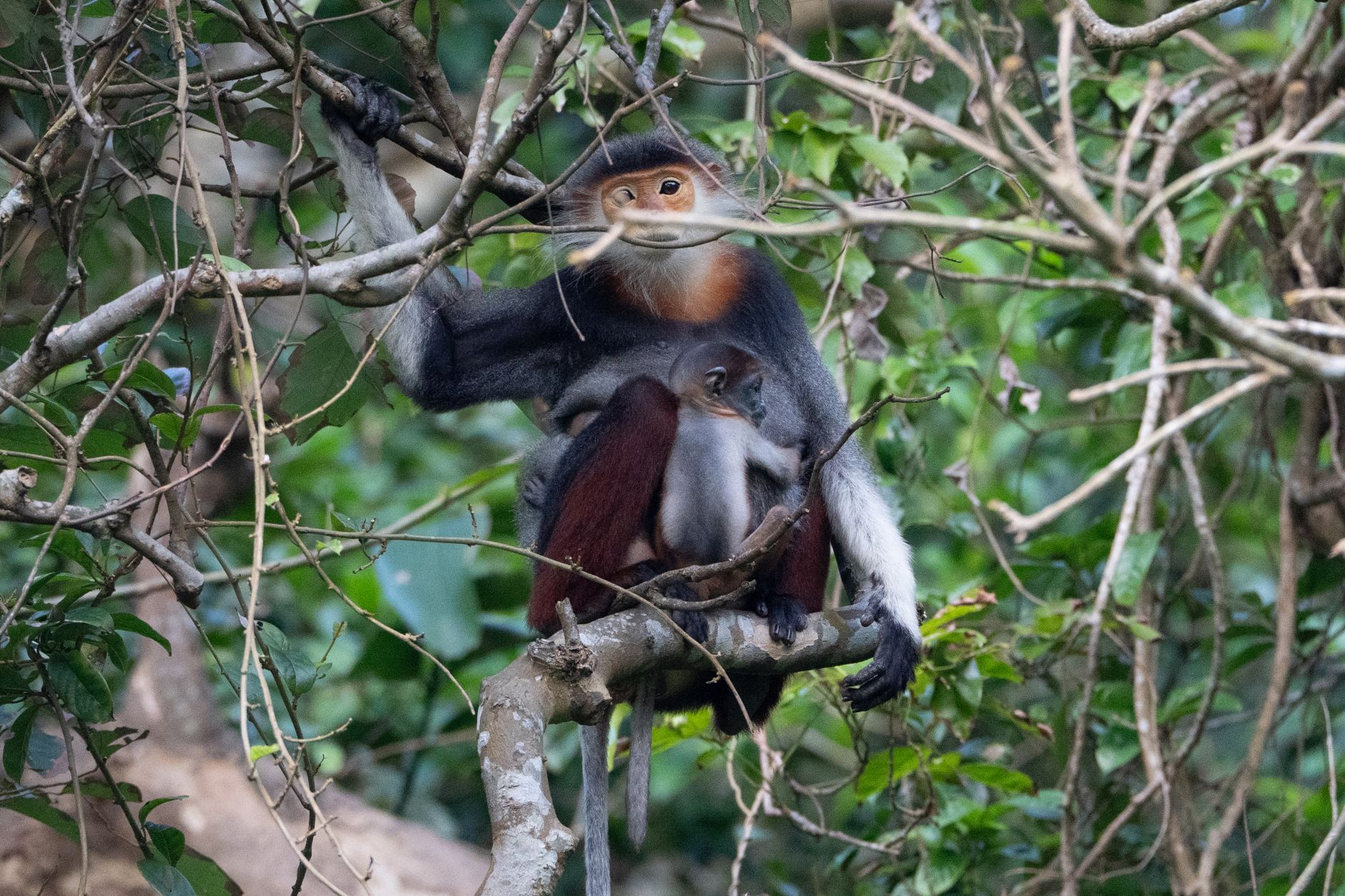
Endangered Baby François' Langur Quý Báu Snuggles During Bath Time
Introduction
Sometimes, the most heartwarming stories come from the most unexpected places. At the Philadelphia Zoo, a tiny bundle of orange fur has captured hearts around the world. Meet Quý Báu, a baby François' langur—the first of his kind to be born at the facility. His name, pronounced 'Kwee Bow,' means 'something precious' in Vietnamese, and it couldn't be more fitting. But Quý Báu's journey into the world wasn't without its challenges. His mother, Mei Mei, struggled to adjust to motherhood, prompting zoo staff to step in to ensure the baby's survival. What happened next—a warm bath, a tender snuggle, and a viral moment—is a story of hope, resilience, and the incredible bond between humans and animals. In this article, we'll explore Quý Báu's arrival, the rough start, the viral bath time moment, fascinating facts about his species, and the happy reunion that followed. Join us as we celebrate this precious little primate and the dedicated people who helped him thrive.
The Birth of a Precious Primate: Quý Báu's Arrival
The Philadelphia Zoo recently welcomed a baby François' langur, marking a significant milestone: this is the first time a langur of this species has been born at the facility. The birth is a cause for celebration, not only because it's a first for the zoo but also because François' langurs are endangered. Every new arrival is a step toward securing the future of these remarkable primates.
The baby was named Quý Báu, a Vietnamese name pronounced 'Kwee Bow,' which translates to 'something precious.' The name is deeply fitting for a creature so rare and beloved. According to iHeartDogs, the zoo staff were thrilled to welcome the little one, and his arrival quickly became a symbol of hope for the species.
But the joy of birth was soon tempered by concern. The mother, Mei Mei, had a difficult time adjusting to motherhood. According to iHeartDogs, she struggled to care for her newborn, prompting staff to intervene for the baby's survival. This is not entirely surprising, as it is not uncommon for François' langur mothers to reject their offspring. In the wild, first-time mothers or those under stress may abandon their young, and in captivity, such behavior can pose serious risks. Fortunately, the zoo's team was prepared to act quickly.
The birth of Quý Báu is a testament to the zoo's commitment to conservation and animal welfare. It also highlights the importance of expert care in ensuring the survival of endangered species. As we'll see, the staff's swift intervention and the mother's eventual change of heart made all the difference.
A Rough Start: When Motherhood Doesn't Come Naturally
Motherhood is often portrayed as instinctive, but for some animals, it doesn't come easily. Mei Mei, the first-time mother, found herself overwhelmed by the demands of caring for her newborn. According to iHeartDogs, she had a difficult time adjusting to motherhood, which prompted staff to intervene to ensure the baby's survival. This situation, while concerning, is not unprecedented. In fact, it is not uncommon for François' langur mothers to reject their offspring. The reasons can vary—stress, inexperience, or environmental factors—but the result is the same: without intervention, the baby's life is at risk.
Recognizing the urgency, the zoo's dedicated team stepped in. They provided round-the-clock care for the tiny langur, giving him a warm bath and a feeding. These actions were crucial for the baby's immediate well-being, but they also served another purpose: they allowed the staff to monitor the infant's health and give Mei Mei time to recover and, hopefully, reconsider her role as a mother.
The decision to intervene was not taken lightly. Hand-rearing a primate is a complex and delicate process, and the goal is always to reunite the baby with its mother if possible. The staff's expertise and patience were put to the test, but their efforts would soon pay off in a way no one could have predicted. The rough start was just the beginning of a story that would touch millions.
Bath Time Snuggles: The Viral Moment That Melted Hearts
Amid the worry and uncertainty, a moment of pure tenderness emerged. During one of the baby's care sessions, staff gave Quý Báu a warm bath and a feeding. It was during this bath that something magical happened: the tiny langur clung to the staff member in a snuggle that was caught on camera. The image—a fragile, orange-furred baby gripping a caregiver with trust and need—was shared widely and touched millions of hearts.
According to iHeartDogs, the photo quickly went viral, resonating with people around the world. It's easy to see why. The image captures the essence of compassion: a human offering comfort to a vulnerable animal, and the animal responding with instinctive trust. For many, it was a reminder of the powerful bond that can form between species, especially in times of need.
The viral moment also brought attention to the plight of François' langurs. These endangered primates face threats in the wild, and the spotlight on Quý Báu helped raise awareness about their conservation. The zoo's staff, while focused on the baby's health, were also grateful for the outpouring of support. The snuggle became a symbol of hope, showing that even in the most challenging circumstances, a little warmth and care can make a world of difference.
From Orange to Black: Fascinating Facts About François' Langurs
Quý Báu's bright orange fur is not just adorable—it's a fascinating biological trait. Baby François' langurs are born orange and later turn black like their parents. This dramatic color change is unique among primates and serves as a natural identifier for the young. The orange hue may help adults spot the baby easily, ensuring it stays close and protected. As Quý Báu grows, his fur will gradually darken, and he'll eventually resemble the adult langurs in the troop.
François' langurs are native to Southeast Asia, and they are known for their striking appearance and social behavior. They live in groups and are primarily leaf-eaters, with specialized stomachs that allow them to digest tough plant material. In the wild, they face habitat loss and hunting, which is why conservation efforts like those at the Philadelphia Zoo are so important. The birth of Quý Báu is a significant contribution to the global population of this endangered species.
The fact that baby langurs are born orange is just one of many intriguing aspects of their biology. For instance, their bright color may also serve as a signal to other group members that the infant needs care. In some cases, other females in the group may help raise the young, a behavior known as allomothering. While we don't know if Quý Báu will experience this, his presence at the zoo offers an opportunity for researchers and visitors alike to learn more about these remarkable animals.
As Quý Báu grows and his fur transitions from orange to black, he will become a living testament to the wonders of nature. His story reminds us of the importance of protecting endangered species and the role that zoos play in conservation.
A Happy Reunion: Mei Mei's Change of Heart
Just when it seemed that Mei Mei might not be able to care for her baby, a remarkable thing happened. According to iHeartDogs, Mei Mei had a change of heart, and baby and mom were successfully reunited the same day. The reunion was a joyous occasion for the zoo staff, who had worked tirelessly to give the pair a second chance. It was also a relief for everyone who had been following Quý Báu's story.
Since the reunion, Mei Mei has been a wonderful mother. She has embraced her role, providing the care and attention that Quý Báu needs to thrive. The zoo staff continue to monitor the pair, but all signs point to a happy and healthy relationship. The turnaround is a testament to the resilience of animals and the importance of giving them the support they need to succeed.
Mei Mei's change of heart is not entirely surprising. In many cases, first-time mothers may initially reject their young due to stress or inexperience, but with time and the right environment, they can bond successfully. The zoo's decision to intervene and then carefully reintroduce the baby to its mother was crucial. It allowed Mei Mei to recover from the stress of birth and to gradually accept her maternal responsibilities.
The happy reunion is the perfect ending to a story that began with uncertainty. Quý Báu, whose name means 'something precious,' has indeed proven to be a precious addition to the Philadelphia Zoo. His story has touched millions and highlighted the incredible work of zoo staff who dedicate their lives to caring for animals. As Quý Báu continues to grow, we can look forward to many more heartwarming moments.
Frequently Asked Questions
What does the name Quý Báu mean? Quý Báu is a Vietnamese name pronounced 'Kwee Bow' that translates to 'something precious.'
Why was Quý Báu given a bath? Zoo staff gave him a warm bath as part of round-the-clock care when his mother, Mei Mei, struggled to adjust to motherhood. The bath also allowed staff to monitor his health.
Are François' langurs endangered? Yes, François' langurs are endangered due to habitat loss and hunting. Every birth, like Quý Báu's, is important for conservation.
Why are baby François' langurs orange? The bright orange fur is thought to help adults spot and protect the infant. It gradually turns black as the langur matures.
Did Mei Mei accept her baby back? Yes, Mei Mei had a change of heart and was successfully reunited with Quý Báu the same day. She has since been a wonderful mother.
Conclusion
Quý Báu's story is a powerful reminder of the importance of conservation and the incredible bond between humans and animals. From a rough start to a viral snuggle and a happy reunion, this endangered baby François' langur has captured hearts worldwide. His journey highlights the dedicated work of zoo staff and the resilience of nature. As Quý Báu grows, his story will continue to inspire hope for endangered species everywhere.
Related Reading
- pregnant dog
- senior dog food
- dog anxiety supplements
- raw dog food
- superfoods
- human-grade dog food
- freeze-dried raw dog food
- dog food for sensitive stomachs
- paw irritation
- dog food subscription services
Source: iHeartDogs


