Do Dog Anxiety Supplements Really Work For Stressed Pets?
Watching a beloved dog violently shake during a thunderstorm or desperately shred a crate while home alone is entirely heartbreaking. Desperate owners frequently spend hundreds of dollars on various natural calming chews, only to watch their dog continue to pace the floors in sheer panic. This constant cycle of trial and error creates massive household tension and leaves the dog suffering without actual relief.

The reality is that premium dog anxiety supplements do work exceptionally well, but only when utilized proactively as part of a broader behavioral management plan. The biggest takeaway for owners is that a supplement is designed to lower the biological threshold of panic, not cure the underlying fear. Calming chews take the sharp edge off the adrenaline spike, allowing a dog's brain to actually process obedience commands and desensitization training.
What are the undeniable signs a dog needs a calming supplement?
Recognizing the subtle precursors to a full canine panic attack is crucial for timing a supplement correctly. Dogs broadcast their rising internal stress through highly specific micro-expressions long before they begin destroying furniture or howling at the front door. Waiting until the dog is already hyperventilating means the biological window for a natural supplement to work has completely closed.
Owners should watch meticulously for these early, easily missed signs of severe environmental stress:
- Excessive Lip Smacking: Repetitive licking of the lips or nose when no food is present indicates rising nausea associated with anxiety.
- The "Whale Eye": The dog turns their head slightly away but keeps their eyes fixed on a target, exposing the white parts of their eyes (the sclera).
- Sudden Hypersalivation: Finding heavy, unexplained puddles of drool on the floor is a clear physiological response to an impending panic attack.
🚨 Vet Fact: A dog’s heart rate can double simply at the sight of an owner picking up a set of car keys or a specific work bag. This biological spike occurs long before the actual exit happens, proving that anticipatory anxiety is just as physically taxing as the actual event.
What are the most effective ingredients in dog anxiety supplements?
The pet wellness market is completely saturated with products hiding behind proprietary blends and useless filler ingredients. A supplement is only as effective as its active, clinically studied botanical components. Flipping the jar over and reading the exact milligram dosage on the back label is the only way to guarantee a product will actually induce calmness.
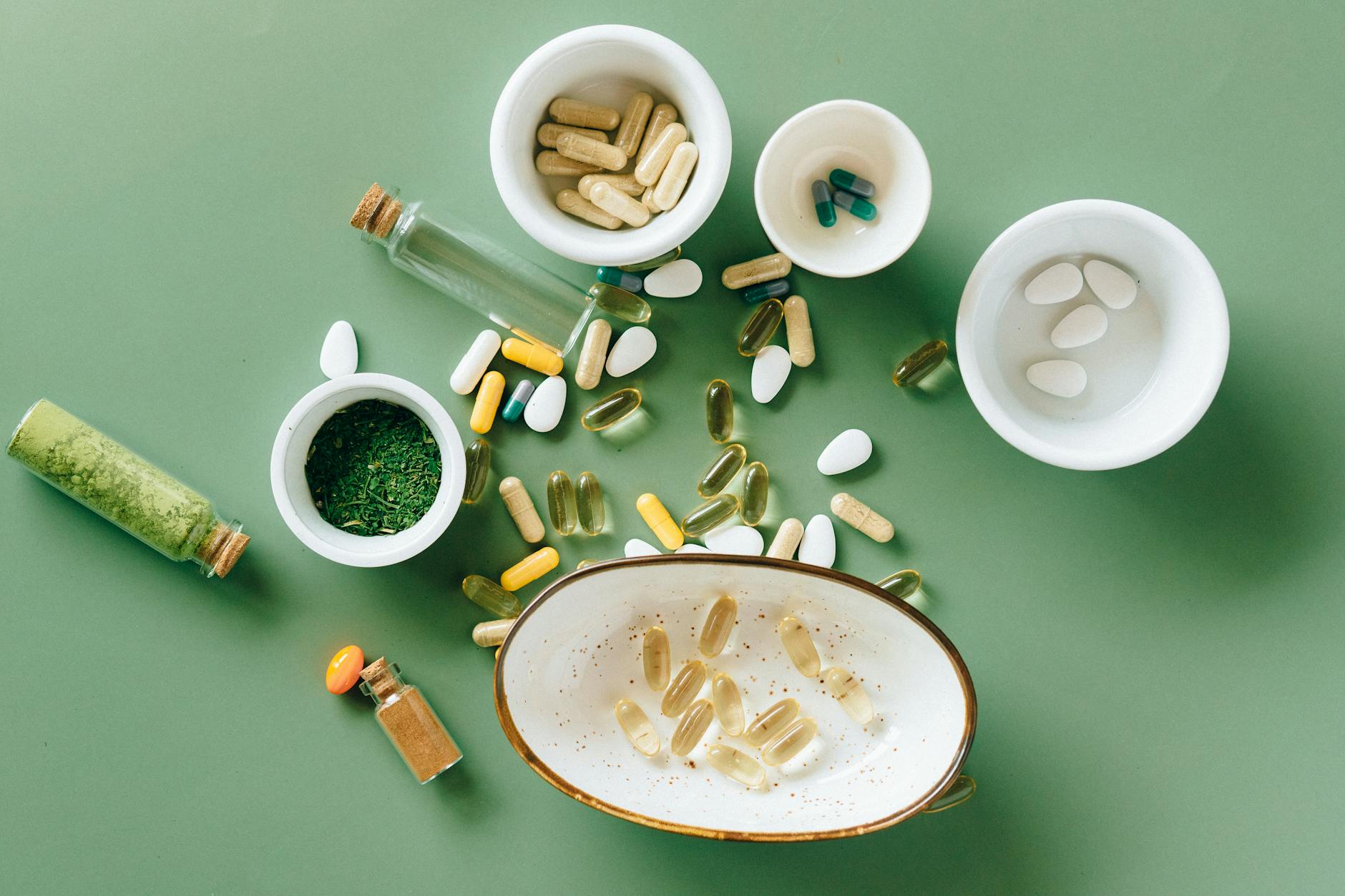
Look specifically for products containing these powerhouse, stress-reducing ingredients:
- L-Theanine: A naturally occurring amino acid found in green tea that actively stimulates the production of alpha brain waves, creating a state of deep, non-drowsy relaxation.
- L-Tryptophan: An essential amino acid that acts as a direct biological precursor to serotonin, the primary neurotransmitter responsible for mood stabilization and happiness.
- Ashwagandha: A powerful adaptogenic herb that specifically targets and reduces the production of cortisol, the body's primary stress hormone, during highly chaotic events.
Is chamomile actually safe for anxious dogs?
Chamomile is incredibly safe and serves as a fantastic, mild sedative for highly strung canine nervous systems. It contains an antioxidant called apigenin, which physically binds to specific receptors in the dog's brain that actively promote sleepiness and decrease muscle tension. However, it is most effective for minor environmental stressors like a bumpy car ride, rather than full-blown separation panic.
How long does it take for dog anxiety supplements to kick in?
The absolute most common reason calming chews fail is improper timing by the human handler. Natural botanicals and amino acids must pass through the stomach lining, enter the bloodstream, and cross the blood-brain barrier before any behavioral changes occur. This complex metabolic process strictly requires forty-five to ninety minutes to fully execute.
Consider a family in the Midwest struggling with a terrified Golden Retriever during intense July Fourth fireworks. They previously gave the dog a supplement precisely when the first loud explosion echoed through the yard, resulting in zero calming effect. Once they shifted the dosage to 6:00 PM, a full two hours before sunset, the dog slept peacefully through the entire chaotic evening.
🐾 Snoutbit Pro-Tip: Never administer an anxiety chew on a completely empty stomach, as this can cause mild gastric upset. Always offer the supplement wrapped in a small piece of high-value lean turkey or smeared with a teaspoon of plain yogurt to aid smooth digestion.
Should rescue dogs be given anxiety supplements immediately?
Adopting a terrified stray dog directly from a loud, chaotic municipal pound is an incredibly noble but highly stressful transition. When these traumatized dogs are thrust into a quiet suburban home, they often spend the first week nervously pacing the living room and refusing to sleep. Their nervous systems are entirely fried from the sensory overload of the shelter environment.

Utilizing a premium daily anxiety supplement during the critical "3-3-3 rule" of rescue decompression is highly recommended by veteran behaviorists. The botanicals physically force the dog's central nervous system into a "rest and digest" state, breaking the cycle of constant hyper-vigilance. This chemical assistance allows the rescue dog to actually realize they are finally safe, drastically accelerating the crucial bonding process with their new family.
What are three advanced secrets to maximizing calming supplements?
Generic advice often stops at simply buying a highly-rated jar of chews, but elite behavioral management requires strategic implementation. Utilizing these three highly specific, advanced tactics drastically elevates the efficacy of any natural calming product on the market.
- The Trigger-Stacking Audit: Supplements fail if a dog is already "trigger stacked." If a dog encountered a scary garbage truck on the morning walk, had their nails trimmed at noon, and then faced a thunderstorm at night, their cortisol is already maxed out. Owners must actively eliminate minor daily stressors to ensure the evening supplement is strong enough to conquer the main phobia.
- The Sublingual Absorption Hack: Instead of forcing the dog to swallow a chew whole, thoroughly crush the supplement into a fine powder. Mix this powder with sodium-free bone broth, spread it across a textured silicone lick mat, and freeze it. The act of repetitive licking immediately releases natural calming endorphins, while the crushed powder absorbs rapidly into the bloodstream directly through the mucosal lining of the tongue.
- The Pre-Loading Strategy: For predictable events like a scheduled veterinary visit or a holiday party, do not wait for the day of the event to administer the product. Begin giving the dog a half-dose of the supplement two full days prior to the stressful trigger. This specific strategy gently "pre-loads" the dog's bloodstream with serotonin precursors, raising their baseline resilience before the chaos even begins.
🚨 Vet Fact: Natural supplements do not carry the same heavy sedative effects as prescription pharmaceuticals like Trazodone or Gabapentin. If a dog is actively destroying heavy metal crates or self-mutilating during panic attacks, natural botanicals are insufficient and immediate prescription veterinary intervention is strictly required.
Can puppies safely take daily calming supplements?
Puppies possess highly sensitive, rapidly developing gastrointestinal and neurological systems that are easily thrown out of balance. While natural ingredients like chamomile are generally recognized as safe, introducing heavy doses of L-Tryptophan to a highly immature brain is not recommended without strict veterinary oversight. True behavioral anxiety is actually quite rare in puppies under six months old.
Most hyperactive, seemingly "anxious" behaviors in young puppies are simply the result of chronic over-tiredness and an extreme lack of enforced napping. Before reaching for a supplement, immediately institute a strict schedule of two hours of crated nap time for every one hour of active play. If a puppy genuinely exhibits extreme, uncontrollable panic, consult a veterinarian to rule out a hidden physical ailment or early-onset neurological issue.
Do hemp-based chews work better than traditional botanicals?
The market explosion of hemp seed oil and broad-spectrum CBD products has created massive confusion for stressed pet owners. Hemp seed oil is incredibly rich in healthy Omega-3 fatty acids, which brilliantly support joint health and skin hydration. However, standard hemp seed oil contains absolutely zero cannabinoids, meaning it provides virtually no relief for severe behavioral anxiety.
True broad-spectrum CBD interacts directly with the dog's endocannabinoid system, regulating mood, pain, and intense stress responses. When paired synergistically with traditional botanicals like L-Theanine and Chamomile, CBD acts as an incredible behavioral amplifier. Always demand a third-party Certificate of Analysis (COA) when purchasing CBD to verify the product is completely free of toxic THC and heavy metals.
🐾 Snoutbit Pro-Tip: Store all natural soft chews in a cool, dark pantry or directly inside the refrigerator. Exposure to bright sunlight and warm kitchen temperatures rapidly degrades sensitive botanical compounds, rendering the expensive active ingredients entirely useless over time.
How do you transition off a daily anxiety supplement?
Supplements should be viewed as a temporary chemical bridge to successful behavior modification, not a permanent, lifelong crutch. Once the dog has successfully generalized a calm response to their primary trigger for three consecutive months, the weaning process can safely begin. Stopping a supplement completely "cold turkey" can cause a sudden, frustrating behavioral relapse.
Begin by reducing the daily dose by twenty-five percent every two weeks while maintaining the exact same strict environmental management and positive reinforcement training schedule. Meticulously monitor the dog's body language during this crucial step-down phase. If the excessive lip smacking or pacing returns, immediately bump the dosage back up and extend the training timeline for another month.
What To Do Next
- Conduct an Ingredient Audit: Go to the pantry and read the back label of the dog's current calming chew immediately. If the jar relies solely on obscure "proprietary blends" or lists generic fillers as the top three ingredients, discard it and purchase a transparent product featuring exact milligram dosages of L-Theanine or Ashwagandha.
- Establish a Pre-Dosing Calendar: Identify the absolute biggest stressor occurring this upcoming weekend, whether it is a family gathering or a loud sporting event on television. Set a strict smartphone alarm for exactly ninety minutes before the expected noise begins to ensure the supplement is administered during the optimal biological window.
Disclaimer: The content on Snoutbit.com is for informational and educational purposes only and is not intended to replace professional veterinary advice, diagnosis, or treatment. Always consult with your veterinarian before making significant changes to your dog’s diet, exercise routine, or health regimen.