
Watching a beloved dog frantically rip up chunks of the backyard lawn before violently vomiting on the patio is a highly stressful, deeply confusing ordeal. The panic instantly sets in as owners aggressively search the yard for toxic plants, wondering if the dog is severely ill or simply misbehaving. The definitive answer is that dogs eat grass and throw up primarily as a primitive, mechanical reflex to manually relieve an already highly upset stomach. Frantically gulping wide, unchewed blades of grass physically tickles the vagus nerve and stomach lining, forcing the canine body to successfully eject excess bile or trapped indigestion.
Stopping this highly concerning cycle requires entirely shifting focus away from the lawn and actively investigating the dog’s internal biological environment. Advanced behavioral management demands decoding exactly how the dog eats the yard to successfully diagnose the root cause of the behavior. By understanding the critical differences between mechanical vomiting, severe fiber deficits, and anxiety-driven displacement behaviors, handlers can rapidly stabilize the dog’s gastrointestinal health.
The Grass-Eating Phenomenon: Overview Mind Map
- The Emetic Reflex: How long, unchewed grass physically acts as a mechanical trigger to successfully induce forceful vomiting.
- The Fiber Gap: Recognizing casual grass grazing as a massive biological cry for missing prebiotic fiber in standard dry kibble.
- Displacement Grazing: Understanding exactly when yard eating is actually driven by severe boredom or intense behavioral anxiety.
- The Chemical Threat: The highly invisible, terrifying dangers of allowing dogs to graze on heavily treated, commercial suburban lawns.
🚨 Vet Fact: Less than twenty-five percent of dogs actually vomit after eating grass, and only ten percent show any physical signs of illness beforehand. This massive statistical reality proves that casual, relaxed grazing is a completely normal canine behavior, whereas frantic gulping indicates a highly specific gastrointestinal problem.
Advanced Insight 1: The Mechanical Emetic Reflex
Generic pet blogs constantly claim dogs eat grass to physically “cure” a sick stomach using magical plant nutrients. Elite behaviorists understand a much more primal, purely mechanical reality behind the frantic gulping behavior. Dogs completely lack the complex cognitive ability to understand herbal medicine, but they retain a highly ingrained, biological survival instinct inherited from ancient wolves.
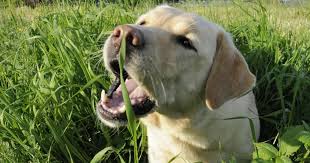
When a dog experiences severe acid reflux or successfully traps a piece of indigestible bone in their stomach, they urgently need to induce vomiting. To successfully force this physical reaction, the dog rapidly swallows massive, wide blades of grass completely whole without executing any chewing. These long, highly abrasive blades physically tickle the sensitive throat lining and aggressively irritate the delicate stomach wall.
This intense mechanical irritation flawlessly triggers a massive gag reflex, allowing the dog to successfully purge the highly acidic stomach contents. Consider the highly relatable case of a young Boxer who accidentally swallowed a large, heavily indigestible piece of a rubber chew toy. The dog immediately sprinted into the backyard, frantically swallowed whole chunks of thick crabgrass, and successfully vomited the dangerous rubber blockage exactly three minutes later.
🐾 Snoutbit Pro-Tip: Always aggressively monitor exactly how the dog eats the yard. If the dog casually nibbles the very top, soft tips of the grass, they simply enjoy the taste; if they frantically rip up entire roots and swallow the dirt whole, they are actively trying to induce an emergency vomit.
Advanced Insight 2: The Microbiome Fiber Craving
If a dog frequently eats grass but completely fails to throw up, the behavior heavily shifts from an emergency mechanical reflex to a chronic nutritional deficit. Many highly processed, extruded dry kibbles are heavily packed with cheap carbohydrates but completely lack complex, natural dietary fiber. The canine gastrointestinal tract strictly requires massive amounts of daily roughage to physically push waste successfully through the colon.
When the dog’s internal microbiome becomes severely unbalanced due to this massive fiber gap, they actively seek out environmental roughage to safely self-medicate. Fresh spring grass is incredibly rich in natural cellulose and highly beneficial prebiotic fibers. The dog casually grazes on the sweet, tender shoots to successfully satisfy this intense, completely natural biological craving without ever experiencing nausea.
Successfully stopping this specific type of grazing requires aggressively upgrading the dog’s daily nutritional profile. Handlers must instantly introduce highly fibrous, dog-safe vegetables directly into the daily food bowl to physically replace the yard grass. Lightly steamed green beans, raw pumpkin puree, and shredded carrots flawlessly provide the exact roughage the digestive system is desperately demanding.
🚨 Vet Fact: Chronic, daily grass eating without vomiting is frequently misdiagnosed purely as a quirky, harmless behavioral habit. It is incredibly often the direct physical result of a massive microbiome imbalance or severe, low-grade inflammatory bowel disease requiring highly clinical dietary intervention.
Advanced Insight 3: Displacement Grazing and Pica
Canine behavior is heavily multifaceted, and sometimes consuming massive amounts of the lawn has absolutely nothing to do with stomach upset or nutritional gaps. Elite trainers recognize heavy, repetitive grass eating as a highly common displacement behavior triggered by severe environmental anxiety or massive boredom. A dog left entirely alone in a highly sterile, completely uninteresting backyard will actively rip up the turf simply to desperately self-soothe.
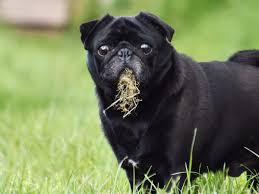
This highly repetitive physical action violently releases tiny amounts of calming endorphins directly into the highly stressed canine brain. Take the incredibly insightful case of a high-drive Belgian Malinois who constantly shredded the lawn exactly when the neighbors ran their noisy lawnmower. The dog was completely terrified of the loud machine and actively utilized the destructive grazing entirely as a coping mechanism to manage the severe panic.
Allowing this behavioral grazing introduces a massive, highly terrifying invisible threat: commercial lawn chemicals and heavy pesticides. Suburban lawns are heavily saturated with highly toxic herbicides, potent chemical fertilizers, and aggressive pest-control poisons. When a dog rapidly consumes chemically treated grass, they violently ingest these carcinogens, frequently leading to sudden, catastrophic neurological damage or severe acute liver failure.
🐾 Snoutbit Pro-Tip: Never allow a dog to graze freely in public parks or along heavily manicured community sidewalks. These highly trafficked areas are constantly sprayed with completely unknown industrial weed killers that act exactly like a highly aggressive poison inside the canine bloodstream.
Environmental Management Solutions
Stopping behavioral grass eating strictly requires completely rethinking the dog’s daily outdoor enrichment strategy. Handlers must immediately stop using the backyard simply as a giant, highly boring bathroom facility. Engaging the dog in highly structured, intense physical play before leaving them entirely alone successfully burns off the massive excess adrenaline fueling the destructive habit.
Providing highly durable, heavily stuffed puzzle toys directly on the patio gives the dog a safe, completely appropriate chewing alternative. These highly interactive biological tools force the dog to utilize their brain, rapidly draining their mental energy entirely away from the lawn. When the dog physically learns that designated toys provide a significantly higher biological payout than tearing up the turf, the yard destruction naturally ceases.

Furthermore, heavily supervising every single outdoor bathroom break is absolutely mandatory for chronic grass eaters. The exact second the dog drops their head to frantically rip up a mouthful of turf, the handler must instantly issue a highly enthusiastic recall command. Heavily rewarding the dog with a premium piece of roast beef for successfully abandoning the grass perfectly breaks the destructive behavioral loop over time.
What To Do Next
- Execute the Roughage Upgrade: Walk directly to the kitchen today and lightly steam a small handful of completely plain, unseasoned green beans. Actively mix these highly fibrous vegetables directly into the dog’s evening kibble to successfully satisfy their massive biological craving for natural cellulose, heavily reducing their daily desire to graze on the lawn.
- Audit the Backyard Chemicals: Aggressively inspect the physical packaging of every single fertilizer or weed killer currently stored in the garage. If the lawn was recently chemically treated, entirely restrict the dog’s free-roaming backyard access for a strict minimum of seventy-two hours, exclusively utilizing a short leash to completely prevent highly toxic chemical ingestion.
Disclaimer: The content on Snoutbit.com is for informational and educational purposes only and is not intended to replace professional veterinary advice, diagnosis, or treatment. Always consult with your veterinarian before making significant changes to your dog’s diet, exercise routine, or health regimen.