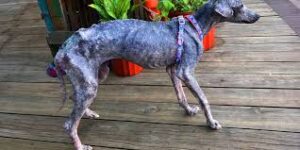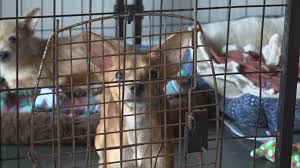
The baseline rule for canine hydration is incredibly straightforward: a healthy adult dog requires one ounce of water per pound of body weight every single day. Therefore, a 60-pound dog should be drinking exactly 60 ounces of water daily. This translates to roughly 7.5 standard US cups or just under half a gallon.
If the dog’s water intake drops significantly below this mark, dehydration risks spike. If the dog consistently drinks double this amount, it signals an immediate need for veterinary bloodwork. Hitting that 60-ounce sweet spot is the ultimate indicator of stable metabolic health.
The Golden Hydration Ratio Broken Down
Understanding the sheer volume of water a medium-to-large breed consumes is the first step to proper care. Owners often underestimate how quickly 60 ounces disappears. A standard pet store water bowl holds about 32 ounces.
This means a 60-pound dog needs their standard bowl completely refilled at least twice a day just to maintain basic organ function. During peak summer months or heavy exercise, this requirement easily surges to 90 ounces or more. Active dogs lose moisture rapidly through panting, making proactive hydration critical.
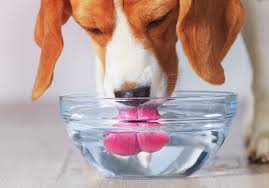
Measuring exact intake requires ditching the auto-replenishing water fountains temporarily. Grab a standard measuring cup and physically pour 60 ounces into a dry bowl. This visual benchmark allows for accurate tracking over a 24-hour period.
🚨 Vet Fact: Dogs do not sweat through their skin like humans do to cool down. Their primary mechanism for thermoregulation is panting, which evaporates significant amounts of moisture directly from their respiratory tract.
Advanced Insight #1: The Kibble vs. Fresh Food Moisture Gap
Generic advice assumes all 60-pound dogs eat the exact same diet. In reality, what goes into the food bowl drastically changes what comes out of the water bowl. Commercial dry kibble contains a maximum of 10% moisture.
Dogs eating a strictly dry kibble diet must drink their entire 60-ounce requirement directly from the bowl. Conversely, fresh, home-cooked, or commercially prepared raw diets contain upwards of 70% moisture. A 60-pound dog eating a fresh diet will naturally drink significantly less standing water.
Take the case of Buster, a 60-pound Boxer who recently transitioned from dry kibble to a high-protein, fresh food diet. His owners panicked when he practically stopped visiting the water bowl. A quick dietary calculation revealed Buster was absorbing nearly 40 ounces of water directly through his new, moisture-rich meals, perfectly explaining his reduced thirst.
Advanced Insight #2: The Invisible Biofilm Barrier
Sometimes a 60-pound dog stops drinking simply because the water tastes terrible. Pet owners often rinse water bowls without actually scrubbing them. Within 48 hours, a slippery, invisible layer of bacteria called a biofilm forms on the bowl’s surface.
This biofilm produces a distinct odor and taste that sensitive canine noses despise. Plastic bowls are particularly notorious for harboring deep microscopic scratches where these bacteria thrive and multiply. When a dog suddenly ignores a full bowl, poor bowl hygiene is usually the primary culprit.
Switching to heavy-duty stainless steel or high-fired ceramic eliminates this problem. These materials are non-porous and naturally resist biofilm buildup. Scrubbing the bowl daily with hot, soapy water ensures the dog actually wants to drink the 60 ounces they require.
🐾 Snoutbit Pro-Tip: Never top off a half-empty water bowl. Always dump the stale water, quickly wipe the bowl with a clean paper towel to remove environmental dust, and refill it with entirely fresh water.
Environmental Stress and Post-Procedure Recovery
A dog’s psychological state directly impacts their daily water consumption. High-anxiety events, changes in household routine, or physical confinement can cause a dog to suppress their natural thirst drive. Even minor disruptions alter the 60-ounce baseline.
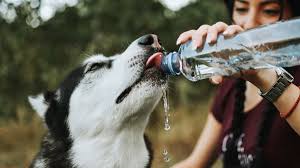
Consider a 60-pound Village Dog mix recovering from a recent medical procedure. While resting safely in a structured playpen setup, the owners noticed a steep drop in the dog’s water intake. The stress of the procedure, combined with the mild disorientation of new pain medications and the spatial restriction of the playpen, temporarily overrode the dog’s desire to drink.
In recovery scenarios, bringing the water directly to the dog is essential. Offering highly palatable hydration, like low-sodium canine bone broth mixed with warm water, often breaks the stress-induced fast. Once the dog feels secure in their recovery environment, normal drinking habits usually resume.
Advanced Insight #3: The 3-Second Dehydration Tests
Waiting for a dog to act lethargic is waiting too long to address dehydration. Owners must proactively test their dog’s hydration levels using techniques borrowed directly from veterinary clinics. The first test is the Capillary Refill Time (CRT).
Gently lift the dog’s lip and press a finger firmly against their pink gums until the spot turns white. Release the pressure and count the seconds it takes for the pink color to return. In a perfectly hydrated 60-pound dog, the color should snap back in under two seconds.
The second assessment is the Skin Turgor test. Gently pinch a fold of skin at the scruff of the dog’s neck or between their shoulder blades, pulling it upward. When released, the skin should instantly snap back into place; if it remains tented or falls back slowly, the dog is dangerously dehydrated.
🚨 Vet Fact: Tacky, sticky gums are an earlier warning sign of dehydration than a failed skin turgor test. A healthy dog’s gums should always feel slick and wet to the touch, never dry or paste-like.
The Hidden Danger of Water Intoxication
While dehydration is common, the opposite extreme is equally dangerous for highly active dogs. Water intoxication, or hyponatremia, occurs when a dog ingests massive amounts of water in a very short period. This rapid influx dilutes the body’s sodium levels, causing brain swelling and severe neurological distress.
This condition frequently strikes dogs that spend hours biting at high-pressure garden hoses or aggressively fetching toys in lakes. A 60-pound dog enthusiastically swimming with their mouth open can swallow a lethal amount of water in under thirty minutes. The symptoms appear suddenly and include staggering, vomiting, excessive drooling, and dilated pupils.
Preventing water intoxication requires strict management of water-based play. Limit hose sessions to five minutes and force swimming dogs to take frequent breaks on dry land. True hydration happens at the water bowl, not during high-arousal aquatic exercise.
Mind Map Overview: The 60-Pound Hydration Strategy
Managing a large dog’s water intake requires a holistic view of their daily routine. Keep this mental checklist to ensure optimal hydration:
- The Daily Target: Aim for exactly 60 ounces (7.5 cups) of clean water per day.
- Dietary Adjustments: Deduct bowl requirements if feeding high-moisture fresh or wet food.
- Activity Multipliers: Add 10 to 20 extra ounces on heavy exercise or high-heat days.
- Hygiene Protocol: Wash stainless steel bowls daily to prevent foul-tasting bacterial biofilms.
- Stress Management: Monitor intake closely during medical recoveries, playpen confinement, or loud events.
Understanding these interconnected variables removes the guesswork from canine care. A 60-pound dog relies entirely on their human to provide the exact resources needed for metabolic stability. By tracking ounces, monitoring diet, and keeping equipment pristine, owners easily safeguard their dog’s kidney and urinary tract health.
What To Do Next
- Conduct a 24-Hour Bowl Audit: Tomorrow morning, measure exactly 60 ounces of water into your dog’s primary bowl. Monitor it closely for 24 hours to establish their true baseline intake without the use of auto-filling fountains.
- Perform the Gum Check: Practice lifting your dog’s lip today while they are relaxed. Feel their gums to understand what a healthy, slick, and wet baseline feels like so you can easily identify tackiness in the future.
Disclaimer: The content on Snoutbit.com is for informational and educational purposes only and is not intended to replace professional veterinary advice, diagnosis, or treatment. Always consult with your veterinarian before making significant changes to your dog’s diet, exercise routine, or health regimen.