Yes, sweet potatoes are incredibly good for dogs suffering from an upset stomach. When served plain, boiled, and entirely skinless, this starchy root vegetable acts as a highly effective natural binder for loose stools. The high concentration of soluble fiber absorbs excess water in the digestive tract, instantly helping to firm up diarrhea.
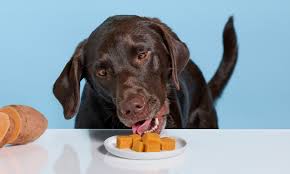
Sweet potatoes also provide a gentle, easily digestible source of energy when a dog is feeling too nauseous to eat standard commercial kibble. They represent a massive nutritional upgrade over traditional white rice. This superfood offers superior vitamins and potassium to rapidly replenish the vital electrolytes lost during bouts of severe sickness.
The secret to success lies entirely in the preparation. Raw or roasted sweet potatoes are much too difficult to digest and will only make existing gastrointestinal distress worse.
Why Sweet Potatoes Work Faster Than White Rice
For decades, standard veterinary advice for canine tummy trouble has centered around boiled chicken and plain white rice. While historically effective, white rice offers almost zero nutritional value beyond basic, easily digested carbohydrates.
Sweet potatoes bring a powerful dose of beta-carotene, vitamin C, and essential minerals directly to the food bowl. When a dog experiences severe diarrhea, their internal potassium levels plummet. This sudden mineral drop directly causes the lethargy and muscle weakness often seen in sick dogs.
Adding a small scoop of mashed sweet potato to a bland diet helps replace those critical electrolytes immediately. The slightly sweet taste and pleasant aroma naturally appeal to dogs experiencing a nausea-induced loss of appetite.
🚨 Vet Fact: Soluble fiber acts as a powerful prebiotic within the canine digestive system. It ferments safely in the gut, producing short-chain fatty acids that actively heal the cells lining a dog’s colon after a bout of severe inflammation.
Advanced Insight #1: The Glycemic Index Advantage
Generic pet advice often lumps all potato varieties together, which is a dangerous oversimplification. White potatoes possess a remarkably high glycemic index. Feeding them causes a rapid, unhealthy spike in canine blood sugar levels.
Sweet potatoes, surprisingly, rank much lower on the glycemic index scale. They break down slowly, releasing energy steadily into the dog’s bloodstream over several hours.
This slow release prevents the sudden insulin spikes and subsequent crashes that exacerbate nausea and lethargy in an already sick animal. This specific trait makes sweet potatoes a vastly superior choice for diabetic dogs or senior canines with highly sensitive endocrine systems.
The Compost Bin Catastrophe
Take the case of Buster, a notoriously food-obsessed Golden Retriever who managed to eat half a rotting squash from a backyard compost bin. The resulting explosive diarrhea lasted for two agonizing days, and his energy completely flatlined.
Instead of standard white rice, Buster was placed on a strict bland diet of boiled, skinless sweet potato mixed with extra-lean ground turkey. Within 24 hours, his stool began to take a solid shape again. His energy levels quickly rebounded thanks to the retained potassium from the root vegetable.
🐾 Snoutbit Pro-Tip: Never use canned sweet potato pie filling intended for human holiday baking! These commercial purees are heavily loaded with toxic nutmeg, excessive refined sugar, and sometimes xylitol, an artificial sweetener that is highly fatal to dogs.
Advanced Insight #2: The Hidden Hazard of the Skin
Most dog owners know to cook the sweet potato before serving it. However, many mistakenly leave the skin on, believing it provides “extra healthy fiber” for the dog. This is a massive dietary mistake when treating an upset stomach.
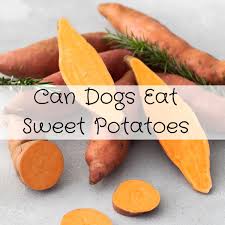
Sweet potato skins are incredibly dense, tough, and notoriously difficult for a canine digestive tract to break down. Feeding the fibrous skin to a dog with existing gastroenteritis will essentially scrub the already inflamed stomach lining.
This internal friction causes immediate irritation, prolonged vomiting, and delayed healing. Always peel the potato completely, removing every trace of the outer skin, before dropping it into the boiling water.
How to Prepare Sweet Potatoes for a Sick Dog
Preparation dictates whether this vegetable acts as a soothing medicine or a dangerous aggravator. Follow these exact culinary steps for maximum canine digestive relief:
- Scrub and completely peel the sweet potato, ensuring absolutely no fibrous skin remains.
- Chop the orange flesh into small, uniform cubes to guarantee rapid and completely even cooking.
- Boil the cubes in plain, unseasoned water until they are soft enough to mash effortlessly with a standard fork.
- Mash the potato thoroughly, strictly avoiding the addition of any butter, salt, garlic, or oil.
- Let the mash cool completely to room temperature before serving to prevent burning a sensitive canine mouth or throat.
🚨 Vet Fact: Overfeeding dietary fiber can actually cause the exact diarrhea you are trying to cure. When introducing sweet potato to a sick dog, strictly limit the serving size to one or two tablespoons per meal for a medium-sized breed.
Advanced Insight #3: The Pumpkin vs. Sweet Potato Debate
Canned plain pumpkin is the internet’s absolute favorite home remedy for dog diarrhea. However, sweet potatoes often perform significantly better for specific types of acute gastrointestinal distress. The difference comes down to fiber composition.
Pumpkin contains higher levels of insoluble fiber. This specific fiber adds bulk to the stool, but it can sometimes push waste through the digestive system too quickly if the gut is already highly irritated.
Sweet potatoes contain a much higher ratio of soluble fiber. This type of fiber turns into a thick, gel-like substance during the digestion process. This specific gel coats, soothes, and protects the irritated stomach lining far more effectively than pumpkin.
The Picky Eater Solution
Consider Bella, a tiny Yorkie with a notoriously sensitive stomach who routinely refused to eat plain pumpkin during her frequent digestive flare-ups. The slimy texture and bland smell of the canned puree simply repelled her.
When offered freshly boiled, room-temperature sweet potato mash instead, her natural foraging instincts finally kicked in. The appealing earthy scent and sweeter flavor profile coaxed her to eat immediately. This delivered the vital hydration and stomach-soothing fiber she desperately needed to recover without a stressful syringe-feeding session.
🐾 Snoutbit Pro-Tip: If a nauseous dog refuses to eat solid food from a bowl entirely, try smearing tiny dollops of mashed sweet potato across a textured lick mat. The repetitive licking action releases calming endorphins, which can naturally suppress mild canine nausea.
Signs You Need More Than a Bland Diet
While sweet potatoes are a fantastic home remedy for mild, dietary-induced stomach upset, they cannot fix systemic illness. A proper bland diet should show positive, visible results in the yard within 24 to 48 hours.
If the dog’s stool does not begin to firm up after two full days on the sweet potato diet, professional medical intervention is strictly necessary. Chronic diarrhea dehydrates a dog rapidly and can lead to organ failure if left completely unchecked.
Immediate veterinary attention is required if the dog displays profound lethargy, bloody diarrhea, dangerously pale gums, or a complete inability to hold down standing water. These are classic warning signs of life-threatening intestinal blockages, parvovirus, or severe internal parasites that require prescription medication.
What To Do Next
- Assess the Stool: Check the dog’s most recent bowel movement for red blood, black tarry substances, or a jelly-like consistency, as these require immediate veterinary attention rather than a diet change.
- Prepare a Baseline Batch: Peel, boil, and mash one medium sweet potato today, storing it in an airtight container in the refrigerator so it is perfectly chilled and ready for the dog’s next mealtime.
Disclaimer: The content on Snoutbit.com is for informational and educational purposes only and is not intended to replace professional veterinary advice, diagnosis, or treatment. Always consult with your veterinarian before making significant changes to your dog’s diet, exercise routine, or health regimen.