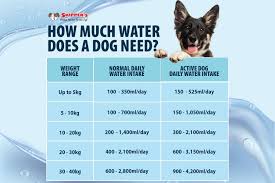
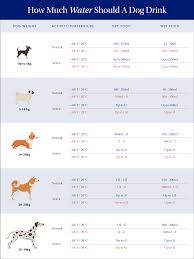
The golden rule for canine hydration is incredibly straightforward: a healthy adult dog needs approximately one ounce of water per pound of body weight every single day. This means a 10-pound terrier requires 10 ounces, while an 80-pound mastiff needs 80 ounces. Hitting this exact daily baseline keeps major organs functioning, cushions joints, and regulates body temperature.
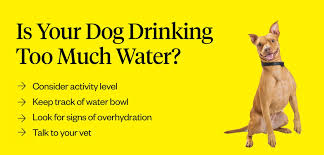
Drops significantly below this baseline risk severe dehydration and urinary tract issues. Spikes double this amount signal an immediate need for veterinary bloodwork to check kidney function. Understanding this simple ounce-per-pound ratio provides the ultimate daily metric for stable canine health.
The Math Behind the Water Bowl
Visualizing the actual volume of water required is critical for proper monitoring. Pet owners frequently underestimate just how quickly an average dog drains a standard bowl. A typical stainless steel pet store bowl holds roughly 32 ounces of liquid.
This means a 50-pound dog needs that standard bowl refilled nearly twice a day just to survive. During peak summer heat or after heavy exercise sessions, this requirement can easily surge by 50 percent. Active dogs lose internal moisture rapidly, making proactive replenishment absolutely mandatory.
Measuring exact intake requires a temporary shift in household habits. Automatic, continuously cycling water fountains are fantastic for encouraging drinking but terrible for monitoring volume. To establish a baseline, use a standard measuring cup and physically pour the required daily ounces into a dry bowl.
🚨 Vet Fact: Dogs lack the ability to sweat efficiently through their skin like humans do. Their primary cooling mechanism is panting, which rapidly evaporates moisture from the respiratory tract and significantly increases baseline hydration requirements.
Advanced Insight 1: The Diet and Moisture Gap
Generic hydration advice assumes every dog consumes the exact same type of commercial food. In reality, the contents of the food bowl drastically alter the required volume of the water bowl. Commercial dry kibble is heavily processed and contains a maximum of 10% moisture.
Dogs eating a strict dry kibble diet must consume their entire daily ounce requirement directly from standing water. Conversely, fresh, home-cooked, or commercially prepared raw diets contain upwards of 70% moisture. A dog eating a fresh food diet will naturally and safely visit the water bowl far less frequently.
Owners who switch high-quality proteins often panic when their dog practically stops drinking. A quick calculation usually reveals the dog is absorbing dozens of ounces of water directly through those new, moisture-rich meals. Factoring in dietary moisture prevents unnecessary anxiety over an untouched water bowl.
Behavioral Thirst and Environmental Stress
A dog’s psychological state directly dictates their willingness to drink. High-anxiety events, thunderstorms, or sudden changes in household routine routinely cause dogs to suppress their natural thirst drive. Even minor disruptions to their physical space can alter their baseline intake.
Consider Anggu, a spirited Shiba Inu and Village Dog mix who recently underwent a minor medical procedure. While recovering safely in a structured indoor playpen, her daily water intake plummeted inexplicably. The stress of the recovery environment and the spatial restriction of the playpen temporarily overrode her natural desire to pace and drink.
In confined or stressful scenarios, bringing the hydration directly to the dog is essential. Offering highly palatable liquids, such as low-sodium canine bone broth mixed with warm water, often breaks a stress-induced fast. Once the dog feels completely secure in their modified environment, normal drinking habits resume.
🐾 Snoutbit Pro-Tip: To accurately measure daily intake, temporarily remove automatic fountains. Use a standard kitchen measuring cup to pour a precise number of ounces into a completely dry bowl each morning.
Advanced Insight 2: Psychogenic Polydipsia (Behavioral Over-Drinking)
Sometimes excessive drinking has absolutely nothing to do with kidney failure or diabetes. Some dogs drink massive volumes of water purely out of psychological compulsion. This behavioral condition is known in veterinary medicine as psychogenic polydipsia.
Many recently adopted street dogs exhibit this strange relationship with the water bowl. One former Malaysian stray was consistently observed draining a massive 64-ounce bowl in seconds, subsequently vomiting it right back onto the floor. This was a classic manifestation of resource guarding trauma.
The dog compulsively hoarded the water inside its stomach out of deep-seated fear that the bowl would suddenly disappear. Managing this requires behavioral modification rather than medical intervention. Providing multiple bowls across the house and rationing water into smaller, frequent portions helps rebuild resource confidence.
Advanced Insight 3: The Invisible Biofilm Barrier
When a perfectly healthy dog suddenly refuses fresh water, the bowl itself is often the culprit. Pet owners frequently top off water bowls for days without actually scrubbing the surface with soap. Within 48 hours, a slippery, invisible layer of bacteria known as a biofilm begins to form.
This microscopic bacterial colony produces a distinct, sour odor that highly sensitive canine noses despise. Plastic bowls are notoriously bad for harboring these biofilms within tiny surface scratches. When the water tastes mildly contaminated, a smart dog simply stops drinking it.
Switching exclusively to heavy-duty stainless steel or high-fired ceramic eliminates this hidden barrier. These materials are totally non-porous and naturally resist aggressive bacterial colonization. Scrubbing the bowl daily with hot, soapy water is the easiest way to guarantee a dog hits their daily hydration target.
🚨 Vet Fact: Tacky, sticky gums are an immediate warning sign of clinical dehydration. A healthy, fully hydrated dog will always have gums that feel slick and noticeably wet to the human touch.
Performing the At-Home Dehydration Checks
Waiting for a dog to act visibly lethargic is waiting far too long to address dehydration. Proactive owners must test hydration levels using techniques borrowed directly from emergency veterinary clinics. The first assessment is the Capillary Refill Time (CRT) test.
Gently lift the dog’s upper lip and press a finger firmly against their pink gums until the spot turns entirely white. Release the pressure immediately and count the exact seconds it takes for the pink color to flood back. In a perfectly hydrated dog, the natural color should snap back in under two seconds.
The second crucial assessment is the Skin Turgor test. Gently pinch a loose fold of skin at the scruff of the dog’s neck, pulling it upward into a tent shape. When released, the skin should instantly snap back flat against the muscle; slowly falling skin indicates dangerous dehydration levels.
The Hidden Threat of Water Intoxication
While dehydration is a common fear, the exact opposite extreme is equally lethal for high-drive dogs. Water intoxication, medically termed hyponatremia, occurs when a dog ingests massive amounts of water in a condensed timeframe. This rapid liquid influx dangerously dilutes the body’s sodium levels.
This condition frequently strikes dogs that spend hours aggressively biting at high-pressure garden hoses or fetching toys in lakes. A dog enthusiastically swimming with an open mouth can swallow a fatal amount of water in under thirty minutes. The sudden sodium drop causes brain swelling, leading to staggering, vomiting, and eventual seizures.
Preventing water intoxication requires strict management of all water-based play activities. Limit direct hose sessions to five minutes and force swimming dogs to take mandatory rest breaks on dry land. Safe hydration always happens calmly at the bowl, never during high-arousal aquatic exercise.
🐾 Snoutbit Pro-Tip: Never add massive scoops of ice cubes to a profoundly overheated dog’s water bowl. Rapid temperature shifts in the stomach can trigger painful spasms and dangerous gastrointestinal distress; offer cool tap water instead.
Mind Map Overview: The Daily Hydration Blueprint
Managing canine hydration requires understanding how daily habits intersect with biology. Keep this quick-reference blueprint in mind for optimal bowl management:
- The Golden Target: Calculate one ounce of water per pound of body weight daily.
- The Diet Variable: Subtract ounces if feeding high-moisture fresh, raw, or canned diets.
- The Hygiene Protocol: Scrub stainless steel bowls daily to eradicate foul-tasting biofilms.
- The Stress Factor: Monitor intake closely during medical recoveries or routine disruptions.
- The Activity Rule: Add extra ounces for heavy panting, but limit gulping during water play.
What To Do Next
- Conduct a 24-Hour Bowl Audit: Tomorrow morning, measure your dog’s exact required ounces into a clean bowl and track it for a full 24 hours to establish a true hydration baseline.
- Practice the Gum Check: Lift your relaxed dog’s lip today and feel their gums to understand exactly what a healthy, slick, and wet baseline feels like.
Disclaimer: The content on Snoutbit.com is for informational and educational purposes only and is not intended to replace professional veterinary advice, diagnosis, or treatment. Always consult with your veterinarian before making significant changes to your dog’s diet, exercise routine, or health regimen.