
The verdict on canine heart health and diet is clear. Feeding a boutique, grain-free diet packed with peas, lentils, or chickpeas significantly increases a dog’s risk of developing nutrition-related Dilated Cardiomyopathy (DCM). This fatal heart condition occurs when specific plant ingredients block the absorption of essential amino acids required for healthy cardiac function. Unless a veterinarian has explicitly diagnosed a severe grain allergy—which is exceedingly rare—dogs should eat high-quality, grain-inclusive formulas. Keeping wholesome grains in the bowl is the easiest, most scientifically sound way to protect a canine heart.
The Rise of Diet-Associated DCM
For decades, canine Dilated Cardiomyopathy was considered a strictly genetic disease affecting large breeds like Dobermans and Great Danes. DCM causes the heart muscle to weaken, stretch, and enlarge. This prevents the heart from pumping blood efficiently throughout the dog’s body. Eventually, this progressive weakening leads to congestive heart failure.
Everything changed in 2018 when veterinary cardiologists noticed a terrifying spike in DCM cases among atypical breeds. These were mixed breeds, small terriers, and otherwise healthy adult dogs collapsing with severe heart murmurs. The single unifying factor among these sick dogs was their daily diet. Almost all of them were eating boutique, grain-free dog foods marketed as “biologically appropriate.”
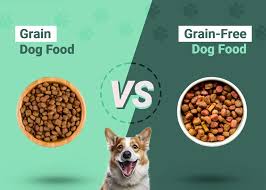
This prompted an massive FDA investigation into the link between grain-free diets and cardiac issues. The findings rocked the pet food industry and forced dog owners to rethink the entire “grain-free is better” marketing narrative. The issue was never about the absence of grains causing heart failure. The real danger lies in what dog food manufacturers use to replace those grains.
🚨 Vet Fact: A true canine grain allergy is statistically rare. According to veterinary dermatologists, over 85% of food-allergic dogs are reacting to an animal protein like chicken, beef, or dairy, not wheat or corn.
The Legume Loophole: Ingredient Splitting (Advanced Insight)
Generic advice often states that grain-free food is bad, but fails to explain the biological mechanism behind the danger. The true culprits in these diets are legumes, specifically pulses like peas, lentils, chickpeas, and sometimes potatoes. When manufacturers remove cheap grains, they need an alternative starch to bind the kibble together. Legumes are cheap, plant-based proteins that make the food’s overall protein percentage look higher on the label.
The advanced insight here involves a deceptive manufacturing tactic called “ingredient splitting.” A label might list real meat as the first ingredient, but follow it with whole peas, pea flour, pea protein, and pea fiber. If you combined all those split pea ingredients into one category, legumes would actually be the number one ingredient by weight.
High concentrations of these legumes interfere with a dog’s ability to synthesize or process taurine. Taurine is a critical amino acid that powers the heart muscle. When a dog eats a heavy legume diet every single day, their body slowly becomes starved of taurine, leading directly to diet-associated DCM.
The Shiba Inu Warning Sign
Take the case of Anggu, a spirited Shiba Inu and Village Dog mix known for her boundless energy. Her owners switched her to a highly-rated, grain-free boutique brand, believing the marketing hype about ancestral diets. Within six months, Anggu began lagging behind on her evening walks and panting heavily after minor exertion.
A veterinary visit revealed a terrifyingly fast, irregular heart rate and early signs of cardiac stress. Because Anggu had no genetic predisposition to heart disease, the veterinarian immediately suspected diet-associated DCM. Anggu was immediately transitioned to a grain-inclusive, WSAVA-compliant diet. Within ten weeks, her energy returned, and follow-up echocardiograms showed her heart function stabilizing completely.
🐾 Snoutbit Pro-Tip: Do not rely on front-of-bag marketing terms like “Holistic,” “Ancestral,” or “Premium.” Turn the bag around and check the first ten ingredients; if you see peas, lentils, or chickpeas listed multiple times, put the bag back on the shelf.
Exotic Proteins and Heart Strain (Advanced Insight)
The grain-free trend spawned another dangerous offshoot known as BEG diets (Boutique, Exotic, and Grain-free). To stand out in a crowded market, companies started utilizing highly exotic proteins like kangaroo, wild boar, alligator, and bison. While these sound luxurious, they present a hidden danger to canine cardiac health.
Exotic proteins have vastly different amino acid profiles and bioavailability compared to standard chicken, beef, or fish. The digestibility of these exotic meats in a heavily processed kibble format is rarely tested through long-term feeding trials. If the dog’s digestive tract cannot efficiently extract and utilize the amino acids from a kangaroo-based kibble, the heart muscle eventually suffers.
Standard, high-quality proteins paired with wholesome grains provide a highly predictable, highly bioavailable nutrient profile. Choosing a diet built around heavily researched ingredients ensures the dog actually absorbs the nutrition listed on the label.
The Golden Retriever Risk Factor
Certain breeds face a “perfect storm” when fed a grain-free diet. Golden Retrievers, for example, have a known genetic predisposition to taurine deficiency. Their bodies naturally struggle to produce or maintain adequate levels of this heart-protecting amino acid.
Consider Duke, a normally robust Golden Retriever who suddenly collapsed while chasing a tennis ball. Duke had been eating a grain-free, lamb-and-chickpea formula since puppyhood. Blood tests revealed his taurine levels were dangerously low, and an ultrasound confirmed severe DCM.
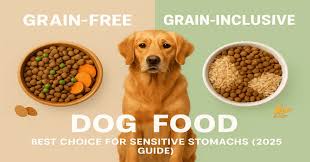
Duke required aggressive cardiac medication and an immediate switch to a grain-inclusive diet formulated by veterinary nutritionists. While his condition improved, the structural damage to his heart from years of taurine deficiency was permanent. Feeding a grain-free diet to a breed already prone to heart issues is an unnecessary and dangerous gamble.
🚨 Vet Fact: Diet-associated DCM is often completely asymptomatic until the heart is already severely damaged. Lethargy, a soft cough, or an unwillingness to exercise are often the very first signs an owner will notice.
The WSAVA Formulation Standard (Advanced Insight)
Most pet owners believe that if a dog food is sold in a major pet store, it has been rigorously tested for safety. This is a dangerous misconception. The most critical metric for choosing a safe, heart-healthy dog food is adherence to the World Small Animal Veterinary Association (WSAVA) global nutrition guidelines.
True quality control goes far beyond a simple AAFCO nutrient profile printed on a bag. WSAVA guidelines ask whether the brand employs a full-time, board-certified veterinary nutritionist (DACVN) to formulate their recipes. It also demands that the company conducts rigorous, long-term feeding trials on real dogs, rather than simply running ingredients through a computer algorithm.
Very few boutique, grain-free brands meet these strict criteria. By choosing a brand that adheres to WSAVA guidelines, owners ensure the food has been scientifically proven to support long-term cardiac health. This is the ultimate safeguard against diet-induced heart failure.
Why Wholesome Grains Benefit Dogs
Domesticated dogs have evolved alongside humans for thousands of years. Unlike obligate carnivores like cats, dogs possess the specific digestive enzymes needed to break down and utilize starches. Grains are not “fillers” designed to cheapen the food.
High-quality grains like oatmeal, brown rice, sorghum, and barley offer incredible health benefits. They provide a highly digestible source of sustained energy for active dogs. Furthermore, these grains are packed with essential vitamins, minerals, and the exact type of dietary fiber required for a healthy gut microbiome.

Most importantly, grains do not interfere with amino acid absorption. By keeping grains in the diet, you eliminate the need for dangerous legume substitutes. This keeps the canine heart pumping strong and the digestive system functioning flawlessly.
🐾 Snoutbit Pro-Tip: If transitioning a dog from a grain-free diet to a grain-inclusive one, do it incredibly slowly over 10 to 14 days. A sudden change in fiber types can cause severe gastrointestinal upset, gas, and loose stools.
What To Do Next
- Audit the Pantry Today: Go to your kitchen and read the ingredient panel on your dog’s current kibble. If peas, lentils, chickpeas, or potatoes appear in the top ten ingredients—especially if it is marketed as grain-free—it is time to strongly consider a diet change.
- Schedule a Cardiac Baseline Check: If your dog has been eating a boutique, grain-free diet for more than six months, schedule an appointment with your veterinarian. Ask for a thorough stethoscope exam to check for new murmurs and discuss transitioning to a WSAVA-compliant, grain-inclusive formula.
Disclaimer: The content on Snoutbit.com is for informational and educational purposes only and is not intended to replace professional veterinary advice, diagnosis, or treatment. Always consult with your veterinarian before making significant changes to your dog’s diet, exercise routine, or health regimen.