Hearing the terrifying, guttural sounds of a serious dog fight instantly triggers a massive wave of human panic. The immediate biological instinct is to forcefully dive directly into the chaos to protect the animals from severely injuring one another. Unfortunately, doing so frequently places well-meaning bystanders in the direct path of lethal, involuntary canine aggression.
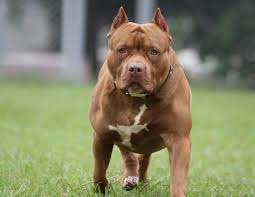
The heartbreaking April 2026 Newark pit bull attack, where a man tragically lost his life attempting to intervene in a street dog fight, perfectly highlights this exact danger. The absolute biggest takeaway is that humans must never use bare hands, grab collars, or physically step into the middle of a high-arousal canine conflict. Safely stopping a serious attack requires utilizing advanced mechanical separation tools, breaking visual focus with physical barriers, and understanding the terrifying biology of “adrenaline blindness.”
Understanding Canine Conflict: Overview Mind Map
- Adrenaline Blindness: The neurological state where a dog completely loses all cognitive recognition of handlers or bystanders.
- Bite Redirection: The involuntary reflex of a fighting dog to instantly snap at any new physical stimulus touching them.
- Mechanical Separation: Utilizing specific physical tools like break sticks or slip leads to safely pry jaws apart.
- Environmental Barriers: Deploying everyday objects like trash cans, umbrellas, or heavy coats to instantly block visual tracking.
🚨 Vet Fact: During a highly aggressive fight, a dog’s internal nervous system floods with massive amounts of cortisol and adrenaline. This intense chemical cocktail drastically dulls their perception of pain, meaning physical blows or kicks from humans will absolutely not stop the attack and will likely escalate the dog’s defensive ferocity.
Advanced Insight 1: The Biology of Adrenaline Blindness
Generic dog training articles frequently suggest simply yelling loudly or clapping hands to startle fighting dogs apart. Elite behaviorists understand that once a dog crosses a specific neurological threshold, auditory cues become completely useless. The dog enters a primitive, highly dangerous state clinically referred to as “adrenaline blindness.”
In this state, the canine amygdala completely hijacks the brain, shutting down all logical processing and social recognition. The dog literally does not know who is touching them; they simply register a new physical threat entering the combat zone. A dog experiencing adrenaline blindness will violently bite their most beloved, trusted owner without a single second of hesitation.
This specific physiological phenomenon heavily explains the tragic outcome in Newark. When a human suddenly inserts themselves into an active pack fight, the dogs instantly redirect their massive, highly aggressive energy toward the largest, newest target. Understanding that a fighting dog is temporarily operating on pure, unregulated survival instinct prevents humans from making fatal, bare-handed mistakes.

Consider a horrific incident at a busy Florida dog park where two large mastiffs began fighting over a tennis ball. An owner frantically reached down and grabbed his dog’s leather collar, completely ignoring the intense physiological arousal. The dog instantly whipped around and severely crushed the owner’s hand, operating entirely on pure, involuntary bite redirection.
🐾 Snoutbit Pro-Tip: Never attempt to pull a dog backward by their tail or hind legs if you are entirely alone. Pulling a highly aroused dog backward without a secondary person controlling the other animal simply gives the opposing dog a free, completely undefended target to aggressively maul.
Advanced Insight 2: Executing The Wheelbarrow Method
Stopping a fight without sustaining severe injury requires highly coordinated, mechanical separation techniques. The safest, most widely recommended professional strategy for separating two actively engaged dogs is the “Wheelbarrow Method.” This specific tactic requires exactly two relatively calm adults acting in complete, simultaneous synchronization.
Each person slowly approaches a dog from the very rear, keeping their hands completely away from the dangerous mouth and neck area. The handlers firmly grab the dogs by the back legs, lifting the hind paws entirely off the ground exactly like lifting a heavy wheelbarrow. Both handlers then rapidly walk backward, physically forcing the dogs to release their grip simply to catch their balance.
Once the dogs are successfully pulled apart, handlers must immediately turn their bodies in a tight circle while continuously walking backward. This highly specific circular motion forces the dog to constantly cross their front legs to avoid falling flat on their face. A dog furiously scrambling to stay upright physically cannot whip around to bite the handler holding their rear legs.
The dogs must be immediately dragged into separate rooms, behind tall fences, or into separate vehicles. The massive adrenaline spike will not naturally dissipate for several hours, meaning the fight will instantly restart if visual contact is not completely broken.
Advanced Insight 3: Deploying Environmental Barriers
Not every dangerous situation affords the luxury of a second, highly capable adult bystander ready to execute the wheelbarrow technique. When caught entirely alone during a violent dog attack, handlers must rapidly scan the environment for physical barriers to wedge between the animals. Simply throwing a heavy object creates a crucial moment of intense physical confusion, often breaking the deadly, locked-on focus.
Elite shelter volunteers frequently utilize large, flat pieces of plywood or heavy plastic garbage cans to aggressively shove between fighting dogs. Pushing a highly solid object directly into the combat zone completely severs the dogs’ visual line of sight. Once the animals physically cannot see their target, the immediate predatory drive often shatters long enough to safely secure one of the leashes.
Take the highly resourceful reality of a seasoned rescue volunteer walking a reactive terrier mix down a busy suburban sidewalk. A loose, highly aggressive dog suddenly charged them from an open garage, entirely ignoring all verbal commands to stop. The volunteer brilliantly popped open a large, automatic rain umbrella directly into the charging dog’s face.
This massive, highly sudden visual barrier completely startled the loose dog, entirely stopping the attack without a single drop of blood being shed. Resourcefulness always heavily outperforms brute physical strength during an unexpected canine emergency.
🚨 Vet Fact: Puncture wounds from canine teeth are highly deceptive, often looking like tiny, harmless holes on the surface of the skin. Below the surface, the violent shaking motion completely detaches the underlying muscle and fatty tissue, creating massive “dead space” pockets highly prone to catastrophic bacterial infections.
The Critical Role of Break Sticks
When dealing specifically with powerful, “gripping” breeds like American Pit Bull Terriers, Staffordshire Terriers, or massive Mastiffs, standard separation tactics sometimes fail. These specific breeds were historically bred for “catch and hold” work, meaning they possess an intense biological drive to grab heavily and absolutely refuse to let go. In these highly terrifying, locked-jaw scenarios, a specialized tool known as a break stick becomes an absolute necessity.
A break stick is a dull, wedge-shaped piece of highly durable wood or heavy-duty plastic. The handler safely slides the thin edge of the wedge directly into the gap located just behind the dog’s large canine teeth. By forcefully twisting the stick like a motorcycle throttle, the wedge physically pries the incredibly powerful jaw muscles open.
This specific tool completely forces the dog to release their grip without causing severe physical damage to the animal’s mouth. Professional dog walkers and elite shelter staff routinely carry a break stick directly on their belt when managing heavy-duty, powerful breeds. It is the absolute only guaranteed method for breaking a deeply committed, locked bite without relying on lethal force.
Managing the Aftermath of an Attack
The immediate minutes following a severe dog fight are highly chaotic and incredibly dangerous. Handlers must never immediately attempt to cuddle, hug, or closely examine a dog that just finished fighting. The dog’s nervous system is still completely flooded with survival adrenaline, making them incredibly prone to a secondary, highly defensive bite.
Safely secure the dogs using sturdy, heavy-duty slip leads and entirely isolate them in quiet, darkened rooms to forcefully lower their heart rate. Immediately contact local animal control to formally report the incident, especially if a stray dog was involved, to secure vital rabies vaccination records.

Seeking immediate, professional veterinary care is absolutely mandatory, even if the dog only appears to have minor scratches. Thick canine fur brilliantly hides severe, highly dangerous puncture wounds and deep tissue lacerations. Delaying proper medical treatment practically guarantees massive, highly expensive wound infections within forty-eight hours.
🐾 Snoutbit Pro-Tip: If a loose dog approaches aggressively while out walking, aggressively toss a massive handful of incredibly high-value treats directly at their face. This brilliant “treat bomb” tactic frequently completely breaks their predatory focus, forcing their brain to switch from fighting mode to scavenging mode, allowing safe escape.
What To Do Next
- Conduct an Environmental Audit: Mentally scan the immediate neighborhood today and highly identify sturdy physical objects that can be utilized during a sudden emergency. Knowing exactly where solid trash cans, heavy wooden park benches, or thick structural fences are located provides crucial, life-saving options for creating an instant physical barrier.
- Upgrade the Walking Toolkit: Immediately purchase a highly durable, automatic pop-up umbrella and attach it directly to the daily walking gear. This simple, highly effective tool acts as an instant, terrifying visual shield capable of completely stopping a charging, off-leash dog without requiring dangerous, bare-handed physical contact.
Disclaimer: The content on Snoutbit.com is for informational and educational purposes only and is not intended to replace professional veterinary advice, diagnosis, or treatment. Always consult with your veterinarian before making significant changes to your dog’s diet, exercise routine, or health regimen.