11 Patient Dog Breeds That Know How to Wait Their Turn
Introduction: Why Patience Matters in Dogs
Patience is more than a polite trait—it’s a skill that helps dogs navigate daily life calmly, whether they’re waiting for a treat, a walk, or a turn during play. While some dogs seem naturally inclined to wait, patience is shaped by a mix of genetics, training, socialization, age, health, and individual personality. According to iHeartDogs, genetics can influence tendencies such as gentleness, tolerance, and responsiveness in dogs. However, even the most patient breed still needs exercise, enrichment, boundaries, and positive guidance to develop good manners. In this article, we’ll explore 11 dog breeds known for their patient dispositions, from the friendly Golden Retriever to the dignified English Mastiff. We’ll also look at how genetics and training work together to build patience, and offer practical tips to encourage your dog to wait their turn. Whether you’re a first-time owner or a seasoned dog lover, understanding these traits can help you foster a well-mannered companion.
Top 11 Patient Dog Breeds and Their Traits
1. Golden Retriever
Golden Retrievers were developed as sporting dogs expected to work closely with people and often respond enthusiastically to positive reinforcement. They are often admired for their friendly personalities and steady, cooperative temperament. According to iHeartDogs, they can learn behaviors such as waiting at doors and taking turns during training, making them excellent candidates for families seeking a patient dog.
2. Labrador Retriever
Labrador Retrievers have worked as retrievers, service dogs, detection dogs, and other specialized partners—roles that often require focus and the ability to wait for instructions. They are famously enthusiastic but trainable, often developing impressive patience with consistent guidance.
3. Newfoundland
Newfoundlands were historically valued as working dogs around water and fishing communities, developing strength, cooperation, and dependable temperaments. These enormous dogs are often associated with a gentle, steady disposition, making them natural waiters.
4. Cavalier King Charles Spaniel
Cavalier King Charles Spaniels were developed primarily as companion dogs and often have a softer, adaptable temperament. They are affectionate, people-oriented dogs that often enjoy staying close to their humans. iHeartDogs notes they are often recommended for first-time owners due to their adaptable and friendly temperaments.
5. Bernese Mountain Dog
Bernese Mountain Dogs’ ancestors performed varied farm tasks in Switzerland, including driving cattle and pulling carts. They combine substantial size with an affectionate personality and a calm, steady demeanor, which can translate into impressive patience.
6. Great Dane
Great Danes may tower over many other dogs, but properly socialized adults are often admired for affectionate personalities and a surprisingly composed presence. They require appropriate exercise and enrichment to maintain that calm.
7. Clumber Spaniel
Clumber Spaniels are sturdy sporting dogs known for a more deliberate working style than many faster, highly animated members of the spaniel family. This deliberate nature often means they are content to wait and take their time.
8. Basset Hound
Basset Hounds have a famously unhurried appearance but can be extremely determined when an interesting smell captures their attention. They need regular walks and opportunities to sniff safely, which can also teach them patience.
9. Collie
Collies are intelligent, sensitive dogs with a history of herding work that required awareness, responsiveness, and close cooperation with people. They are highly attentive to household routines, often waiting for cues from their owners.
10. English Mastiff
English Mastiffs are enormous, powerful dogs, yet mature individuals are often associated with a calm, dignified temperament. Their size might be intimidating, but their patience is legendary among breed enthusiasts.
11. Saint Bernard
Saint Bernards are famous for their imposing size and historic association with Alpine rescue work, but their gentle, steady reputation has also helped make them beloved family companions. They often exhibit remarkable patience with children and other pets.
Quick Comparison: Patience Profiles at a Glance
| Breed | Size | Temperament | Patience Strength |
|---|---|---|---|
| Golden Retriever | Large | Friendly, cooperative | Waits at doors, takes turns |
| Labrador Retriever | Large | Enthusiastic, trainable | Waits for instructions |
| Newfoundland | Giant | Gentle, steady | Natural waiter |
| Cavalier King Charles Spaniel | Small | Affectionate, adaptable | Good for first-time owners |
| Bernese Mountain Dog | Giant | Calm, affectionate | Steady demeanor |
| Great Dane | Giant | Composed, affectionate | Calm when socialized |
| Clumber Spaniel | Medium | Deliberate | Content to wait |
| Basset Hound | Medium | Unhurried, determined | Patient when sniffing |
| Collie | Large | Intelligent, sensitive | Waits for cues |
| English Mastiff | Giant | Calm, dignified | Legendary patience |
| Saint Bernard | Giant | Gentle, steady | Patient with kids/pets |
The Role of Genetics vs. Training in Developing Patience
Genetics can influence tendencies such as gentleness, tolerance, and responsiveness in dogs, according to iHeartDogs. Breeds like Golden Retrievers and Labrador Retrievers were developed for roles that required cooperation and focus, which may predispose them to patience. However, genetics is only part of the story. Training, socialization, age, health, and individual personality always matter in a dog’s patience. A dog may be born with a calm disposition, but without proper guidance, that patience may not fully develop. Conversely, a more excitable dog can learn to wait through consistent positive reinforcement dog training. For example, Golden Retrievers respond enthusiastically to positive reinforcement and can learn behaviors such as waiting at doors and taking turns during training. This shows that while breed tendencies exist, training is essential. Patient dogs still need exercise, enrichment, boundaries, and positive guidance to develop good manners. So, while you might choose a breed known for patience, you must also invest time in training and socialization to nurture that trait.
Training Tips for Encouraging Patience in Dogs
Even the most patient breed needs help honing their waiting skills. Here are some practical tips based on the verified facts:
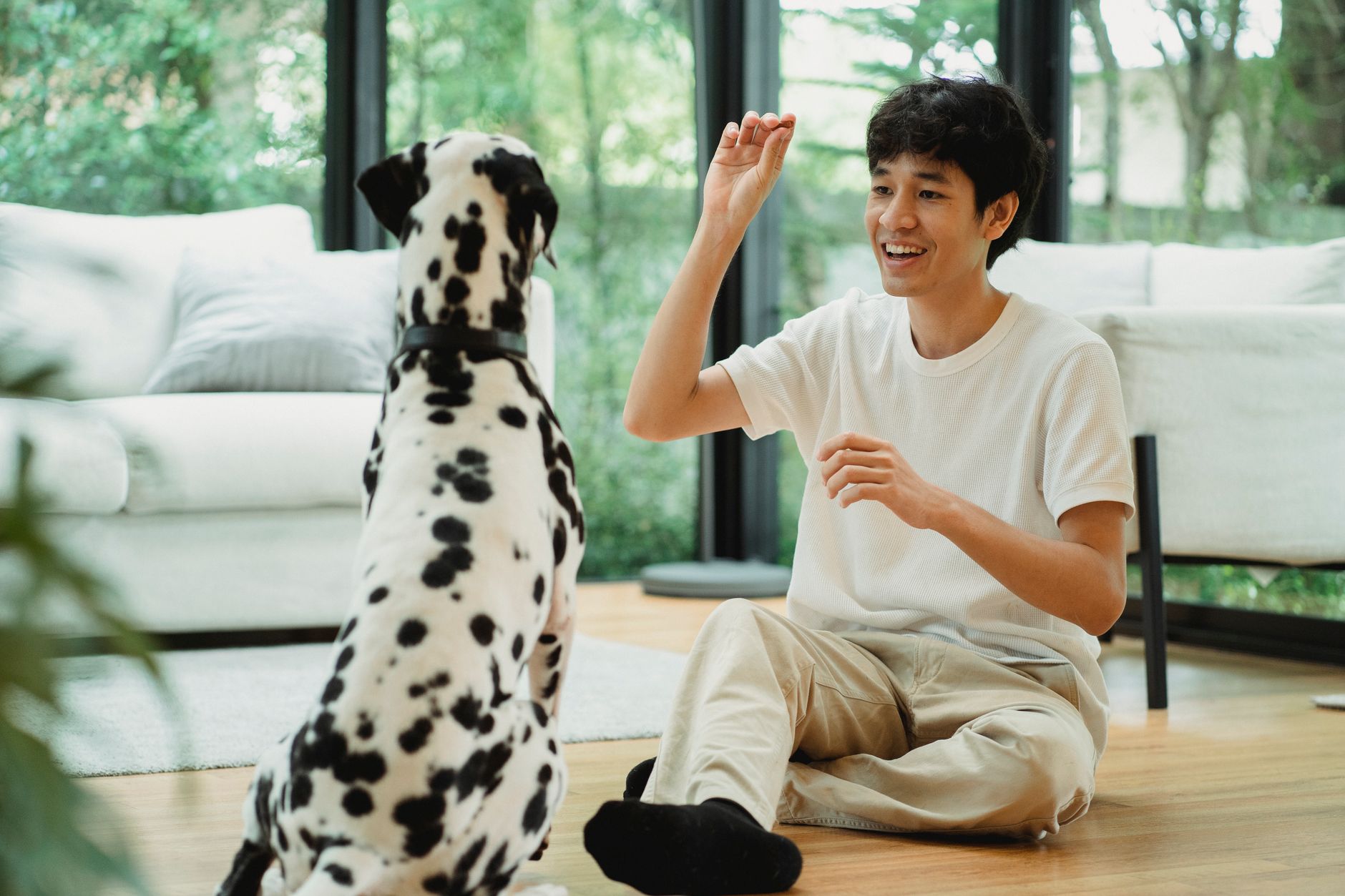
- Use positive reinforcement: Golden Retrievers respond enthusiastically to positive reinforcement and can learn behaviors such as waiting at doors and taking turns during training. Reward your dog for waiting calmly. Avoid common puppy training mistakes like inconsistent rewards.
- Provide regular exercise and enrichment: Patient dogs still need exercise, enrichment, boundaries, and positive guidance to develop good manners. A tired dog is often a more patient dog.
- Respect breed tendencies: For example, Basset Hounds need regular walks and opportunities to sniff safely. Allowing them to indulge their nose in a controlled way can reduce frustration and build patience. Great Danes require appropriate exercise and enrichment to maintain their composed presence.
- Socialize early: Proper socialization helps dogs like Great Danes become surprisingly composed adults. Expose your dog to various situations where waiting is required.
- Be consistent: Training, socialization, age, health, and individual personality always matter in a dog’s patience. Keep sessions short, positive, and regular. If you want to train your puppy faster, consistency is key.
- Choose the right breed for your lifestyle: Cavalier King Charles Spaniels and Golden Retrievers are often recommended for first-time owners due to their adaptable and friendly temperaments. If patience is a priority, these breeds can be a great starting point.
Remember, patience is a skill that can be taught. With patience and consistency, you can help your dog learn to wait their turn. For dogs prone to anxiety, building patience can also help stop separation anxiety.
Building Patience Through Everyday Routines
Patience isn’t just taught in formal sessions—it’s woven into daily life. Simple routines like waiting for food bowls to be set down, sitting before going out the door, or pausing before a walk can reinforce waiting. crate training is another powerful tool: a crate becomes a calm space where a dog learns to settle and wait. leash training also teaches patience, as dogs learn not to pull and to wait for cues. For dogs that guard food or toys, patience exercises can reduce resource guarding.
Patience Training for Stubborn or Excitable Breeds
Not every dog is naturally patient. Breeds like the stubborn Shiba Inu or French Bulldogs hard to train may test your patience first. The key is to keep sessions short, reward calm behavior, and never force waiting. For rescue dogs, patience may need to be built alongside trust and decompression. With time, even excitable dogs can learn to wait their turn.
Frequently Asked Questions
Are patient dog breeds born patient? Genetics can influence tendencies such as gentleness, tolerance, and responsiveness, but patience is also shaped by training, socialization, age, health, and individual personality.
How long does it take to teach a dog patience? It varies by dog, but consistent positive reinforcement and short, regular sessions help. Some dogs learn quickly; others need weeks or months.
Can any dog learn to wait their turn? Yes. Even excitable dogs can learn to wait through consistent positive reinforcement and proper guidance.
Do patient dogs still need training? Absolutely. Patient dogs still need exercise, enrichment, boundaries, and positive guidance to develop good manners.
Conclusion: The Value of a Patient Dog
A patient dog is a joy to live with. They wait calmly for meals, walks, and attention, making them easier to manage in various situations. While genetics can influence tendencies such as gentleness, tolerance, and responsiveness, patience is ultimately shaped by training, socialization, age, health, and individual personality. Breeds like Golden Retrievers, Labrador Retrievers, Newfoundlands, and Cavalier King Charles Spaniels are often celebrated for their patient natures, but even they need exercise, enrichment, boundaries, and positive guidance to develop good manners. By understanding your dog’s breed tendencies and investing time in positive reinforcement, you can nurture a well-mannered companion who knows how to wait their turn. Whether you’re a first-time owner or a seasoned dog lover, the reward of a patient dog is well worth the effort.
Source: iHeartDogs