How to Stop Separation Anxiety in Dogs: A Step-by-Step Training Guide
Pet anxiety, a pervasive issue affecting a significant portion of the global pet population, encompasses a range of behavioral and physiological responses to perceived threats or stressors. It manifests differently in various species and breeds, stemming from diverse triggers such as separation from owners, loud noises, unfamiliar environments, or underlying medical conditions. Understanding the nuances of pet anxiety, its causes, symptoms, and effective management strategies, is crucial for responsible pet ownership and ensuring the well-being of our beloved animal companions.
Identifying the Root Causes of Pet Anxiety

Pet anxiety is rarely a monolithic condition; rather, it often arises from a complex interplay of genetic predispositions, environmental factors, and learned behaviors. Pinpointing the specific cause or combination of causes is paramount to developing a targeted and effective treatment plan.
Separation Anxiety: The Distress of Being Alone
Separation anxiety, one of the most frequently diagnosed forms of pet anxiety, is characterized by excessive distress exhibited when a pet is left alone or separated from their primary caregiver. This anxiety is not simply about boredom or loneliness; it's a genuine panic response triggered by the absence of a perceived source of security.
- Symptoms: Destructive behaviors (chewing, scratching, digging), excessive vocalization (barking, howling), inappropriate urination or defecation, pacing, and attempts to escape are common indicators of separation anxiety. Some pets may also exhibit self-harming behaviors, such as excessive licking or biting at themselves.
- Underlying Factors: Changes in routine (e.g., a shift in work schedule), moving to a new home, the loss of a family member (human or animal), or even perceived abandonment can trigger separation anxiety. Past experiences of abandonment or neglect can also significantly increase a pet's vulnerability.
- Management Strategies: Counterconditioning, where the pet learns to associate being alone with positive experiences (e.g., a special treat or toy), is a cornerstone of treatment. Gradual desensitization, involving progressively longer periods of alone time, can help the pet adapt. In severe cases, anti-anxiety medication prescribed by a veterinarian may be necessary. Enrichment activities, such as puzzle toys or interactive feeders, can provide mental stimulation and reduce anxiety-driven behaviors while the owner is away.
Noise Anxiety: Fear of Thunder, Fireworks, and Other Loud Sounds
Noise anxiety, also known as noise phobia, is an intense fear response to specific sounds, most commonly thunderstorms, fireworks, and loud vehicle noises. The anxiety stems from the unpredictable and often overwhelming nature of these sounds.
- Symptoms: Trembling, panting, hiding, pacing, drooling, barking, howling, and attempts to escape are typical signs of noise anxiety. Some pets may exhibit more extreme reactions, such as bolting or injuring themselves in their attempt to flee the source of the noise.
- Underlying Factors: Genetics play a significant role in noise anxiety, with some breeds being more predisposed than others. Early exposure to loud noises without proper socialization can also contribute to the development of the phobia. Traumatic experiences associated with loud noises, such as being caught outside during a thunderstorm, can further exacerbate the issue.
- Management Strategies: Creating a safe haven, such as a crate or a quiet room, can provide the pet with a sense of security during noisy events. Sound desensitization, involving playing recordings of the feared sounds at low volumes and gradually increasing the intensity, can help the pet habituate to the noises. Anxiety wraps, such as the Thundershirt, apply gentle pressure which can have a calming effect. In more severe cases, veterinarians may prescribe anti-anxiety medication or recommend pheromone therapy (e.g., Adaptil for dogs, Feliway for cats).
Social Anxiety: Fear and Apprehension in Social Situations
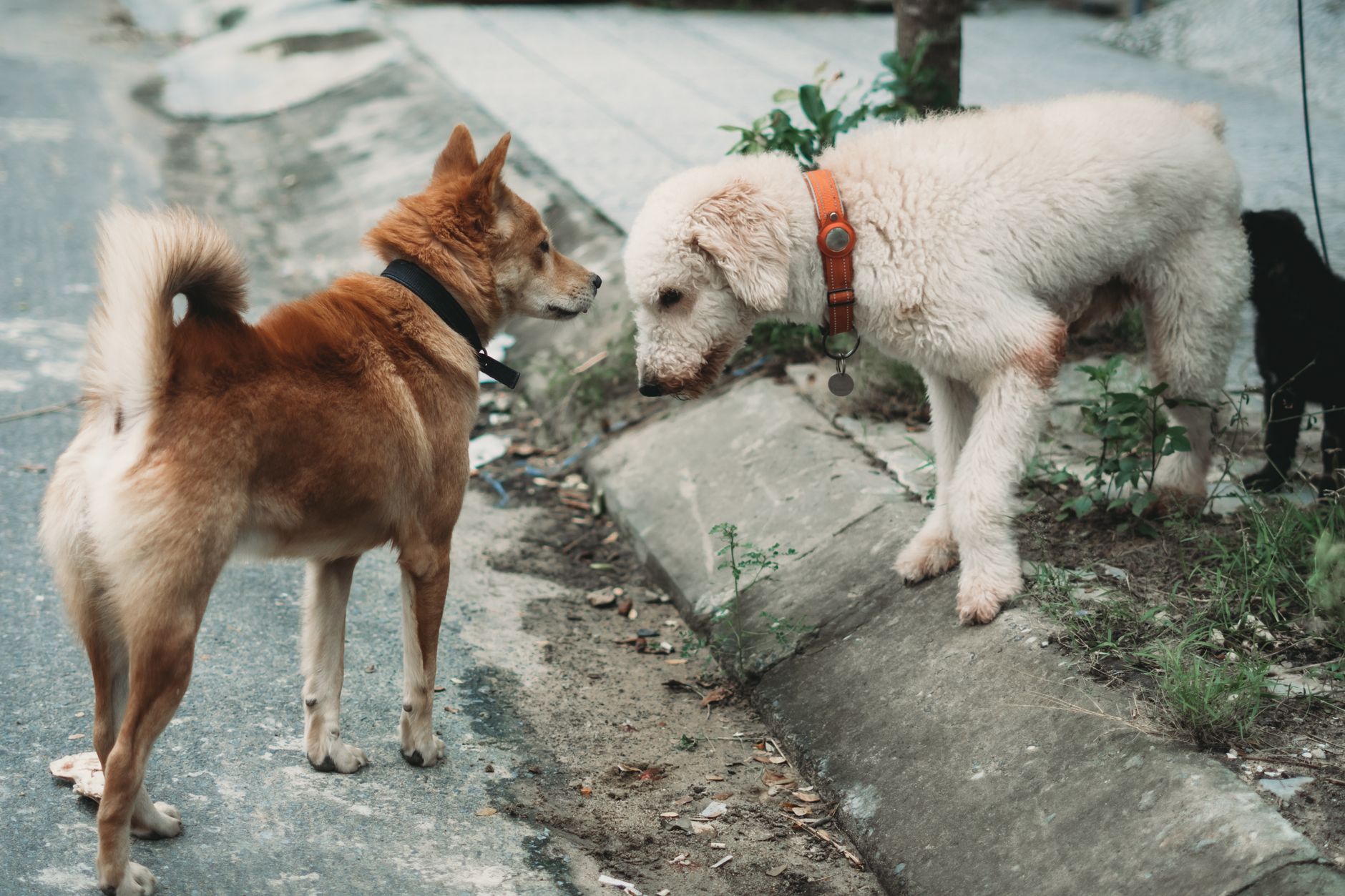
Social anxiety in pets refers to the fear and apprehension experienced in social situations, such as interacting with unfamiliar people or other animals. This anxiety can manifest as shyness, aggression, or avoidance behaviors.
- Symptoms: Hiding, trembling, panting, lip licking, whale eye (showing the whites of the eyes), growling, snapping, and attempts to escape are common signs of social anxiety. Some pets may exhibit defensive aggression, lashing out to protect themselves from perceived threats.
- Underlying Factors: Lack of early socialization is a primary contributor to social anxiety. Puppies and kittens that are not adequately exposed to a variety of people, animals, and environments during their critical socialization period (typically up to 16 weeks of age) are more likely to develop social anxieties later in life. Traumatic experiences with other animals or people can also lead to social anxiety.
- Management Strategies: Gradual and controlled exposure to social situations, paired with positive reinforcement, is crucial for managing social anxiety. Start with brief encounters in a safe and controlled environment, and gradually increase the duration and intensity of the interactions as the pet becomes more comfortable. Avoid forcing the pet into situations that trigger their anxiety. Working with a qualified veterinary behaviorist or certified professional dog trainer can provide valuable guidance and support.
Diagnosing Pet Anxiety: Recognizing the Signs and Seeking Professional Help
Accurately diagnosing pet anxiety is crucial for implementing the appropriate treatment strategies. However, it's essential to differentiate between normal fear responses and pathological anxiety.
Recognizing Behavioral and Physiological Signs
Pet anxiety manifests in a variety of behavioral and physiological symptoms, which can vary depending on the individual animal, the specific trigger, and the severity of the anxiety.
- Behavioral Signs: These include excessive vocalization (barking, howling, meowing), destructive behaviors (chewing, scratching, digging), inappropriate elimination (urination or defecation), pacing, trembling, hiding, attempts to escape, aggression, and changes in appetite.
- Physiological Signs: These include panting, drooling, increased heart rate, dilated pupils, vomiting, diarrhea, and changes in body language (e.g., tucked tail, flattened ears, tense posture).
It is vital to document the frequency, intensity, and duration of these symptoms, as well as the specific situations in which they occur. This information will be invaluable to your veterinarian when making a diagnosis.
Consulting with a Veterinarian or Veterinary Behaviorist
If you suspect that your pet is suffering from anxiety, it's essential to consult with a veterinarian or a veterinary behaviorist. A veterinarian can rule out any underlying medical conditions that may be contributing to the anxiety, while a veterinary behaviorist has specialized training in diagnosing and treating behavioral disorders in animals.
The veterinarian or veterinary behaviorist will conduct a thorough physical examination and behavioral assessment to determine the cause and severity of the anxiety. They may also recommend diagnostic tests, such as blood work or urine analysis, to rule out any medical issues.
Differentiating Between Fear and Anxiety
It's important to distinguish between normal fear responses and pathological anxiety. Fear is a normal and adaptive emotion that helps animals avoid danger. Anxiety, on the other hand, is a persistent and excessive worry that is often disproportionate to the actual threat.
A normal fear response is typically short-lived and resolves when the threat is removed. Anxiety, in contrast, can persist even when the threat is no longer present, and it can significantly impair the pet's quality of life.
Managing and Treating Pet Anxiety: A Multifaceted Approach
Managing and treating pet anxiety typically involves a multifaceted approach that combines behavioral modification, environmental management, and, in some cases, medication.
Behavioral Modification Techniques
Behavioral modification techniques aim to change the pet's emotional response to the anxiety-provoking stimuli. These techniques often involve counterconditioning and desensitization.
- Counterconditioning: This involves changing the pet's association with the anxiety-provoking stimulus from negative to positive. For example, if a dog is afraid of thunderstorms, you can pair the sound of thunder (played at a low volume) with a high-value treat or a favorite toy.
- Desensitization: This involves gradually exposing the pet to the anxiety-provoking stimulus at a low intensity and gradually increasing the intensity as the pet becomes more comfortable. For example, if a cat is afraid of strangers, you can start by having a stranger stand at a distance and gradually decrease the distance as the cat becomes more comfortable.
Environmental Enrichment and Management
Providing a stimulating and enriching environment can help reduce anxiety by providing the pet with opportunities for physical and mental stimulation.
- Enrichment Activities: These include puzzle toys, interactive feeders, chew toys, scratching posts (for cats), and opportunities for exercise and play.
- Safe Haven: Creating a safe and comfortable space where the pet can retreat when feeling anxious can provide a sense of security. This space should be quiet, dimly lit, and stocked with comfortable bedding and favorite toys.
Pharmaceutical Interventions: Medication as a Tool
In some cases, medication may be necessary to manage pet anxiety, particularly in severe cases or when behavioral modification techniques alone are not sufficient.
- Anti-Anxiety Medications: These include selective serotonin reuptake inhibitors (SSRIs), tricyclic antidepressants (TCAs), and benzodiazepines. These medications can help reduce anxiety and improve the pet's overall mood. It's crucial to work closely with the veterinarian to find the right medication and dosage for your pet, as well as to monitor for any potential side effects.
- Pheromone Therapy: Pheromone products, such as Adaptil (for dogs) and Feliway (for cats), mimic natural pheromones that have a calming effect on pets. These products can be used in diffusers, sprays, or collars.
- Nutraceuticals and Supplements: Certain nutraceuticals and supplements, such as L-theanine, alpha-casozepine, and chamomile, have been shown to have calming effects in some pets. However, it's important to consult with your veterinarian before using any nutraceuticals or supplements, as they may interact with other medications or have potential side effects.
Preventing Pet Anxiety: Early Socialization and Positive Experiences
Preventing pet anxiety is often easier than treating it. Early socialization and positive experiences are crucial for helping pets develop into well-adjusted and confident adults.
Early Socialization: Exposing Puppies and Kittens to a Variety of Stimuli
Early socialization involves exposing puppies and kittens to a variety of people, animals, environments, and experiences during their critical socialization period (typically up to 16 weeks of age). This helps them learn to cope with novel situations and reduces the likelihood of developing anxieties later in life.
- Exposure to People: Introduce your puppy or kitten to people of different ages, races, and genders. Expose them to people wearing different types of clothing, such as hats, sunglasses, and uniforms.
- Exposure to Animals: Allow your puppy or kitten to interact with other friendly and well-socialized animals. Supervise these interactions closely to ensure that they are positive and safe.
- Exposure to Environments: Take your puppy or kitten to different environments, such as parks, stores, and veterinary clinics. Expose them to different surfaces, such as grass, concrete, and carpet.
- Exposure to Experiences: Introduce your puppy or kitten to different experiences, such as car rides, grooming, and handling by strangers.
Creating Positive Associations with Potentially Stressful Situations
Even with proper socialization, some situations may still be stressful for pets. Creating positive associations with these situations can help reduce anxiety.
- Veterinary Visits: Pair veterinary visits with positive experiences, such as giving your pet treats and praise during the examination. Practice handling your pet at home, mimicking the procedures that are performed at the veterinary clinic.
- Grooming: Make grooming a positive experience by using gentle handling techniques and rewarding your pet with treats and praise.
- Car Rides: Start with short car rides and gradually increase the duration as your pet becomes more comfortable. Provide your pet with a comfortable and safe place to ride in the car.
Conclusion
Pet anxiety is a complex and multifaceted issue that can significantly impact the well-being of our companion animals. Understanding the various causes, recognizing the signs, and implementing effective management strategies are crucial for addressing this pervasive problem. By focusing on early socialization, providing enriching environments, utilizing behavioral modification techniques, and, when necessary, incorporating pharmaceutical interventions, we can help our pets lead happier, healthier, and less anxious lives. Future trends in pet anxiety management include the development of more targeted medications with fewer side effects, as well as the increased use of telemedicine and virtual consultations with veterinary behaviorists. Ultimately, responsible pet ownership involves recognizing and addressing the emotional needs of our animal companions, ensuring they have the resources and support they need to thrive. Taking proactive steps to prevent anxiety and promptly addressing any signs of distress are essential for fostering a strong and loving bond with our pets.
Disclaimer: This article is for informational purposes only and does not constitute veterinary medical advice. Always consult with a licensed veterinarian before altering your pet's diet, starting a new training regimen, or addressing health concerns.