Are French Bulldogs Hard To Train? The Vet-Approved Guide To Beating Stubbornness
You brought home an adorable, flat-faced puppy, fully expecting a lazy and compliant companion. Instead, you are now locked in a daily, frustrating battle of wills. Are French Bulldogs hard to train? Yes, Frenchies are notoriously stubborn and incredibly difficult to potty train because of their independent terrier lineage and low tolerance for physical discomfort. However, you can train them rapidly using highly motivating food rewards and incredibly short, positive sessions.
As a veterinarian, I see exhausted US owners constantly misinterpreting this biological stubbornness as a lack of intelligence. This guide reveals the exact, science-backed training framework required for this unique brachycephalic breed.
Overview Mind Map: Frenchie Training Blueprint
- Core Problem: High stubbornness from bulldog and terrier genetics.
- The Agitation: Housebreaking failures, bad weather refusal, and destructive chewing.
- Medical Diagnostics: Ruling out physical issues like UTIs or airway blockages before blaming behavior.
- The Solution: High-value treats, strict 5-minute sessions, and proactive crate training.
- Safety First: Avoiding respiratory distress (BOAS) during all obedience work.
The Problem: Why Your French Bulldog Ignores You
To train a Frenchie successfully, you must fundamentally understand what they were bred to do. They are not Golden Retrievers bred to blindly follow human commands and retrieve ducks from freezing lakes. They are a companion breed created by mixing English Bulldogs with feisty Parisian ratting terriers.
This specific genetic cocktail created a dog that is incredibly loyal but fiercely independent. When you give a command, a Frenchie actively evaluates whether complying is actually worth their effort. If the reward is poor, they will simply choose to ignore you.
The Stubborn Terrier DNA
That terrier lineage means they possess a massive amount of tenacity hidden in a small, compact body. When they lock onto an idea, whether it is chasing a squirrel or refusing to leave the couch, their focus is absolute. You cannot force them to change their mind through physical dominance or loud commands.
Attempting to bully a French Bulldog into submission will instantly backfire. They will dig their heels in, plant their heavy bodies on the floor, and completely shut down. You must convince them that obeying your command is their most lucrative option.
The Physical Limitations of Brachycephalic Dogs
Beyond genetics, their physical anatomy directly limits their training stamina. They are a brachycephalic breed, meaning their shortened skulls severely compromise their airways. Many suffer from Brachycephalic Obstructive Airway Syndrome (BOAS), making breathing a constant physical effort.
If a Frenchie feels physically uncomfortable, hot, or out of breath, they will absolutely refuse to train. They prioritize basic biological survival over learning a new trick. You must carefully monitor their breathing during every single training session.
The Agitation: When Stubbornness Ruins Your Home
The agitation sets in when this cute, stubborn streak starts causing massive disruption in your daily American life. A dog that refuses to listen quickly becomes a dangerous liability and a source of constant household stress. Owners quickly realize that a bored, untrained Frenchie is a destructive force of nature.
They possess incredibly strong jaws originally designed for bull-baiting ancestors. If they are not mentally stimulated through positive training, they will happily channel that jaw strength into your drywall.
The Nightmare of Potty Training
Housebreaking is universally the most frustrating aspect of raising a French Bulldog. They are notoriously slow to potty train, often taking six to eight months to become fully reliable indoors. Their stubbornness drastically multiplies when facing adverse American weather conditions like rain, snow, or extreme heat.
A Frenchie will often hold their bladder for hours just to avoid getting their paws wet outside. The second they sneak back into your climate-controlled living room, they will relieve themselves on your expensive rug. This leads to intense owner resentment and is the primary reason young Frenchies are surrendered to US rescue groups.
Destructive Boredom and Separation Anxiety
Because they are bred exclusively for human companionship, they are highly prone to severe separation anxiety. If you fail to train them to accept isolation, leaving the house becomes a nightmare. They will scream, scratch frantically at doors, and destroy furniture until you return.
This intense panic response cannot be fixed by simply locking them in a room and letting them "cry it out." You must actively train them to build independence, which requires immense patience and structured desensitization.
The Solution: Vet-Approved Positive Reinforcement
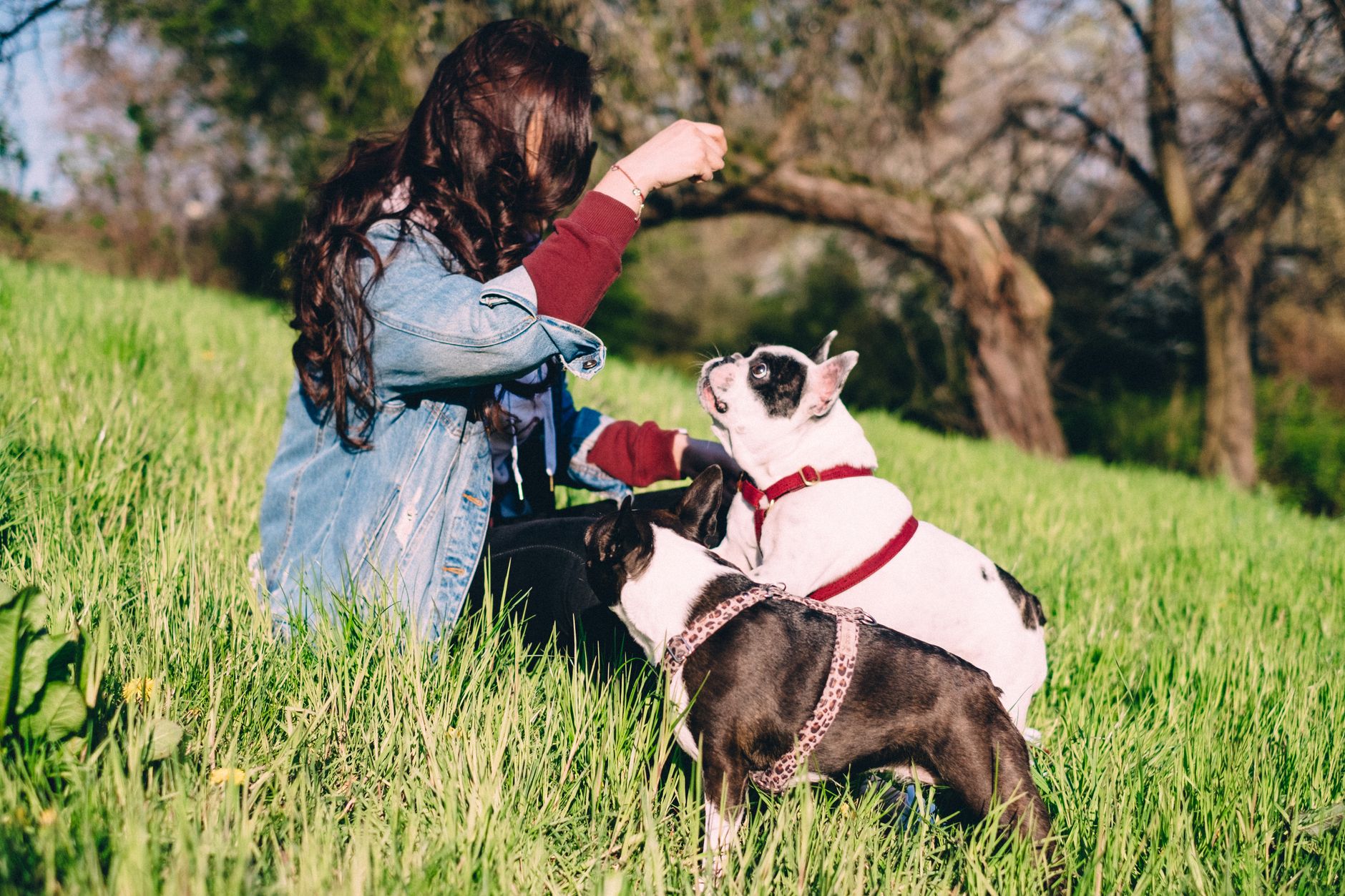
The only scientifically validated method to train a French Bulldog is strict positive reinforcement. You are essentially negotiating with your dog using a currency they desperately want. Because they are highly food-motivated, you can easily hack their stubbornness with the right treats.
You must entirely abandon old-school, compulsion-based training methods. Never use a choke chain, prong collar, or physical corrections on a Frenchie. A single harsh leash correction can permanently crush their fragile trachea.
Building a High-Value Reward Hierarchy
Dry supermarket kibble is completely useless when trying to motivate a stubborn brachycephalic dog. You need premium, high-value rewards that smell irresistible and can be swallowed instantly without chewing.
Top-tier training rewards for French Bulldogs:
- Small, pea-sized cubes of boiled chicken breast.
- Tiny pieces of plain, cooked hot dogs.
- Dog-safe peanut butter squeezed directly from a travel tube.
- Freeze-dried beef liver or salmon bites.
Reserve these elite treats exclusively for active training sessions. If they get chicken for simply existing, the chicken loses its negotiating power.

Keeping Training Sessions Short and Safe
Because of their compromised breathing, a Frenchie cannot handle a standard 45-minute obedience class. Their attention span is remarkably short, and they quickly become overheated and frustrated.
Keep your training sessions incredibly brief—no more than 3 to 5 minutes at a time. Conduct these micro-sessions three or four times a day inside an air-conditioned room. Always end the session on a massive success, leaving the dog wanting more rather than feeling exhausted.
Mastering Housebreaking Without the Stress
To conquer Frenchie potty training, you must establish an environment where failure is physically impossible. This requires proactive management and absolute consistency on your part. You cannot wait for the dog to tell you they need to go outside; you must dictate the schedule.
If your dog is frequently having accidents inside, you are granting them too much unearned freedom.
Crate Training Basics for Frenchies
Crate training is not cruel; it is a vital biological tool that leverages their natural den instinct. A properly sized crate should be just large enough for the dog to stand up, turn around, and lie down comfortably. If the crate is too massive, the Frenchie will simply urinate in one corner and sleep in the other.
Never use the crate as a punishment. Feed their meals inside the crate and provide highly durable chew toys to build a positive emotional association.
Establishing a Non-Negotiable Routine
Consistency is the ultimate cure for canine stubbornness. You must build a rigid bathroom schedule that your Frenchie's digestive system naturally syncs with.
The mandatory Frenchie potty schedule:
- Immediately after they wake up in the morning.
- Directly after every single meal or large drink of water.
- Following any intense play session or excitement.
- Right before you go to sleep at night.
When they successfully perform outside, throw a massive celebration. Offer them the highest value treat you have and lavish them with verbal praise. Make going to the bathroom outside the most rewarding part of their entire day.
Advanced Behavioral Management for American Households
Once you conquer basic obedience and housebreaking, you must focus on their emotional regulation. A well-trained Frenchie is a calm Frenchie. Because they are so attached to their owners, they can easily develop resource guarding behaviors over their favorite humans.
They may growl at other pets or even a spouse who tries to sit next to you on the couch. This must be addressed immediately before it escalates into active biting.
Stopping Resource Guarding Early
To stop resource guarding, you must play the "trade game." If your Frenchie is aggressively guarding a stolen shoe or a chew toy, never rip it out of their mouth. This triggers their terrier fighting instinct.
Instead, walk over holding a piece of high-value chicken. Toss the chicken a few feet away. When they drop the guarded item to eat the treat, calmly pick up the item. You are actively teaching them that giving things up results in a massive jackpot.
Safe Socialization Strategies
Finally, prioritize safe, low-impact socialization. Your Frenchie needs to learn how to exist neutrally around strange dogs without panicking or aggressively lunging. Avoid chaotic American dog parks, which are highly dangerous for flat-faced breeds.
Opt for structured, parallel walks with calm, fully vaccinated adult dogs. By keeping them below their physical and emotional thresholds, you can successfully bypass their legendary stubbornness. With extreme consistency and a pocket full of chicken, your French Bulldog will become an exceptionally well-trained, fiercely loyal companion.
Disclaimer: This article is for informational purposes only and does not constitute veterinary medical advice. Always consult with a licensed veterinarian before altering your pet's diet, starting a new training regimen, or addressing health concerns.


