Maltese Diarrhea, Gas & Vomiting: 6 Remedies & Supplements
Introduction: Recognizing Gastrointestinal Issues in Maltese
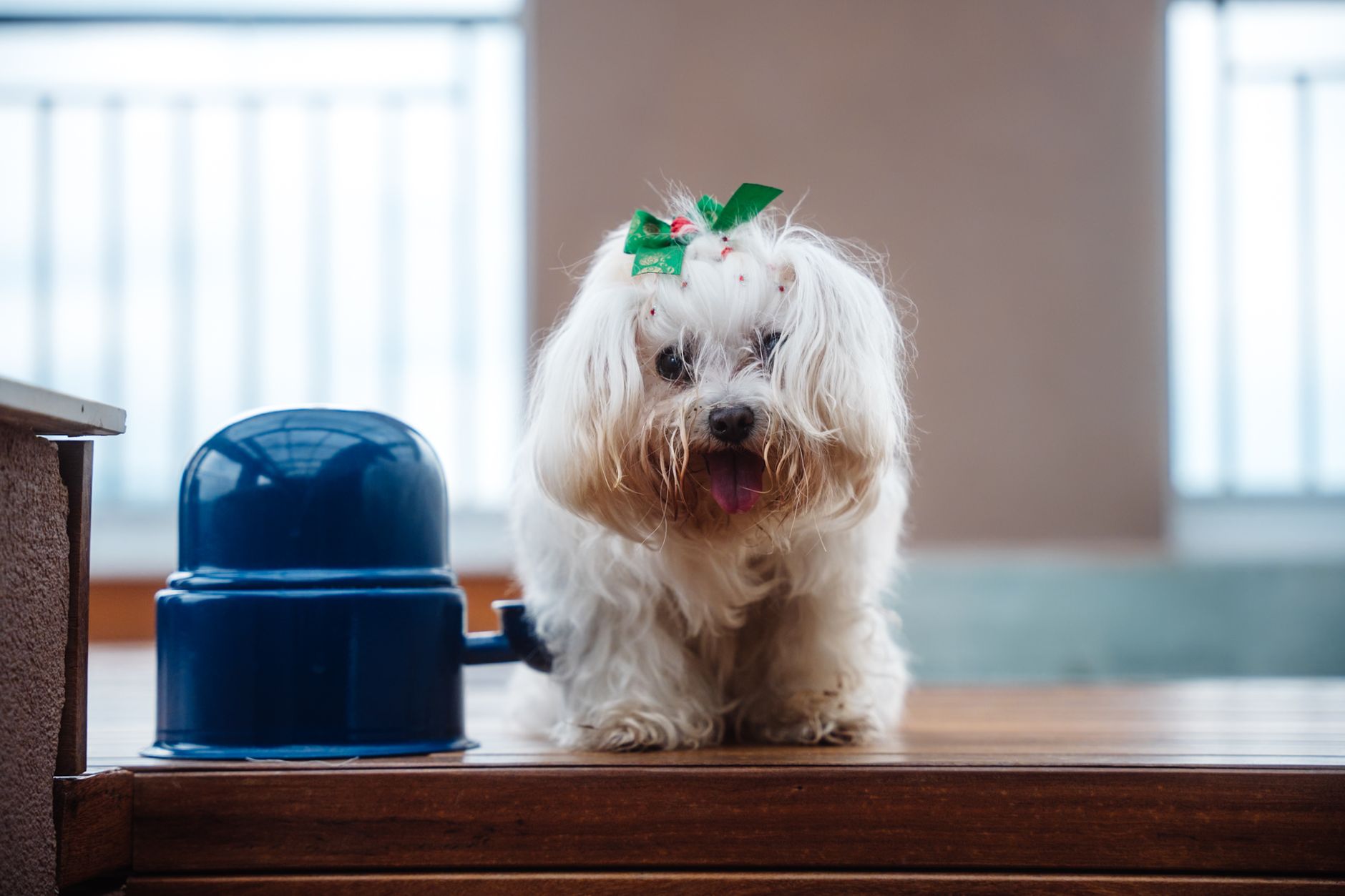
Maltese dogs are small, affectionate companions, but their delicate digestive systems can be easily upset. Diarrhea, gas, vomiting, or a general stomach ache are common issues that can leave both you and your pup feeling miserable. Knowing what to look for and how to respond can make a big difference in your Maltese’s comfort and recovery.
Several factors can trigger gastrointestinal distress in Maltese. According to iHeartDogs, causes include viruses (such as parvovirus in puppies), eating inappropriate foods (especially fatty foods), food allergies or intolerances, swallowing foreign objects, sudden food changes, medication side effects (especially antibiotics), intestinal parasites, poisons or toxins, pancreatitis, chronic diseases like IBD, and stress from boarding, vet visits, or rehoming.
When your Maltese has an upset stomach, it’s important to note the color and consistency of their poop or vomit and take a picture to show your veterinarian. If diarrhea or vomiting is persistent, severe, or accompanied by other concerning symptoms, contact your vet immediately.
In this article, we’ll cover home remedies like fasting and a bland diet, supplements that support gut health, and when to seek professional help. With the right approach, you can help your Maltese feel better faster.
Home Remedies: Fasting and Bland Diet
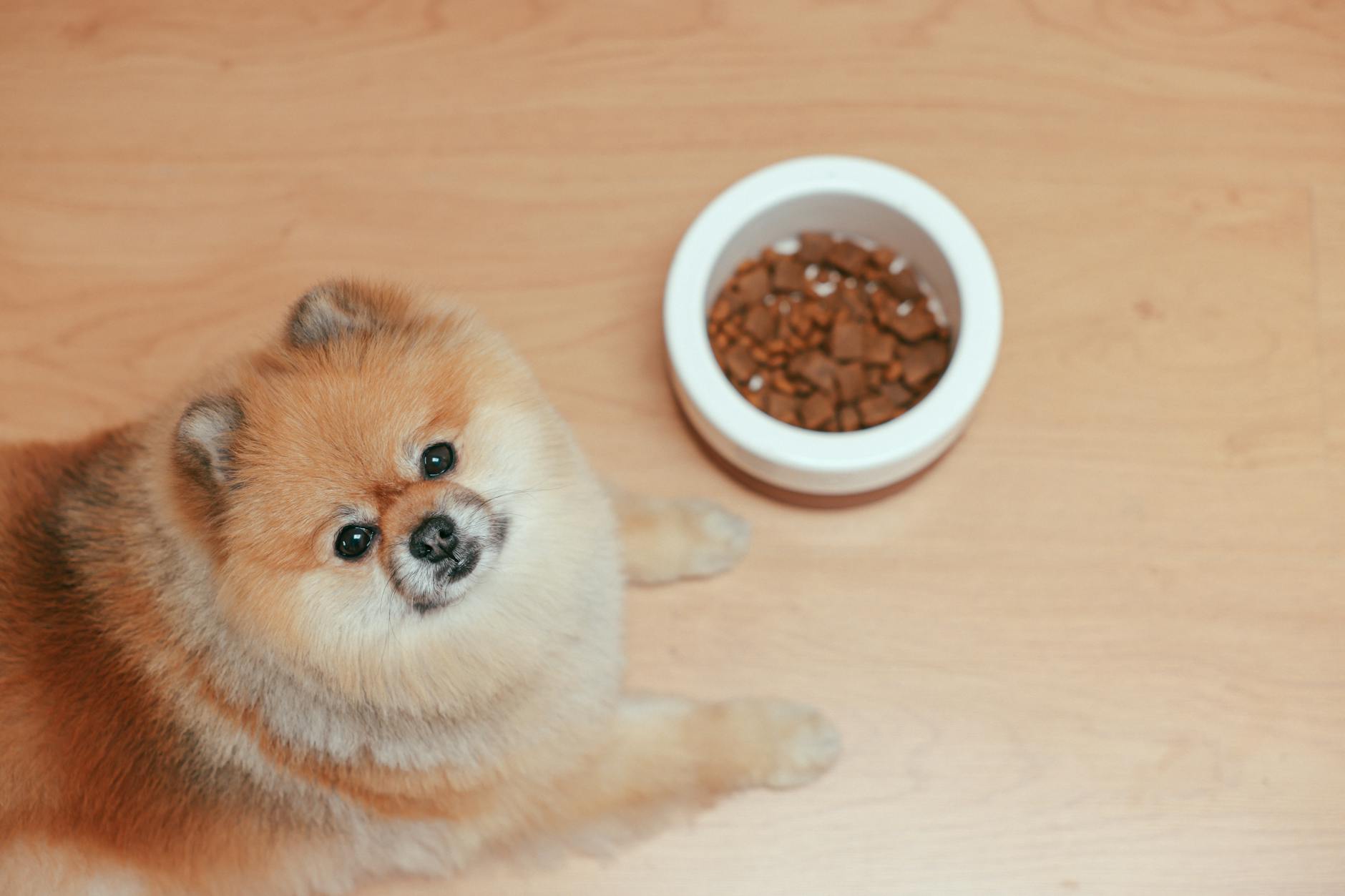
When your Maltese is dealing with diarrhea, vomiting, or an upset stomach, one of the first steps you can take at home is a short fast. According to iHeartDogs, fasting a Maltese for 12–24 hours can allow the gastrointestinal tract to heal and reset. However, hydration must be maintained without allowing excessive drinking at once. This means offering small, frequent sips of water rather than letting your dog gulp down a large bowl, which could trigger more vomiting. If your dog is reluctant to drink, try hydrating dry dog kibble with a little warm water to encourage fluid intake once they’re eating again.
After the fast, a bland diet is recommended to gently reintroduce food. The classic approach is boiled, unseasoned, skinless white meat chicken shredded over plain white rice. For dogs on grain-free diets, you can substitute mashed overripe banana or canned pumpkin. This simple meal is easy on the stomach and provides essential nutrients without irritating the digestive tract. If your Maltese has recurring stomach issues, you may need to explore the best dog food for sensitive stomachs for long-term management.
Feeding schedule matters. iHeartDogs advises feeding a few spoonfuls of the bland diet every 2–3 hours and gradually increasing the quantity over 24 hours. Once your Maltese is holding down food and showing improvement, you can slowly reintroduce their regular food. The transition should be gradual: start with a mix of 75% bland diet and 25% regular food, then move to 50/50, and finally 75% regular and 25% bland before returning fully to their normal meals. This slow reintroduction helps prevent a relapse and allows your dog’s system to adjust.
Always monitor your Maltese during this process. If symptoms worsen or don’t improve, consult your veterinarian.
Supplements for Gut Health: Probiotics, Prebiotics, and Digestive Enzymes
Supplements can play a crucial role in restoring and maintaining your Maltese’s digestive health. According to iHeartDogs, multi-strain probiotics can help maintain a balanced digestive system and support gut health, especially after diarrhea disrupts gut bacteria. Probiotics are also useful when transitioning your Maltese to a new food. The recommendation is to give a probiotic for a week before introducing new food, then slowly increase the new food while continuing the old food and probiotic until the transition is complete. Additionally, antibiotics destroy both good and bad bacteria, so giving a probiotic during antibiotic treatment helps replenish good strains. Probiotics can even help reduce smelly gas in Maltese—a common concern also seen in breeds like the French Bulldog, as discussed in why does my French Bulldog fart so much.
Prebiotics are another valuable tool. iHeartDogs notes that prebiotics such as canned pumpkin puree (not pie filler), slippery elm, chia seeds, and plantains promote the growth of beneficial microorganisms. Each has specific benefits: pumpkin adds fiber to bulk stool, slippery elm coats and soothes mucus membranes, chia seeds absorb excess water, and plantains have antimicrobial properties. These can be added to your dog’s food in appropriate amounts, but always check with your vet for dosing. For more gut-friendly ingredients, see superfoods to feed them now.
Digestive enzymes are also important. They help break down and absorb nutrients. According to iHeartDogs, protease breaks down proteins into amino acids, amylase breaks down starches into carbohydrate molecules, lipase breaks down fats, and cellulase breaks down fiber from plants and grains. A good digestive enzyme supplement for dogs should include all four enzymes: protease, amylase, lipase, and cellulase. This comprehensive blend ensures your Maltese can properly process their food and absorb vital nutrients.
Before starting any supplement, consult your veterinarian to ensure it’s appropriate for your dog’s specific condition.
When to See a Veterinarian: Causes and Warning Signs
While many cases of diarrhea, gas, or vomiting in Maltese can be managed at home, there are times when professional help is essential. Understanding the potential causes and warning signs can help you decide when to call the vet.
According to iHeartDogs, causes of diarrhea and vomiting in Maltese include viruses (e.g., parvovirus in puppies), eating inappropriate foods (especially fatty foods), food allergies or intolerances, swallowing foreign objects, sudden food changes, medication side effects (especially antibiotics), intestinal parasites, poisons or toxins, pancreatitis, chronic diseases like IBD, and stress (boarding, vet visits, rehoming). Some of these conditions are serious and require immediate veterinary attention.
One of the most important things you can do is to note the color and consistency of your dog’s poop or vomit and take a picture to show the veterinarian. This information can help your vet make a faster and more accurate diagnosis. If diarrhea or vomiting is persistent, severe, or accompanied by other concerning symptoms, contact a veterinarian. Concerning symptoms might include lethargy, loss of appetite, blood in stool or vomit, dehydration, or pain. Puppies and senior dogs are especially vulnerable and should be seen by a vet promptly if they show signs of digestive distress.
Never hesitate to seek professional advice if you’re unsure. It’s better to be safe and have your Maltese examined than to wait and risk worsening their condition.
Comparing Remedies and Supplements
| Remedy/Supplement | Best For | How to Use | Key Benefit |
|---|---|---|---|
| Fasting (12–24 hrs) | Acute vomiting/diarrhea | Small sips of water; no food | Allows GI tract to reset |
| Bland diet (chicken & rice) | Reintroducing food | Few spoonfuls every 2–3 hrs | Gentle on stomach |
| Probiotics | Diarrhea, gas, antibiotic recovery | Daily, especially during food transitions | Restores good bacteria |
| Prebiotics (pumpkin, slippery elm, chia, plantain) | Stool consistency, gut lining | Add to food per vet dosing | Supports beneficial microbes |
| Digestive enzymes | Nutrient absorption | Supplement with meals | Breaks down protein, fat, carbs, fiber |
| Vet visit | Severe or persistent symptoms | Immediately if warning signs | Diagnosis and targeted treatment |
FAQs About Maltese Digestive Health
Q: How long should I fast my Maltese? A: According to iHeartDogs, fasting a Maltese for 12–24 hours can allow the gastrointestinal tract to heal and reset, but hydration must be maintained without allowing excessive drinking at once.
Q: What should I feed my Maltese after fasting? A: A bland diet of boiled, unseasoned, skinless white meat chicken shredded over plain white rice is recommended. For grain-free diets, substitute mashed overripe banana or canned pumpkin.
Q: How often should I feed the bland diet? A: Feed a few spoonfuls every 2–3 hours and gradually increase the quantity over 24 hours. Then slowly reintroduce regular food using 75% bland/25% regular, then 50/50, then 75% regular/25% bland mixes.
Q: Can probiotics help my Maltese’s gas? A: Yes, according to iHeartDogs, probiotics can help reduce smelly gas in Maltese.
Q: What should I do if my Maltese’s diarrhea doesn’t improve? A: If diarrhea or vomiting is persistent, severe, or accompanied by other concerning symptoms, contact a veterinarian. Always note the color and consistency of poop or vomit and take a picture to show the vet.
Q: Are there natural prebiotics I can give? A: Yes, prebiotics such as canned pumpkin puree (not pie filler), slippery elm, chia seeds, and plantains promote growth of beneficial microorganisms. Each has specific benefits like adding fiber, soothing membranes, absorbing excess water, or providing antimicrobial properties.
Q: What enzymes should a digestive supplement contain? A: A good digestive enzyme supplement for dogs should include all four enzymes: protease, amylase, lipase, and cellulase.
Q: How can I prevent future digestive upsets? A: Avoid sudden food changes, steer clear of fatty table scraps, and consider a diet suited to sensitive stomachs. For diet comparisons, see raw dog food vs. dry kibble and learn about dangerous mistakes you're making with your dog's food. If you’re exploring alternatives, freeze-dried raw dog food for sensitive stomachs and human-grade dog food with clear ingredient sourcing may be worth discussing with your vet.
Source: iHeartDogs