Stop Feeding The Vet Bills: The Ugly Truth About Freeze-Dried Raw Dog Food For Sensitive Stomachs
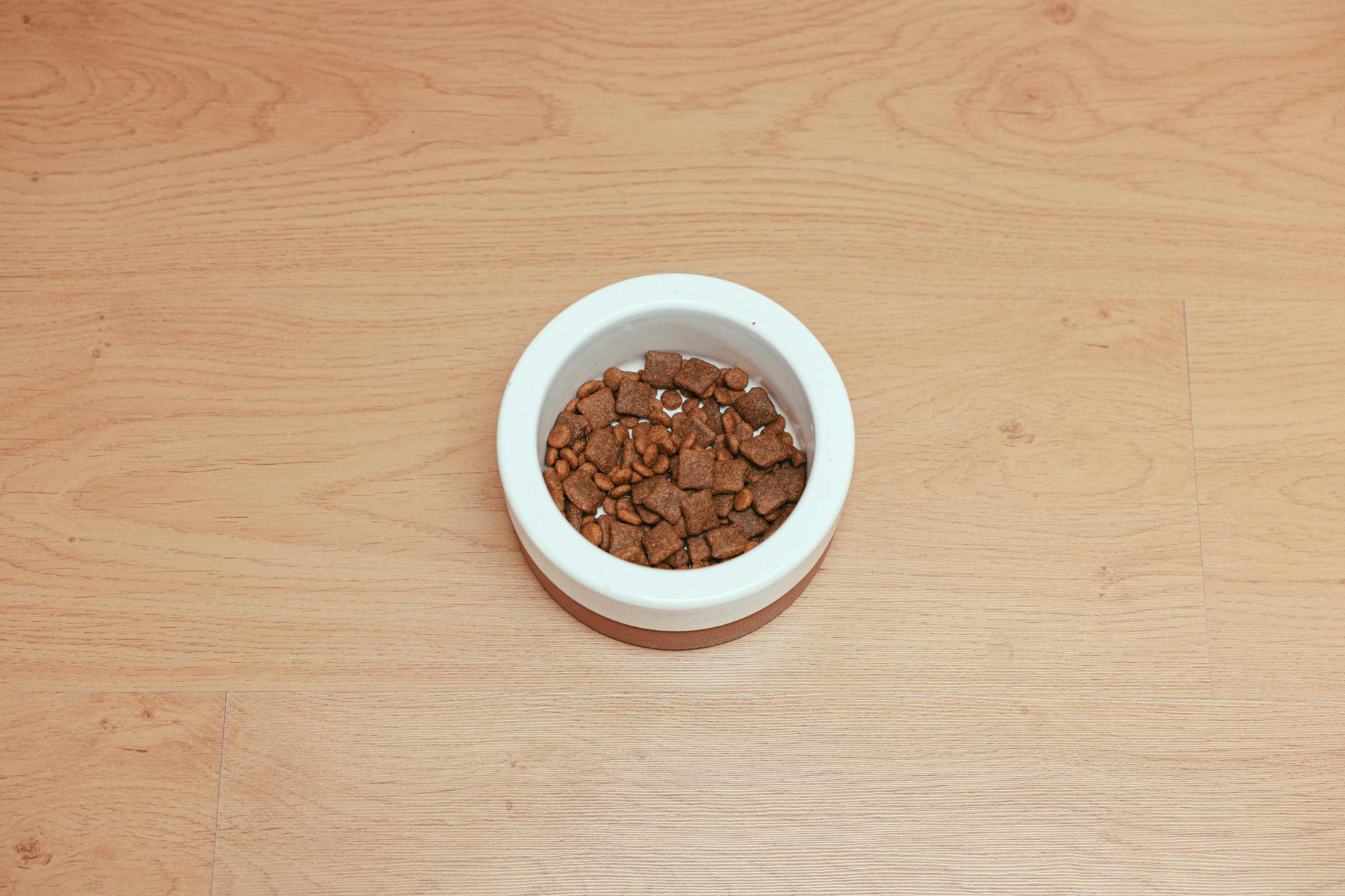
Waking up to the sound of a dog retching or scrubbing liquid diarrhea out of the living room carpet is a living nightmare for dedicated pet parents. Relying on heavily processed, starchy kibbles to fix chronic gastrointestinal distress acts like throwing gasoline on an inflammatory fire, leading to massive veterinary bills and exhausted dogs. The absolute best solution to permanently heal a compromised digestive tract is transitioning to freeze-dried raw dog food for sensitive stomachs. By completely eliminating synthetic binders and preserving natural digestive enzymes through cold sublimation, this diet instantly cools systemic gut inflammation and restores perfectly firm stools.
Why Do Dogs Develop Sensitive Stomachs On Kibble?
The commercial pet food industry relies on violent, high-heat extrusion to manufacture those convenient brown pellets sitting in the pantry. This extreme temperature absolutely destroys naturally occurring digestive enzymes and creates highly dangerous compounds known as Advanced Glycation End-products (AGEs). When a dog eats heavily oxidized AGEs every single day, their fragile intestinal lining becomes chronically inflamed and highly permeable.

This condition, commonly known as leaky gut syndrome, allows undigested food particles to enter the bloodstream directly, triggering severe systemic allergies and unpredictable bowel movements. One highly realistic case involved a young, athletic Staffy suffering from explosive diarrhea for six consecutive months while eating expensive, veterinary-prescribed kibble. The exact week this dog transitioned to a pure, limited-ingredient freeze-dried raw diet, the chronic diarrhea vanished completely, and the dog finally began absorbing vital nutrients.
🚨 Vet Fact: Extruded dry kibble requires incredibly high carbohydrate levels—often reaching up to fifty percent—just to hold the physical pellet shape together. The canine pancreas is not biologically designed to produce enough amylase to process these massive carbohydrate loads, leading directly to chronic stomach upset and painful gas.
What Is Freeze-Dried Raw Dog Food Exactly?
Many pet parents falsely assume that freeze-dried food is the exact same thing as dehydrated treats or heavily baked meat jerky. Dehydration uses low heat to bake moisture out of the meat, which unfortunately still damages delicate amino acids and kills beneficial bacteria. Freeze-drying utilizes a highly advanced, zero-heat scientific process called sublimation to remove moisture while keeping the cellular structure intact.
Raw muscle meat, crushed bone, and vital organs are flash-frozen, and then placed inside a powerful vacuum chamber. The moisture turns directly from solid ice into a vapor without ever passing through a liquid phase, completely bypassing the need for destructive heat. The final product retains ninety-nine percent of its original, raw nutritional profile while remaining perfectly shelf-stable in the kitchen pantry.
How Does Freeze-Dried Raw Help Sensitive Stomachs?
Here is an advanced biological insight that generic pet food marketing intentionally hides from frustrated dog owners regarding canine digestion. Raw meat naturally contains the exact intracellular enzymes required to break down that specific tissue inside the canine stomach. When heat destroys these enzymes during kibble manufacturing, the dog's pancreas is forced to work in absolute overdrive to produce synthetic replacements.
Freeze-dried raw dog food for sensitive stomachs acts as a pre-digested miracle for a highly fatigued, highly inflamed gastrointestinal tract. Because the natural enzymes survive the cold sublimation process, the food effectively digests itself once it hits the canine stomach acid. This gives the overworked canine pancreas a massive, mandatory vacation, drastically reducing the severe abdominal cramping that plagues sensitive breeds like Frenchies.
🐾 Snoutbit Pro-Tip: Never serve freeze-dried nuggets completely dry to a dog struggling with severe digestion or kidney issues. Always rehydrate the food with warm, unsalted bone broth for ten minutes before serving to pre-activate the dormant enzymes and provide massive cellular hydration.
Do Extreme Climates Affect Canine Digestion?
Local environmental extremes act as massive, hidden multipliers for dietary distress and systemic body inflammation in active working breeds. During the brutal, sweltering heat of an Australian outback summer or a highly humid US August, a dog's cardiovascular system diverts critical blood flow away from the stomach. Digesting heavy, starchy kibble during a heatwave dramatically elevates canine core temperatures, making digestion sluggish and incredibly uncomfortable.
Rehydrated freeze-dried raw food contains up to seventy percent natural moisture, providing vital internal cooling and requiring almost zero metabolic effort to process. While robust working breeds like Australian Kelpies normally handle heat well, moisture-rich raw meals actively prevent dangerous summer dehydration and heatstroke.
Furthermore, notorious regional tick seasons frequently force energetic dogs onto intense oral preventatives that actively disrupt delicate gut microbiomes. Providing a highly digestible, biologically appropriate diet keeps the gut flora totally stabilized while the canine immune system processes these necessary seasonal medications. A highly stabilized gut microbiome successfully blocks toxins from entering the bloodstream, keeping the dog entirely resilient against parasitic threats.
What Are The Best Proteins For Allergy-Prone Dogs?
Dogs are rarely allergic to "dog food" as a broad category; their immune systems are simply hyper-reacting to the specific, overused proteins inside the bag. Mass-produced chicken and factory-farmed beef are the two leading culprits driving severe canine dietary allergies globally across all breeds. Swapping to a clean, novel protein completely bypasses this overactive immune trigger, flying entirely under the body's defensive radar.
- Kangaroo: Extremely popular across Australia, this ultra-lean, wild-caught meat is entirely free of factory-farm antibiotics and works absolute miracles for highly reactive guts.
- Rabbit: An incredibly cooling, highly digestible protein in traditional veterinary medicine that rarely triggers inflammatory skin reactions or loose stools.
- Venison: Provides vital, skin-soothing amino acids without the massive inflammatory load associated with cheap, feed-grade beef products.
🚨 Vet Fact: True food allergies in canines almost always manifest physically on the skin before they ever cause diarrhea or vomiting. If a Golden Retriever constantly licks their front paws or suffers from chronic ear yeast infections, the primary protein in the food bowl is the absolute prime suspect.
How Does Freeze-Dried Raw Compare To Fresh Cooked Food?
Fresh, gently cooked dog food delivery services are incredibly popular for sensitive stomachs, but they still utilize heat during the manufacturing process. While infinitely better than extruded kibble, any application of cooking heat inherently damages heat-sensitive vitamins and denatures complex amino acids. Freeze-dried raw dog food for sensitive stomachs requires zero thermal cooking, preserving the absolute highest level of bioavailable nutrients possible outside of a whole-prey diet.
Furthermore, managing subscriptions for frozen, fresh food requires massive amounts of dedicated freezer space and tedious daily thawing schedules. Freeze-dried nuggets offer the exact same elite, human-grade nutritional benefits but remain completely shelf-stable in a standard pantry environment. This makes raw feeding highly accessible for busy households and an absolute necessity for owners traveling frequently with their athletic dogs.
Can You Mix Freeze-Dried Raw With Dry Kibble?
Mixing raw meat and dry kibble inside the exact same bowl is a massive, widely practiced mistake that triggers severe abdominal pain. Raw meat requires a highly acidic stomach environment (around pH 1.5) to dissolve bone safely and neutralize dangerous surface bacteria. Starchy dry kibble artificially raises the stomach pH, creating a dangerously alkaline environment that completely fails to process raw proteins safely.
This biological clash creates a phenomenon known as "Microbiome Shock," resulting in toxic gas, massive bloating, and immediate vomiting. A recent consultation involved a frustrated French Bulldog owner who attempted to sprinkle expensive raw nuggets over cheap kibble as a "flavor booster." The conflicting digestive rates caused the food to ferment inside the lower intestine, clearing the living room with foul flatulence until the diets were strictly separated into morning and evening meals.
How To Transition Safely To Freeze-Dried Raw Food?
Abruptly switching a dog’s primary fuel source is a guaranteed recipe for a massive, messy digestive disaster, regardless of the new food's exceptional quality. The canine gut microbiome requires significant time to physically alter its bacterial composition to break down raw, unadulterated muscle meat safely. Extreme patience and a meticulous, mathematically precise transition schedule are the ultimate keys to a successful, tear-free dietary change.
- Days 1-3: Feed 75 percent of the old kibble for the morning meal, and offer 25 percent rehydrated raw food exclusively for the evening meal.
- Days 4-6: Move to an exact 50/50 split across separate meals, monitoring stool quality closely for any signs of mucus or looseness.
- Days 7-9: Increase the raw food to 75 percent, utilizing the old kibble simply as a tiny morning snack.
- Day 10: Complete the transition to a 100 percent freeze-dried raw dietary regimen.
Utilizing Slippery Elm Bark powder three days before the transition even begins acts as a phenomenal, advanced digestive hack. This natural botanical actively coats and soothes the fragile intestinal lining, creating a defensive barrier against the rich, new ingredients. Adding a robust, multi-strain canine probiotic during the transition actively assists the lower intestine in building the brand-new bacterial colonies required for raw digestion.

🐾 Snoutbit Pro-Tip: Store all freeze-dried raw food inside an airtight, dark glass container in a cool, heavily climate-controlled pantry. Even though the moisture is removed, high-quality animal fats can still oxidize and turn rancid if exposed to direct sunlight and heavy humidity.
What To Do Next
Resolving chronic canine digestive issues does not require endless daily anxiety or expensive, lifelong pharmaceutical prescriptions. Embracing the ancestral science of freeze-dried raw dog food for sensitive stomachs provides a highly digestible pathway to permanent physical relief and pristine gut health.
Here are two simple, immediate steps to take today to explore this dietary revolution:
- Conduct An Ingredient Audit: Grab the current bag of dog food right now and read the first three ingredients on the back panel. If the list contains "chicken by-product meal," "corn gluten," or unnamed "meat meals," throw it away and begin researching a limited-ingredient, freeze-dried raw alternative.
- Purchase A Trial Bag: Order a small, two-pound bag of a novel protein freeze-dried formula, like rabbit or kangaroo, this afternoon. Rehydrate exactly three nuggets with warm water and use them exclusively as high-value training treats this weekend to test the dog's palatability and initial digestive response.
Disclaimer: The content on Snoutbit.com is for informational and educational purposes only and is not intended to replace professional veterinary advice, diagnosis, or treatment. Always consult with your veterinarian before making significant changes to your dog’s diet, exercise routine, or health regimen.