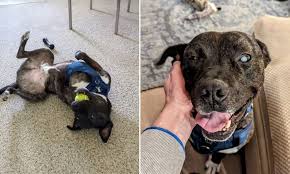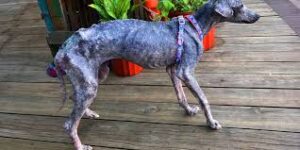
The heartbreaking Jamie-Lea Biscoe Essex dog attack news update confirms that the 19-year-old was tragically killed inside her Leaden Roding home by her seven-year-old Lurcher cross, Shy. The biggest takeaway from this devastating event is that severe aggression can erupt from deeply trusted, non-bully family pets without any prior bite history.Protecting a household requires recognizing silent stress signals, implementing strict physical boundaries, and never leaving vulnerable family members alone with an animal experiencing sudden behavioral shifts.
Waking up to the devastating headline of a young woman losing her life to a childhood dog shatters the illusion of suburban safety. The terrifying reality is that a dog sleeping at the foot of the bed can suddenly inflict fatal injuries. Preventing these absolute nightmares requires entirely abandoning the dangerous myth that a family pet would never bite and actively learning the hidden signs of canine distress.
What Happened In The Jamie-Lea Biscoe Essex Dog Attack News Update?
The tragic events unfolded on a Friday night when a father returned to his rural Essex home to discover his daughter suffering from catastrophic neck injuries. The family pet, a seven-year-old Lurcher cross that had been raised from a seven-week-old puppy, had inexplicably turned violently aggressive. While attempting to perform emergency CPR on the victim, the grieving father was also attacked, resulting in the dog biting off a portion of his ear.

Authorities immediately seized the animal, and the father issued a chilling public warning regarding the blind trust humans place in household pets. He expressed that he trusted the animal completely with his life, only to suffer an unimaginable, devastating loss. This shatters the widespread assumption that only specific, stereotypically dangerous breeds cause fatalities.
How Did A Trusted Family Pet Turn Deadly?
The ongoing police investigation serves as a massive wake-up call for dog owners globally to reevaluate handling practices. Lurchers are traditionally bred for high-speed coursing and possess an intense, deeply ingrained prey drive. However, they are generally known for their affectionate, docile household temperaments.
The sudden, uncharacteristic violence from a seven-year-old dog heavily suggests a catastrophic breakdown in the animal’s internal stress threshold. A dog does not simply wake up and decide to maliciously hunt a beloved family member without severe, underlying biological or psychological triggers.
🚨 Vet Fact: Sudden, explosive aggression in a mature, previously friendly dog is frequently linked to hidden physiological pain, such as severe osteoarthritis or undiagnosed neurological conditions.
Why Do Family Dogs Suddenly Attack Their Owners?
Understanding canine psychology requires completely stripping away human emotions and viewing the home environment through the lens of a predatory animal. Dogs experience an advanced psychological phenomenon known as trigger stacking, where minor, stressful events accumulate throughout the day like water filling a cup. When that biological cup finally overflows, the dog experiences a complete behavioral meltdown, resulting in a seemingly unprovoked, explosive attack.

A dropped pot in the kitchen, a loud delivery truck, and a sudden physical embrace can easily stack to create a dangerous, uncontrollable panic response. Once the threshold is breached, the brain enters a primal state of survival, completely shutting down all logical thought and trained obedience. Recognizing the subtle warning signs before that internal cup overflows is the absolute only way to prevent a catastrophic bite.
Can Sleeping In Bed Increase Dog Aggression?
The devastated father specifically noted that the Lurcher regularly slept on the victim’s bed, highlighting a highly dangerous, frequently ignored behavioral dynamic. Allowing a dog free access to elevated, highly valuable sleeping areas frequently encourages severe resource guarding behaviors. When a dog claims a bed as exclusive territory, simply shifting the blankets or rolling over in the dark can trigger a defensive, highly violent reaction.
Establishing strict physical boundaries is absolutely essential for maintaining a safe, respectful relationship with any powerful canine companion.
- Create a designated, comfortable sleeping space strictly on the floor using a high-quality orthopedic bed.
- Never physically force a sleeping dog to move by pushing or pulling their body; always use a cheerful verbal cue and a high-value treat to lure them off the furniture.
- Completely ban access to human beds for dogs displaying even minor signs of stiffness, growling, or intense staring when approached.
🐾 Snoutbit Pro-Tip: Implement the “Consent Test” before initiating any physical affection. Pet the dog for exactly three seconds, stop entirely, and wait; if the dog leans in for more contact, they are comfortable, but if they look away or freeze, immediately step back.
What Are The Silent Signs Of Canine Stress?
The media frequently labels these horrific attacks as coming completely out of nowhere, but canine behaviorists know that dogs always communicate their discomfort before using their teeth. The human failure lies in completely ignoring the subtle, silent body language cues that precede an aggressive outburst. Providing advanced information regarding these hidden signals is critical for household safety.
Here are three highly specific, advanced insights regarding pre-bite canine communication:
- The Hard Stare: A dog locking their eyes onto a target without blinking, frequently accompanied by a completely rigid body, is a massive, immediate warning to back away.
- Whale Eye: If a dog turns their head slightly away but keeps their eyes fixed on the human, exposing the stark white sclera, they are incredibly anxious and feeling physically trapped.
- The Pre-Bite Freeze: Right before a devastating lunge, a dog will often hold their breath and freeze completely solid for several agonizing seconds, indicating an imminent, explosive reaction.

Does Breed Determine Bite Risk?
The Jamie-Lea Biscoe Essex dog attack news update brutally reinforces the reality that severe bites are not exclusive to heavily scrutinized breeds. While massive media attention constantly focuses on XL Bullies and Pitbull types, a Lurcher cross possesses the exact same biological capability to inflict fatal wounds. Any animal equipped with powerful jaws and sharp teeth can become incredibly dangerous if their nervous system is pushed beyond its absolute limit.
Whether raising an energetic Australian Kelpie, a muscular Staffy, or a famously gentle Golden Retriever, pet parents must respect the predatory nature of the animal. Breed genetics dictate specific drives, like herding or retrieving, but absolutely zero breeds are magically immune to experiencing intense fear. Assuming a dog is entirely safe simply because of a breed label creates a highly dangerous, false sense of household security.
🚨 Vet Fact: The canine brain processes physical pain identically to humans, but dogs mask their symptoms instinctively to avoid appearing vulnerable to predators in the wild.
How Do Environmental Factors Trigger Aggression?
Local environmental extremes act as massive, hidden multipliers for canine physical distress and subsequent reactive behaviors. During the brutal, sweltering heat of an Australian outback summer or a highly humid US August, a dog’s frustration tolerance plummets drastically. Thermal stress forces the canine body to focus entirely on basic survival, making them incredibly irritable, highly unpredictable, and far more likely to react aggressively to minor annoyances.
Furthermore, heavy coastal tick seasons frequently expose energetic dogs to severe, debilitating vector-borne diseases that cause massive joint pain and lethargy. A dog suffering from the hidden agony of a tick-borne illness will instinctively use aggressive lunging to protect their fragile body from human touch. Maintaining strict preventative healthcare and keeping dogs perfectly cool during heatwaves actively prevents the physical discomfort that often leads to tragic bites.
How Can Owners Prevent Fatal Dog Attacks At Home?
Preventing a terrifying home invasion of aggression requires absolute vigilance, structured routines, and a deep, unwavering respect for canine boundaries. Treating dogs like human children completely ignores biological needs and sets the entire household up for catastrophic failure. Dogs require clear leadership and absolute consistency to feel truly secure in their domestic environment.
- Always provide a secure, covered crate where the dog can retreat completely undisturbed when feeling overwhelmed by household chaos.
- Never allow young children or vulnerable adults to lie directly on the floor at eye level with a large, powerful breed.
- Instantly seek professional behavioral intervention the very first time a dog growls over a food bowl or a stolen household item.
🐾 Snoutbit Pro-Tip: Ditch the outdated concept of alpha dominance training, which uses physical intimidation to force compliance. Utilizing aggressive physical corrections on an already stressed dog actively pours gasoline on a burning fire, guaranteeing a violent, defensive bite in the near future.
What To Do Next
The devastating loss of a young life serves as a highly tragic, permanent reminder of the immense responsibility required to share a home with an animal. Honoring this heartbreaking event means actively changing the way households interact with, monitor, and respect their beloved four-legged companions.
Here are two simple, immediate steps to take today to secure the household:
- Audit The Sleeping Arrangements: Evaluate exactly where the dog sleeps tonight. If the dog exhibits any minor resource guarding over the human bed, immediately restrict bedroom access and establish a highly comfortable, independent sleeping area in a separate room.
- Schedule A Veterinary Pain Assessment: Book a comprehensive physical exam this week for any senior dog displaying sudden grumpiness or a reluctance to be touched. Identifying and treating hidden physiological pain is the absolute fastest way to safely eliminate uncharacteristic, sudden aggressive behaviors.
Disclaimer: The content on Snoutbit.com is for informational and educational purposes only and is not intended to replace professional veterinary advice, diagnosis, or treatment. Always consult with your veterinarian before making significant changes to your dog’s diet, exercise routine, or health regimen.