Does the dog constantly bark at the front window, pull violently on the daily walk, or aggressively guard their favorite food bowl? Constantly fighting these highly frustrating behaviors using outdated, punishment-based dominance theories leaves both the human and the canine completely exhausted and deeply emotionally defeated. The definitive solution requires entirely abandoning forceful corrections and actively embracing the exact behavioral science highlighted throughout the Susan Friedman behavior conference circuit in 2026.
Dr. Susan Friedman is a legendary pioneer in the field of Applied Behavior Analysis (ABA) for captive and companion animals. Through her highly acclaimed Living and Learning with Animals (LLA) course and her heavily attended 2026 keynote presentations at major industry events, she completely shifts the training paradigm. Her teachings heavily emphasize that animals are not stubborn robots requiring harsh physical compliance; they are highly intelligent learners who desperately need the power to operate effectively within their environment.
The BehaviorWorks 2026 Blueprint: Overview Mind Map
- The Functional Assessment: Moving entirely away from labeling a dog as “spiteful” and heavily focusing on the physical environmental triggers causing the reaction.
- The Humane Hierarchy: A strict, ethical roadmap demanding trainers utilize the absolute least intrusive, most positive methods available before ever considering aversive pressure.
- The ABC Framework: Breaking every single action down into Antecedents (triggers), Behaviors (actions), and Consequences (outcomes).
- Learner Agency: Understanding exactly why giving a dog highly predictable choices drastically reduces severe anxiety and eliminates learned helplessness.
Advanced Insight 1: Mastering The ABCs of Behavior Change
Generic dog training blogs frequently instruct handlers to simply punish a bad action the exact second it occurs. Elite behaviorists attending Susan Friedman’s 2026 lectures understand that a behavior absolutely never happens in a complete vacuum. Every single canine action is sandwiched tightly between two highly critical environmental events: the Antecedent and the Consequence.
The Antecedent is the highly specific environmental trigger that directly precedes and prompts the behavior, like a loud doorbell ringing. The Behavior is the dog’s physical response, such as frantically barking and violently lunging at the front door. The Consequence is the immediate environmental feedback the dog receives, which heavily determines if the dog will ever repeat the exact same behavior in the future.
To effectively change an unwanted action, handlers must absolutely stop exclusively focusing on the behavior itself. Elite trainers actively manipulate the Antecedent by placing a sturdy baby gate near the door, heavily preventing the dog from rehearsing the chaotic lunging. Simultaneously, the handler alters the Consequence by heavily rewarding the dog with premium roast beef for choosing to sit quietly on a designated floor mat.
🐾 Snoutbit Pro-Tip: Never attempt to teach a highly complex alternative behavior while the dog is actively reacting to a terrifying trigger. True behavioral change absolutely requires training the new response in a completely quiet, highly sterile environment long before the actual Antecedent ever appears.
The Reality of Shelter Rehabilitation
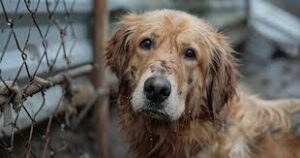
Consider the highly intense environment of busy rescue facilities like Wenny’s shelter in Malaysia, where dedicated volunteers actively manage highly traumatized strays. Many abandoned dogs arriving from highly neglected street environments exhibit severe defensive aggression simply because it is the absolute only survival tool they have ever known. These desperate animals aggressively defend their space because previous environments taught them that human approach resulted in severe physical pain.
Volunteers thoroughly trained in Dr. Friedman’s ABA principles absolutely never physically force these terrified dogs out of the kennels. Instead, they utilize the ABC framework to completely rewrite the dog’s environmental expectations. The handler approaches the kennel (Antecedent), the dog quietly looks at the human instead of growling (Behavior), and the handler instantly tosses a high-value piece of chicken through the bars (Consequence).
Successfully resolving severe fear requires immense human patience and absolutely flawless, zero-tolerance environmental boundaries. Over time, the rescue dogs completely realize the human presence strictly predicts massive biological payouts. The heavy territorial tension naturally dissolves entirely without the use of a single harsh leash correction.
Advanced Insight 2: The Humane Hierarchy
A massive cornerstone of the Susan Friedman behavior conference curriculum is the incredibly strict adherence to the Humane Hierarchy. This highly ethical framework was explicitly designed to heavily guide animal professionals through the absolute safest, most ethical behavior-change interventions. It legally requires handlers to start with the most positive, least intrusive methods available before ever escalating to more restrictive tools.
The absolute first step on this hierarchy is exclusively evaluating the dog’s physical health, nutritional needs, and daily environment. A massive percentage of “stubborn” behavior problems are instantly solved simply by treating undiagnosed physical pain or aggressively removing a terrifying trigger from the living room. If health and environment are perfectly optimized, the next step strictly requires building the behavior using massive amounts of positive reinforcement.
Only after highly competent, highly structured positive reinforcement completely fails can a handler ethically consider utilizing mild negative punishment, like briefly withholding a toy. This strict hierarchy completely bans the immediate use of painful shock collars, heavy prong collars, or physical intimidation. It effectively holds the human handler highly accountable for the emotional and physical well-being of the captive learner.
🚨 Vet Fact: Sudden onset behavioral issues in older, previously friendly adult dogs frequently stem from undiagnosed physical pain like severe osteoarthritis or dental disease. The Humane Hierarchy strictly mandates a comprehensive physical examination by a licensed veterinarian to entirely rule out invisible health issues before attempting intensive behavioral modification.
The Seven-Month-Old Puppy Example
Take the highly challenging reality of a seven-month-old mixed breed named Anggu who rapidly developed a severe habit of violently jumping on houseguests. The owners initially attempted to physically knee the young dog in the chest or aggressively yell negative corrections whenever she leaped upward. This completely failed, as the highly energetic puppy simply viewed the physical pushing as a massively exciting wrestling game.
The handlers completely pivoted their training strategy to perfectly align with Dr. Friedman’s LIMA (Least Intrusive, Minimally Aversive) guidelines. Before guests arrived, the handlers proactively managed the environment by safely placing Anggu behind a sturdy visual barrier. When the guests walked inside, Anggu was entirely prevented from practicing the highly self-rewarding jumping behavior.
Within exactly three weeks of strict, highly consistent antecedent arrangement, the massive behavioral shift was absolutely staggering. The handlers slowly introduced guests while asking Anggu to target a specific mat on the floor, heavily rewarding all four paws remaining on the ground. The severe over-arousal was entirely replaced with joyful, highly confident, and perfectly polite greetings.
Advanced Insight 3: The Power of Learner Agency
One of the most highly profound concepts explored during the 2026 behavior conferences is the massive biological necessity of learner agency. Animals absolutely must possess the physical power to operate effectively on their environment to live behaviorally healthy, entirely stress-free lives. When dogs are completely stripped of all physical choices and forcefully micromanaged, they rapidly develop severe learned helplessness and chronic depression.
Elite trainers actively search for highly creative ways to give their dogs complete control over daily outcomes. This can be as incredibly simple as allowing the dog to physically choose which direction to walk during the morning stroll. It also includes teaching advanced cooperative care behaviors, where the dog voluntarily places their chin on a towel to actively consent to nail trims or veterinary brushing.
When a dog realizes they have the ultimate power to simply walk away from a highly stressful situation without facing severe human punishment, their baseline anxiety plummets. This incredible biological freedom heavily builds massive, unshakeable trust between the canine and the human handler. A dog that actively chooses to cooperate is infinitely safer and significantly happier than a dog forced into terrifying physical submission.
🐾 Snoutbit Pro-Tip: Heavily incorporate cooperative play into the daily routine by utilizing two identical toys during a game of fetch. This completely eliminates the highly stressful human demand to drop a toy, allowing the dog the absolute freedom to smoothly trade one highly valued item for another.
Replacing Folk Wisdom With Science
The pet industry remains heavily saturated with completely unregulated buzzwords and highly toxic television personalities promoting outdated dominance myths. The exact scientific data presented at the Susan Friedman behavior conference entirely debunks these highly dangerous folk wisdoms. There is absolutely no biological need to eat before the dog, walk through doors first, or aggressively pin a dog to the floor to establish leadership.

True leadership is flawlessly providing a highly secure, entirely predictable environment where the dog clearly understands exactly how to earn massive rewards. It involves heavily reinforcing the behaviors the handler desperately wants to see while brilliantly managing the environment to prevent frustrating errors.
By actively shifting the focus to observable behavior rather than hypothetical mental mechanisms, handlers can rapidly solve complex issues. The science of behavior analysis proves that reinforcement directly drives future actions. If an owner successfully catches their dog performing a highly desirable action and instantly pays heavily for it, that specific behavior will inevitably increase.
What To Do Next
- Execute an ABC Audit: Grab a notebook today and meticulously document the exact Antecedents and Consequences of the dog’s absolute most frustrating behavior. Actively identifying the specific environmental trigger and the exact reward the dog receives perfectly prepares the handler to safely alter the environment tomorrow morning.
- Audit the Daily Agency: Spend exactly ten minutes today identifying three highly specific areas where the dog can safely make their own daily choices. Actively allowing the dog to confidently select which toy to play with or which path to explore during the evening walk rapidly reduces their baseline cortisol levels and heavily builds massive interspecies trust.
Disclaimer: The content on Snoutbit.com is for informational and educational purposes only and is not intended to replace professional veterinary advice, diagnosis, or treatment. Always consult with your veterinarian before making significant changes to your dog’s diet, exercise routine, or health regimen.