Watching a beloved pet enthusiastically greet their human after a long trip is universally heartwarming. Leaving a dog behind causes massive separation anxiety for devoted pet parents, triggering relentless worry about whether the animal feels abandoned. The definitive solution to this guilt is understanding canine biology and realizing that dogs possess an incredible, unbreakable biological bond with their handlers.
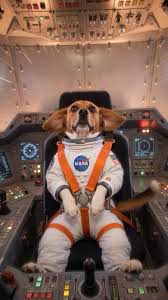
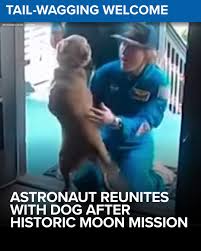
The recent viral Artemis II mission specialist dog reaction perfectly illustrates this unshakeable canine loyalty. When astronaut Christina Koch returned from a historic ten-day lunar orbit, her rescue dog Sadie reacted with pure, unadulterated joy. This beautiful moment provides the ultimate blueprint for analyzing exactly how dogs process reunions and how human behavior directly influences canine emotional regulation.
The Artemis II Canine Reunion: Overview Mind Map
- The Historic Context: A ten-day deep-space mission culminating in an emotional, highly publicized Earthly reunion.
- The Behavioral Display: Frantic circular running, full-body wags, and the classic “toy grab” displacement behavior.
- Olfactory Processing: How Sadie instantly recognized her handler despite the highly unusual scent profile of a spaceflight suit.
- Emotional Mirroring: The profound psychological loop where canine enthusiasm actively matches human emotional release.
🚨 Vet Fact: Dogs possess up to three hundred million olfactory receptors in their noses, compared to a mere six million in human beings. This staggering biological advantage allows canines to instantly identify familiar humans purely by a unique pheromone signature, completely bypassing the need for visual confirmation.
The Heartwarming Artemis II Homecoming
The internet completely exploded when footage surfaced of the Artemis II mission specialist returning home to her highly enthusiastic rescue dog. Christina Koch, having just traveled farther into deep space than almost any human in history, dropped to her knees on the floor. Sadie immediately launched into a massive display of sheer canine joy, completely oblivious to the historical significance of the lunar flyby.
The beautiful rescue dog wildly ran in frantic circles, furiously wagging her tail and instantly searching for a favorite toy. Koch famously joked on social media that Sadie taught her everything needed regarding emotional support. This deeply relatable interaction proves that whether a human travels to the moon or simply to the local grocery store, the canine greeting remains incredibly passionate.
This specific Artemis II mission specialist dog reaction highlights a massive truth about canine cognition. Dogs entirely lack the complex human concept of elapsed time, meaning a ten-day mission feels emotionally similar to a standard ten-hour workday. The intense biological reward system in the dog’s brain simply activates the exact moment the familiar human scent enters the room.
Advanced Insight 1: Scent Memory Over Visuals
Many pet parents mistakenly believe their dogs recognize them primarily through physical appearance. Elite animal behaviorists know this is completely false; dogs are highly macrosmatic, meaning their entire world is heavily constructed through complex scent profiles. When a human returns from a massive journey, their physical clothing is heavily covered in completely alien, unfamiliar environmental odors.
Despite Koch returning in a heavily utilized flight suit covered in highly unusual, sterile spacecraft scents, Sadie showed absolutely zero hesitation. The dog’s highly advanced olfactory bulb flawlessly filtered out the strange environmental odors to instantly detect the specific, familiar biological pheromones underneath. This incredible biological feat demonstrates the absolute sheer power of canine scent memory.
Consider a realistic scenario where a military handler returns from a six-month overseas deployment wearing heavy, unfamiliar tactical gear. The family dog might bark aggressively for a fraction of a second until the wind shifts and the specific human scent reaches their nose. Once the olfactory confirmation occurs, the dog’s brain immediately shifts from defensive stranger danger to massive, uncontrollable joy.
🐾 Snoutbit Pro-Tip: Never attempt to aggressively mask natural body odors with heavy synthetic perfumes or strong colognes right before reuniting with a highly anxious dog. Allowing the dog to physically smell natural, familiar human scent immediately lowers their baseline cortisol levels and rapidly accelerates the emotional calming process.
Advanced Insight 2: The “Toy Grab” Displacement Behavior
During the highly publicized Artemis II reunion, Sadie instantly scrambled to grab a plush toy in her mouth while excitedly greeting her owner. Generic pet blogs completely overlook this fascinating biological mechanism, simply calling it “cute.” Elite behaviorists specifically identify this action as a highly advanced displacement behavior utilized to actively manage severe emotional over-arousal.
When a dog experiences a massive, overwhelming flood of joyful adrenaline, their central nervous system essentially short-circuits. The physical act of biting down heavily on a soft toy brilliantly acts as a biological grounding mechanism. It safely redirects the intense, frantic energy away from dangerous behaviors like violent jumping or accidental arousal biting.
Encouraging this specific toy-grabbing behavior is highly beneficial for dogs suffering from severe greeting excitement. Handlers should always keep a designated, highly durable plush toy stationed perfectly near the front door. By actively tossing the toy the exact second the door opens, the dog receives a safe, physical outlet for their massive dopamine spike.
Advanced Insight 3: The Emotional Support Loop
The caption accompanying the viral video highlighted Sadie’s incredible role as a biological emotional support system. This highlights a highly advanced psychological phenomenon known entirely as the human-canine emotional loop. Dogs are absolute masters of reading subtle human micro-expressions and heavily mirroring internal human emotional states.
When a human returns home feeling completely exhausted but deeply happy, the dog instantly picks up on the massive drop in physical tension. The dog responds with joyful enthusiasm, which in turn causes the human brain to release a massive rush of oxytocin. This powerful hormone heavily lowers human blood pressure and entirely cements the profound, interspecies pack bond.
Take the highly stressful reality of a dedicated rescue volunteer returning home after a brutal twelve-hour shift at a crowded municipal shelter. The human walks through the door feeling entirely drained and emotionally hollow. The exact second their personal dog initiates a full-body tail wag, the human’s toxic cortisol levels plummet, proving the massive therapeutic power of this biological loop.
🚨 Vet Fact: Severe separation anxiety is legally classified as a genuine distress condition, heavily mimicking human panic attacks. If a dog violently destroys property or frantically vocalizes while home alone, these actions represent genuine biological terror rather than spiteful, stubborn misbehavior.
Managing High-Arousal Greetings
While the Artemis II mission specialist dog reaction is beautiful, massive emotional spikes frequently cause problems for less balanced canines. Highly reactive dogs easily cross the biological threshold from joyful excitement into severe, highly dangerous over-arousal. Properly managing a homecoming requires executing strict environmental control and maintaining calm, highly regulated human body language.
Handlers must entirely avoid the massive mistake of utilizing a high-pitched, frantic voice when walking through the front door. Squealing loudly aggressively pours biological gasoline directly onto the dog’s already raging adrenaline fire. The definitive solution is entering the house completely silently, maintaining a highly relaxed physical posture, and entirely ignoring the dog until all four paws remain firmly on the floorboards.
This structured approach completely removes the chaotic tension from the daily reunion sequence. It brilliantly teaches the dog that calm, quiet behavior is the absolute only way to successfully earn physical affection.
The Power of Predictable Routines
Canines thrive entirely on highly rigid, incredibly predictable daily schedules to feel completely secure in their environment. When a primary handler disappears for a long trip, the dog’s entire biological rhythm is violently shattered. Maintaining stability requires the remaining household members to flawlessly execute the exact same daily routine.
Feeding times, outdoor bathroom breaks, and evening enrichment sessions must occur at the exact same minute every single day. This strict adherence to the established schedule provides a massive, highly comforting biological anchor for the confused animal. A predictable environment drastically lowers the dog’s baseline stress, preventing the development of severe neurotic behaviors during the absence.
Leaving behind highly scented, deeply unwashed clothing also provides massive olfactory comfort. A sweaty gym shirt casually tossed onto the dog’s bed creates a continuous, highly secure scent blanket.
🐾 Snoutbit Pro-Tip: To successfully build immense confidence in a highly anxious dog, consistently practice highly structured “fake departures” throughout the week. Actively grab a heavy coat and jangle the car keys, but simply sit right back down on the couch to safely desensitize the terrifying trigger.
Reframing the Guilt of Leaving
Dedicated pet parents frequently experience debilitating emotional guilt whenever boarding a dog for a vacation or a business trip. This heavy guilt frequently causes handlers to engage in highly emotional, incredibly dramatic goodbye sequences. Hugging the dog tightly and crying before leaving the house heavily transfers human anxiety directly into the dog’s central nervous system.
The dog completely misinterprets this intense emotional display as a highly terrifying warning that something completely awful is about to happen. Handlers must firmly establish completely neutral, entirely boring departure routines to keep the dog feeling safe. Simply walking out the door without a single word is the absolute kindest, most biologically appropriate way to exit.
Focusing on the highly joyful reunion is a much healthier mental framework. Preparing a highly engaging puzzle toy filled with premium food right before departing gives the dog a massive positive association. The dog quickly learns that isolation strictly equals a massive biological payout.
What To Do Next
- Execute the Toy Redirection Strategy: Permanently stage a highly durable, incredibly soft plush toy perfectly next to the front door’s interior handle today. Actively toss this specific toy directly toward the dog the exact second you walk inside to safely redirect their massive greeting energy into a focused, physical task.
- Audit the Departure Routine: Completely eliminate all high-emotion, highly dramatic physical goodbyes starting tomorrow morning. Walk out the front door completely silently without making any direct eye contact, heavily ensuring the dog views human departures as completely normal, entirely non-threatening daily events.
Disclaimer: The content on Snoutbit.com is for informational and educational purposes only and is not intended to replace professional veterinary advice, diagnosis, or treatment. Always consult with your veterinarian before making significant changes to your dog’s diet, exercise routine, or health regimen.