Watching the evening news report yet another localized cluster of severe infectious disease easily sends dedicated pet parents into absolute panic mode. The current, unprecedented surge of flea-borne typhus across Los Angeles County—featuring a terrifying ninety percent human hospitalization rate—is deeply alarming. Exhausted dog owners are desperately wondering how to protect their beloved animals and themselves from a microscopic bacterial threat hiding right in the backyard grass.
The definitive solution requires immediately shifting away from basic grocery-store flea collars and deploying military-grade, environmental pest management. Successfully navigating the Los Angeles County flea-borne typhus outbreak of 2026 demands recognizing the exact biological transmission pathways. By understanding the severe danger of infectious flea dirt, securing property perimeters against urban wildlife, and maintaining unbreakable preventative schedules, households can effectively neutralize the threat.
Typhus Transmission Breakdown: Overview Mind Map
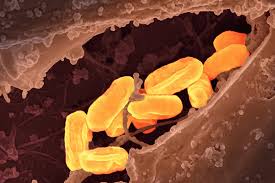
- The Bacterial Agent: Rickettsia typhi, a highly aggressive pathogen multiplying rapidly inside the digestive tract of an infected flea.
- The Primary Reservoirs: Feral cats, neighborhood rats, and nocturnal opossums acting as massive biological incubators across Los Angeles County.
- The Canine Courier: Domestic dogs unknowingly transporting the infected insects from the backyard directly onto living room couches and bedsheets.
- The Human Inoculation: Humans accidentally scratching highly concentrated, infected flea feces directly into fresh skin abrasions or eye membranes.
🚨 Vet Fact: Flea-borne typhus absolutely does not spread directly from person to person, nor does it transfer through a dog’s saliva or a cat’s scratch. The entire transmission cycle relies exclusively on the infected flea physically biting a human host and depositing heavily contaminated fecal matter directly onto the skin.+1
Advanced Insight 1: The Asymptomatic Trojan Horse
Generic pet health resources constantly advise owners to simply watch their dogs for signs of sudden fever or intense lethargy. Elite veterinary epidemiologists understand a deeply terrifying biological reality: domestic canines are practically entirely immune to developing clinical typhus symptoms. A dog heavily carrying a massive load of infected fleas will continue eating enthusiastically, playing vigorously, and acting completely normal.
This massive lack of physical symptoms turns the beloved family dog into a highly efficient, completely silent biological Trojan horse. The dog happily explores the dense backyard brush, collects the infected insects, and safely transports them past the front door. Waiting to see if the dog suddenly looks sick practically guarantees the human family will eventually suffer a massive, entirely preventable bacterial exposure.
Take the highly stressful reality of a Santa Monica resident whose energetic Golden Retriever loved sleeping directly at the foot of the bed. The dog never sneezed or skipped a meal, completely hiding the fact that it had picked up infected fleas from a neighborhood rat. Within two weeks, the owner was rushed to a local emergency room with a brutal 104-degree fever and severe body aches, officially becoming part of the 2026 county outbreak statistics.
🐾 Snoutbit Pro-Tip: To instantly identify if the dark specks on a dog’s skin are simply harmless yard dirt or highly dangerous flea feces, place the debris on a completely damp, white paper towel. If the tiny black specks rapidly dissolve into distinct, bright red blood rings, it is absolutely confirmed as digested flea dirt requiring immediate pharmacological eradication.
Advanced Insight 2: The “Flea Dirt” Inoculation Trap
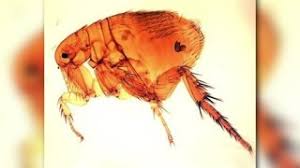
Understanding exactly how the Rickettsia typhi bacteria enters the human bloodstream requires looking closely at the incredibly disgusting biology of a feeding flea. When an infected flea violently bites a host to consume a blood meal, it simultaneously defecates directly onto the surrounding skin. This tiny, dark, pepper-like feces is commonly referred to in the veterinary industry as “flea dirt” and is heavily saturated with infectious bacteria.
When a flea bites a human ankle, the intense, highly localized itching instantly triggers a massive, involuntary scratching response. The human fingernail violently drags the highly infectious flea dirt directly into the microscopic skin abrasion, flawlessly injecting the bacteria straight into the human bloodstream. The actual flea bite itself does not transmit the disease; the human host accidentally performs the dangerous inoculation.

Incredibly, dried, heavily infected flea feces can easily become airborne when a dog aggressively shakes their coat or violently scratches their neck. If a human accidentally inhales this microscopic, aerosolized dust or rubs it directly into their eye membranes, the bacterial infection takes hold instantly. This massive environmental persistence dictates exactly why heavy-duty sanitation protocols are absolutely mandatory following a discovered flea infestation.
🚨 Vet Fact: Once a single flea successfully consumes blood containing the Rickettsia typhi bacteria, it remains completely infected and highly capable of transmitting the disease for the absolute remainder of its entire lifespan. Environmental resilience allows these infected insects to quickly spread the pathogen to dozens of new biological hosts.
Advanced Insight 3: The Urban Wildlife Nightclub
Flea-borne typhus cases are heavily surging to all-time highs in densely populated Southern California areas like Willowbrook, Central Los Angeles, and Santa Monica. Many owners incorrectly assume their immaculately manicured suburban backyard is completely safe from dirty, disease-carrying wildlife. Elite pest management experts understand that extreme urban heat islands and highly accessible outdoor food sources are actively driving wild animal populations directly into residential neighborhoods.
Rats and opossums are the primary biological reservoirs heavily maintaining the typhus bacteria in the local Los Angeles environment. When well-meaning homeowners leave expensive bowls of premium dog food sitting on the back patio overnight, it acts as a massive beacon for infected wildlife. These nocturnal animals feast on the canine kibble, heavily dropping hundreds of infected fleas directly into the grass where the dog actively plays.
Consider the eye-opening experience of a family living in a densely packed Los Angeles suburb who constantly battled recurring flea infestations on their indoor-outdoor Terrier. They brilliantly set up an inexpensive night-vision trail camera aimed directly at the dog’s outdoor water bowl. The footage shockingly revealed a massive, nightly rotation of infected neighborhood opossums and feral cats utilizing the patio exactly like a highly active urban nightclub.
🐾 Snoutbit Pro-Tip: Never aggressively sweep or dry-vacuum a hardwood floor where a massive amount of highly concentrated flea dirt is discovered, as this violently launches the infectious bacteria directly into the breathable air. Always heavily spray the contaminated area with a standard liquid household disinfectant first to safely weigh the dangerous dust down before wiping it up.
The Chemical Defense Protocol
Physical yard management must always be heavily paired with elite, highly systematic veterinary pharmacology to survive the 2026 typhus surge. The absolute ultimate goal is to brilliantly turn the family dog into a highly lethal, walking flea trap. Handlers must completely abandon incredibly cheap, highly ineffective grocery store flea shampoos that only kill adult insects for a few short hours.
Consult directly with a licensed veterinarian to securely obtain highly advanced, prescription-grade oral or topical preventatives. These premium, highly engineered medications aggressively break the complex flea life cycle by destroying both the biting adults and the highly resilient, unhatched eggs. When an infected Los Angeles flea jumps from the grass directly onto a properly medicated dog, the insect rapidly dies long before it can successfully lay eggs.
Consistency is the absolute, undeniable key to maintaining this critical biological shield throughout the entire calendar year. A massive percentage of severe household typhus infections occur simply because an owner accidentally skipped a single monthly flea dose during the mild Southern California winter months. In regions where typhus is currently endemic and surging, year-round, unyielding flea prevention is absolutely mandatory for canine and human survival.+1
🚨 Vet Fact: The incubation period for flea-borne typhus ranges from one to two weeks following the initial bacterial exposure. If an individual begins experiencing a severe headache, persistent chills, and a characteristic torso rash after finding fleas on the family dog, seeking immediate medical care and specifically mentioning flea exposure is highly critical.+1
Securing The Residential Perimeter
Protecting the household from flea-borne typhus absolutely demands a massive, highly aggressive, multi-layered defensive strategy extending beyond veterinary medicine. Relying entirely on a single oral chewable completely fails to address the massive environmental threat lurking just outside the back door. Handlers must aggressively secure the physical perimeter of the home to successfully block the primary wildlife reservoirs from ever entering the property.
Actively walk the entire yard and completely eliminate all heavy brush piles, dense overgrown ivy, and unstacked firewood sitting directly on the soil. These specific, highly sheltered environments provide the absolute perfect, dark nesting grounds for the opossums and massive urban rats heavily driving the outbreak. All outdoor trash cans must be heavily secured with locking, animal-proof lids to entirely remove the massive nocturnal food incentive.
Furthermore, handlers must permanently seal every single microscopic entry point leading directly beneath the house or into the garage. Use heavy-duty, galvanized steel hardware cloth to violently block crawlspace vents and wooden deck skirts. If the wildlife physically cannot nest on the property, they cannot successfully drop their highly infected biological payload into the dog’s daily environment.
What To Do Next
- Execute the Biological Perimeter Audit: Walk completely around the outside of the home today and rigorously inspect the foundation, the wooden deck, and all ground-level vents. Immediately purchase heavy-duty galvanized steel mesh to strongly seal any holes larger than a quarter, entirely preventing infected rats or opossums from utilizing the property as a highly secure nesting ground.
- Upgrade the Pharmacological Shield: Immediately locate the dog’s current box of flea prevention medication and rigorously verify the exact expiration dates and dosage schedule. Call the local Los Angeles veterinary clinic this week to specifically confirm that the current preventative product aggressively kills fleas across all complex life stages.
Disclaimer: The content on Snoutbit.com is for informational and educational purposes only and is not intended to replace professional veterinary advice, diagnosis, or treatment. Always consult with your veterinarian before making significant changes to your dog’s diet, exercise routine, or health regimen.