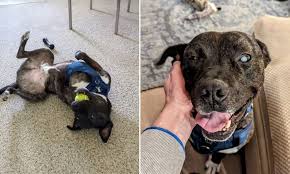
Living with a chaotic, high-energy adolescent female dog leaves pet parents feeling entirely overwhelmed and exhausted. As the dog rapidly approaches her first heat cycle, desperate handlers frequently schedule a spay surgery. They desperately hope the routine procedure acts as a permanent volume dial for their pet’s relentless hyperactivity.
When the dog fully recovers from the operation and instantly resumes treating the living room like a parkour course, owners feel completely devastated. The definitive solution requires separating deeply hardwired genetic working drives from temporary, hormonally driven mood swings. Spaying successfully removes the ovaries and uterus, completely stopping the massive estrogen and progesterone spikes that cause a female dog to act erratic or irritable twice a year.

However, if a dog severely lacks basic obedience training and impulse control, removing her reproductive organs will absolutely not make her a calm, sleepy household companion. Handlers must accept that a surgical scalpel is never a valid substitute for structured behavioral modification.
Canine Spaying & Behavior: Overview Mind Map
- The Biological Reality: Surgery permanently removes the ovaries, eliminating estrogen and progesterone production, but leaves the dog’s DNA and working drive completely untouched.
- Behaviors Effectively Stopped: Messy bleeding during estrus, frantic escaping to find male dogs, and the extreme agitation of false pregnancies.
- Behaviors Left Unchanged: Demand barking, counter-surfing, leash reactivity, and basic genetic hyperactivity.
- The Post-Op Illusion: Temporary lethargy directly following surgery is strictly caused by heavy pain medications and physical healing, not a sudden personality shift.
Advanced Insight 1: The “False Pregnancy” Agitation
Generic pet guides heavily imply that spaying acts as a behavioral eraser for frustrating canine habits. Elite behaviorists understand that the true behavioral benefit of spaying lies in preventing the intense psychological distress of a false pregnancy. After a normal heat cycle, female dogs experience a massive surge in progesterone, tricking their brain into believing they are about to deliver a litter of puppies.
This massive hormonal trick causes intense, highly confusing behavioral changes that closely mimic extreme hyperactivity or severe anxiety. The dog will relentlessly pace the house, desperately dig into the sofa cushions to build a “nest,” and aggressively guard random household objects like squeaky toys or shoes. Spaying entirely eliminates these devastating hormonal rollercoasters, preventing the dog from experiencing weeks of exhausting psychological distress.
🚨 Vet Fact: Removing the ovaries eliminates the risk of a pyometra, a rapidly fatal, massive infection of the canine uterus. While spaying does not directly calm a dog’s everyday hyperactivity, it entirely prevents this catastrophic medical emergency that frequently strikes older, intact female dogs.
Advanced Insight 2: The “Fear-Escalation” Paradox
A highly advanced, rarely discussed insight is that spaying a heavily anxious female dog can actually make her behavioral issues significantly worse. Estrogen acts as a powerful biological confidence booster within the female canine brain. If a young female dog is already intensely fearful of loud noises, strange men, or unfamiliar environments, surgically removing her primary source of estrogen can cause that fear to skyrocket.
Without the natural confidence provided by reproductive hormones, a mildly nervous dog can easily escalate into a highly reactive, defensive animal. For heavily anxious females, elite behaviorists frequently recommend delaying the spay surgery until the dog has successfully completed at least two heat cycles. This strategic delay allows the dog to fully mature physically and emotionally, locking in crucial confidence before the hormones are permanently removed.

Consider the reality of a rescued German Shepherd mix in Colorado who suffered from intense stranger danger. The shelter mandated a pediatric spay at eight weeks old, completely stripping the dog of crucial developmental hormones. By the time the dog reached two years of age, her fear-based reactivity had escalated into aggressive lunging at every passing bicycle or jogger.
Behavioral rehabilitation for this specific dog required years of meticulous, counter-conditioning work to manually build the confidence she biologically lacked. Had the dog been allowed to reach full hormonal maturity before the spay, her baseline emotional resilience would have likely been significantly higher. A surgical scalpel cannot fix fear, and in certain genetic lines, it can drastically amplify the problem.
🐾 Snoutbit Pro-Tip: Never attempt to teach complex obedience commands or introduce a female dog to a highly stressful environment during an active heat cycle. The massive influx of reproductive hormones severely impairs canine cognitive function, making the dog highly distracted, easily frustrated, and biologically incapable of focusing on the handler.
Maternal Aggression vs. Leash Reactivity
A massive mistake handlers make is entirely confusing maternal, hormonal aggression with standard, fear-based leash reactivity. An intact female dog experiencing a heat cycle or a false pregnancy will frequently become highly defensive of her immediate physical space. This specific, resource-guarding behavior is a direct biological imperative designed to protect potential offspring from perceived predators.
Spaying is incredibly effective at permanently extinguishing this specific type of maternal, space-guarding aggression. However, if a female dog barks violently at other dogs on a walk because she was poorly socialized as a puppy, spaying will not help. Standard leash reactivity is a learned behavioral response, entirely disconnected from the canine reproductive cycle.
The “Post-Op Fakeout” Phenomenon
Thousands of dog owners happily report that their female dog was beautifully, perfectly calm during the first two weeks directly following the spay procedure. They wildly celebrate this massive behavioral victory, incorrectly assuming the surgery was a complete, permanent success. On day fifteen, the dog abruptly explodes with frantic, chaotic energy, leaving the owners completely baffled by the sudden, intense regression.
This specific two-week window of perfect behavior is an incredibly common phenomenon clinically known as the “Post-Op Fakeout.” The dog was simply heavily medicated on prescription painkillers, physically sore from major abdominal surgery, and intensely depressed by wearing a restrictive plastic recovery cone. Once the internal sutures fully heal and the heavy sedatives are flushed from the liver, the dog’s true, underlying genetic energy instantly returns.
🚨 Vet Fact: A spay is a major abdominal surgery (ovariohysterectomy) that requires significantly more healing time than a standard male neuter. Handlers must strictly enforce a minimum of fourteen days of absolutely zero running or jumping to prevent a catastrophic, life-threatening internal hernia.
Working Genetics Cannot Be Excised
Take the anecdotal reality of a hyperactive Australian Shepherd living in a busy Chicago apartment. The owner assumed spaying the dog at one year old would instantly fix her intense, exhausting habit of physically herding the household children. The herding behavior actually worsened post-surgery because the young dog was still utterly desperate for a structured, physical job.
The surgery successfully stopped the dog’s messy, twice-yearly heat cycles, but it did absolutely nothing to erase her deeply ingrained herding genetics. The owner finally achieved household peace by enrolling the dog in weekly agility classes and utilizing heavy-duty food puzzles. It proved definitively that providing a legal outlet for genetic drive is infinitely more effective than relying on a surgical procedure.
Advanced Insight 3: Managing The Metabolic Shift
Understanding why a female dog acts hyperactive requires looking directly at their specific breed origins and daily caloric intake. Spaying causes a massive, permanent drop in the canine metabolic rate, instantly changing how the dog processes daily calories. If owners continue feeding the exact same volume of high-energy kibble post-surgery, the dog quickly becomes overloaded with excess fuel.

This massive excess of unused caloric energy physically manifests as frantic pacing, demand barking, and severe restlessness. Spayed dogs require roughly twenty percent fewer daily calories than their intact counterparts to maintain optimal health. Slashing the dog’s daily kibble intake and replacing those lost calories with low-calorie green beans prevents rapid obesity and heavily reduces diet-induced hyperactivity.
🐾 Snoutbit Pro-Tip: Ditch the standard metal food bowl entirely and force the dog to actively forage for every single meal using complex, heavy-duty puzzle toys. A dog that is mentally exhausted from rigorous sniffing and problem-solving will display significantly calmer household behavior, completely regardless of their current reproductive status.
What To Do Next
- Conduct a Behavioral Audit: Sit down tonight and physically write out a list of the dog’s top three most frustrating behaviors. If the list consists entirely of jumping, demand barking, and leash pulling, immediately research local obedience classes, as the upcoming spay surgery will absolutely not fix any of these specific issues.
- Implement the “Settle” Command: Begin actively training a formal “place” or “settle” command on a raised dog bed this exact week. Teaching the dog exactly how to manually trigger their own internal off-switch provides a reliable, trained foundation of calmness that will heavily outlast any surgical recovery period.
Disclaimer: The content on Snoutbit.com is for informational and educational purposes only and is not intended to replace professional veterinary advice, diagnosis, or treatment. Always consult with your veterinarian before making significant changes to your dog’s diet, exercise routine, or health regimen.